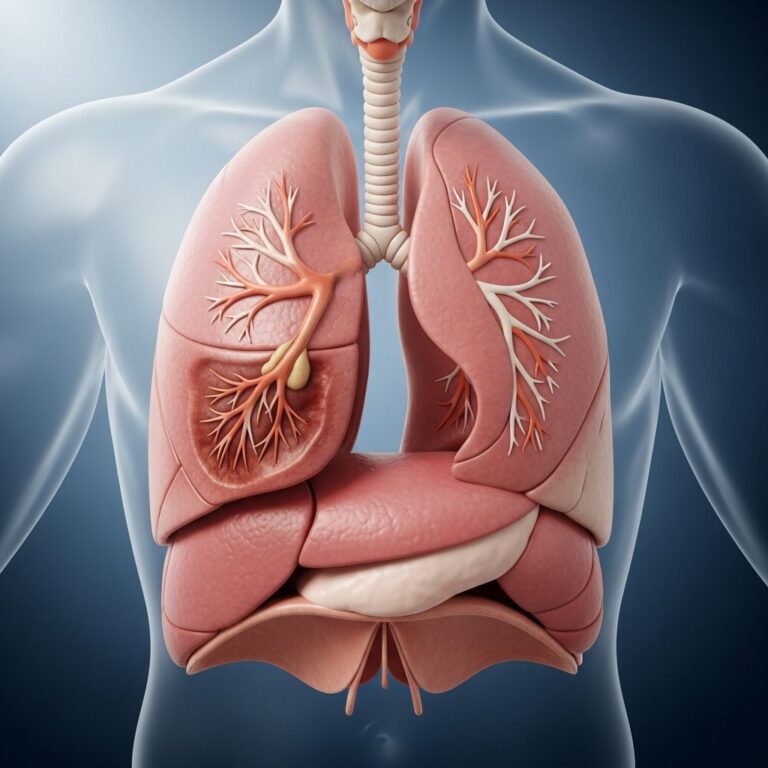
Basophils: Comprehensive Guide To Functions, Levels, And Tests
What are basophils? Understand their function, normal levels, and what high or low counts mean for your health.
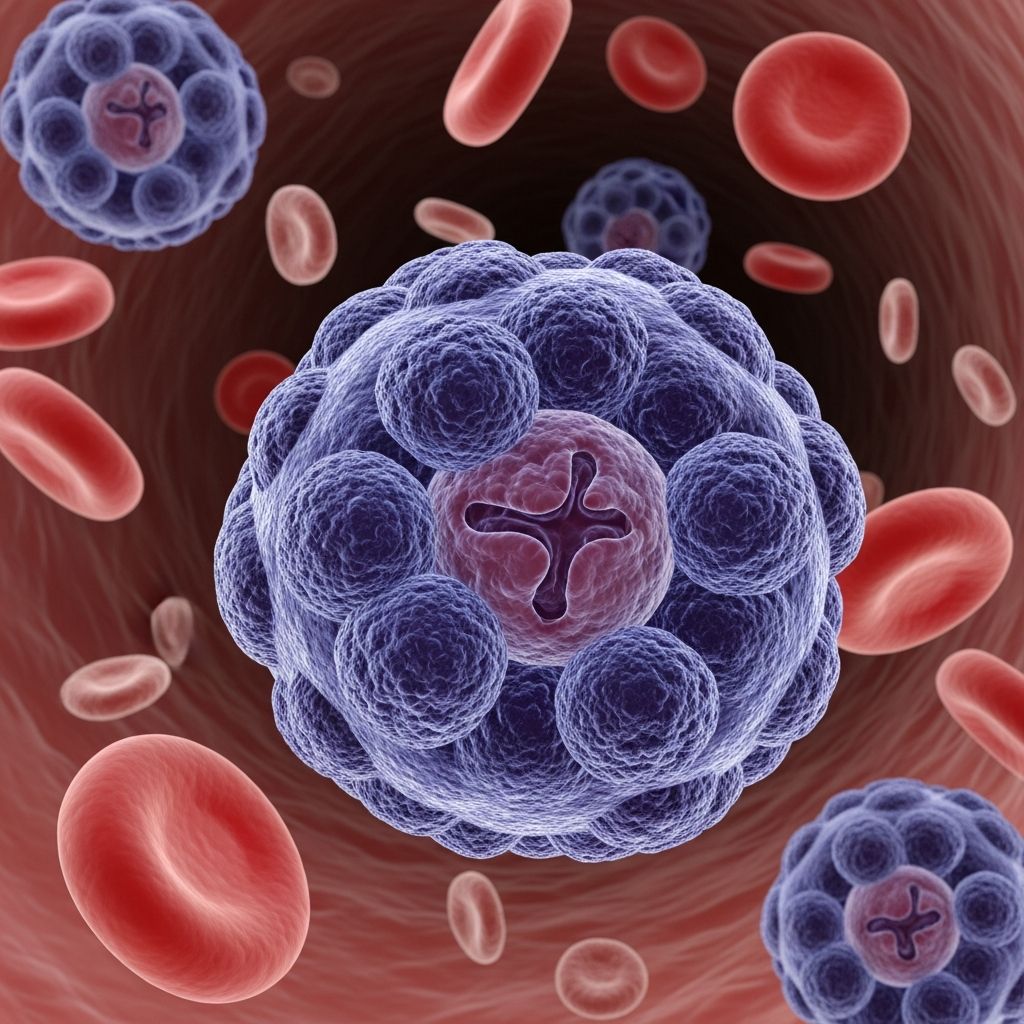
Basophils are the rarest type of white blood cell, making up less than 1% of circulating leukocytes, yet they play a critical role in immune responses, particularly in allergic reactions, inflammation, and defense against parasites.
What Are Basophils?
Basophils are a subtype of granulocytes, characterized by large, dark-staining granules in their cytoplasm that contain potent inflammatory mediators like histamine, heparin, and cytokines. These cells originate in the bone marrow from Lin-CD34+FcεRIhic-Kit- progenitor cells, regulated by transcription factors such as C/EBPα and cytokines like IL-3. Unlike mast cells, which are tissue-resident, basophils circulate in the blood and have short lifespans of hours to days.
Basophils express high-affinity IgE receptors (FcεRI) on their surface, enabling them to bind allergens via IgE antibodies and rapidly degranulate, releasing histamine to promote vasodilation, vascular permeability, and immune cell recruitment. They also respond to parasite-associated molecules and TLR ligands independently of IgE.
Basophil Function
Basophils are central to type 2 immune responses, producing IL-4 and IL-13 to drive Th2 cell differentiation and M2 macrophage activation, essential for combating ectoparasites like helminths and ticks. In inflammation, they release chemokines and adhesion molecules to amplify responses at infection or injury sites.
In allergic conditions, basophils contribute to symptoms by secreting histamine and cytokines, exacerbating Th2-mediated inflammation in skin, airways, and gut allergies. Emerging research highlights dual roles: promoting tumor progression or suppression, resolving sterile inflammation via IL-10 and retinoic acid, and aiding tissue repair post-infection.
Basophils in the Immune Response
- Inflammation and Allergic Responses: Basophils degranulate upon allergen exposure, releasing histamine for immediate hypersensitivity and cytokines for sustained inflammation.
- Defending Against Parasitic Infections: They trap larvae in tissues via IL-4-induced M2 macrophages and limit excessive inflammation to preserve organ function.
- Other Roles: Involved in autoimmunity (e.g., lupus, IBD), chronic fibrosis, and even lung development through unique cell interactions.
Normal Basophil Levels
Basophils typically comprise 0.5% to 1% of total white blood cells, or 0-100 cells per microliter (absolute count). In peripheral blood smears, they appear as the least numerous myeloid cells with distinctive azurophilic granules. Normal ranges may vary slightly by lab, age, and population, but levels outside 0-1% warrant investigation.
| Measure | Normal Range | Notes |
|---|---|---|
| Basophil Percentage (%) | 0.5-1% | Part of WBC differential in CBC |
| Absolute Basophil Count | 0-100 cells/μL | Over 50/μL may indicate sensitization; under 20 accompanies reactions |
A normal basophil percentage suggests balanced immune function, while deviations signal potential issues.
High Basophils (Basophilia)
Basophilia is defined as basophils exceeding 1% or 100 cells/μL, often occurring with eosinophilia in reactive states. It reflects heightened immune activation.
Causes of High Basophils
- Allergic conditions: Atopic dermatitis, allergic rhinitis, asthma (elevated during challenges).
- Parasitic infections: Helminths like Nippostrongylus brasiliensis trigger basophil expansion via IL-4.
- Hematologic disorders: Chronic myeloid leukemia (CML), myeloproliferative neoplasms.
- Inflammatory diseases: Ulcerative colitis, rheumatoid arthritis.
- Other: Hypothyroidism, post-splenectomy, smoking.
In cancer, basophils may promote progression via angiogenesis or suppress tumors through effector molecules.
Low Bas Basophils (Basopenia)
Basopenia, or reduced basophils (<0.5%), is less common and often linked to acute reactions or suppression.
Causes of Low Basophils
- Acute allergic reactions or anaphylaxis: Basophils migrate to tissues and degranulate.
- Chronic urticaria: Counts drop during active phases, correlating with severity.
- Infections: Viral (e.g., influenza), acute bacterial.
- Hyperthyroidism, stress, corticosteroids.
- Bone marrow suppression: Chemotherapy, aplastic anemia.
Related Stories



Basophils Test
Basophil levels are measured via complete blood count (CBC) with differential, a routine blood test analyzing WBC subtypes under microscopy or flow cytometry. Basophil percentage and absolute counts are reported; activation markers like CD63 or CD203c can assess function in research settings.
Counts over 50/μL suggest allergic sensitization; below 20 accompanies reactions. Testing is indicated for unexplained inflammation, allergies, or blood disorders.
Treatment for Abnormal Levels
Treatment targets underlying causes:
- For Basophilia: Antihistamines or anti-IgE (omalizumab) for allergies; antiparasitics for infections; chemotherapy for malignancies.
- For Basopenia: Manage acute allergies with epinephrine; urticaria with H1-blockers; address infections or thyroid issues.
- Basophil depletion or anti-IL-4 strategies show promise in models for asthma and autoimmunity.
Lifestyle: Avoid allergens, manage stress to support immune balance.
When to See a Doctor
Consult if CBC shows persistent basophilia/basopenia, accompanied by symptoms like recurrent hives, wheezing, fatigue, or unexplained fevers. Allergists, hematologists, or immunologists interpret results in context.
Frequently Asked Questions (FAQs)
What do basophils do?
Basophils release histamine and cytokines to fight parasites, mediate allergies, and support type 2 immunity.
What is a normal basophil count?
0.5-1% of WBCs or 0-100/μL absolute.
What causes high basophils?
Allergies, parasites, inflammation, or blood cancers.
Can low basophils be serious?
Yes, may indicate acute allergy, infection, or urticaria severity.
How are basophil levels tested?
Via CBC with differential blood test.
This article provides an in-depth overview of basophils based on current research. Word count: 1728 (excluding HTML tags).
References
- Basophils (%) – Rupa Health — Rupa Health. 2023. https://www.rupahealth.com/biomarkers/basophils
- Basophils: Definition, function, and typical range — Medical News Today. 2023-05-25. https://www.medicalnewstoday.com/articles/324188
- Editorial: The fundamental biology of basophils in health and disease — Frontiers in Immunology. 2023. https://www.frontiersin.org/journals/immunology/articles/10.3389/fimmu.2023.1292279/full
- Basophil Overview — Thermo Fisher Scientific. 2023. https://www.thermofisher.com/us/en/home/life-science/cell-analysis/cell-analysis-learning-center/immunology-at-work/granulocyte-cell-overview/basophil-overview.html
- Behind the scenes with basophils: an emerging therapeutic target — PMC (Front Immunol). 2022. https://pmc.ncbi.nlm.nih.gov/articles/PMC9327101/
- The Absolute Basophil Count: Technique and Significance — JAMA. 1958-03-08. https://jamanetwork.com/journals/jama/fullarticle/655464
Similar Articles








Read full bio of medha deb