Batana Oil for Hair Growth: 5 Benefits for Thicker Shinier Hair
Discover if batana oil truly promotes hair growth, its benefits, usage tips, and what experts say about this trending hair care ingredient.
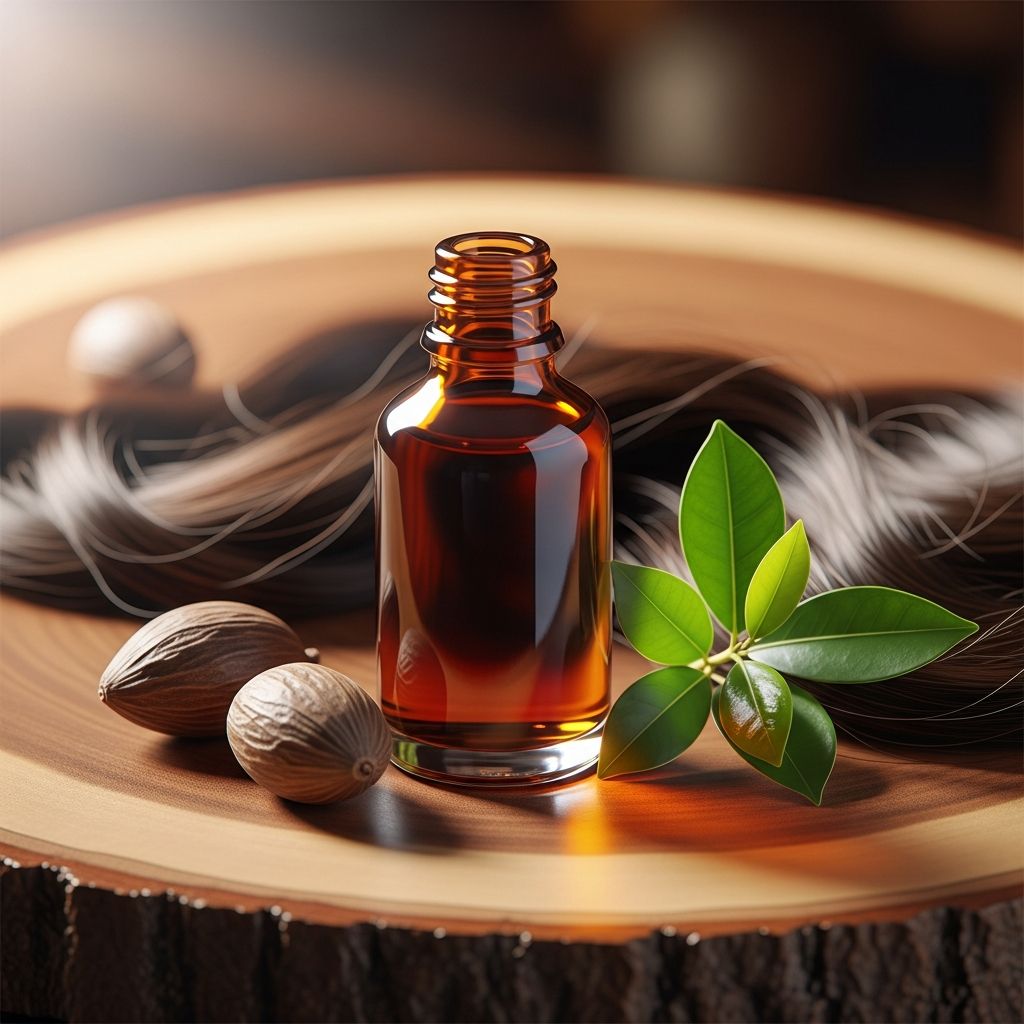
Batana oil, derived from the nuts of the American oil palm tree (Elaeis oleifera), has surged in popularity on social media as a natural remedy for hair growth, thickness, and overall scalp health. Promoted by influencers for reversing hair loss and adding shine, it boasts rich fatty acids and antioxidants. However, scientific evidence for its hair-regrowth claims remains limited, positioning it more as a nourishing treatment than a miracle cure.
What Is Batana Oil?
Batana oil is a rare, nutrient-dense oil extracted from the kernels of the American palm tree, native to the rainforests of Central America, including Honduras and Nicaragua. Indigenous communities have used it for centuries in traditional hair and skin care rituals, valuing its deep moisturizing properties.
Chemically, batana oil is packed with essential fatty acids like oleic acid, palmitic acid, linoleic acid, and stearic acid, alongside antioxidants such as vitamin E (tocopherol). These components enable it to penetrate hair shafts, hydrate the scalp, and provide a protective barrier against environmental damage. Unlike common oils like coconut or argan, batana’s unique composition makes it lightweight yet deeply nourishing, ideal for dry, damaged, or frizzy hair.
Its buttery texture at room temperature solidifies in cooler conditions, allowing versatile application as a pre-shampoo mask, leave-in conditioner, or styling aid. Sourced sustainably from small-scale producers, authentic batana oil is unrefined and golden-yellow, retaining its full potency.
Does Batana Oil Promote Hair Growth?
Social media abounds with testimonials claiming batana oil stimulates dormant follicles, reduces shedding, and promotes rapid growth—some users report inches of new length in weeks. Proponents attribute this to improved scalp circulation, follicle strengthening, and nutrient delivery that minimizes breakage.
However, experts caution that while batana oil supports hair health, it lacks robust clinical proof for regrowth. Trichologists note its fatty acids may regulate sebum production, preventing dry, inflamed scalps linked to shedding, but it won’t reverse genetic baldness or severe alopecia.
Anecdotal evidence suggests consistent use (2-3 times weekly) yields thicker, shinier strands in 4-8 weeks, with fuller appearance from reduced breakage rather than new growth. For noticeable regrowth, experts recommend 3-6 months alongside a holistic routine.
Benefits of Batana Oil for Hair
Batana oil offers several evidence-supported perks for hair and scalp, even if growth claims are unproven:
- Deep Moisturization: Fatty acids lock in hydration, combating dryness and frizz for softer, more manageable hair.
- Strength and Reduced Breakage: Antioxidants like vitamin E protect against oxidative stress, fortifying strands.
- Scalp Soothing: Anti-inflammatory properties alleviate itchiness, dandruff, and irritation, fostering a healthy growth environment.
- Shine and Texture Improvement: Coats cuticles for natural luster and smoothness without greasiness.
- Protection from Damage: Shields against UV rays, pollution, and heat styling.
These benefits make it suitable for all hair types, particularly curly, coily, or chemically treated locks prone to brittleness.
Related Stories



How to Use Batana Oil for Hair Growth
Incorporate batana oil into your routine for optimal results. Start with pure, cold-pressed oil from reputable sources to avoid adulterated products.
Application Methods
- Pre-Shampoo Treatment (Deep Conditioning): Warm 1-2 tablespoons, massage into scalp and lengths, cover with a shower cap for 30-60 minutes or overnight. Shampoo twice to remove residue. Use 1-2 times weekly.
- Leave-In Conditioner: Apply 3-5 drops to damp hair post-wash, focusing on ends. Comb through for even distribution.
- Scalp Massage Serum: Part hair, apply directly to scalp, massage 5-10 minutes daily to boost circulation. Leave in.
- Styling Aid: Rub a drop between palms and smooth over flyaways for frizz control and shine.
Tips for Best Results: Pair with a balanced diet rich in biotin, zinc, and protein. Avoid heat tools on oiled hair. Consistency is key—track progress with photos.
Side Effects and Precautions
Batana oil is generally safe for topical use, with low risk of irritation due to its natural profile. However:
- Conduct a patch test: Apply to inner arm for 24 hours to check for allergies, especially if nut- or palm-sensitive.
- Rare side effects include mild redness or greasiness if over-applied.
- Not for ingestion; external use only.
- Consult a dermatologist if pregnant, nursing, or with scalp conditions like psoriasis.
Pregnant individuals should verify purity, as contaminants in low-quality oils pose risks.
Batana Oil vs. Other Hair Growth Oils
While batana shines for nourishment, other oils have stronger evidence for growth. Compare below:
| Oil | Key Benefits | Evidence for Growth | Best For |
|---|---|---|---|
| Batana | Moisturizes, strengthens, adds shine | Anecdotal; no clinical trials | Dry, damaged hair |
| Rosemary | Stimulates follicles, improves circulation | Comparable to minoxidil in studies | Thinning, androgenetic alopecia |
| Pumpkin Seed | Blocks DHT, reduces shedding | Clinical support for regrowth | Hormonal hair loss |
| Coconut | Penetrates shaft, prevents protein loss | Conditioning, not growth | Protein-deficient hair |
For severe loss, FDA-approved minoxidil or finasteride outperform natural oils.
Who Should Try Batana Oil?
Ideal for those with dry scalps, breakage, or dull hair seeking a natural boost. It’s not a standalone fix for pattern baldness, postpartum shedding, or telogen effluvium—address underlying causes like hormones, stress, or nutrition first.
Dermatologists recommend it as a complementary therapy alongside proven treatments like PRP (platelet-rich plasma), which uses autologous blood for follicle stimulation with clinical backing.
The Science Behind Batana Oil
Palm kernel oils like batana contain tocotrienols (vitamin E forms) that combat scalp oxidative stress, per general research on hair oils. A PMC review notes oils enhance follicle penetration and circulation, supporting indigenous uses.
Yet, no peer-reviewed studies isolate batana for alopecia. Healthline and WebMD emphasize its moisturizing role over regrowth, urging evidence-based options.
Frequently Asked Questions (FAQs)
Does batana oil really grow hair?
No direct evidence for regrowth, but it reduces breakage and improves scalp health for fuller-looking hair.
How often should you use batana oil?
2-3 times weekly for treatments; daily for scalp massages in moderation.
Can batana oil reverse baldness?
Unlikely; it nourishes but doesn’t treat genetic or advanced hair loss.
Is batana oil safe for all hair types?
Yes, but patch-test; best for dry/curly hair.
How long until results?
4-8 weeks for texture/shine; 3+ months for potential thickness.
Can I use batana oil on my skin?
Yes, its antioxidants moisturize dry skin—patch-test first.
Final Thoughts
Batana oil excels as a hydrating, protective hair treatment rooted in tradition, but temper growth expectations with science. For persistent loss, see a trichologist for personalized, proven interventions.
References
- Batana Oil for Hair — Advanced Dermatology. 2024. https://www.advanced-dermatology.com.au/batana-oil
- Batana oil for hair growth: Benefits, how to use, and what experts say — Women’s Health UK. 2024. https://www.womenshealthmag.com/uk/beauty/hair/a63931532/batana-oil-for-hair/
- Batana Oil: Can It Help with Hair Loss? — Healthline. 2024-09-16. https://www.healthline.com/health/batana-oil-for-hair-loss
- Batana Oil for Hair Growth — WebMD. 2024. https://www.webmd.com/beauty/batana-oil-hair-growth
- Hair Oils: Indigenous Knowledge Revisited — PMC – NIH. 2022. https://pmc.ncbi.nlm.nih.gov/articles/PMC9231528/
Similar Articles








Read full bio of medha deb