BCAA Vs. Creatine: Comprehensive Guide For Strength & Recovery
Discover the key differences between BCAAs and creatine to optimize your workouts, recovery, and muscle gains effectively.
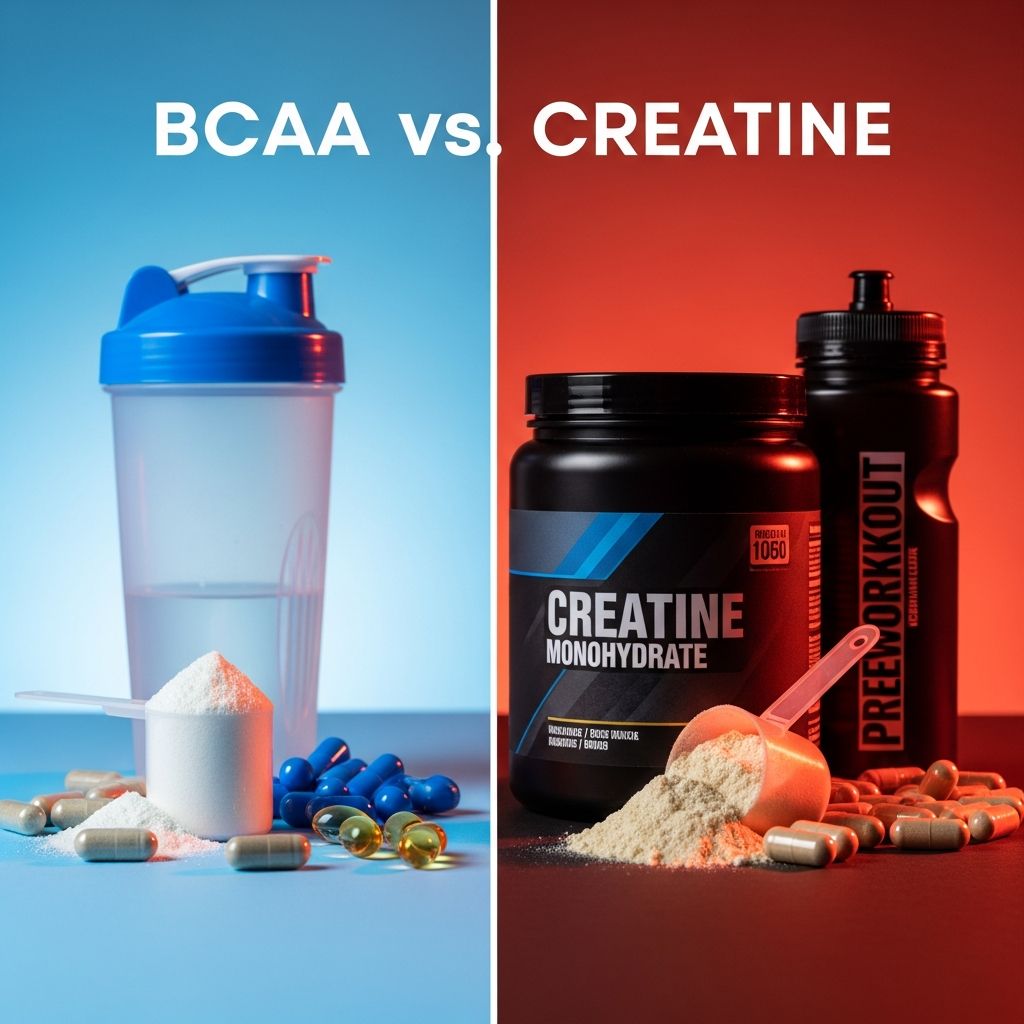
Branched-chain amino acids (BCAAs) and creatine are two of the most popular supplements among athletes, bodybuilders, and fitness enthusiasts. Both support muscle performance and recovery but work through different mechanisms. BCAAs—leucine, isoleucine, and valine—promote muscle protein synthesis, reduce fatigue, and aid recovery during endurance activities. Creatine, on the other hand, boosts ATP production for enhanced strength, power, and high-intensity performance. Understanding their unique roles helps you choose or combine them effectively for your goals.
This comprehensive comparison covers definitions, benefits, sources, dosages, side effects, and expert insights to guide your supplementation strategy.
What Are BCAAs?
BCAAs refer to three essential amino acids:
leucine
,isoleucine
, andvaline
, which the body cannot produce and must obtain from diet or supplements. They comprise about 35-40% of essential amino acids in muscle proteins and are metabolized primarily in muscles rather than the liver, making them key for exercise performance.During workouts, BCAAs serve as an energy source, preventing muscle breakdown (catabolism) and supporting protein synthesis. Leucine, in particular, activates mTOR pathways to stimulate muscle growth. Research shows BCAAs reduce exercise-induced muscle damage and soreness, especially in fasted training or prolonged sessions.
What Is Creatine?
**Creatine** is a naturally occurring compound synthesized from amino acids glycine, arginine, and methionine, primarily stored in muscles as phosphocreatine. It regenerates ATP, the primary energy currency for short, explosive efforts like weightlifting or sprinting.
About 95% of the body’s creatine is in skeletal muscle. Supplementation increases muscle creatine stores by 20-40%, enhancing strength, power output, and cell volumization (water retention that signals growth). Studies confirm creatine’s efficacy for muscle mass gains when paired with resistance training, with benefits extending to brain health in vegetarians or stressed individuals.
BCAA vs. Creatine: Key Differences
While both aid performance, BCAAs excel in endurance and recovery, whereas creatine dominates in strength and power. Here’s a detailed breakdown:
| Aspect | BCAAs | Creatine |
|---|---|---|
| Primary Function | Muscle protein synthesis, reduce fatigue & soreness | ATP regeneration, strength & power |
| Source | Meat, dairy, eggs, whey, plant proteins | Red meat, fish, endogenous synthesis |
| Dosage | 5-10g around workouts | 3-5g daily (optional 20g loading) |
| Onset | Immediate | 1-4 weeks for saturation |
| Best For | Endurance, recovery, fasted training | High-intensity, muscle growth |
| Side Effects | Rare (GI upset if excessive) | Water retention, mild bloating |
This table highlights how BCAAs provide quick anti-fatigue effects, while creatine builds cumulative strength over time.
Benefits of BCAAs
- Muscle Recovery: BCAAs decrease markers of muscle damage (e.g., creatine kinase) and soreness by 20-30% post-exercise.
- Reduced Fatigue: They compete with tryptophan for brain uptake, lowering serotonin and delaying central fatigue during long workouts.
- Protein Synthesis: Leucine triggers MPS, preserving lean mass in calorie deficits.
- Endurance Support: Ideal for cardio, cycling, or fasted states where muscle breakdown risks increase.
Though effective, BCAAs shine most when dietary protein is low; complete proteins often suffice otherwise.
Benefits of Creatine
- Increased Strength & Power: Boosts 1RM by 5-15% and reps in high-intensity sets.
- Muscle Growth: Enhances cell volumization and training volume, leading to 2-4kg gains in 4-12 weeks.
- Faster Recovery: Reduces inflammation and oxidative stress between sessions.
- Cognitive Benefits: Improves short-term memory and reasoning in low-creatine populations.
Related Stories



Creatine is one of the most evidence-backed supplements, with meta-analyses confirming efficacy across ages and training levels.
BCAA vs. Creatine for Muscle Growth
Creatine outperforms BCAAs for hypertrophy due to superior strength gains, allowing heavier lifts and more volume. Long-term studies show creatine + resistance training increases fat-free mass by 1-2kg more than training alone. BCAAs support growth indirectly via recovery but lack creatine’s energy boost. For bulking, prioritize creatine; stack BCAAs if endurance is involved.
BCAA vs. Creatine for Recovery
BCAAs edge out for acute recovery, slashing DOMS by up to 33% and accelerating repair. Creatine aids via reduced damage and better training tolerance. Both complement: BCAAs for immediate post-workout relief, creatine for sustained adaptation.
Can You Take BCAAs and Creatine Together?
Yes, stacking is safe and synergistic. BCAAs handle recovery and anti-catabolism; creatine fuels performance. No adverse interactions reported; many protocols use both for comprehensive benefits. Take creatine daily and BCAAs peri-workout. Stay hydrated to mitigate minor bloating.
Sources of BCAAs and Creatine
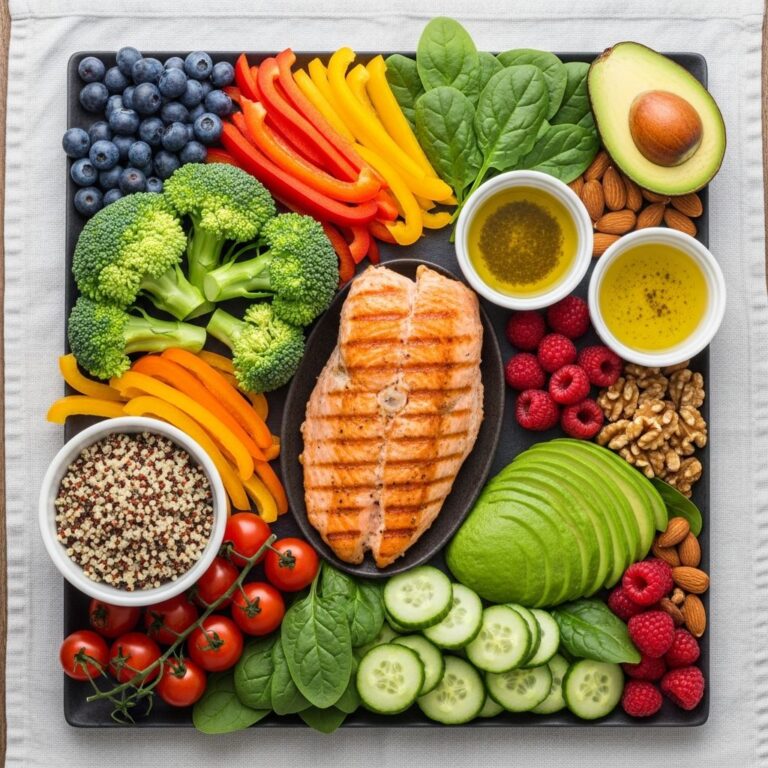
- BCAAs: Chicken (6g/100g), eggs (2g per egg), whey (20g+ per scoop), soy/tofu.
- Creatine: Beef (4-5g/kg), salmon (4g/kg), pork. Vegetarians average 20-30% lower stores.
Supplements fill gaps: creatine monohydrate is gold-standard (99% absorption); BCAA powders/caps for convenience.
Recommended Dosages
- BCAAs: 5-10g (2:1:1 ratio) before/during/after workouts. Fasted: 10g pre-exercise.
- Creatine: Loading: 20g/day (4x5g) for 5-7 days; maintenance: 3-5g daily. Timing flexible; post-workout with carbs optimal.
No cycling needed for either.
Side Effects and Safety
Both are safe at recommended doses. BCAAs may cause nausea if overconsumed; creatine leads to 1-2kg water weight gain initially. No kidney/liver risks in healthy users per ISSN position stands. Consult a doctor if pre-existing conditions exist. Pregnant/breastfeeding individuals should avoid supplementation.
Who Should Take BCAAs vs. Creatine?
- Choose BCAAs if: Endurance athlete, fasted training, vegan/low-protein diet, prioritizing soreness reduction.
- Choose Creatine if: Strength/power sports, hypertrophy goals, vegetarian, seeking cognitive edge.
- Both if: Well-rounded athlete balancing strength and endurance.
BCAA vs. Creatine for Endurance Athletes
BCAAs reduce perceived exertion in marathons/ultra-events; creatine aids interval power and recovery. Combo enhances overall stamina.
Final Verdict
Neither is superior universally—creatine wins for strength/mass, BCAAs for recovery/endurance. Most benefit from creatine as a staple; add BCAAs strategically. Prioritize whole foods, training, and sleep for foundational gains.
Frequently Asked Questions (FAQs)
Should I take BCAAs or creatine first?
Creatine daily for saturation; BCAAs around workouts. No strict order if stacking.
Do I need BCAAs if I eat protein?
Often not—whey/eggs provide ample BCAAs. Useful in fasted or intra-workout scenarios.
Does creatine cause hair loss?
No strong evidence; DHT increases minimal and not linked to balding in studies.
Can women take these supplements?
Yes, both safe and effective for females, yielding similar relative gains.
How long until I see results?
BCAAs: immediate fatigue reduction. Creatine: 1-2 weeks strength, 4+ weeks size.
References
- International Society of Sports Nutrition position stand: creatine supplementation and exercise — JISSN. 2021-06-16. https://jissn.biomedcentral.com/articles/10.1186/s12970-021-00412-w
- Branched-chain amino acids and muscle protein synthesis in humans: myth or reality? — JISSN. 2017-08-22. https://jissn.biomedcentral.com/articles/10.1186/s12970-017-0184-9
- Effects of BCAA supplementation on exercise performance — Nutrients (PMC). 2021-11-15. https://www.ncbi.nlm.nih.gov/pmc/articles/PMC11220999/
- BCAA and creatine on anaerobic capacity — Journal of Men’s Health. 2021-12-01. https://www.jomh.org/articles/10.31083/jomh.2021.058
- ISSN position stand on BCAA — JISSN. 2017-08-22. https://jissn.biomedcentral.com/articles/10.1186/s12970-017-0184-9
Similar Articles








Read full bio of Sneha Tete