BCG Therapy For Bladder Cancer: Treatment, Benefits, Risks
Discover how BCG immunotherapy revolutionizes treatment for early-stage bladder cancer, boosting immune response and reducing recurrence risks effectively.
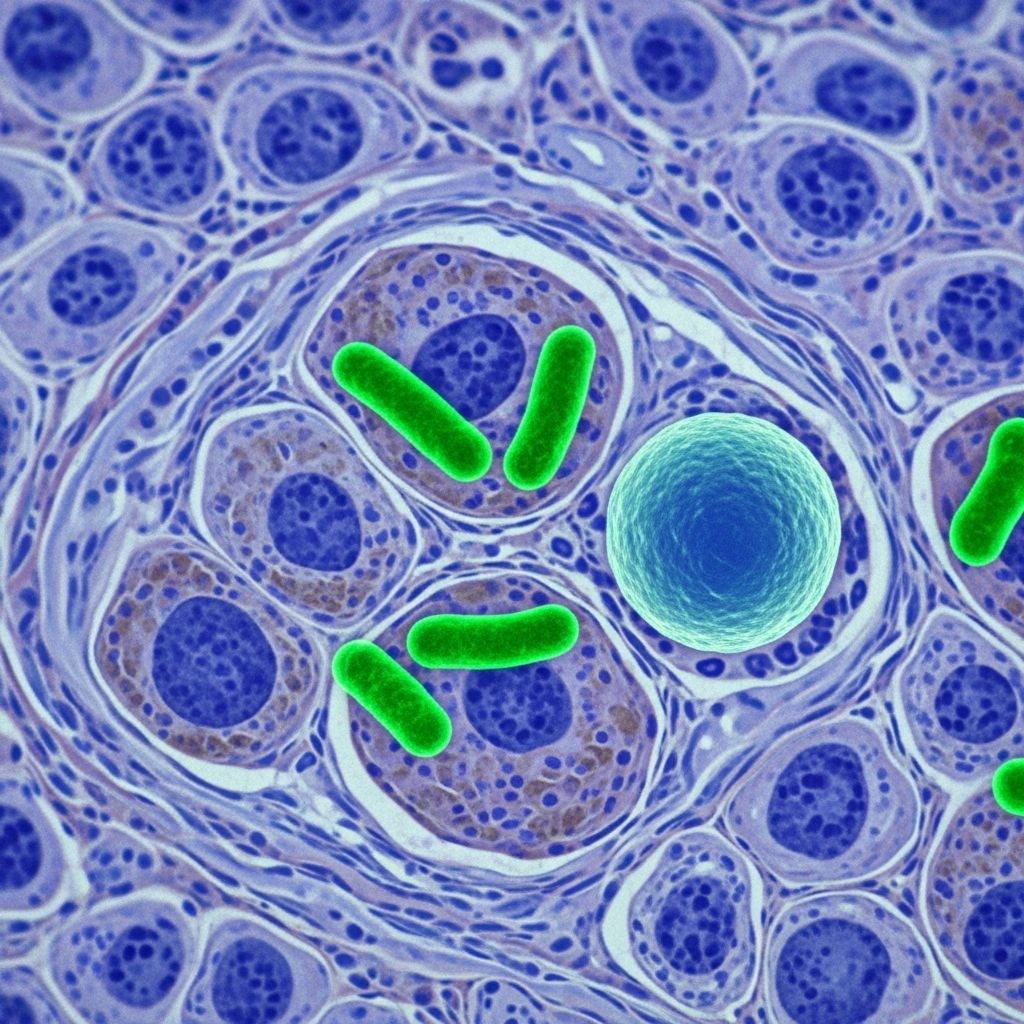
BCG, or Bacillus Calmette-Guérin, stands as a cornerstone immunotherapy for managing non-muscle invasive bladder cancer (NMIBC), particularly high-grade tumors and carcinoma in situ (CIS). Derived from a weakened strain of Mycobacterium bovis, this treatment harnesses the body’s immune defenses to target and eliminate cancer cells within the bladder lining.
Origins and Evolution of BCG in Cancer Care
Originally developed in the early 20th century as a vaccine against tuberculosis, BCG found an unexpected role in oncology through pioneering research in the 1970s. Studies at the National Cancer Institute demonstrated its potential to combat tumors, leading to its adaptation for bladder cancer after promising results in animal models and human trials comparing it favorably to chemotherapy agents like doxorubicin.
Over decades, clinical evidence solidified BCG’s position. A landmark randomized trial established that maintenance regimens significantly enhance long-term outcomes over induction alone, shaping the current standard protocol approved for preventing relapse in Ta, T1, and CIS cases.
Who Benefits Most from BCG Treatment?
BCG is primarily indicated for early-stage bladder cancers that have not penetrated the muscle layer, including high-grade NMIBC and CIS. It excels in reducing recurrence and progression risks for patients at intermediate to high risk, outperforming many chemotherapies in systemic reviews involving thousands of participants.
- High-grade NMIBC: Aggressive tumors confined to the bladder’s inner layers.
- Carcinoma in situ (CIS): Flat, high-risk lesions prone to recurrence.
- Intermediate-risk cases: Selected based on tumor characteristics and patient factors.
It is not suitable for muscle-invasive or metastatic disease, where surgical options like cystectomy or systemic therapies take precedence.
How BCG Activates the Immune System Against Cancer
Administered directly into the bladder via a catheter, BCG triggers a multifaceted immune cascade. The live attenuated bacteria attach to urothelial and immune cells, prompting internalization and cytokine release. This fosters an inflammatory milieu that recruits T cells, natural killer (NK) cells, macrophages, granulocytes, and dendritic cells to assault tumor cells.
Key mechanisms include:
- Attachment to bladder cells, leading to antigen presentation and T-cell activation.
- Granulocyte infiltration for targeted tumor cell destruction via degranulation.
- NK cell proliferation, especially CD56bright populations expressing CD16, enhancing cytotoxicity post-treatment.
Recent insights reveal interleukin-17A from γδ T cells recruits antitumor neutrophils, while adaptive immunity provides lasting memory against cancer recurrence.
Standard Treatment Protocol: Induction and Maintenance
The regimen begins with induction: weekly instillations for six weeks. Patients retain the solution for two hours to maximize exposure, allowing immune activation without systemic spread.
Maintenance follows for responders, typically three weekly doses at intervals of 3, 6, 12, 18, 24, 30, and 36 months post-induction, totaling up to 27 instillations. This extended approach, validated by randomized trials, halves recurrence rates and delays progression to invasive disease.
Related Stories



| Phase | Schedule | Duration per Session | Purpose |
|---|---|---|---|
| Induction | Weekly for 6 weeks | 2 hours retention | Initial immune stimulation |
| Maintenance | 3 doses at specified months | 2 hours retention | Prevent relapse and progression |
Strains like Connaught, TICE, and Tokyo-172 vary slightly in efficacy, with meta-analyses noting Tokyo-172’s edge, though head-to-head data remains limited.
Proven Effectiveness and Clinical Outcomes
BCG significantly lowers recurrence in high-risk NMIBC, with one-year maintenance reducing progression to muscle-invasive cancer. Network meta-analyses of 65 trials confirm its superiority over chemotherapy for CIS and papillary tumors.
For intermediate-risk patients, it offers robust protection, though BCG-unresponsive cases may require alternatives like cystectomy or novel agents.
Managing Side Effects and Complications
Common reactions stem from localized inflammation: urinary frequency, urgency, dysuria, hematuria, and flu-like symptoms affect most patients but are self-limiting.
- Mild (80-90%): Bladder irritation resolving post-cycle.
- Moderate (5-10%): Fever, chills requiring dose adjustment.
- Severe (<1%): Systemic infection (BCGosis), disseminated BCG, managed with anti-tubercular drugs.
Pre-treatment hydration, anti-inflammatories like phenazopyridine, and monitoring mitigate issues. Contraindications include active UTI, immunosuppression, or recent bladder trauma.
Challenges: BCG Shortages and Unresponsiveness
Periodic supply disruptions have strained care, prompting prioritization protocols. For BCG-failure patients—defined by recurrence within maintenance—options include intravesical chemotherapy, device-assisted therapies, or clinical trials.
Recent shortages highlight the need for diversified manufacturing and alternative immunotherapies.
Emerging Innovations Enhancing BCG Therapy
Research advances BCG’s efficacy through recombinant strains. BCG-IL-15, fusing IL-15 with antigen Ag85B, boosts neutrophil recruitment and survival in preclinical models.
Subcutaneous priming before intravesical dosing amplifies T-cell infiltration, while combination with checkpoint inhibitors addresses unresponsiveness.
These developments promise optimized outcomes, potentially extending BCG’s dominance in NMIBC management.
Patient Preparation and Daily Life During Treatment
Before each session, urine tests rule out infection. Post-instillation, patients avoid urination for two hours, then increase fluids to flush residue. Safe sex practices and hygiene prevent transmission risks during active treatment.
Most resume normal activities promptly, with symptoms peaking days 1-3. Long-term, regular cystoscopies monitor response.
Comparing BCG to Other Intravesical Therapies
| Treatment | Mechanism | Recurrence Reduction | Side Effects |
|---|---|---|---|
| BCG | Immunotherapy | High (maintenance) | Bladder irritation, systemic rare |
| Mitomycin C | Chemotherapy | Moderate | Skin reactions, myelosuppression |
| Gemcitabine | Chemotherapy | Moderate | Milder urinary symptoms |
BCG leads for high-risk disease, per extensive trials.
Frequently Asked Questions (FAQs)
What does BCG stand for?
Bacillus Calmette-Guérin, a live attenuated bacterial strain used as immunotherapy.
How is BCG administered?
Via catheter into the bladder, retained for 2 hours weekly.
Is BCG painful?
Instillation is quick; side effects like burning resolve with supportive care.
Can BCG cure bladder cancer?
It prevents recurrence and progression in many NMIBC cases but requires monitoring.
What if BCG doesn’t work?
Options include further therapies, surgery, or trials for unresponsive disease.
Looking Ahead: The Future of Bladder Cancer Immunotherapy
With ongoing refinements like engineered BCG and combos, treatment horizons expand, offering hope for even greater efficacy and tolerability in combating NMIBC.
References
- Bacillus Calmette-Guérin (BCG) treatment of bladder cancer — PMC/NCBI. 2022-04-26. https://pmc.ncbi.nlm.nih.gov/articles/PMC9056064/
- The surprising way a TB vaccine harnesses your immune system to fight bladder cancer — Ohio State University Wexner Medical Center. 2024. https://health.osu.edu/health/cancer/bgc-bladder-cancer-treatment
- BCG Treatment: What It Is, Procedure & Side Effects — Cleveland Clinic. 2023-10-25. https://my.clevelandclinic.org/health/treatments/17908-bacillus-calmette-guerin-bcg-treatment
- What to Know About BCG Treatment for Bladder Cancer — Bladder Cancer Advocacy Network. 2023. https://bcan.org/bcg-treatment-for-bladder-cancer/
- BCG treatment for bladder cancer — Macmillan Cancer Support. 2024. https://www.macmillan.org.uk/cancer-information-and-support/treatments-and-drugs/bcg-treatment-for-bladder-cancer
- What is Intravesical Therapy? | Bladder Cancer Advocacy Network — YouTube/BCAN. 2023. https://www.youtube.com/watch?v=Je7ubY2Fb0s
- New Treatment Options for Non–Muscle-Invasive Bladder Cancer — ASCO Educational Book. 2018. https://ascopubs.org/doi/10.1200/EDBK-25-471942
Similar Articles








Read full bio of medha deb