BCG Vaccine Guide: Doses, Benefits, Risks, Who Needs It
Comprehensive insights into the BCG vaccine's role in preventing tuberculosis and its broader health impacts for at-risk populations worldwide.
The BCG vaccine, or Bacillus Calmette-Guérin, stands as the primary immunization tool against tuberculosis (TB), particularly safeguarding infants and young children from life-threatening manifestations such as TB meningitis and disseminated disease. Administered globally, especially in regions with high TB prevalence, it introduces a weakened strain of Mycobacterium bovis to stimulate immunity without causing illness.
Understanding Tuberculosis and the Need for Vaccination
Tuberculosis remains one of the world’s deadliest infectious diseases, primarily targeting the lungs but capable of spreading to other organs like the brain and bones. In 2023, it caused millions of illnesses and deaths, underscoring the urgency of preventive measures. The BCG vaccine excels in protecting vulnerable newborns and children under five from severe, extrapulmonary TB forms, reducing mortality risks significantly.
TB meningitis, a particularly devastating complication, leads to brain inflammation and can result in lifelong disabilities like epilepsy or hearing loss if untreated. Vaccination prevents thousands of such cases annually, with estimates showing one averted TB meningitis per 3,435 doses administered.
Who Benefits Most from the BCG Vaccine?
Health authorities prioritize BCG for groups at elevated TB risk. Key recipients include:
- Newborns in high-TB-burden countries or those exposed to infected household members.
- Infants and children under five facing imminent pulmonary TB exposure.
- School-aged children (7-14 years) in endemic areas without prior vaccination.
- Individuals traveling long-term to TB-hotspot regions.
In low-prevalence settings like the United States, routine use is limited due to rarity of severe pediatric TB, but it’s considered for high-risk scenarios.
Administration and Dosage Essentials
Typically given as a single intradermal injection in the upper arm for infants shortly after birth. The dose is 0.05 mL for newborns under one year and 0.1 mL for older children. Only one lifetime dose is needed, as boosters have shown limited additional efficacy against TB disease.
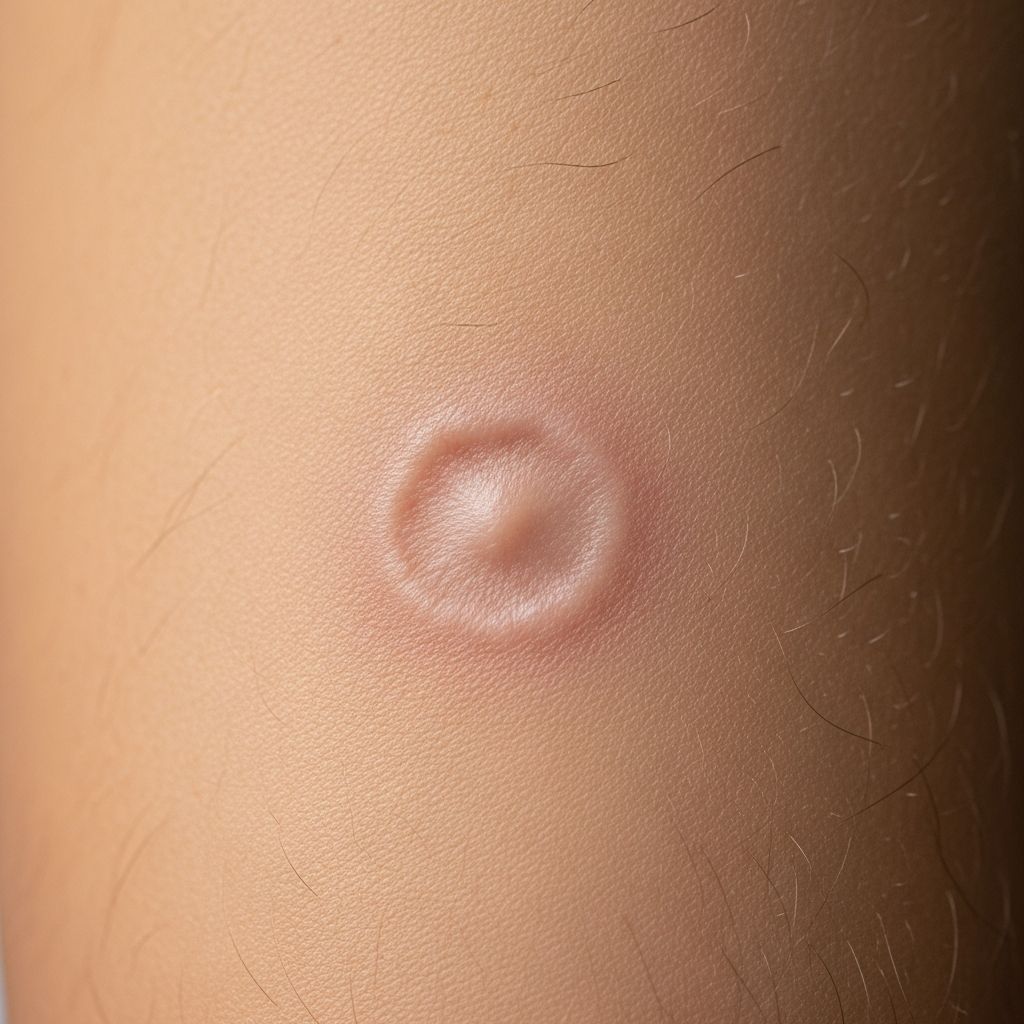
The vaccine produces a small scar at the injection site over time, serving as a natural marker of immunization. Timing aligns with national schedules; for example, it’s part of routine newborn programs in many nations via WHO’s Expanded Programme on Immunization.
| Age Group | Dose Volume | Site | Frequency |
|---|---|---|---|
| Newborns (<1 year) | 0.05 mL | Upper left arm | Single dose |
| Children >1 year | 0.1 mL | Upper left arm | Single dose |
| Adults (high-risk) | 0.1 mL | Upper left arm | Single dose |
Effectiveness Against TB and Beyond
BCG offers 70-80% protection against severe childhood TB, including miliary TB and meningitis, though less reliable against adult pulmonary disease. Its immunity wanes after 15-20 years, prompting research into boosters, which trials in Brazil and Malawi found underwhelming.
Beyond TB, BCG exhibits ‘non-specific effects,’ bolstering defenses against other infections. A 2023 meta-analysis revealed 44% lower non-TB respiratory infection risk, 33% reduced infection-related deaths, and 38% fewer sepsis cases post-vaccination. In low-birthweight infants, it cut early neonatal mortality by 38%.
Related Stories



It also mitigates leprosy (50-80% risk reduction) and certain non-tuberculous mycobacterial diseases like Buruli ulcer and M. avium lymphadenitis.
Potential Side Effects and Management
Most reactions are mild and localize to the injection site: redness, swelling, or ulceration appearing 10-14 days post-vaccination, healing into a scar within months. Common systemic effects include fever, headache, or axillary lymph node swelling, resolving spontaneously.
- Mild (common): Site soreness, low-grade fever, swollen glands.
- Rare serious: Osteitis, disseminated infection (in immunocompromised), abscesses.
Severe reactions like anaphylaxis or persistent ulcers warrant immediate medical attention. Unlike wild TB, BCG does not cause meningitis.
Important Contraindications and Precautions
As a live attenuated vaccine, BCG is contraindicated in:
- Immunosuppressed individuals (HIV, cancer, corticosteroid use, TNF-alpha blockers).
- Pregnant women, due to insufficient safety data despite no observed fetal harm.
- Those with congenital immunodeficiencies.
Screen for TB exposure via skin tests or IGRA before vaccinating older children; prior BCG can cause false-positive tuberculin results but not IGRA.
BCG in Bladder Cancer Therapy
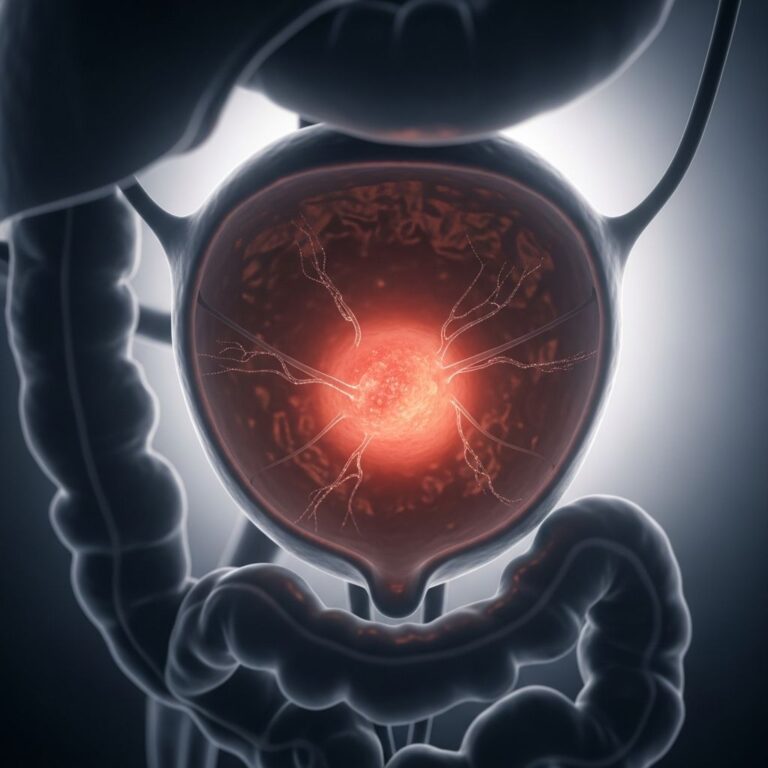
Intravesical BCG instillation treats non-muscle-invasive bladder cancer by provoking local immune responses against tumor cells. It converts tuberculin tests positive in over 50% of recipients but spares IGRA accuracy.
Global Recommendations and Impact
WHO endorses BCG universally at birth in high-TB areas, crediting it with saving over 10.9 million lives since 1974. In low-incidence countries, targeted strategies prevail for at-risk infants.
Benefits overwhelmingly surpass risks in suitable candidates, preventing severe disease and yielding heterologous protections.
Frequently Asked Questions (FAQs)
Is the BCG vaccine safe for newborns?
Yes, it’s routinely given at birth worldwide and well-tolerated, with benefits far exceeding minor local reactions.
Does BCG prevent all forms of TB?
No, it primarily guards against severe childhood forms, offering partial adult pulmonary protection.
Can BCG cause TB?
The weakened strain cannot cause active TB in healthy individuals.
What if I have a scar—am I protected?
A scar indicates vaccination but doesn’t confirm lifelong immunity; protection varies.
Is a booster dose recommended?
Studies show limited value; one dose suffices.
Historical Context and Future Prospects
Developed over a century ago, BCG remains the sole TB vaccine despite limitations, fueling next-generation candidates for broader efficacy. Ongoing trials aim to enhance durability and adult protection.
References
- Bacillus Calmette Guerin – StatPearls – NCBI Bookshelf — NCBI/NIH. 2023 (updated). https://www.ncbi.nlm.nih.gov/books/NBK538185/
- BCG vaccine — Meningitis Research Foundation. 2023 (accessed). https://www.meningitis.org/about-meningitis/vaccines/bcg-vaccine/
- Bacillus Calmette-Guerin (BCG) Vaccine — MedlinePlus/NIH. 2023 (updated). https://medlineplus.gov/druginfo/meds/a682809.html
- The Other Pandemic: The Promise of TB Vaccines — Johns Hopkins Bloomberg School of Public Health. 2023. https://publichealth.jhu.edu/ivac/the-other-pandemic-the-promise-of-tb-vaccines
- BCG vaccine for tuberculosis (TB) — NHS UK. 2023 (updated). https://www.nhs.uk/vaccinations/bcg-vaccine-for-tuberculosis-tb/
- Bacille Calmette-Guérin (BCG) Vaccine for Tuberculosis — CDC. 2023 (updated). https://www.cdc.gov/tb/hcp/vaccines/index.html
Similar Articles








Read full bio of medha deb