Beard Dandruff: Tackling Seborrheic Dermatitis
Discover effective strategies to manage seborrheic dermatitis hidden under your beard for smoother, flake-free facial hair.
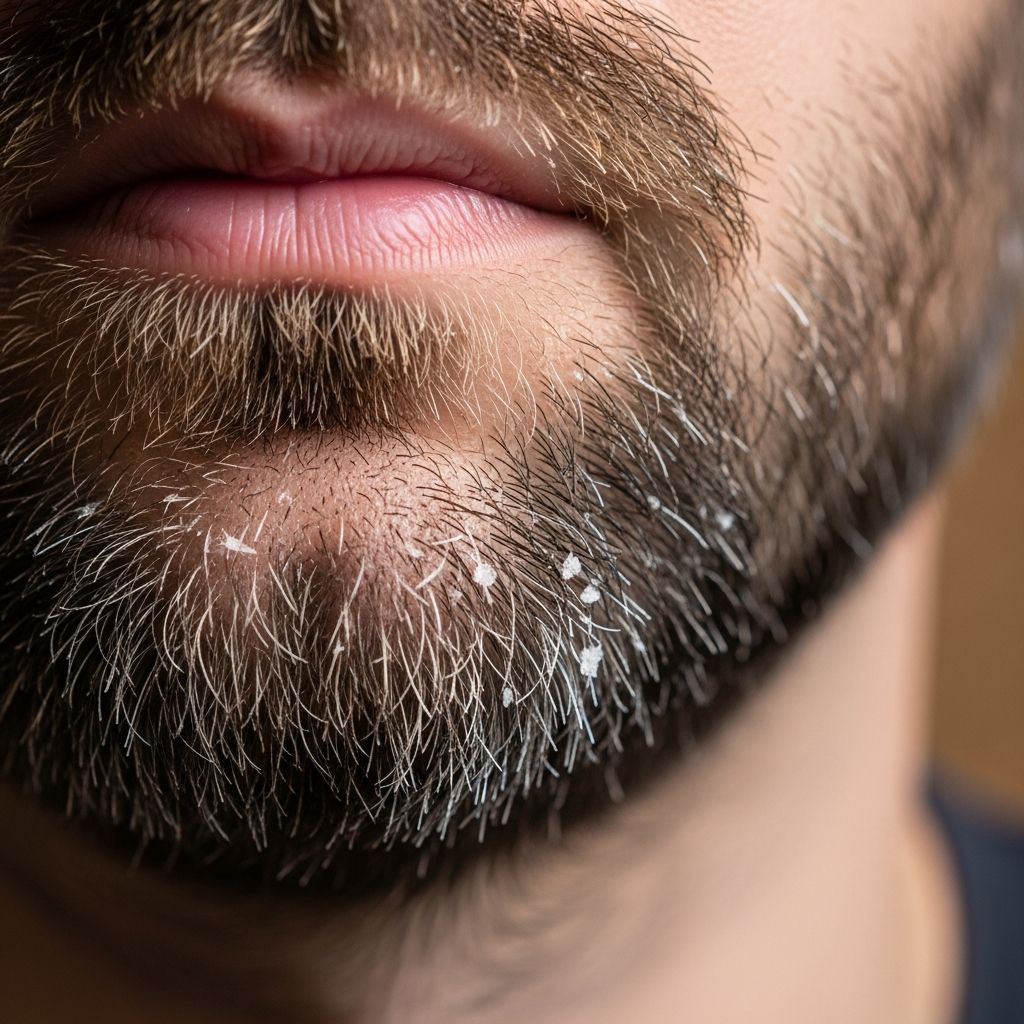
Seborrheic dermatitis manifests as a persistent skin issue in oily areas like the beard region, leading to flaking, redness, and discomfort often mistaken for poor hygiene. This condition affects many men with facial hair, causing visible scales and itchiness that disrupt daily grooming routines.
Understanding the Nature of Seborrheic Dermatitis in Facial Hair
Seborrheic dermatitis is an inflammatory disorder targeting sebaceous gland-rich zones, including the scalp, face, and beard area. Under the beard, it appears as greasy scales clinging to hair follicles, exacerbated by the moist, oil-trapping environment created by facial hair growth. Unlike simple dryness, this involves an immune response to natural skin inhabitants, resulting in accelerated skin cell turnover and visible debris.
The beard acts as a barrier, trapping oils and yeasts that fuel the condition, making it more stubborn than scalp dandruff. Symptoms flare seasonally, often worsening in colder months when skin barrier function declines.
Key Indicators of Seborrheic Dermatitis Beneath Beard Hair
- White or yellowish flakes dispersed through the beard, resembling dandruff.
- Underlying red, inflamed skin that may feel tender or irritated.
- Persistent itching, prompting frequent scratching that worsens the cycle.
- Greasy patches where scales adhere tightly to hairs.
- Occasional small pustules or bumps mimicking acne in the beard zone.
These signs distinguish it from mere dryness; the greasiness and oiliness are hallmarks tied to sebum production.
Root Causes Behind Beard-Area Flaking
The primary culprit is Malassezia, a yeast naturally residing on skin surfaces. This microbe metabolizes sebum into oleic acid, irritating sensitive skins and sparking inflammation. In genetically predisposed individuals, this reaction intensifies, leading to flaky overgrowth.
Other contributors include:
- Weakened skin barriers allowing irritant penetration.
- Stress, hormonal shifts, and cold weather that amplify flares.
- Excessive oil production in sebaceous areas like the chin and cheeks.
Importantly, it’s neither contagious nor hygiene-related; even meticulous grooming can’t prevent it alone.
Differentiating Beard Dandruff from Similar Conditions
Beard flaking can stem from psoriasis (thicker, silvery scales), eczema (extreme dryness without grease), or rosacea (persistent flushing without flakes). Fungal infections might present similarly but respond differently to treatments. A table below aids quick comparison:
| Condition | Main Features | Beard Impact |
|---|---|---|
| Seborrheic Dermatitis | Greasy yellow/white flakes, redness, itch | Clumps in hair, oily base |
| Psoriasis | Thick, dry plaques | Rarely greasy, more scaly patches |
| Rosacea | Redness, bumps, no flakes | Vascular changes, no dandruff |
| Contact Dermatitis | Itch from irritants | Localized to product contact |
Self-diagnosis risks missteps; persistent cases warrant dermatologist evaluation.
Daily Grooming Routines to Combat Flare-Ups
Related Stories



Consistent washing with antifungal agents disrupts yeast proliferation. Opt for shampoos containing ketoconazole, selenium sulfide, or zinc pyrithione, applying directly to the beard 2-3 times weekly. Lather, let sit 5 minutes, then rinse thoroughly.
- Wet beard fully.
- Apply medicated product generously.
- Massage into skin beneath hair.
- Wait 3-5 minutes for efficacy.
- Rinse and pat dry gently.
Daily, use mild, fragrance-free cleansers to avoid barrier disruption. Shaving affected areas temporarily can aid direct treatment application.
Advanced Treatment Options for Stubborn Cases
Over-the-counter remedies suffice for mild flares, but severe instances may need prescription antifungals or corticosteroids. Topical calcineurin inhibitors like pimecrolimus offer steroid-free inflammation control. For pustular variants, oral meds might be considered under medical supervision.
Long-term management involves rotation of actives to prevent resistance, alongside moisturizers sealing the skin barrier post-wash.
Lifestyle Modifications to Minimize Triggers
- Reduce stress via exercise or meditation, as it heightens flares.
- Maintain humidity in dry seasons with humidifiers.
- Avoid hot showers stripping natural oils.
- Limit alcohol-based beard products trapping yeast.
- Diet tweaks: Some note less flaking with anti-inflammatory foods, though evidence varies.
Preventive Measures for Beard Owners
Proactive steps keep seborrheic dermatitis at bay:
- Regular trims prevent matted, yeast-friendly growth.
- Oil lightly with non-comedogenic products post-wash.
- Monitor for early flakes and preempt with treatments.
- Pat, don’t rub, when drying to preserve barrier.
Beard oils with tea tree or similar antifungals provide dual grooming and therapeutic benefits, but test for sensitivity first.
When Professional Intervention is Essential
Consult a dermatologist if OTC methods fail after 4 weeks, symptoms spread beyond the beard, or signs of infection like oozing appear. They can biopsy if needed to rule out mimics and tailor therapies, especially for chronic sufferers.
Frequently Asked Questions (FAQs)
Is beard dandruff the same as seborrheic dermatitis?
Yes, beard dandruff typically indicates seborrheic dermatitis, driven by Malassezia yeast reaction.
Can shaving cure it?
Shaving aids treatment access but doesn’t cure; regrowth may reintroduce symptoms without maintenance.
Does diet influence seborrheic dermatitis?
While not primary, reducing sugars may curb yeast indirectly, per anecdotal reports.
Is it safe for all skin tones?
Symptoms vary; darker skins show lighter or darker rashes rather than red.
How long until improvement?
Most see relief in 1-2 weeks with consistent medicated washing.
Long-Term Outlook and Maintenance
Seborrheic dermatitis is chronic but manageable; most achieve control balancing treatments and habits. Patience and persistence yield flake-free beards, boosting confidence without constant worry.
References
- Seborrheic Dermatitis on the Face: Causes & Treatment — Spring Dermatology MD. 2023. https://springsdermatologymd.com/article/32-seborrheic-dermatitis-on-the-face–causes-symptoms–what-you-can-do
- What is Beard Dandruff and How to Treat it — Head & Shoulders. 2024. https://headandshoulders.com/en-us/healthy-hair-and-scalp/dandruff/beard-dandruff-explained
- Beard Dandruff: How Do You Treat It? — WebMD. 2023. https://www.webmd.com/skin-problems-and-treatments/how-to-treat-beard-dandruff
- Seborrheic Dermatitis — University of Michigan Health Sparrow. 2025. https://www.uofmhealthsparrow.org/departments-conditions/conditions/seborrheic-dermatitis
- Seborrheic Dermatitis – Causes, symptoms, and treatment — Loma Linda University Health. 2024. https://lluh.org/conditions/seborrheic-dermatitis
- Itchiness, Acne, and Skin Irritation: How to Solve Your Facial Hair … — Yale Medicine. 2023. https://www.yalemedicine.org/news/beard-mustache-skin-problems
- Seborrheic Dermatitis: Symptoms, Causes & Treatment — Cleveland Clinic. 2025. https://my.clevelandclinic.org/health/diseases/14403-seborrheic-dermatitis
Similar Articles








Read full bio of medha deb