Beat the Chill: Why Movement Matters for Your Joints in Cold Weather
Discover how staying active combats joint stiffness and pain during winter, with expert tips for indoor exercises and overall joint health.
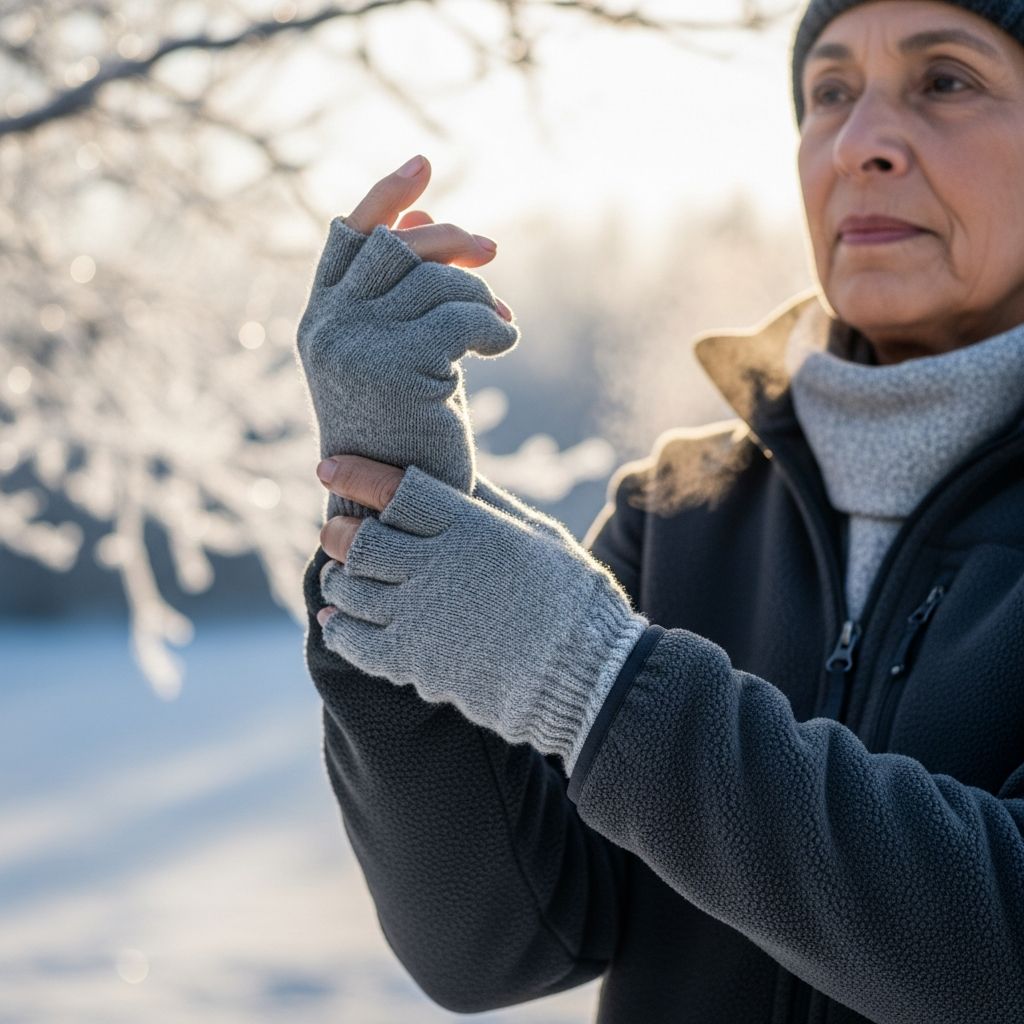
For individuals with joint issues like arthritis, cold weather often intensifies pain and stiffness, turning winter into a challenging season. While festive lights and celebrations bring joy, plummeting temperatures can make joints feel achier and less mobile.
Dr. Nurul Ahad, Consultant Orthopaedic Surgeon and Medical Director at Practice Plus Group, UK, emphasizes that although the urge to stay indoors is strong, maintaining activity is vital for joint health. This article delves into how winter affects joints, the benefits of movement, indoor exercise options, mental health connections, and strategies to avoid a sedentary lifestyle.
How Winter Weather Affects Your Joints
As cold-weather alerts from agencies like the UK Health Security Agency highlight winter risks, those with arthritis frequently report increased joint stiffness and pain when temperatures drop. The synovial fluid, which lubricates joints and absorbs shock, thickens in colder conditions, reducing its effectiveness and causing stiffness.
Dr. Ahad explains: “In colder weather, the synovial fluid in your joints becomes thicker and less effective, making them stiffer.” Low atmospheric pressure contributes by causing tissue expansion around joints, leading to swelling and discomfort. Nerves also become hypersensitive to pain signals.
Supporting evidence from UChicago Medicine notes that cold prompts blood vessels to constrict, limiting blood flow to joints and heightening pain perception. Franciscan Health adds that reduced activity in winter further impairs joint lubrication, as movement naturally signals the brain to dispatch lubricating fluid. Atmospheric changes may expand joint linings, exacerbating issues for those with arthritis or injuries.
Patient.info research suggests that while the exact mechanisms remain unclear, decreased activity leads to stiffness, amplifying pain sensations. Weill Cornell Medicine corroborates that barometric pressure shifts thicken synovial fluid and reduce circulation, explaining widespread winter joint complaints.
The Power of Staying Active
The most effective counter to winter’s joint challenges is consistent physical activity. Dr. Ahad states that movement supports bone health, enhances cardiovascular function, and helps maintain a healthy weight, reducing joint pressure.
Regular exercise lubricates joints by promoting synovial fluid circulation, strengthens supporting muscles, and combats inflammation. Arthritis Foundation insights indicate lower temperatures thicken synovial fluid, but activity mitigates this by keeping it flowing.
LCMC Health and Cameron Health stress that even modest movement prevents muscle weakening and maintains range of motion, crucial for those prone to winter aches. Dr. Lucian Warth from Franciscan Health recommends low-impact activities like walking or swimming to keep joints flexible without strain.
- Joint lubrication: Movement stimulates synovial fluid production and distribution.
- Muscle support: Stronger muscles around joints reduce stress and improve stability.
- Weight management: Lower body weight eases joint load, vital during holiday indulgences.
- Bone density: Weight-bearing exercises preserve bone health.
Indoor Exercise for Cold Days
When outdoor cold deters exercise, indoor options provide safe alternatives. Dr. Ahad advocates gentle stretches, stationary cycling, or resistance bands to preserve mobility and build strength from home.
Related Stories



These activities require minimal space and no exposure to icy conditions. Online videos offer guided routines tailored for joint issues, deliverable in short daily sessions. UChicago Medicine endorses indoor walking, stretching, and heat application pre-outdoor activity.
Franciscan Health suggests simple indoor walks or pet play, while Cameron Health promotes consistent mobility exercises to avoid pain cycles.
| Exercise Type | Benefits | Duration Suggestion |
|---|---|---|
| Gentle Stretches | Improves flexibility, reduces stiffness | 10-15 minutes daily |
| Stationary Bike | Low-impact cardio, joint lubrication | 20-30 minutes |
| Resistance Bands | Builds muscle strength around joints | 15 minutes, 3x/week |
| Yoga/Pilates | Enhances balance, core stability | 20 minutes |
Incorporate these into routines for cumulative benefits without weather risks.
Staying Active for Both Body and Mind
Exercise transcends physical gains, boosting mental health and pain tolerance. Dr. Ahad notes activity elevates mood, with psychological wellbeing directly influencing pain perception. Combined with healthy eating and sleep, it optimizes joint comfort.
Research links endorphin release from exercise to reduced pain sensitivity, countering winter blues. Positive outlooks, per UChicago Medicine, alongside sleep and nutrition, fortify resilience against aches.
A holistic approach—movement, diet, rest—creates a virtuous cycle for joint and mental health.
Push Past the Couch This Season
Resist hibernation; sedentary habits harm joints most in winter. Inactivity accelerates stiffness, weakness, and pain, especially for arthritis sufferers.
Prioritize sensible activity: layer clothing for warmth, eat anti-inflammatory foods like omega-3-rich fish and greens, apply heat moderately. NHS advises home heating to 18°C for vulnerable groups.
Dr. Warth urges adapting routines to personal needs, listening to your body. Proactive steps yield benefits: less pain, better mobility, enhanced wellbeing.
Frequently Asked Questions (FAQs)
Does cold weather cause arthritis?
No, cold doesn’t cause arthritis but worsens symptoms via synovial thickening and reduced activity.
What are the best indoor exercises for joint pain?
Gentle stretches, cycling, resistance training, and yoga maintain mobility safely.
How does low pressure affect joints?
It expands tissues, causing swelling and nerve sensitivity, amplifying discomfort.
Can diet help winter joint pain?
Yes, omega-3s, greens reduce inflammation; weight control eases joint stress.
Is heat therapy effective?
Yes, it relaxes muscles and boosts circulation, but pair with movement.
References
- Beat the chill: why movement matters for your joints in cold weather — Patient.info. 2023. https://patient.info/features/bones-joints-muscles/beat-the-chill-why-movement-matters-for-your-joints-in-cold-weather
- Arthritis Survival Guide: Cold Weather Tips For Joint Pain Relief — Franciscan Health. 2023. https://www.franciscanhealth.org/community/blog/arthritis-cold-weather-tips
- 6 Steps to Alleviating Joint Pain in Cold Weather — Cameron Health. 2023. https://cameronhealth.com/health-library/6-steps-to-alleviating-joint-pain-in-cold-weather/
- Can winter weather make joint pain worse? — Patient.info. 2023. https://patient.info/features/bones-joints-muscles/can-winter-weather-make-joint-pain-worse
- It’s cold outside! Do your joints hurt? — UChicago Medicine. 2021-01-01. https://www.uchicagomedicine.org/forefront/prevention-and-screening-articles/2021/january/its-cold-outside-do-your-joints-hurt
- Leaving Aches and Pains Out in the Cold This Winter — Weill Cornell Medicine. 2023. https://weillcornell.org/news/leaving-aches-and-pains-out-in-the-cold-this-winter
- Best Climate for Arthritis Patients: Humidity’s Impact on Your Joints — Arthritis Foundation. 2023. https://www.arthritis.org/health-wellness/healthy-living/managing-pain/understanding-pain/best-climate-for-arthritis
Similar Articles








Read full bio of medha deb