Becoming a Vegetarian: Benefits, Planning & Nutrition
Complete guide to transitioning to vegetarianism with health benefits and nutritional planning.
Becoming a Vegetarian: A Comprehensive Guide to Plant-Based Living
Vegetarianism has become an increasingly popular dietary choice for millions of people worldwide. Whether motivated by health concerns, environmental consciousness, or ethical beliefs, adopting a vegetarian lifestyle can be a rewarding journey. However, transitioning to a plant-based diet requires careful planning to ensure you receive all the essential nutrients your body needs. This comprehensive guide will help you navigate the process of becoming a vegetarian and thriving on a meat-free diet.
Why Choose a Vegetarian Diet?
The decision to become vegetarian is deeply personal, but research consistently demonstrates significant health benefits associated with plant-based eating. Vegetarian diets are associated with a reduced risk of developing cardiovascular disease, type 2 diabetes, hypertension, and certain types of cancer. A notable researcher from Harvard University estimates that shifting toward a healthy, more plant-based diet could prevent approximately one-third of preventable deaths, emphasizing that this isn’t limited to cancer-related mortality but extends across all major causes of death.
Beyond individual health advantages, vegetarian diets also benefit the environment. Diets that are good for human health tend to be equally beneficial for environmental health, with plant-based eating patterns showing significantly lower greenhouse gas emissions, reduced water usage, and decreased agricultural inputs compared to diets high in red meat and processed meats.
Health Benefits of Vegetarian Diets
Numerous scientific studies have documented the positive effects of well-planned vegetarian diets on various aspects of health:
Cardiovascular Health
One of the most well-documented benefits of vegetarianism is improved heart health. A meta-analysis of clinical trials and observational studies found that consumption of a vegetarian diet was associated with lower blood pressure. Research also indicates that vegetarians typically have lower levels of cholesterol and blood pressure compared to non-vegetarians, which significantly reduces cardiovascular risk factors.
Weight Management and Metabolic Health
Well-educated vegetarians who consume balanced diets tend to have lower body weights than non-vegetarians. For individuals with type 2 diabetes, randomized clinical trials have demonstrated that vegetarian diets can significantly reduce fasting glucose levels and glycosylated haemoglobin (HbA1c), as well as LDL cholesterol and body weight. In fact, after controlling for weight changes, long-term adherence to a diet incorporating weekly meat intake was associated with a 38% higher risk of type 2 diabetes compared with a vegetarian diet with no meat intake.
Chronic Disease Prevention
Prospective studies suggest that consuming vegetarian diets is associated with reduced risk of developing multiple chronic conditions including diabetes, hypertension, dementia, and various cancer types. The protective mechanisms behind these benefits include lipid-lowering effects, glucose regulation, improved insulin sensitivity, protection against oxidative stress and inflammation, and the production of beneficial intestinal microbial metabolites.
Understanding Different Types of Vegetarian Diets
Vegetarianism isn’t a one-size-fits-all dietary approach. There are several variations, each with different levels of animal product inclusion:
| Diet Type | Description | Foods Included |
|---|---|---|
| Lacto-ovo vegetarian | Most common form of vegetarianism | Plant foods, dairy products, and eggs |
| Lacto-vegetarian | Excludes eggs but includes dairy | Plant foods and dairy products |
| Ovo-vegetarian | Excludes dairy but includes eggs | Plant foods and eggs |
| Vegan | Strictest form of vegetarianism | Only plant-based foods, no animal products |
| Pescatarian | Includes fish but no other meat | Plant foods, dairy, eggs, and fish |
Related Stories



Essential Nutrients in a Vegetarian Diet
While well-planned vegetarian diets can provide all necessary nutrients, certain nutrients require special attention. Being aware of these will help you maintain optimal health:
Protein
Contrary to popular misconception, obtaining adequate protein on a vegetarian diet is straightforward. Legumes, nuts, seeds, tofu, tempeh, and whole grains all provide substantial protein. Combining different plant-based protein sources throughout the day ensures you receive all nine essential amino acids your body requires.
Vitamin B12
This is the one nutrient that vegetarians and especially vegans must carefully monitor. Vitamin B12 is naturally found primarily in animal products. Vegetarians should consume fortified plant-based foods or consider B12 supplements to prevent deficiency, which can lead to serious neurological problems if left untreated.
Iron
While plant-based foods contain iron, the non-heme iron found in plants is less readily absorbed than heme iron from animal sources. Consuming iron-rich plant foods (legumes, leafy greens, fortified cereals) alongside vitamin C sources (citrus fruits, tomatoes, bell peppers) enhances iron absorption significantly.
Calcium and Bone Health
Vegetarians can obtain adequate calcium from fortified plant-based milks, leafy greens, legumes, and seeds. However, some vegetarians, particularly vegans, may face increased risk of bone fractures if they do not carefully plan their diets and ensure adequate calcium, vitamin D, and vitamin K intake.
Omega-3 Fatty Acids
Plant-based sources of omega-3 fatty acids, such as flaxseeds, chia seeds, and walnuts, may not be as readily converted to the active forms needed by your cardiovascular system as omega-3s obtained from oily fish. Vegans and vegetarians may benefit from algae-based supplements or regular consumption of plant sources combined with adequate alpha-linolenic acid intake.
Additional Nutrients
Vegetarians should also monitor intake of riboflavin, zinc, and other micronutrients that may require conscious planning in plant-based diets.
Quality Matters: Choosing Healthy Plant-Based Foods
It’s important to understand that not all vegetarian diets are equally healthy. The key difference lies in what replaces animal products in your diet. As Harvard nutrition researchers explain, if you replace red meat with soda, refined starches, and sugar, you will probably not be better off and might be even worse off. However, if you replace it with a mix of nuts, beans, soy foods, and whole grains, you will have lower risks of heart disease, diabetes, and total mortality.
This distinction means that eating a vegetarian burger from a fast-food restaurant with large fries and soda is not equivalent to eating a tofu stir-fry with brown rice and plenty of vegetables. Focusing on minimally processed whole grains, fresh vegetables, legumes, fruits, nuts, and plant-based oils provides maximum nutritional benefit.
Transitioning to Vegetarianism: Practical Steps
Start Gradually
You don’t need to eliminate all meat at once. Many people find success by gradually reducing meat consumption, starting with one or two meatless days per week and progressively increasing frequency.
Explore New Foods
Use this transition as an opportunity to discover new cuisines and ingredients. Experiment with different legumes, grains, vegetables, and plant-based proteins to find combinations you enjoy.
Plan Your Meals
Take time to plan meals that include a variety of plant foods. This ensures nutritional balance and prevents monotony that might undermine your commitment.
Learn to Cook
Developing cooking skills will help you prepare satisfying vegetarian meals at home, reducing reliance on processed vegetarian products.
Consult Healthcare Providers
Before making significant dietary changes, consult with your doctor or a registered dietitian. They can provide personalized guidance and recommend appropriate supplements if needed.
Creating a Balanced Vegetarian Plate
A healthy vegetarian meal should include:
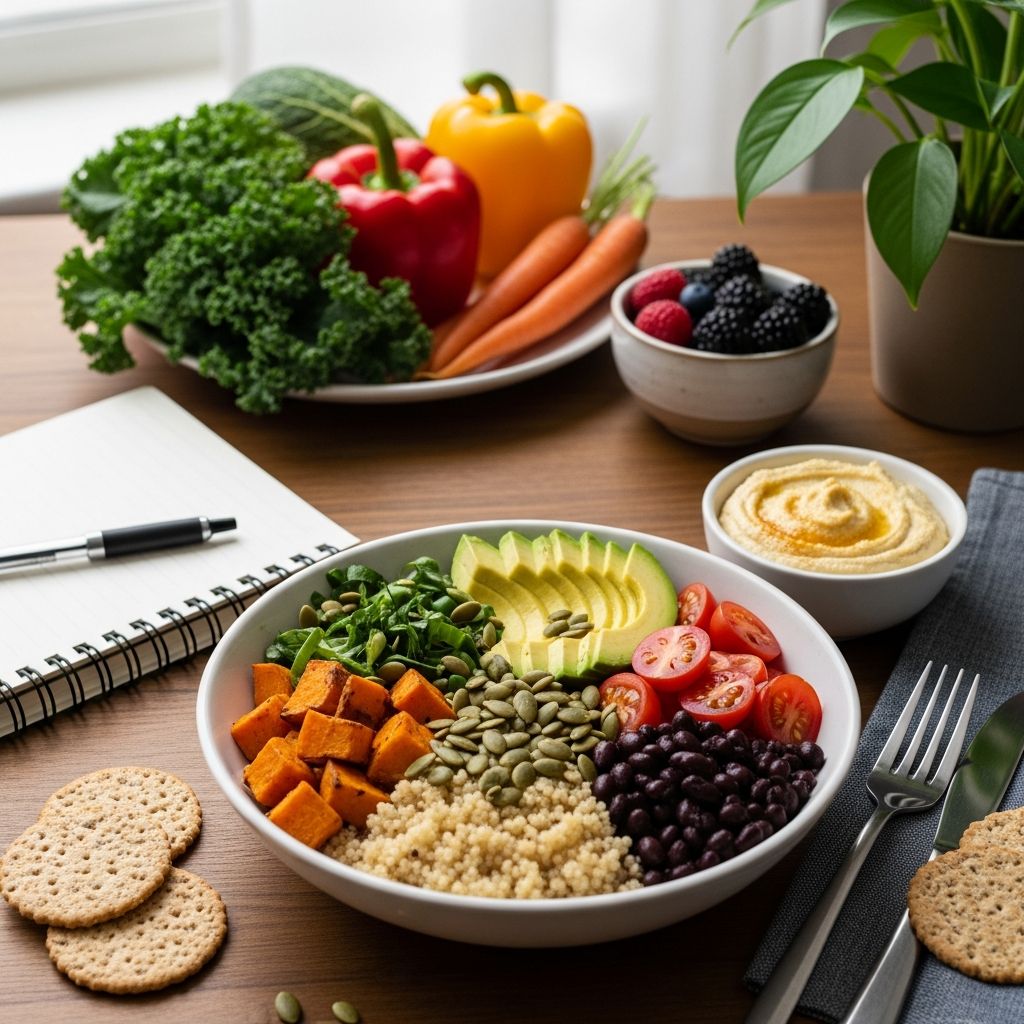
– Whole grains or starchy vegetables (one-quarter of the plate)- Legumes, nuts, seeds, or soy products (one-quarter of the plate)- Vegetables and fruits (one-half of the plate)- Healthy fats from oils, nuts, and seeds- Fortified plant-based milk or other calcium sources- A reliable source of vitamin B12
Common Challenges and Solutions
Nutritional Deficiencies
Challenge: Ensuring adequate intake of B12, iron, calcium, and omega-3 fatty acids. Solution: Use fortified foods, supplements, and careful meal planning with variety.
Social Situations
Challenge: Navigating restaurants and social gatherings with limited vegetarian options. Solution: Research menus beforehand, communicate dietary preferences clearly, and bring a dish to share at gatherings.
Food Cravings
Challenge: Missing familiar flavors and textures from meat-based meals. Solution: Explore meat substitutes and learn to prepare satisfying plant-based versions of favorite dishes.
The Importance of a Healthy, Balanced Vegetarian Diet
The most critical factor in successful vegetarianism is ensuring your diet is healthy and balanced. Like all diets, whether vegetarian or not, if you’re thinking of making a change, it’s essential to focus on consuming whole, minimally processed plant foods rather than relying heavily on processed vegetarian products. A diet rich in vegetables, whole grains, legumes, fruits, nuts, seeds, and plant-based oils provides the full spectrum of nutrients your body needs to thrive.
Frequently Asked Questions
Q: Will I get enough protein on a vegetarian diet?
A: Yes, with proper planning. Legumes, nuts, seeds, whole grains, soy products, and dairy or eggs (if included) all provide adequate protein. Combining different plant-based sources throughout the day ensures you receive all essential amino acids.
Q: Do I need to take supplements as a vegetarian?
A: Vitamin B12 supplementation is essential for all vegetarians and vegans. Depending on your diet composition, you may also need supplements for vitamin D, iron, calcium, omega-3 fatty acids, or other nutrients. Consult a healthcare provider for personalized recommendations.
Q: Can children thrive on a vegetarian diet?
A: Yes, children can be healthy vegetarians with careful planning to ensure adequate protein, iron, calcium, vitamin B12, and other essential nutrients. Consult a pediatric dietitian to ensure your child’s nutritional needs are met.
Q: Is a vegetarian diet more expensive than a meat-based diet?
A: Not necessarily. While some specialty vegetarian products are expensive, staple plant-based foods like beans, lentils, rice, and seasonal vegetables are often quite affordable.
Q: How quickly will I see health benefits from becoming vegetarian?
A: Some benefits like improved digestion and increased energy may be noticed within days or weeks. Others, like reduced cardiovascular disease risk, develop over months and years of consistent healthy eating.
Q: What’s the difference between vegetarian and vegan diets?
A: Vegetarians exclude meat but may eat dairy and eggs. Vegans exclude all animal products, including dairy, eggs, and honey. Vegans require more careful nutritional planning, particularly regarding B12, calcium, and omega-3 fatty acids.
Q: Can I maintain a vegetarian diet while dining out?
A: Yes, most restaurants now offer vegetarian options or can modify dishes. Research menus online beforehand and don’t hesitate to ask servers about ingredients and preparation methods.
References
- Harvard Professor Says This Kind Of Diet Would Cut Preventable Deaths By A Third — IFLScience. 2023-11-15. https://www.iflscience.com/harvard-professor-says-this-kind-of-diet-would-cut-preventable-deaths-by-a-third-47414
- Vegetarian and vegan diets: benefits and drawbacks — National Center for Biotechnology Information (NCBI/PMC). 2023-10-17. https://pmc.ncbi.nlm.nih.gov/articles/PMC10516628/
- Vegetables and Fruits — The Nutrition Source — Harvard T.H. Chan School of Public Health. 2024. https://nutritionsource.hsph.harvard.edu/what-should-you-eat/vegetables-and-fruits/
- Healthy People, Healthy Planet — Harvard Magazine. 2023-02. https://www.harvardmagazine.com/2023/02/right-now-plant-based-diet-environment
Similar Articles








Read full bio of medha deb