Bed Bug Bites: Symptoms, Treatment, And Prevention Guide
Identify, treat, and prevent bed bug bites with expert guidance on symptoms, risks, and eradication strategies.
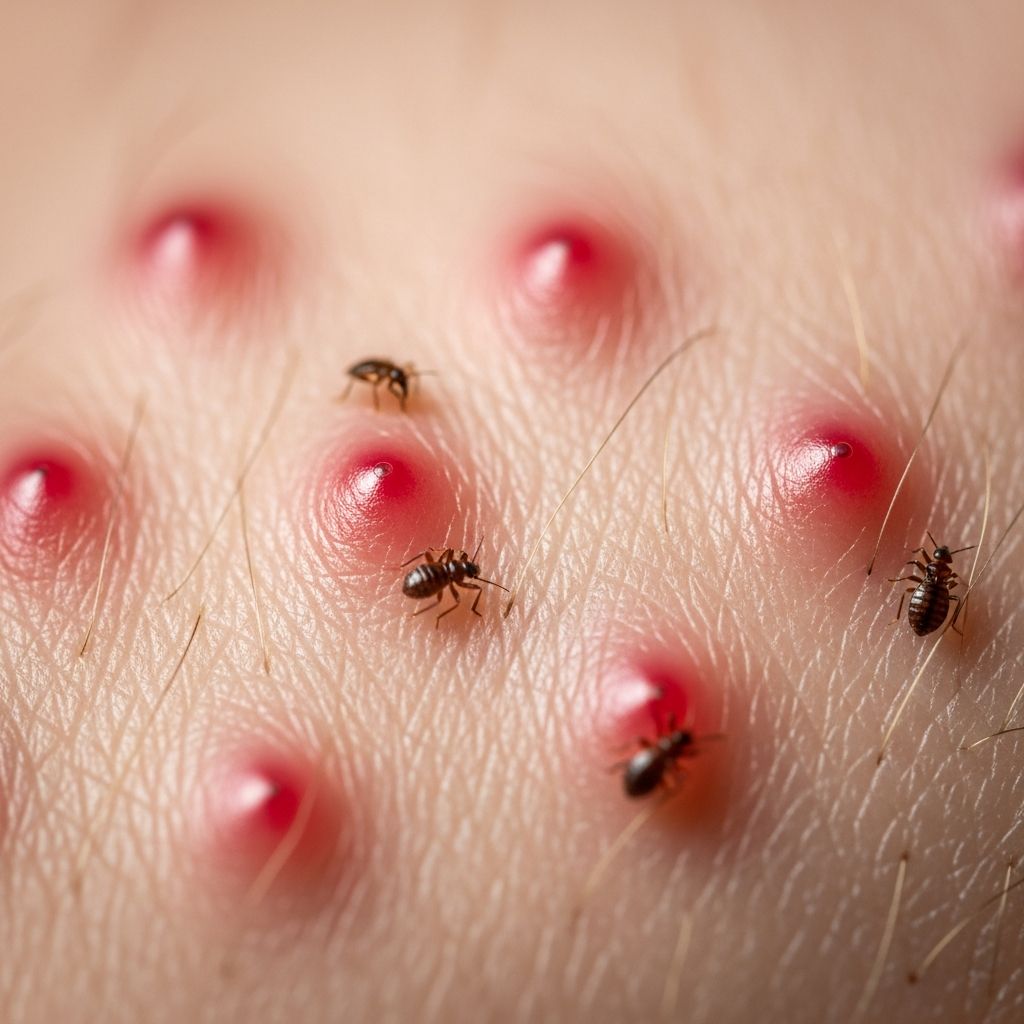
Bed bug bites are itchy, red welts caused by small, blood-feeding insects that hide in bedding and furniture, primarily active at night. These pests do not transmit diseases but can lead to discomfort, sleep disruption, and secondary infections from scratching.
What Are Bed Bugs?
Bed bugs (Cimex lectularius and Cimex hemipterus) are small, flat, wingless insects measuring 1-7 mm long, resembling the size of an apple seed or Lincoln’s head on a penny. They feature reddish-brown oval bodies and feed on human or animal blood, typically at night between 2-5 a.m. After feeding, they swell and become more elongated. These resilient pests can survive months without a meal and hide in tiny cracks during the day.
Unlike fleas or mosquitoes, bed bugs do not fly or jump; they crawl up to 100 feet nightly but prefer staying within 8 feet of sleeping areas. They thrive in warm environments and are experts at evasion, squeezing into spaces as narrow as a credit card’s thickness.
Symptoms of Bed Bug Bites
Bed bug bites inject an anesthetic and anticoagulant, so victims often do not feel them during the act. Reactions appear 1-14 days later, varying by individual sensitivity. Common symptoms include:
- Itchy, inflamed red welts, 1-5 mm wide, often with a darker central spot.
- Bites in straight lines, clusters, or random patterns (“breakfast, lunch, dinner” pattern).
- Common locations: face, neck, arms, hands, and exposed skin during sleep.
- Intense itching leading to anxiety, insomnia, and potential secondary bacterial infections from scratching.
Some experience no reaction, while others develop blisters, hives, or severe swelling. Rarely, bites trigger allergic responses like enlarged marks or anaphylaxis, warranting immediate medical attention.
Bed Bug Bite Appearance
Bed bug bites resemble mosquito or flea bites: slightly swollen, red, and irritating. They may appear as small, flat or raised bumps in rows or groups, distinguishing them from single flea bites. Differentiate by pattern—linear or clustered on exposed areas—and delayed onset. Photos often show pink/red welts evolving to purple bruises over days.
| Bite Type | Appearance | Common Pattern |
|---|---|---|
| Bed Bug | Red, itchy welts with dark center | Line or cluster on exposed skin |
| Mosquito | Single swollen red bump | Random, isolated |
| Flea | Small red dots, very itchy | Lower legs, grouped but scattered |
This table aids quick visual identification; consult a doctor for uncertain rashes.
Do Bed Bugs Carry Disease?
Bed bugs do not spread diseases to humans, unlike mosquitoes or ticks. No pathogens like Lyme or West Nile have been linked. However, bites cause psychological distress, sleep loss, and rare allergic reactions. Intense scratching risks cellulitis or impetigo.
Where Do Bed Bugs Hide?
Infestations center around sleeping areas in homes, hotels, dorms, apartments, shelters, cruise ships, and public transport. Prime hiding spots include:
- Seams, tufts, and folds of mattresses and box springs.
- Bed frames, headboards, and nearby furniture.
- Cracks in walls, floors, baseboards, and behind wallpaper or peeling paint.
- Electrical outlets, light switches, dressers, and upholstered items.
- Luggage, clothing, and boxes.
Related Stories



They emit a musty odor in heavy infestations and travel via shared items.
Signs of Bed Bug Infestation
Bite marks are initial clues, but confirm with:
- Rusty blood spots or fecal specks (black ink-like dots) on sheets, mattresses, or walls.
- Shed exoskeletons (pale yellow skins) from molting nymphs.
- Live bugs or eggs (tiny white ovals) in crevices.
- Sweet, musty smell in advanced cases.
- Blood stains from crushed bugs.
Inspect meticulously with a flashlight; bites alone may mimic other insects.
Bed Bug Bite Treatment
Most bites resolve in 1-2 weeks without intervention. Manage symptoms:
- Clean with soap/water; apply antiseptic lotion or hydrocortisone cream for itching.
- Oral antihistamines (e.g., diphenhydramine) reduce swelling and itch.
- Cold compresses soothe inflammation; avoid scratching to prevent infection.
- For severe reactions: prescription steroids or antibiotics if infected.
Seek medical help for anaphylaxis (hives, breathing difficulty), fever, or pus-filled lesions.
Treating a Bed Bug Infestation
DIY attempts often fail due to resistance; hire licensed professionals using integrated pest management (IPM):
- Heat treatments (120°F+ kills all stages).
- Insecticides targeting eggs/nymphs/adults.
- Vacuuming, steam cleaning, mattress encasements.
- Launder/dry clothes at high heat (>120°F for 30+ min).
Prepare by decluttering; expect multiple visits. Costs vary but prevent recurrence.
Preventing Bed Bugs
Minimize risks through vigilance:
- Inspect hotel beds/seams; elevate luggage on racks.
- Wash/travel bags in dryers upon return.
- Use mattress/box spring encasements.
- Check secondhand furniture/clothes.
- Wear protective pajamas covering skin.
- Seal cracks; reduce clutter.
Frequent travelers face higher risks in high-turnover places.
When to See a Doctor for Bed Bug Bites
Consult if:
- Bites spread rapidly or cause hives/blisters.
- Signs of infection: increasing redness, pus, fever.
- Suspected allergy: swelling, nausea, breathing issues.
- Infestation suspected for eradication advice.
Dermatologists confirm via history/exam; patch tests rule out allergies.
Frequently Asked Questions (FAQs)
What do bed bug bites look like?
Small, red, itchy welts in lines or clusters on exposed skin, appearing days after bites.
Do bed bugs spread diseases?
No, they do not transmit diseases to humans.
How long do bed bug bites last?
Typically 1-2 weeks; itching may persist longer.
Can I treat bed bugs myself?
Limited success; professionals recommended for complete eradication.
Where do bed bugs come from?
Travel via luggage, furniture, clothing from infested areas.
References
- About Bed Bugs — Centers for Disease Control and Prevention (CDC). 2024. https://www.cdc.gov/bed-bugs/about/index.html
- Bedbug Bites — American Academy of Pediatrics (HealthyChildren.org). Accessed 2026. https://www.healthychildren.org/English/health-issues/conditions/from-insects-animals/Pages/Bedbug-Bites.aspx
- Bedbugs – Symptoms and Causes — Mayo Clinic. 2024-01-05. https://www.mayoclinic.org/diseases-conditions/bedbugs/symptoms-causes/syc-20370001
- Bedbug Bites — StatPearls, NCBI Bookshelf. 2023. https://www.ncbi.nlm.nih.gov/books/NBK538128/
Similar Articles








Read full bio of medha deb