Bed Bug Bites: Identification, Relief, and Prevention
Complete guide to identifying bed bug bites, finding relief, and preventing future infestations.
Understanding Bed Bug Bites: A Comprehensive Guide
Bed bugs are small parasitic insects that feed exclusively on human blood, making them one of the most common household pests worldwide. These insects do not discriminate between fancy hotels and ordinary homes, and they have become increasingly prevalent in recent years. Understanding bed bug bites is essential for proper identification, treatment, and prevention. This guide provides detailed information on recognizing bed bug bites, obtaining relief from itching and discomfort, and implementing strategies to prevent future infestations.
What Are Bed Bugs and How Do They Feed?
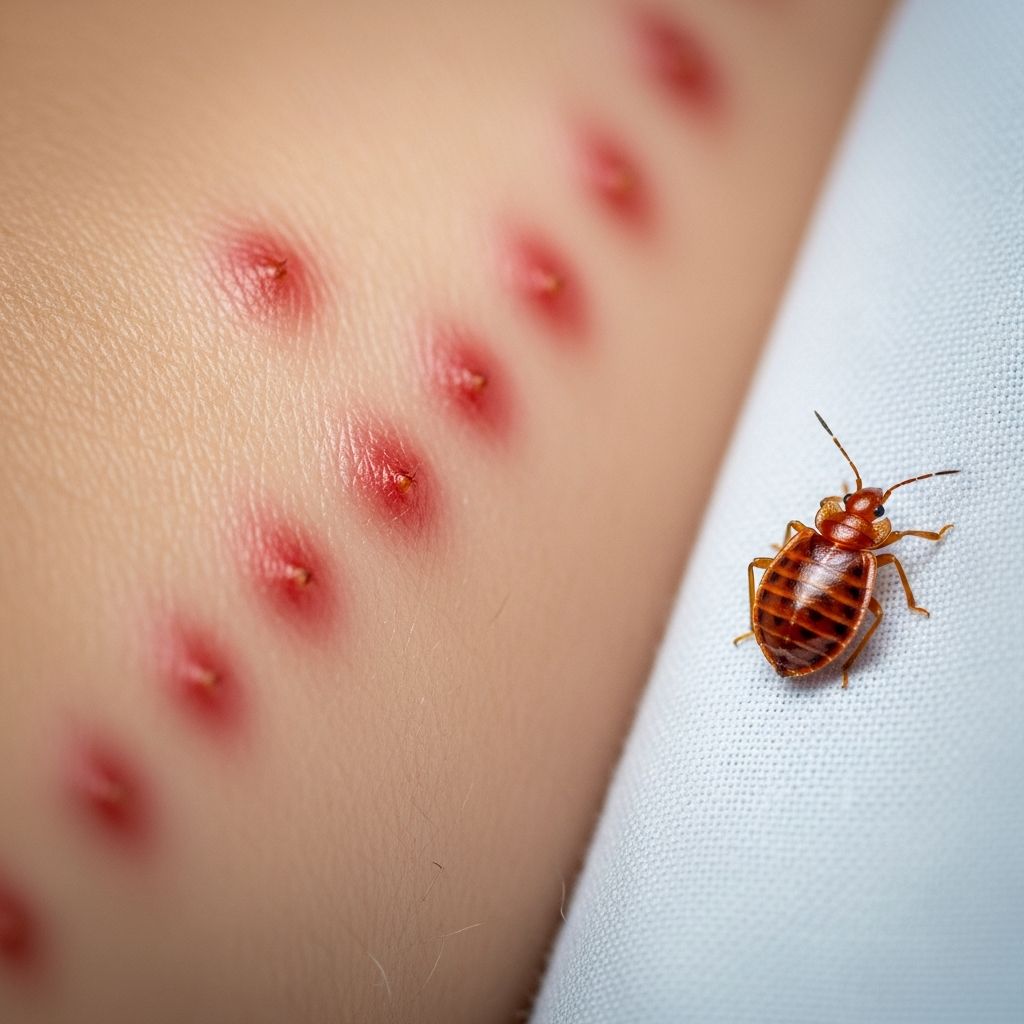
Bed bugs are small, flat, reddish-brown insects approximately one-eighth of an inch in length. These nocturnal pests are attracted to the carbon dioxide and body heat that humans emit during sleep. They are shy creatures that hide during daylight hours in cracks, crevices, mattress seams, box springs, bed frames, and upholstered furniture, emerging only at night to feed.
When a bed bug bites, it injects saliva into the bloodstream of its host. This saliva serves two purposes: it thins the blood to prevent coagulation and numbs the exposed skin so the host typically remains unaware of the bite. This numbing effect allows the bed bug to feed undisturbed for two to ten minutes before retreating to its hiding place. The saliva is responsible for the intense itching and welts that develop after feeding, and the delayed onset of itching gives the feeding bed bug time to escape before the host notices the bite.
Identifying Bed Bug Bites
Physical Appearance of Bites
Bed bug bites present with considerable variation in appearance among different individuals. Bites may appear as very small red marks or develop into larger red areas with noticeable swelling around them. The appearance and severity depend on individual sensitivity to bed bug saliva, which can change over time. Some people may develop stronger reactions to subsequent bites, while others may become less reactive.
A distinctive pattern associated with bed bug bites is the presence of three to four bites forming a line or curve on the body. This pattern, known as the “breakfast, lunch, and dinner” pattern, results from a single bed bug feeding multiple times in a line as it moves across the skin. However, it is important to note that a single bed bug will often produce more than one bite during the night, so the relationship between bites and individual insects is not always one-to-one.
Location of Bites
Bed bug bites tend to appear on areas of the body that are exposed during sleep, including the face, neck, arms, hands, and torso. The insects can access these exposed areas as you sleep, making them primary targets for feeding. Occasionally, bites may also appear on the legs and other body parts, depending on sleeping position and the extent of infestation.
Timeline of Bite Development
An important characteristic of bed bug bites is the delayed onset of itching. In many cases, individuals do not notice itches from bites until the next day or even several days later. This delay makes it difficult to identify the exact date when bed bugs first appeared, as bites are usually the first clue of an infestation. Some people may not develop any visible reaction to bites at all, even in cases of significant infestations.
Related Stories



Distinguishing Bed Bug Bites from Other Insect Bites
Accurate identification of bed bug bites is challenging because numerous other insects and arthropods produce similar itchy welts. Spiders, fleas, mites, ticks, mosquitoes, and lice can all cause itchy bites that may resemble bed bug bites. Additionally, some skin conditions that are not caused by insects at all may appear similar to insect bites. Dermatologists may recognize skin rashes, allergies, and other conditions that are not actually insect bites.
Because individuals react differently to bed bug bites and their own reaction can decrease or increase in sensitivity over time, it is very difficult to diagnose the presence of bed bugs from looking at bites in isolation. For this reason, medical professionals often recommend a follow-up inspection whenever they suggest that a bite is “consistent” with bed bug bites. To be absolutely certain that bed bugs are responsible for your bites, you should collect a specimen and have it identified by an expert such as a dermatologist or pest control professional.
Detecting Bed Bugs Beyond Bite Identification
Visual Inspection Techniques
To confirm that bed bugs are present in your home, look for the insects themselves or physical evidence of their presence. Bed bugs are visible to the naked eye when you know where to look. During the day, inspect mattress seams, box springs, bed frames, upholstered furniture, and cracks in walls and furniture. Since bed bugs are nocturnal and shy, daylight inspection may not reveal them. If daylight inspection is unsuccessful, wait until after midnight when the bedroom is quiet and dark, then suddenly switch on a light and quickly inspect typical hiding locations.
Other Signs of Infestation
Beyond finding the insects themselves, several physical signs indicate bed bug presence:
- Small blood spots on bedding that result from bed bugs being crushed after feeding
- Brown or rusty-colored specks and smudges on sheets and mattresses, consisting of dried blood and fecal matter
- A sweet almond odor, which may be noticeable when infestations are particularly heavy
These fecal stains and blood drops are critical clues to bed bug presence. A white sheet provides excellent contrast for detection of these stains, making it easier to spot evidence of feeding activity.
Using Traps for Detection
Survey traps placed in hiding places within sleeping areas can help detect bed bug activity. Traps positioned close to the bed are most effective for capturing and monitoring migrating bed bugs. Conventional sticky traps designed for common crawling insects are usually only effective when bed bug infestations are quite large. Light infestations are difficult to detect using traps alone, which is why visual inspection and searching for physical evidence remains important.
Treating and Relieving Bed Bug Bite Symptoms
Over-the-Counter Treatments
Fortunately, bed bugs do not transmit any diseases to humans, though their bites can cause significant discomfort. The bites usually improve without treatment, but several over-the-counter options can help manage symptoms:
- Cortisone or hydrocortisone creams: Mild steroid creams available at pharmacies help control itching and reduce inflammation
- Antibiotic ointments: These treat secondary bacterial infections that may result from scratching bites
- Antihistamines: Sedating antihistamines taken at bedtime can reduce itching and help improve sleep quality, which is often disrupted by bite discomfort
When to Seek Medical Attention
Most bed bug bite cases do not require professional medical treatment and can be managed with over-the-counter options. However, you should see a doctor if bites become infected, showing signs such as spreading redness, increased pain, or warmth around the bite area. Rarely, some individuals may develop serious allergic reactions to bed bug bites, which would require medical evaluation. If bites are particularly bothersome and severely affecting sleep quality, a healthcare provider can recommend appropriate treatment options.
Important Treatment Considerations
It is crucial not to use oral or topical medicines designed to treat scabies or head lice for bed bug bites. These medications are not effective against bed bugs because bed bugs do not burrow into skin and do not lay eggs on people or pets, unlike scabies mites and head lice. Using inappropriate medications may delay effective treatment and could cause unnecessary side effects.
Preventing Future Bed Bug Infestations
During Travel
One of the most common ways bed bugs enter homes is through travel. Before checking into a hotel room, carefully inspect the mattress before unpacking. Remove the sheets and examine the head section of the bed, paying close attention to seams and both sides of the headboard. Look for small insects, blood drops, or fecal stains. If you see evidence of bed bugs, request a different room or change hotels entirely.
When staying in potentially infested areas, bed bugs can travel home with you on clothing or luggage. After returning from travel, carefully unpack luggage away from bedrooms, inspect your own bedding for signs of infestation, and consider washing travel clothing in hot water and drying on high heat to eliminate any hitchhiking bed bugs.
Mattress Protection
Encasing mattresses in plastic can prevent bed bugs from getting inside and can trap any existing bed bugs, causing them to eventually die from starvation. Specialized bed bug-proof mattress covers are available and provide long-term protection. Ensure that covers remain intact and undamaged to maintain effectiveness.
Home Environment Management
Regular inspection of sleeping areas helps catch infestations early. Keep bedrooms clean and reduce clutter where bed bugs can hide. Regularly wash bedding in hot water and dry on high heat, which kills bed bugs at all life stages. Seal cracks and crevices in walls, furniture, and around baseboards to eliminate potential hiding places.
Post-Travel Precautions
If you suspect bed bug exposure during travel, wash all clothing worn during the trip in hot water and dry on high heat. Inspect luggage thoroughly before storing and consider storing luggage in sealed plastic bags or in areas separate from bedrooms. Vacuum luggage after travel and dispose of vacuum bags in sealed containers to prevent any escaped bed bugs from establishing in your home.
Treatment of the Home or Room
When bed bugs are confirmed in a home, treatment must address both the bites on affected individuals and the infestation in the room or house itself. This two-pronged approach is essential for complete resolution. Professional pest control services often provide integrated pest management approaches that may include::
- Thorough inspection and mapping of infestation locations
- Heat treatment or chemical treatment of affected areas
- Follow-up inspections to ensure complete elimination
- Guidance on preventive measures to avoid reinfestation
It is important not to treat a dwelling for bed bugs unless bed bugs have been positively identified by a knowledgeable expert. The addition of pesticides in sleeping areas is a serious matter and should not be undertaken lightly without confirmation of infestation.
Understanding Individual Variation in Bed Bug Bite Reactions
One of the most confusing aspects of bed bug infestations is that bed bugs often leave some people alone, even when multiple people sleep in the same bed. Additionally, individuals in the same household may experience dramatically different reactions to bites. Some people may have almost no visible reaction, while others develop severe itching and large welts. This individual variation in response makes it difficult for people to accept that their home has bed bugs when some household members are largely unaffected.
Furthermore, an individual’s reaction to bed bugs can change over time. Some people may become increasingly sensitive to bites with repeated exposure, while others may develop decreased sensitivity as their immune system adapts to bed bug saliva. This variation makes consistent identification challenging and underscores the importance of looking for physical evidence of bed bugs beyond bite patterns alone.
Frequently Asked Questions About Bed Bug Bites
Q: How can I tell if my bites are from bed bugs and not another insect?
A: To be absolutely sure your bites are from bed bugs, you should look for other evidence of infestation such as the insects themselves, blood spots on bedding, or brown fecal stains. Collect a bed bug specimen if possible and have it identified by an expert such as a dermatologist or pest control professional, as many other insects produce similar-looking bites.
Q: How long do bed bug bites last?
A: Bed bug bites usually improve without treatment within several days to a week. However, itchy bites can develop into painful welts that last several days. In some individuals, especially those with heightened sensitivity, bites may persist longer or be more uncomfortable.
Q: Can bed bugs transmit diseases?
A: No, bed bugs are not known to transmit any human diseases. However, they are a significant nuisance due to itching, discomfort, and sleep disruption, and secondary bacterial infections can occur from scratching bites.
Q: What should I do if I find bed bugs in my hotel room?
A: Immediately notify hotel management and request a different room, preferably in a different area of the hotel. Do not move to an adjacent room as bed bugs may have already migrated there. Inspect your luggage carefully before leaving the hotel and when you return home.
Q: Are there any natural remedies for bed bug bite itching?
A: While over-the-counter cortisone creams and antihistamines are most effective, some people find relief from cool compresses applied to bites or from refraining from scratching to prevent further irritation. However, medical treatments are generally more reliable for managing significant itching.
Conclusion
Bed bug bites can cause significant discomfort and anxiety, but understanding how to identify them, treat symptoms, and prevent infestations empowers you to address this common household problem effectively. While identifying bites based on appearance alone is challenging due to variation in individual reactions and similarity to other insect bites, combining visual inspection with search for physical evidence provides reliable confirmation. Effective relief is available through over-the-counter treatments, and professional pest control can eliminate established infestations. By remaining vigilant during travel and implementing preventive measures in your home, you can significantly reduce the risk of bed bug infestations and the uncomfortable bites they cause.
References
- Bed Bugs — Maine Department of Agriculture, Conservation and Forests. 2024. https://www.maine.gov/dacf/php/gotpests/bugs/documents/bed-bug-harvard.pdf
- Bed Bugs — Norton SA, Pollack RJ. JAMA Dermatology. 2024-09. https://jamanetwork.com/journals/jamadermatology/fullarticle/2820910
- Bedbugs — Patient.info. 2024. https://patient.info/skin-conditions/bedbugs-leaflet
Similar Articles








Read full bio of Sneha Tete