Bed Bug Bites Vs Flea Bites: 6 Differences To Spot The Culprit
Learn to distinguish bed bug bites from flea bites by appearance, location, timing, and treatment for quick relief and effective pest control.
Itchy, red bumps on your skin can be alarming, especially when you’re unsure if they’re from
bed bugs
orfleas
. Both pests cause similar reactions, but key differences in appearance, location, timing, and associated signs can help you identify the culprit. Accurate identification is crucial because it guides effective treatment and eradication strategies. Bed bugs thrive in sleeping areas, while fleas often hitch a ride on pets. Mistaking one for the other could prolong discomfort and infestation. This comprehensive guide breaks down the distinctions, backed by expert insights from pest control and health authorities.What Do Bed Bug Bites Look Like?
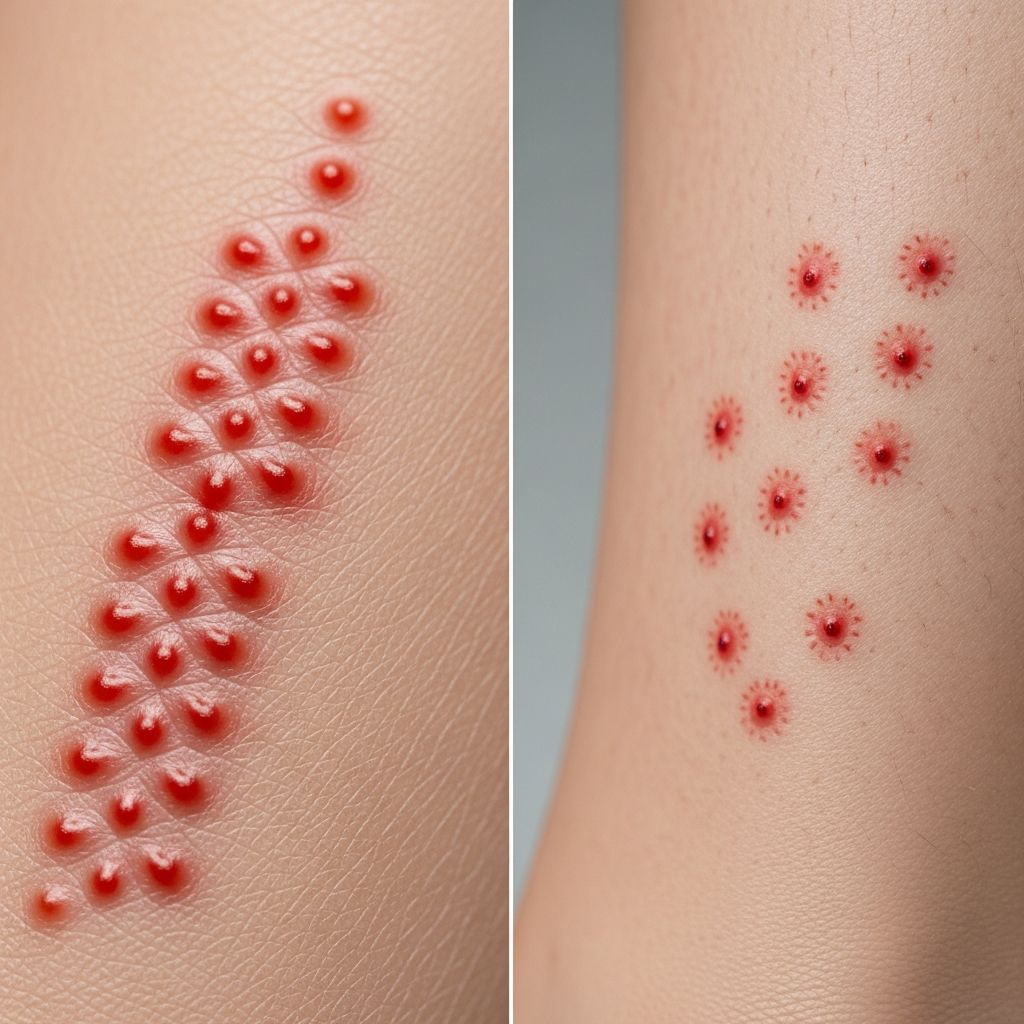
**Bed bug bites** typically appear as small, red, raised welts, often with a darker red center marking the puncture site. They resemble mosquito bites but tend to cluster in specific patterns. Unlike flea bites, you usually don’t feel them happening due to the bed bug’s anesthetic saliva, which numbs the area. Symptoms often develop hours later—sometimes up to 24-48 hours—starting as mild itching that intensifies into burning welts.
- Size: About 5-7 mm (0.1-0.2 inches) in diameter, swelling over time.
- Color and shape: Red or pinkish with a flat or swollen profile; may blister in severe cases.
- Itchiness: Delayed onset, progressively worsening over 1-2 days.
In sensitive individuals, bites can lead to larger hives or allergic reactions. Patterns like lines, zigzags, or triangles (“breakfast, lunch, dinner” pattern) emerge from the bugs feeding sequentially along exposed skin.
What Do Flea Bites Look Like?
**Flea bites** are smaller, brighter red bumps surrounded by a halo of irritated skin. They often feature a pale or white center due to flea dirt (fecal matter) and cause immediate stinging pain upon biting, as fleas lack numbing agents. Itching starts right away and can be intensely uncomfortable, sometimes forming small blisters or hives.
- Size: 1.5-3.3 mm (0.05-0.12 inches), pinpoint-like.
- Color and shape: Dark red spots, scattered or in random clusters; may develop into white-topped papules.
- Itchiness: Instant and severe, peaking within hours.
Fleas bite repeatedly in one area, leaving sporadic groupings rather than orderly lines.
Bed Bug Bites vs. Flea Bites: Key Differences
Distinguishing
bed bug bites vs. flea bites
relies on several factors. Here’s a detailed comparison:| Feature | Bed Bug Bites | Flea Bites |
|---|---|---|
| Size | 5-7 mm, larger welts | 1.5-3.3 mm, smaller bumps |
| Pattern | Linear, zigzag, clustered (lines or triangles) | Scattered, random clusters |
| Location | Upper body: arms, neck, shoulders, back | Lower body: ankles, feet, legs, waist, armpits |
| Pain/Itch Timing | Delayed (hours to 48 hrs), subtle at first | Immediate sting and itch |
| Time of Bites | Mostly at night (nocturnal) | Anytime (day or night) |
| Other Signs | Blood stains, fecal spots, shed skins on sheets | Flea dirt on pets/skin, pet scratching |
This table highlights why location and pattern are pivotal: bed bugs target sleeping exposed skin, while jumping fleas hit lower extremities. Bed bug bites grow over time into inflamed areas, whereas flea bites plateau quickly but itch ferociously from the start.
Where Do Bed Bugs Bite?
Bed bugs prefer feeding on exposed skin during sleep, so bites cluster on the
upper body
: neck, arms, shoulders, hands, and face. They avoid covered areas and often appear in rows as the bug moves along the skin. If you’re waking up with bites on your torso or legs under clothing, consider other causes.Where Do Fleas Bite?
Related Stories



Fleas jump onto skin from floors or pets, targeting
lower body
areas: ankles, feet, calves, knees, and sometimes waistbands or skin folds like elbows and armpits. On pets, bites concentrate around the tail base, belly, and groin. Humans get hit where clothing gaps allow access.When Do Bed Bugs Bite?
Bed bugs are nocturnal, biting primarily at night while you sleep. Their stealthy nature means you rarely feel the bites in real-time. Infestations worsen in warm months but persist year-round indoors.
When Do Fleas Bite?
Fleas bite opportunistically anytime, day or night, especially in warm, humid environments. Pet owners notice bites after outdoor exposure or during flea season (spring-fall).
Bed Bug Bites on Skin vs. Flea Bites on Skin
Both manifest as red, itchy welts, but bed bug bites evolve into larger, darker-centered spots with potential blistering. Flea bites stay smaller, with a characteristic red halo and quicker resolution if untreated. Scratching either risks infection—look for pus, increasing swelling, or fever.
Treatment for Bed Bug Bites and Flea Bites
Treat both symptomatically while addressing the source:
- Clean the area: Wash with soap and water to prevent infection.
- Relieve itch: Apply hydrocortisone cream, calamine lotion, or oral antihistamines like Benadryl.
- Cold compress: Reduces swelling.
- Avoid scratching: Use bandages if needed.
For severe reactions, consult a doctor for steroids or antibiotics. Eradication is key: vacuum thoroughly, wash linens in hot water (>120°F), and use EPA-approved insecticides. Professionals recommend integrated pest management for bed bugs, which are notoriously resilient.
Prevention Tips
- For bed bugs: Inspect hotel beds, seal cracks, use mattress encasements, avoid secondhand furniture.
- For fleas: Treat pets monthly with vet-approved preventives, groom regularly, vacuum carpets daily, yard treatments.
- General: Monitor for early signs like pet itching or sheet stains.
Frequently Asked Questions (FAQs)
What do bed bug bites look like?
Bed bug bites are small red welts with a dark center, often in lines or clusters on upper body skin, appearing 24-48 hours after nocturnal feeding.
What do flea bites look like?
Flea bites are tiny bright red bumps with halos, scattered on lower legs/ankles, itchy immediately with possible blisters.
Do flea bites go away on their own?
Yes, within days to weeks, but treat to avoid infection; eradicate fleas to prevent recurrence.
Are bed bug bites itchy?
Yes, but delayed itching distinguishes them from instant flea itch.
Can bed bugs bite during the day?
Rarely; they’re nocturnal but active in dark, undisturbed areas.
When to See a Doctor
Seek medical help if bites show signs of infection (pus, red streaks, fever), don’t improve in 1-2 weeks, or cause severe allergic reactions like hives/swelling. Those with weakened immunity face higher risks from flea-transmitted diseases like cat scratch fever.
References
- How To Tell Bed Bug Bites From Flea Bites — Sterifab. 2023. https://www.sterifab.com/post/bed-bugs-vs-fleas
- Flea Bites vs. Bedbug Bites: Which Is It? — Healthline. 2024-01-15. https://www.healthline.com/health/flea-bites-vs-bed-bug-bites
- Bed Bug Bites vs Flea Bites: How to Tell the Difference — Smithereen. 2023-05-10. https://www.smithereen.com/blog/bed-bug-bites-vs-flea-bites-how-tell-difference/
- Differentiating Between Bed Bug Bites vs. Flea Bites — Village EC. 2024. https://villageec.com/blog/bed-bug-bites-vs-flea-bites/
- Bug Bite Showdown: Identifying Flea vs. Bedbug Bites — YouTube (Video Description). 2023-07-20. https://www.youtube.com/watch?v=WDqyI8dVIOQ
- Bedbug Bites vs. Flea Bites: How to Tell the Difference (With Pictures) — GoodRx. 2024-09-12. https://www.goodrx.com/health-topic/environmental/bed-bug-vs-flea-bites-pictures
- The Difference Between Flea and Bed Bug Bites — Mosquito Squad. 2023. https://www.mosquitosquad.com/blog/other-insects-pests/the-difference-between-flea-and-bed-bug-bites/
Similar Articles








Read full bio of Sneha Tete