Bed Bugs: Identification, Bites & Prevention
Complete guide to identifying bed bugs, treating bites, and preventing infestations in your home.
Understanding Bed Bugs: What You Need to Know
Bed bugs (Cimex lectularius) are tiny insects that bite people and animals to obtain blood for nourishment. These parasites require human hosts to survive and reproduce, making them a common household pest worldwide. Most bed bug bites occur while you’re asleep, as these nocturnal creatures are attracted to the warmth and carbon dioxide emitted by sleeping humans. Understanding what bed bugs are, how they behave, and how to identify them is the first step in protecting your home and family from infestation.
Physical Characteristics and Identification
Identifying bed bugs correctly is essential for effective treatment and prevention. Bed bugs have distinct physical characteristics that make them recognizable once you know what to look for.
Adult Bed Bugs
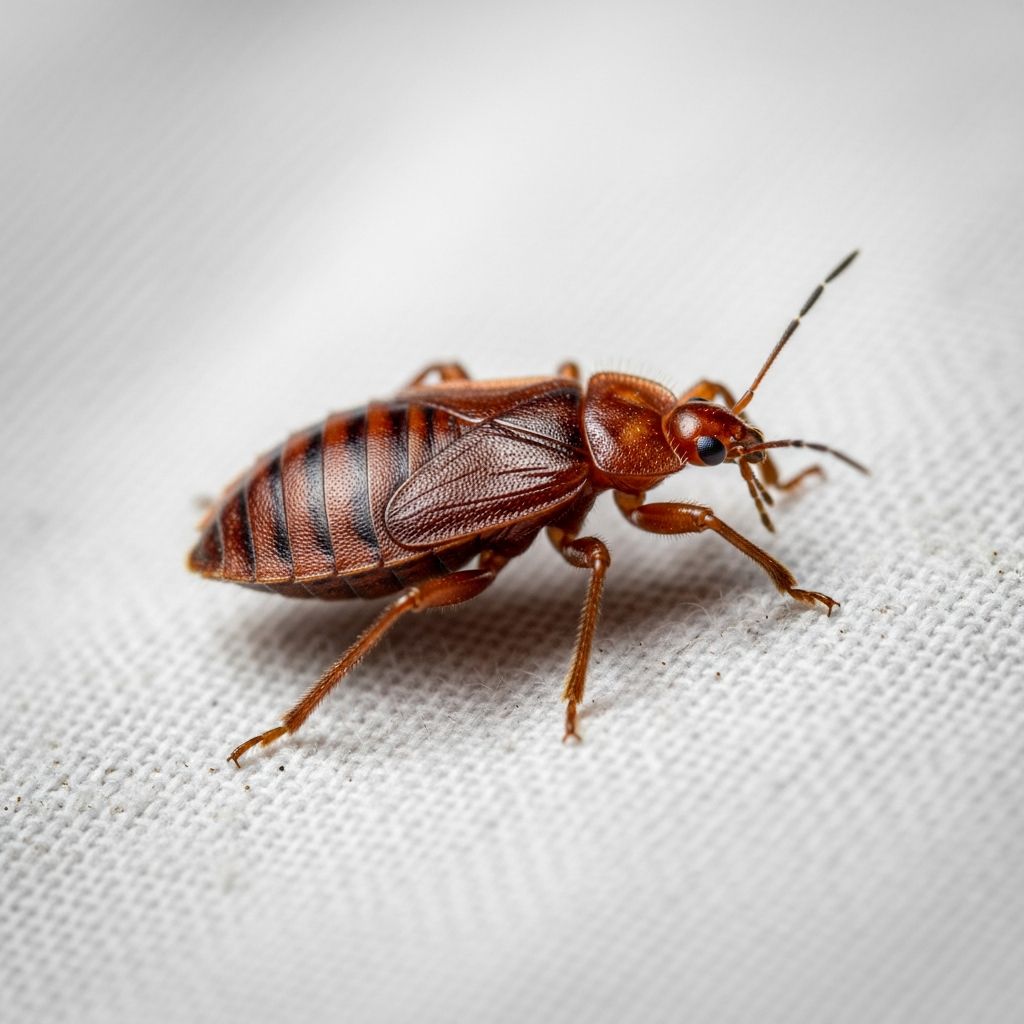
Adult bed bugs are flat, brown, or reddish-brown insects with six legs. They are remarkably small, approximately the size of an apple seed, measuring about 5 to 7 millimeters in length. Their flat bodies allow them to hide in extremely narrow spaces, such as mattress seams, box springs, and furniture crevices. This physical adaptation makes bed bugs particularly difficult to eliminate and allows them to escape detection easily.
Nymphs and Eggs
Young bed bugs, called nymphs, appear white-to-yellow in color or translucent when unfed. Bed bug eggs are extraordinarily small, about the size of a pinhead, and are pearly white. After five days, eggs develop a distinctive black dot on the white surface. A single female bed bug can lay between 200 and 500 eggs during her lifetime, which explains why even a small population can rapidly escalate into a full-scale infestation.
Where Bed Bugs Hide
Bed bugs are photophobic parasites that do not live on human hosts but instead visit them for meals. They inhabit dark, secluded locations where they can rest undisturbed between feedings. Common hiding places include mattress seams, box springs, bed linens and clothes, wallpaper seams, electrical outlets, and furniture seams. The female bedbug lays her eggs in these protected crevices, ensuring their safety until hatching. Dense nests of adult bedbugs, their eggs, and accumulated fecal matter create visible signs that allow for easy identification of infestation.
How Bed Bugs Feed and Reproduce
Bed bugs bite because they are hungry and need blood to survive and develop. These insects typically feed between 1:00 am and 5:00 am, when their human hosts are most likely to be deeply asleep. Although wingless, bed bugs successfully navigate toward their targets by detecting emitted heat and carbon dioxide. They feed by inserting a beak that resembles a straw into your skin, drinking blood for several minutes until they become full, then detaching and crawling away to digest their meal in a secure hiding place.
Recognizing Bed Bug Bites
Bed bug bites present a distinctive pattern that can help distinguish them from other insect bites or skin conditions. Understanding the characteristics of these bites is crucial for early detection and treatment.
Bite Appearance and Pattern
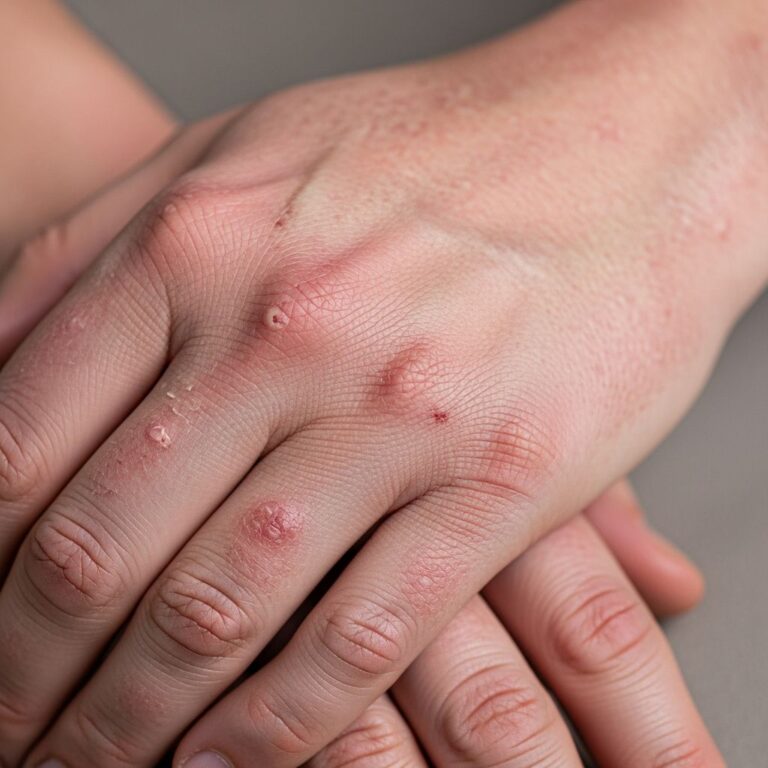
Bedbug bites are analogous to other arthropod bites but have recognizable characteristics. Bites begin as pink macules that progress to papules, large plaques, or wheals (hives). The bites typically appear as raised bumps that show up in a line or zigzag pattern on areas of skin that come into contact with bedding. Red, raised bites often display a distinctive pattern known as the “breakfast, lunch, and dinner” sign—a clustering of bites in groups of three, sometimes in a linear pattern overlying blood vessels. This pattern can help healthcare providers and patients guide the diagnosis toward bed bug bites rather than a diffuse urticarial response.
Related Stories



Symptom Timeline
Bites can arise minutes or even days after the initial assault, which sometimes delays recognition of an infestation. Bites are typically intensely pruritic (itchy), and occasionally hypersensitive individuals can develop bullae, necrotic plaques, or even vasculitis. New papules and plaques form as older ones heal. In some cases, patients may develop fever and malaise. Importantly, approximately 30% of patients may not develop any skin disease from bedbugs, making diagnosis impossible in those individuals without physical identification of the bugs themselves.
Bite Characteristics
Individual bites typically measure 2 to 20 millimeters and appear as pruritic, erythematous macules or papules with a central hemorrhagic crust or vesicle. Macules, papules, wheals, vesicles, bullae, and nodules have all been reported as bedbug bite presentations. Asymptomatic lesions can also occur, particularly in individuals with prior exposure to bedbugs who may have developed some immunological tolerance. Bed bug bites are typically itchy and can bring mild pain, discomfort, and even a mild burning sensation, though not all victims experience discomfort.
Health Effects and Complications
In most people, bed bug bites don’t cause any serious health problems, and the bite marks disappear within a few weeks. However, in some individuals, particularly those with sensitive skin or allergic predispositions, bite marks may become enlarged or swollen welts that are more painful and itchy. While bed bugs are not known vectors of human infectious diseases, allergic reactions and secondary infections are possible complications.
Potential Complications
Hypersensitive victims may develop complications including angioedema, generalized urticaria, and iron deficiency anemia from repeated feeding. In rare cases, bite-induced asthma or anaphylaxis can occur and may necessitate emergency treatment. Secondary bacterial infection from scratching is the most common complication, which can be treated with topical or systemic antibiotics.
Diagnosing Bed Bug Infestations
Accurate diagnosis is essential before implementing treatment strategies. The key to definitive diagnosis involves identifying the suspected bugs in their characteristic locations.
Clinical Inspection Methods
Diagnosis should be based on clinical history and the appearance of bites. A thorough inspection of sleeping quarters by the patient, a family member, or a pest control expert may demonstrate telltale signs of infestation, including specks of blood-tinged insect feces and exoskeletons. Patients should carefully inspect mattresses, floorboards, and other crevices for the small ovaloid bugs or the reddish-brown specks of heme and feces typically left behind on bed linens.
Signs of Infestation
Visual evidence of bed bugs includes blood spots on sheets or mattresses, tiny pale yellow eggs or eggshells, bedbug feces appearing as black dots about the size of a period, the bedbugs’ shed skin, white oval eggs about as big as an apple seed, and a sweet, musty odor around the bed area. A positive reported sighting of the bugs lends credence to the diagnosis, whereas capture and laboratory assessment of a specimen is ideal for confirmation.
Advanced Detection
During widespread infestation, the arthropods release a pungent odor, which allows trained dogs to detect them with 95% to 98% accuracy. Adhesives or traps that emit heat or carbon dioxide can also be used to capture bedbugs for identification purposes.
Treatment and Symptom Management
Treatment for bed bug bites focuses primarily on symptom relief while addressing the underlying infestation. Management is mainly symptomatic—systemic antihistamines and topical corticosteroids can reduce pruritus and alleviate the dermatitis.
Managing Bite Symptoms
Patients should be instructed to avoid scratching to prevent infection. Secondary bacterial infections can be treated with topical or systemic antibiotics as needed. For rare cases of bite-induced asthma or anaphylaxis, appropriate emergency treatment is necessary. The most critical aspect of therapy is the extermination of the infestation itself, as symptoms will persist and worsen with continued exposure.
Eradication Strategies
Successful elimination of bed bugs requires an integrated pest management approach combining multiple tactics.
Professional Pest Control
An integrated pest management strategy should be employed to eliminate infestation comprehensively. Tactics include vacuuming, heat or cold treatment, trapping devices, and pesticides. More than likely, you’ll need to contact a qualified exterminator who can definitively determine whether you have bed bugs and discuss appropriate treatment options.
Household Measures
Wash your bedding, curtains, and clothing in hot water. Use a stiff brush to scrub mattress seams to remove bedbugs and their eggs before vacuuming. Mattresses and bedding should be inspected for insects, eggs, and fecal spotting. If an egg is more than five days old, it’s marked with a black dot on a white egg, making older infestations easier to identify than recent ones.
Prevention Strategies
Preventing bed bug infestations is far easier than eliminating established ones. Implementing preventive measures can significantly reduce your risk of bringing these pests into your home.
Travel Precautions
Bed bugs are traveling pests that hitchhike into homes through luggage, clothing, and used furniture. Take steps to prevent bed bugs from establishing themselves in your home by encasing your mattress in a protective cover and washing your clothing with hot, soapy water immediately when returning from vacation. Inspect hotel rooms carefully before settling in, and store luggage away from beds during travels.
General Prevention
Reduce clutter in sleeping areas where bed bugs can hide. Inspect used furniture carefully before bringing it into your home. Seal cracks and crevices around baseboards, electrical outlets, and furniture. Consider using mattress encasements designed specifically to trap bed bugs inside existing infestations and prevent new ones from establishing.
Education and Long-Term Management
Educating patients is key to successful bed bug management and prevention. Resolving a bed bug infestation is notoriously difficult and requires meticulous adherence to hygiene and cleansing instructions throughout the household or institution for a sustained period of time. Information from sources such as the US Environmental Protection Agency can empower patients to perform necessary eradication protocols, and clinicians should routinely recommend them as part of a holistic treatment strategy.
Frequently Asked Questions
Q: Can bed bugs transmit diseases?
A: While bed bugs are not known vectors of human infectious diseases, approximately 45 known pathogens have been isolated from Cimex species. However, to date, there is no evidence demonstrating transmission of pathogens to humans through bed bug bites.
Q: How quickly can bed bugs infest a home?
A: A single female bed bug can lay 200 to 500 eggs during her lifetime, so even a few bed bugs in your home can quickly turn into a full-scale infestation if left untreated.
Q: What time of day do bed bugs bite?
A: Bed bugs typically feed between 1:00 am and 5:00 am when their human hosts are most likely to be deeply asleep and inactive for extended periods.
Q: Can bed bugs bite through clothing?
A: No, bed bugs cannot bite through clothes or sheets, which is why bites typically appear on exposed skin areas that come into contact with bedding.
Q: How long do bed bug bites last?
A: In most people, bed bug bites don’t cause serious health problems and the bite marks disappear within a few weeks, though some individuals may experience more pronounced reactions.
Q: What should I do if I suspect bed bugs?
A: Inspect your mattress, box springs, bed linens, and furniture carefully for signs of infestation. Look for the bugs themselves, blood spots, dark fecal specks, and shed skins. If you suspect an infestation, contact a qualified pest control professional for confirmation and treatment options.
References
- Bedbug Infestation — American Academy of Family Physicians. 2012-10-01. https://www.aafp.org/pubs/afp/issues/2012/1001/p653.pdf
- Bedbugs: Helping your patient through an infestation — Cleveland Clinic Journal of Medicine. 2017-03-01. https://www.ccjm.org/content/84/3/207
- Bed Bugs: Bites, Identification, Prevention — Cleveland Clinic. 2025. https://my.clevelandclinic.org/health/diseases/17847-bedbugs
- Bedbugs: How to Identify and Prevent an Infestation — WebMD. https://www.webmd.com/skin-problems-and-treatments/bedbugs-infestation
- Are Those Bed Bug Bites? How To Tell — Cleveland Clinic Health. https://health.clevelandclinic.org/need-know-bed-bugs
- Investigating the association of bed bugs with infectious diseases — National Center for Biotechnology Information. 2022. https://pmc.ncbi.nlm.nih.gov/articles/PMC8569396/
- Bed Bugs: Get Them Out and Keep Them Out — U.S. Environmental Protection Agency. https://www.epa.gov/bedbugs


Read full bio of Sneha Tete