Bed Bugs: 4 Preparation Steps For Effective Eradication
Comprehensive guide to identifying, treating bites from, and eliminating bed bug infestations effectively.
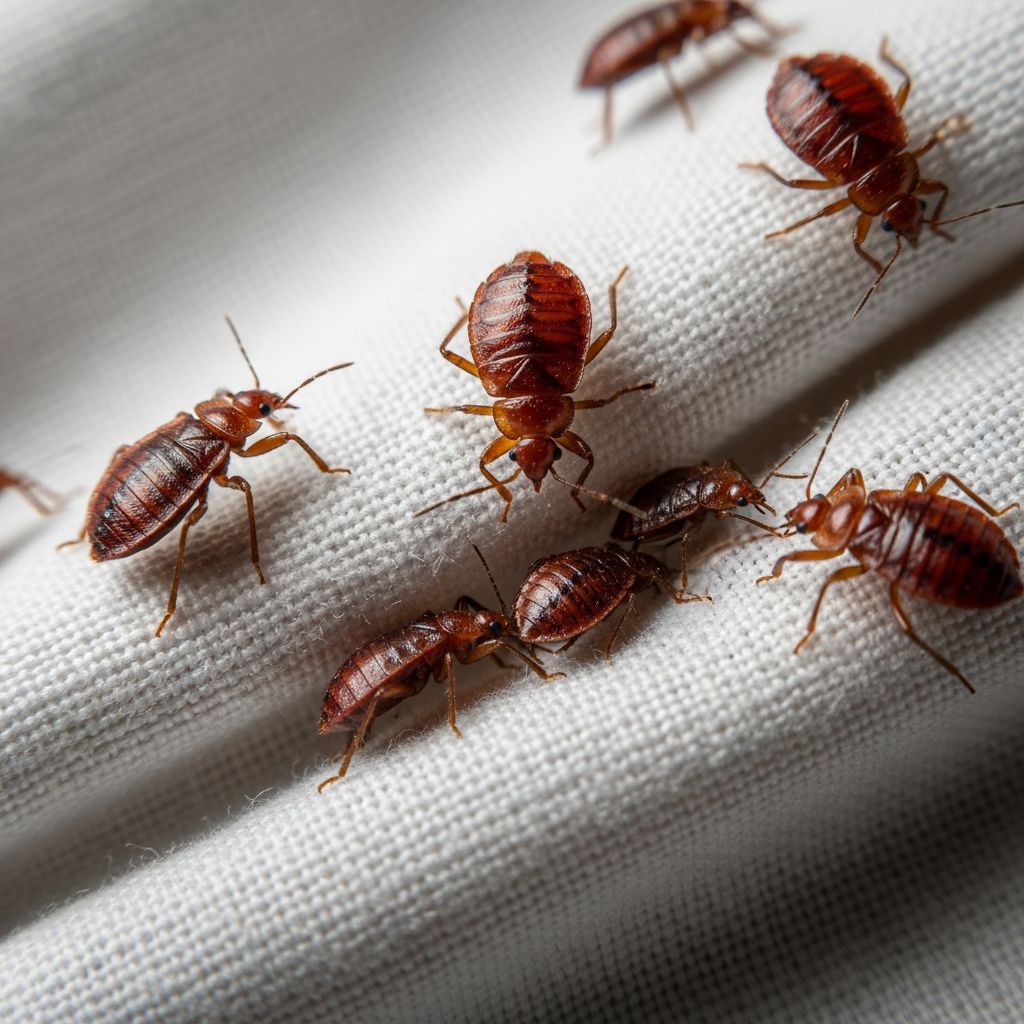
Bed bugs (Cimex lectularius) are small, parasitic insects that feed on human blood, primarily at night. They infest homes, hotels, and public spaces, causing itchy bites and psychological distress but not transmitting diseases.
What are bed bugs?
Bed bugs are flattened, oval-shaped insects measuring 4–5 mm in length as adults, with a reddish-brown color after feeding. They hide in mattress seams, bed frames, furniture cracks, and wall voids during the day. Nymphs are smaller and lighter, appearing translucent before their first blood meal. Eggs are tiny, white pearls, about 1 mm long, often laid in clusters of 10–50.
Females lay up to 500 eggs over their 6–12 month lifespan, with each egg hatching in 6–10 days under ideal conditions (warm temperatures around 25–30°C). Bed bugs can survive months without feeding and do not fly but crawl rapidly.
Who is at risk of bed bug infestation?
Anyone can encounter bed bugs, regardless of hygiene. High-risk groups include travelers staying in infested hotels, residents of multi-unit buildings (e.g., apartments), users of secondhand furniture, and those in crowded urban areas. Infestations spread via luggage, clothing, furniture, and public transport.
Dermatology of bed bug bites
Bed bug bites appear as erythematous, maculopapular eruptions, often in linear or clustered patterns called “breakfast, lunch, and dinner” due to sequential feeding. They commonly affect exposed skin: arms, legs, neck, and torso. Bites develop 1–14 days post-feeding, starting as red welts with central puncta.
Itchiness peaks at 3–5 days, potentially leading to excoriations and secondary bacterial infections (e.g., impetigo from Staphylococcus aureus). Rare reactions include bullous eruptions, urticaria, or anaphylaxis in sensitized individuals.
- Typical presentation: 2–5 mm red papules, intensely pruritic.
- Atopic individuals: More severe, widespread reactions.
- Delayed hypersensitivity: Bites may appear weeks later.
Clinical features
Bites evolve over days: initial wheals flatten into papules, then resolve with post-inflammatory hyperpigmentation in darker skin types. Chronic infestations cause sleep disturbances, anxiety, and insomnia from fear of biting.
| Stage | Appearance | Duration |
|---|---|---|
| Day 1–2 | Red macules/wheals | Acute itch |
| Day 3–7 | Papules, vesicles | Peak pruritus |
| Week 2+ | Crusts, scars | Resolution |
Severe cases may mimic scabies, flea bites, or viral exanthems, requiring dermatologist evaluation.
Diagnosis
Diagnosis combines history (travel, shared lodging), bite patterns, and inspection for live bugs, fecal spots (rust-colored), blood smears, shed skins, or eggs. Use a flashlight and magnifying glass on mattress seams, headboards, and upholstered furniture.
- Key signs: Musty odor in heavy infestations; fecal pellets like ground pepper.
- Differential: Flea bites (random), bird mites (feather exposure), papular urticaria.
- Confirmation: Traps (e.g., CO2 or interceptors) or canine detection for professionals.
Treatment of bed bug bites
Symptomatic relief is key; bites self-resolve in 1–2 weeks. Clean with soap/water to prevent infection.
- Topical: Hydrocortisone 1% cream, calamine lotion for itch.
- Oral: Antihistamines (loratadine, cetirizine) for widespread pruritus; NSAIDs for inflammation.
- Infection: Topical antibiotics (mupirocin); oral if cellulitis develops.
- Severe: Oral corticosteroids short-term; seek ER for anaphylaxis (dyspnea, swelling).
Avoid scratching to prevent scarring. Cool compresses and oatmeal baths soothe.
Management of bed bug infestation
Related Stories



Eradication requires integrated pest management (IPM). DIY rarely succeeds; hire licensed professionals.
Non-chemical methods
- Heat treatment: Raise temperature to 50°C+ for 90 minutes kills all stages (preferred, chemical-free).
- Vacuuming: Daily on beds, floors, furniture; seal/dispose bags.
- Encasements: Zippered covers trap bugs on mattresses/box springs.
- Steam: 100°C+ on cracks/seams.
- Laundering: Hot wash (60°C)/dry (30+ min high heat) for fabrics.
Chemical methods
Insecticides (pyrethroids, neonicotinoids) as last resort; rotate classes to prevent resistance. Professionals apply residual sprays, dusts.
Preparation steps
- Declutter: Bag/discard infested items.
- Launder/dry all clothing/bedding.
- Vacuum thoroughly.
- Move beds from walls; use interceptors.
Prevention of bed bug infestation
Proactive vigilance minimizes risk.
- Travel: Inspect hotel mattresses; elevate luggage on racks; unpack outside bedroom.
- Inspect secondhand furniture; quarantine 2 weeks.
- Seal cracks/baseboards/door gaps in apartments.
- Use encasements on beds.
- Regular vacuuming; reduce clutter.
In shared laundry, bag items until home.
Where do bed bugs hide?
Bed bugs aggregate near sleep areas:
- Mattress seams/tags/piping (primary harborages).
- Bed frames, headboards, nightstands.
- Upholstered furniture tufts/crevices.
- Behind wallpaper, outlets, picture frames.
- Clutter: Books, electronics, luggage.
They spread room-to-room via crawling or hitching rides.
Outlook
With professional intervention, 90%+ success in 2–3 treatments. Untreated, populations explode exponentially. Post-treatment monitoring (1–2 months) prevents reinfestation. Psychological impact (entomophobia) may require counseling.
Frequently Asked Questions
Do bed bugs spread diseases?
No, unlike mosquitoes, bed bugs do not transmit pathogens like plague or Zika.
How long do bites last?
1–2 weeks; itch subsides sooner with treatment.
Can I treat infestation myself?
Limited success; professionals recommended for thorough elimination.
Are bed bugs attracted to dirt?
No, they feed on blood, thriving in clean environments.
How to check hotel rooms?
Lift mattress sheets; check seams for spots/bugs; avoid placing bags on floor.
References
- Bed Bugs: Identification, Prevention, And Treatment — New York Doctors Urgent Care. 2024. https://newyorkdoctorsurgentcare.com/bed-bugs-identification-prevention-and-treatment/
- Bedbugs – Symptoms and causes — Mayo Clinic Staff. 2024-01-05. https://www.mayoclinic.org/diseases-conditions/bedbugs/symptoms-causes/syc-20370001
- Bedbugs: How to Identify and Prevent an Infestation — WebMD. 2024. https://www.webmd.com/skin-problems-and-treatments/bedbugs-infestation
- Bedbug bites: Pictures, treatment, and prevention — Medical News Today. 2024. https://www.medicalnewstoday.com/articles/318083
- Bedbugs: Diagnosis and treatment — American Academy of Dermatology. 2024. https://www.aad.org/public/diseases/a-z/bed-bugs-treatment
- How to Help Prevent and Kill Bed Bugs — Raid. 2024. https://raid.com/en-us/education/bug-basics/how-to-kill-and-get-rid-of-bed-bugs
Similar Articles








Read full bio of medha deb