Bedbugs: How To Find, Treat, And Prevent Infestations
Comprehensive guide to identifying, treating, and eliminating bedbugs from your home effectively.
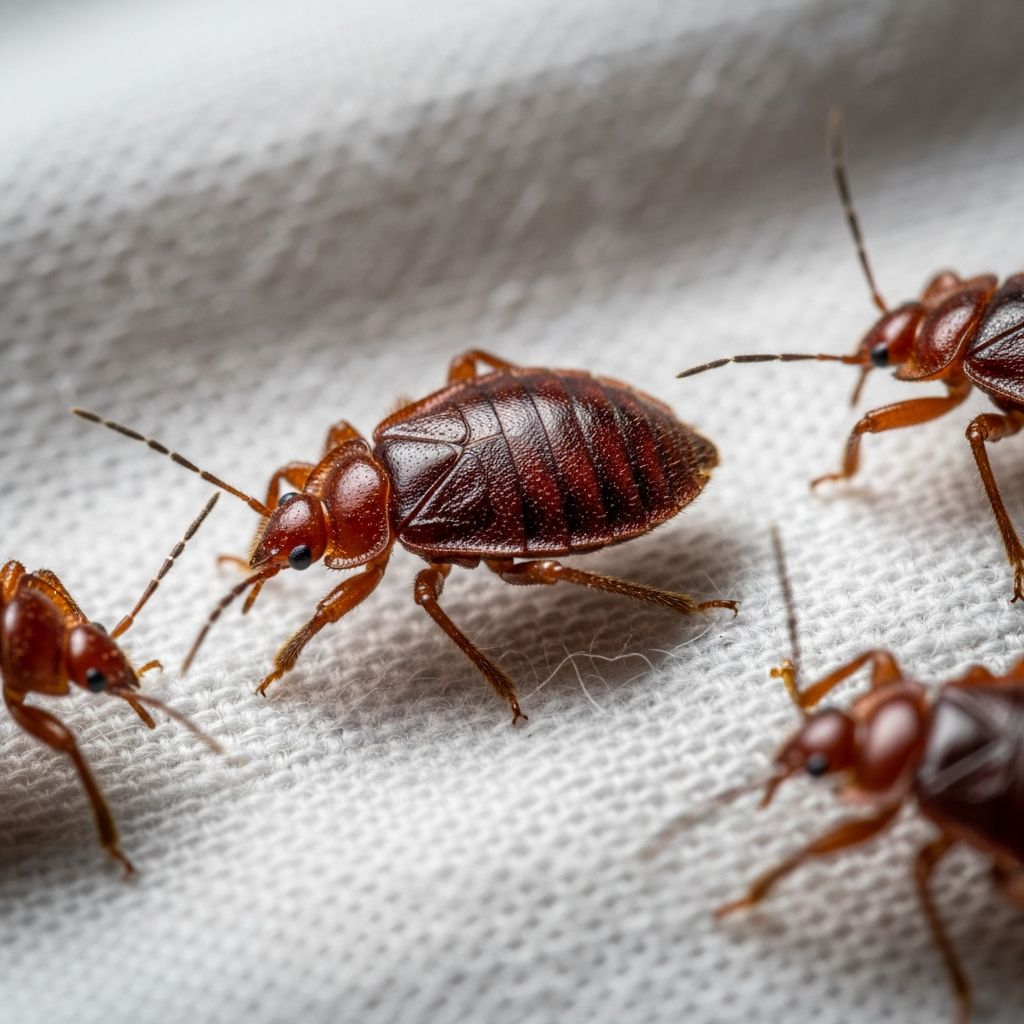
Bedbugs (Cimex lectularius) are small, parasitic insects about the size of an apple seed that feed on human and animal blood, primarily at night while hosts sleep. They hide during the day in cracks, crevices, and bedding, thriving in homes, hotels, and public spaces regardless of cleanliness.
How to know if you have bedbugs
Detecting a bedbug infestation early is crucial for effective control. Common indicators include developing itchy bites on exposed skin, visible insects, blood spots on bedding, brown fecal stains, and a sweet almond-like odor in heavy infestations.
- Itchy bites: Red, raised welts often in lines or clusters on face, neck, arms, or hands, appearing 1-14 days after bites.
- Live bedbugs: Tiny (4-5mm), flat, reddish-brown insects visible to the naked eye, especially in mattress seams.
- Blood spots: Small red stains on sheets from crushed bugs or bites.
- Fecal spots: Tiny rust-colored or dark pinhead-sized droppings on mattresses, furniture, or walls.
- Shed skins and eggs: Pale yellow translucent shells or tiny white eggs (1mm) near hiding spots.
- Odor: Musty, sweet, or almond-like smell from large populations releasing pheromones.
Infestations range from light (1-2 bites weekly) to severe (over 50 bites nightly). Some people react minimally, while others experience intense itching or allergic responses.
Where are bedbugs found?
Bedbugs hide within 8 feet of sleeping areas in homes, apartments, hotels, dorms, shelters, transport, and offices. They prefer warm, dark spots and spread via luggage, clothing, furniture, or secondhand items.
- Mattress seams, tufts, folds, and box springs.
- Bed frames, headboards, baseboards, and wall cracks.
- Behind pictures, outlets, wallpaper, molding, nightstands.
- Clutter like books, papers, clothing piles, upholstered furniture.
- Soft furnishings, sofas, curtains, and pet beds.
They survive in clean environments but are harder to detect there. High hygiene reveals signs early. Adults live 6-12 months without feeding but can survive a year; females lay 1-5 eggs daily up to 500 lifetime.
What does a bedbug bite look like?
Bedbug bites resemble mosquito bites: small red marks or larger swollen, itchy welts (up to 5cm). They often appear in lines, clusters, or ‘breakfast, lunch, dinner’ patterns (3-4 bites) on exposed skin like face, neck, arms, hands.
Reactions vary: painless during sleep, itching starts hours later. Some develop papules, nodules, or wheals. Darker skin may show purple hues. Bites peak 3-5 days post-infestation start.
| Bite Characteristic | Description | Common Locations |
|---|---|---|
| Appearance | Red dot center, raised swollen area; lines/clusters | Face, neck, arms, hands |
| Onset | Up to 14 days; itch delayed | Exposed skin while sleeping |
| Severity | Mild (no reaction) to severe (wheals, allergy) | N/A |
Do bedbugs spread disease?
Bedbugs do not transmit diseases like hepatitis B/C, HIV, or MRSA despite blood-feeding. No confirmed vectors reported. Primary issues are itchy bites, secondary infections from scratching, sleep loss, anxiety, and psychological effects like insomnia or hypervigilance.
Rare severe allergies (anaphylaxis): rash, breathing issues, swelling—seek emergency care.
How to get rid of bedbugs
Elimination requires integrated pest management (IPM): inspection, non-chemical controls, targeted pesticides by professionals. DIY often fails due to resistance and hidden eggs.
Related Stories



Inspection
Check sleeping areas thoroughly: lift mattress, use flashlight/torch for signs. Canine detection aids large spaces.
Non-chemical methods
- Heat treatment: 48.9°C (120°F) kills all stages; professional steamers or whole-room heating.
- Encasements: Zip mattress/box spring to trap bugs.
- Vacuuming: Daily on beds, floors, furniture; seal/dispose bags.
- Declutter: Reduce hiding spots; wash/dry clothes at 60°C (140°F), 30+ min.
- Isolate bed: Legs in soapy bowls; interceptors trap crawlers.
Chemical treatments
Use EPA-registered insecticides (pyrethroids, neonicotinoids) by licensed pros. Multiple applications needed for eggs. Avoid foggers/bombs—spread bugs.
Monitor with traps/interceptors 2-4 weeks post-treatment.
Professional help
Contact licensed Pest Control Operator (PCO). In rentals, notify owner in writing (description, date, location); inspection within 48 hours. Expect 2-4 visits over weeks.
Treatment of bedbug bites
Bites resolve in 1-2 weeks without scarring. Treat symptoms:
- Clean with soap/water.
- Calamine lotion, hydrocortisone (1%), oral antihistamines (cetirizine) for itch.
- Cool compresses reduce swelling.
- Avoid scratching to prevent infection.
For infection (pus, fever): topical/oral antibiotics. Severe allergy: epinephrine/ER.
Prevention of bedbugs
Prevent re-infestation:
- Inspect secondhand items, luggage after travel.
- Launder/dry-hot clothes post-trip; unpack outside.
- Use encasements on beds.
- Regular vacuuming/decluttering.
- Seal cracks; monitor public spaces (hotels: check mattress).
Report in hotels, hospitals, transport to staff/health dept.
Frequently Asked Questions (FAQs)
Q: Are bedbugs a sign of poor hygiene?
A: No, bedbugs infest clean and dirty places equally, traveling on people/items.
Q: How long do bedbug treatments take?
A: Typically 2-4 weeks with multiple pro visits to target all life stages.
Q: Can I treat bedbugs myself?
A: DIY often fails due to resistance/hidden bugs; professionals recommended.
Q: Do bedbugs fly or jump?
A: No, they crawl fast but don’t fly/jump.
Q: How quickly do bedbug bites appear?
A: Up to 14 days; often delayed itching.
References
- Bed Bugs Fact Sheet — California Department of Public Health. 2023. https://www.cdph.ca.gov/Programs/CID/DCDC/CDPH%20Document%20Library/BedBugsFactSheet.pdf
- Bedbugs – Patient.info — Patient.info. 2024-01-13. https://patient.info/skin-conditions/bedbugs-leaflet
- Bedbugs – Nationwide Children’s Hospital — Nationwide Children’s Hospital. 2023. https://www.nationwidechildrens.org/family-resources-education/health-wellness-and-safety-resources/helping-hands/bedbugs
- Bedbugs: Symptoms and Treatment — Patient.info (Doctor). 2024. https://patient.info/doctor/dermatology/bedbugs-pro
- Bed Bug Toolkit — Arizona Department of Health Services. 2023. https://www.azdhs.gov/documents/preparedness/epidemiology-disease-control/food-safety-environmental-services/resources/bed-bug-toolkit.pdf
- Mattress Encasements – Bed Bugs Manual — University of Tennessee. 2021. https://bedbugs.tennessee.edu/wp-content/uploads/sites/210/2021/01/Matress-Encasements-bed_bugs_manual.pdf
Similar Articles








Read full bio of medha deb