Bedsores: Causes, Stages, and Treatment Options
Understanding bedsores: prevention, recognition, and effective treatment strategies for pressure ulcers.
Understanding Bedsores: A Comprehensive Guide to Pressure Ulcers
Bedsores, also known as pressure ulcers, pressure sores, or decubitus ulcers, are localized injuries to the skin and underlying tissue that develop as a result of prolonged pressure on specific areas of the body. These painful wounds occur when sustained pressure reduces or completely cuts off blood flow to an area, preventing oxygen and nutrients from reaching the skin cells. Understanding the causes, symptoms, and stages of bedsores is essential for prevention and effective treatment. This condition affects millions of people worldwide, particularly those with limited mobility, and can lead to serious complications if left untreated.
What Causes Bedsores?
Bedsores develop when there is continuous pressure on the skin, typically over bony prominences where the skeleton sits close to the surface of the skin. The primary mechanism involves pressure restricting blood circulation to the affected area. When blood flow is reduced or eliminated, skin cells begin to die, eventually forming a pressure ulcer. This process can happen remarkably quickly—in some cases, a bedsore can develop in as little as two hours.
Beyond direct pressure, several other factors contribute to bedsore formation:
- Friction: Repeated rubbing of the skin against surfaces, such as bedding or clothing, can damage the skin’s protective outer layer.
- Moisture: Prolonged exposure to moisture from perspiration, urine, or other bodily fluids breaks down the skin barrier, making it more susceptible to damage.
- Shear forces: When the skin is pulled or stretched in different directions, such as when a person slides down in bed, it can cause tissue damage beneath the skin surface.
- Traction: Pulling forces on the skin can contribute to the development of pressure injuries.
Who Is at Risk for Bedsores?
Certain groups of people face significantly higher risks of developing bedsores. The most vulnerable populations include individuals who are bedridden, those confined to wheelchairs, elderly patients, and people with medical conditions that limit their mobility. Additionally, patients using oxygen therapy may develop pressure sores on unusual locations such as the bridges of their noses, ears, or the backs of their heads. People with poor nutrition, dehydration, incontinence issues, or fragile skin conditions are also at increased risk.
Healthcare facilities must pay particular attention to residents in nursing homes, where inadequate repositioning and improper care can rapidly lead to serious bedsore complications.
Common Locations for Bedsores
Bedsores most frequently develop on parts of the body where bones sit closest to the skin surface, creating pressure points that are vulnerable to injury. The most common locations include the buttocks, heels, elbows, shoulders, hips, and the back of the head. However, bedsores can develop virtually anywhere on the body where sustained pressure exists. Patients with specific medical equipment or treatments may develop pressure sores in unexpected areas—for example, those with dentures or receiving mechanical ventilation may develop sores inside the mouth.
Stages of Bedsores: From Early Signs to Severe Injury
Bedsores progress through distinct stages, each representing increasingly severe tissue damage. Understanding these stages helps healthcare providers and caregivers recognize problems early and intervene appropriately.
Stage 1: Early Warning Signs
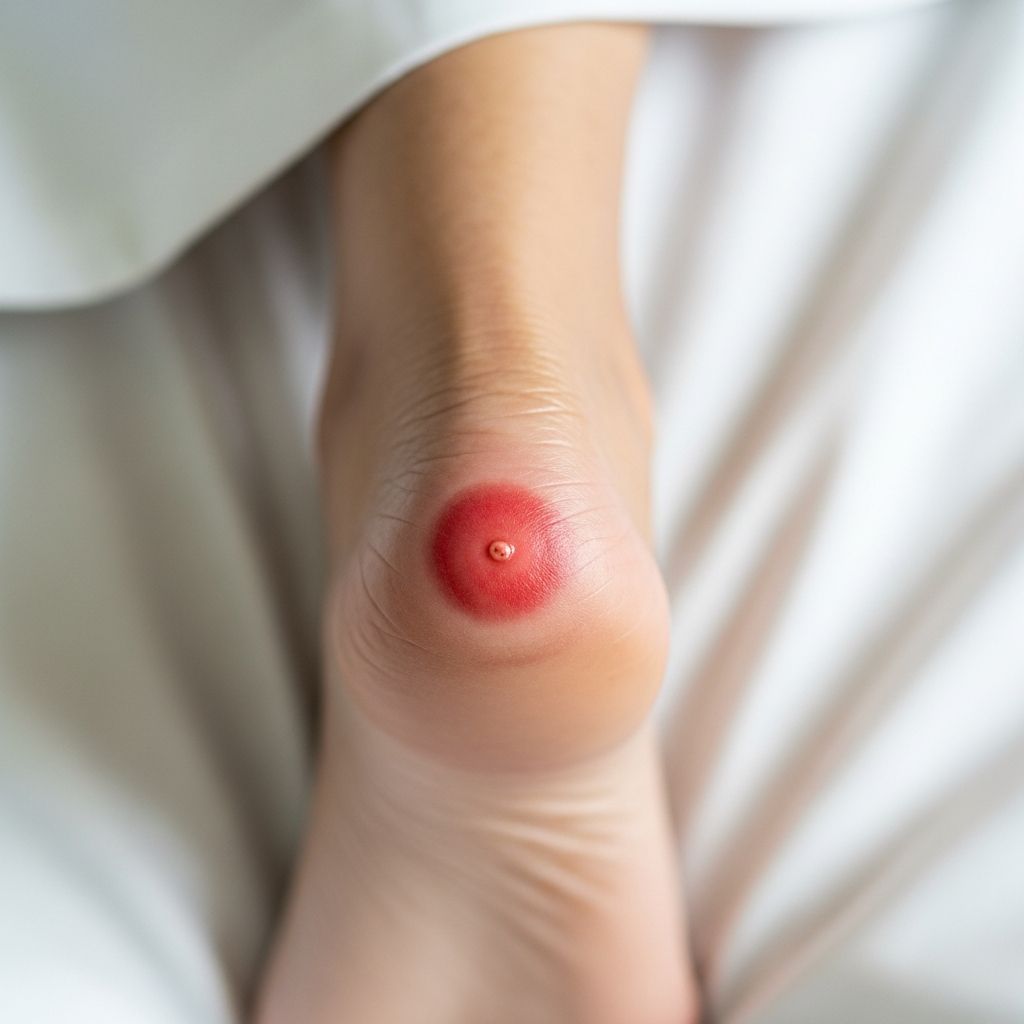
Stage 1 bedsores represent the earliest and most reversible form of pressure injury. At this stage, the skin appears red or discolored, particularly over bony areas. The affected area may feel warm, firm, or tender to the touch. Importantly, in stage 1 bedsores, the skin remains intact without any open wounds. In individuals with darker skin tones, the discoloration may appear purplish or blue rather than red. The good news is that stage 1 bedsores are often reversible with frequent repositioning and proper skin care.
Stage 2: Skin Breakdown Begins
When a bedsore progresses to stage 2, visible skin breakdown occurs. At this stage, an open sore or blister forms, exposing the epidermis, the outermost layer of skin. The wound may appear moist or discolored, and the surrounding area typically shows increased pain and tenderness. Some wounds may contain fluid or drainage. Stage 2 represents a significant escalation in severity because the body’s protective skin barrier is now compromised, making infection more likely. Treatment must begin immediately at this stage to prevent progression to deeper tissue damage.
Stage 3: Deep Tissue Involvement
Stage 3 bedsores extend beyond the skin into the underlying muscle and tissue layers, creating deep wounds that are considerably more difficult to treat. At this stage, dead tissue may be present, and the wound may show signs of infection, including cellulitis characterized by swelling, warmth, and redness in the surrounding area. Without prompt treatment, stage 3 bedsores can require months to heal and may necessitate surgical intervention to remove dead tissue (a process called debridement). The risk of serious infection and permanent scarring increases significantly at this stage.
Stage 4: Most Severe and Complex
Stage 4 bedsores are life-threatening injuries that extend through all skin layers into the muscles and bone. These wounds are extremely large and complex, with visible dead tissue and severe damage exposing muscle, bone, or tendons. At this stage, serious complications are common, including sepsis (a blood infection), osteomyelitis (bone infection), or even amputation in severe cases. Stage 4 bedsores often lead to extensive tissue death, joint damage, and can result in permanent disability or death if not aggressively treated.
Recognizing Bedsore Symptoms
Early recognition of bedsore symptoms is crucial for preventing progression to more severe stages. The most common early symptom is redness or discoloration of the skin that does not return to normal skin color when pressure is released. Additional symptoms that may indicate developing bedsores include:
- Swelling or puffiness in the affected area
- Warmth to the touch in the region of concern
- Pain, tenderness, burning, or itching sensations
- Fragile or thinning skin that breaks easily
- In advanced stages: open wounds, blisters, scabs, pus, or foul-smelling drainage
- Signs of infection such as fever or spreading redness
Caregivers should perform regular skin inspections, particularly in high-risk areas, to catch the earliest signs of bedsore development.
Complications of Untreated Bedsores
When bedsores are not treated promptly and appropriately, they can lead to serious and potentially life-threatening complications. The most common complications include:
Infection: One of the most serious complications, infections can spread throughout the body and cause systemic illness. Specific infections associated with bedsores include cellulitis and septicemia, both potentially life-threatening conditions.
Tissue Death: Deep bedsores can penetrate through multiple skin layers into muscle and bone, resulting in tissue necrosis or death. This may require surgical removal of dead tissue to prevent further deterioration.
Joint Damage: Extended pressure on joints can lead to permanent functional impairment and pain. Additionally, sinus tracts—passages connecting the pressure sore to deeper structures—may develop and create complex medical problems depending on what structures they connect to.
Life-Threatening Infections: Globally, bedsores contribute to more than 24,000 deaths annually, often through sepsis or other serious infections. In some cases, severe infections may necessitate amputation of affected limbs.
Prevention Strategies
Preventing bedsores is far more effective than treating them once they develop. Key prevention strategies include:
- Regular Repositioning: Changing position every two hours helps relieve pressure on vulnerable areas. For those in bed, repositioning should include alternating sides and position changes. Wheelchair users should shift their weight every 15-30 minutes.
- Skin Inspection: Daily examination of the skin, especially over bony areas, can detect early signs of bedsores before they progress.
- Proper Hygiene: Keeping skin clean and dry prevents moisture-related breakdown. Incontinent patients require prompt cleaning and may benefit from barrier creams.
- Nutrition and Hydration: Adequate protein, vitamins, minerals, and fluids support skin health and the body’s healing capacity.
- Pressure-Relieving Devices: Using special mattresses, cushions, or pads designed to distribute pressure more evenly can significantly reduce bedsore risk.
- Mobility Support: Encouraging movement when possible helps maintain circulation and muscle strength.
Treatment Approaches
Treatment strategies vary depending on the stage and severity of the bedsore. Early-stage bedsores (stage 1) often respond well to conservative measures including regular position changes, improved hygiene, and use of protective dressings. Stage 2 and beyond typically require more aggressive interventions. Treatment may include wound cleaning (debridement), specialized dressings to keep wounds moist and promote healing, topical medications, and in some cases, surgical intervention. Advanced bedsores may require negative pressure wound therapy, skin grafts, or other surgical procedures to promote healing and prevent infection.
When to Seek Medical Attention
Any sign of potential bedsore development warrants prompt medical evaluation. Seek professional care if you notice persistent redness that doesn’t fade, skin that feels warm or tender, blisters or open wounds, drainage or odor from an area, signs of infection such as fever or spreading redness, or any deterioration in an existing wound. Early intervention can prevent progression to more serious stages and reduce the risk of life-threatening complications.
Frequently Asked Questions
Q: How quickly can a bedsore develop?
A: Bedsores can develop surprisingly quickly, with some pressure injuries forming in as little as two hours of continuous pressure on the skin.
Q: Can bedsores be cured completely?
A: Stage 1 and 2 bedsores are often reversible with appropriate treatment. However, stage 3 and 4 bedsores cause permanent tissue damage and typically result in scarring even after healing.
Q: Who is responsible for bedsore prevention in healthcare facilities?
A: Healthcare facilities and nursing homes have a responsibility to implement proper protocols for repositioning, skin care, and monitoring to prevent bedsores in their residents. Inadequate care that leads to preventable bedsores may constitute neglect.
Q: Are bedsores contagious?
A: No, bedsores themselves are not contagious. However, infected bedsores can harbor bacteria that may spread to other parts of the body or to other individuals.
Q: What role does nutrition play in bedsore prevention?
A: Proper nutrition, including adequate protein, vitamins, and minerals, is essential for maintaining skin health and supporting the body’s healing capacity. Malnutrition significantly increases bedsore risk.
References
- Pressure Ulcer – StatPearls — National Center for Biotechnology Information (NCBI). 2024. https://www.ncbi.nlm.nih.gov/books/NBK553107/
- Bedsores (Pressure Ulcers): Symptoms, Staging & Treatment — Cleveland Clinic. 2024. https://my.clevelandclinic.org/health/diseases/17823-bedsores-pressure-injuries
- Symptoms of Bedsores from Nursing Homes | Signs of Neglect — Nursing Home Abuse Center. 2024. https://www.nursinghomeabusecenter.com/nursing-home-injuries/bedsores/symptoms/
- Pressure Ulcers (Pressure Sores) — National Health Service (NHS). 2024. https://www.nhs.uk/conditions/pressure-sores/
- Definition of Pressure Sore — National Cancer Institute (NCI) Dictionary of Cancer Terms. 2024. https://www.cancer.gov/publications/dictionaries/cancer-terms/def/pressure-sore
Similar Articles








Read full bio of Sneha Tete