Bedsores and Pressure Injuries: Complete Guide
Understanding bedsores: Learn about causes, stages, symptoms, treatment options and prevention strategies.
Understanding Bedsores and Pressure Injuries
Bedsores, medically known as pressure ulcers or pressure injuries, are painful wounds that develop from prolonged pressure on the skin. These injuries occur when pressure reduces or cuts off blood flow to the skin, causing damage to the skin cells and underlying tissue. The condition can develop in as little as two hours when constant pressure is applied to vulnerable areas of the body.
Pressure injuries are a serious concern for people who are immobile for extended periods, including those who are bedridden or use wheelchairs. Without proper prevention and treatment, bedsores can grow large, become infected, and in severe cases, become life-threatening. Understanding the causes, symptoms, and treatment options is essential for anyone at risk or caring for someone who is immobile.
Who Is Most at Risk for Bedsores?
Certain populations face a significantly higher risk of developing pressure injuries. Older adults and individuals with reduced mobility are particularly vulnerable. People who are bedridden, use wheelchairs, or have limited ability to change positions frequently are at greatest risk for developing these painful wounds.
Additionally, individuals receiving oxygen therapy can develop pressure sores in unexpected locations, such as the bridge of the nose, ears, or the back of the head. Pressure ulcers can also form inside the mouth from ill-fitting dentures, intubations, or mechanical ventilation equipment. The common factor in all these cases is sustained pressure on a specific area of skin without adequate relief.
Common Locations for Pressure Injuries
Bedsores are most likely to develop on parts of the body where bones sit closest to the skin. These bony prominences have less cushioning tissue to protect them from sustained pressure. The most common locations include:
- Lower back and tailbone (sacrum and coccyx)
- Hips and buttocks
- Heels and ankles
- Shoulders and shoulder blades
- Back of the head
- Elbows
Understanding these vulnerable areas helps caregivers focus prevention efforts on the most susceptible regions of the body.
How Bedsores Develop: The Mechanism
The development of a pressure injury involves a series of physiological changes. When prolonged pressure is applied to the skin, it restricts blood flow to the area. Blood carries oxygen and nutrients essential for skin cell health and survival. Without adequate blood supply, skin cells in the epidermis (the outer layer of skin) begin to die. As these dead cells break down, a pressure ulcer forms.
Beyond direct pressure, other factors contribute to bedsore development. Friction and shearing forces can damage the skin’s surface, while moisture from incontinence or perspiration weakens the skin’s protective barrier. Traction, or pulling on the skin, can further compromise its integrity. The combination of these factors accelerates the formation and worsening of pressure injuries.
Symptoms and Appearance of Bedsores
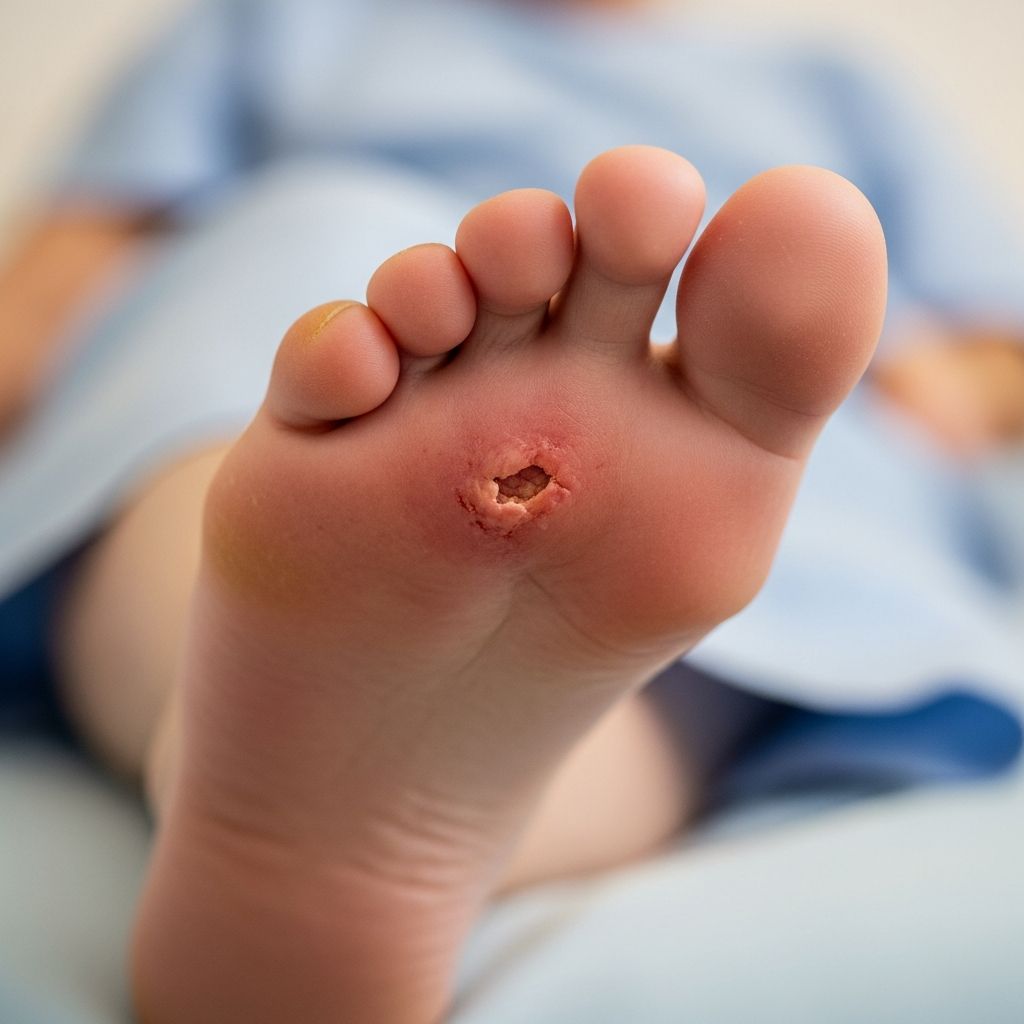
Bedsores can be painful and itchy, though some individuals with dulled sensations or neuropathy may not feel them developing. What a bedsore looks like and the symptoms it causes vary significantly depending on the stage of the wound. Early-stage pressure injuries may appear as redness or discoloration that doesn’t blanch (turn white) when pressed. As the wound progresses, it may develop blisters, open sores, or deep wounds that extend into underlying tissue.
Related Stories



In advanced stages, the appearance can be quite alarming, with dark, blackened tissue (eschar) indicating tissue death. Some individuals may not notice symptoms until significant damage has already occurred, making regular skin inspections crucial for at-risk populations.
Staging System for Pressure Ulcers
Healthcare providers use a standardized staging system to determine the severity of pressure injuries and guide treatment decisions. Understanding these stages helps patients and caregivers recognize the progression of bedsores and when professional medical intervention is necessary.
Stage 1 Pressure Injuries
Stage 1 represents the earliest form of pressure ulcer development. The skin appears red or discolored but remains intact without breaks or open wounds. The affected area may feel warm, firm, or tender to the touch. In darker-skinned individuals, the discoloration may be more difficult to detect but appears as an area of different color or tone.
Stage 2 Pressure Injuries
Stage 2 pressure injuries involve a partial-thickness loss of skin. The wound may appear as a blister, abrasion, or shallow open sore. The surrounding skin may appear red or irritated. At this stage, the wound has penetrated through the epidermis into the dermis, the layer of skin beneath the outer layer.
Stage 3 Pressure Injuries
Stage 3 represents a full-thickness skin loss. The wound extends deeper into the subcutaneous tissue (the fatty layer beneath the skin), and the area may appear as a deep crater or cup-shaped wound. The wound edges are distinct, and there may be discoloration or dead tissue visible at the wound base.
Stage 4 Pressure Injuries
Stage 4 is the most severe classification, involving extensive tissue damage. The pressure ulcer extends through all skin layers and damages underlying muscle, bone, or other supporting structures. These wounds are deep, large, and potentially life-threatening due to the risk of severe infection.
Serious Complications and Health Risks
Advanced bedsores carry significant health risks. Pressure injuries increase the risk of potentially life-threatening bacterial infections, including cellulitis and septicemia. If an infection develops and spreads throughout the bloodstream, it can lead to sepsis, a medical emergency. In severe cases, tissue damage may be so extensive that amputation becomes necessary.
Some individuals develop sinus tracts—passages that connect the pressure sore injury to structures deeper in the body. These tracts can create complex wounds that are difficult to treat and may lead to additional complications depending on the structures involved.
The global impact is substantial: worldwide, bedsores lead to the deaths of more than 24,000 people each year. This sobering statistic highlights the importance of prevention and early intervention.
Signs of Infection in Pressure Ulcers
Recognizing infection signs early is critical for preventing serious complications. Fever and chills are often the first indicators that an infection has developed. The pressure ulcer itself may show signs of infection through increased drainage, pus, or odor. The wound may also become warmer, more painful, or show increased redness and swelling around the affected area.
Any signs of infection warrant immediate medical attention. Healthcare providers can prescribe appropriate antibiotics and increase monitoring to prevent the infection from progressing to sepsis or other life-threatening conditions.
Diagnosis and Professional Assessment
Healthcare providers diagnose and stage bedsores based on their appearance and characteristics. During an examination, your provider will carefully assess the wound’s depth, size, and the tissue involved. Providers often photograph the sore to monitor wound healing progress over time and document the effectiveness of treatment interventions.
Depending on the clinical presentation, your healthcare provider may recommend certain tests to check for infections. Blood tests or wound cultures can help identify bacterial infections and guide antibiotic selection. Imaging studies may be needed for deep wounds to assess involvement of underlying structures.
For complex or severe pressure injuries, you may be referred to a wound specialist—a healthcare professional with specialized training in wound care and healing.
Treatment Options for Bedsores
Treatment approaches depend on the stage and severity of the pressure injury. Early-stage bedsores (stages 1 and 2) may be manageable with conservative care at home, while advanced pressure ulcers (stages 3 and 4) typically require professional medical intervention.
Self-Care and Home Treatment
For stages 1 or 2 bedsores, you or a caregiver may be able to provide effective treatment. The foundation of care involves relieving pressure from the affected area through frequent repositioning. Keeping the wound clean and dry is essential, along with using appropriate dressings that maintain moisture balance. Ensuring adequate nutrition and hydration supports the body’s natural healing processes.
Professional Wound Care
For deep or severe pressure ulcers (stages 3 and 4), professional medical intervention becomes necessary. Your healthcare provider may perform debridement, a procedure that removes dead tissue from the wound. Providers may use a scalpel to remove dead tissue or apply specialized ointments that help the body dissolve necrotic tissue naturally. Because even though the tissue is dead, the surrounding area remains sensitive, local anesthetics are often applied before debridement procedures.
Surgical Intervention
Stages 3 or 4 pressure sores that are deep or affect a large area of skin may require surgery. Depending on your specific condition and the extent of tissue damage, your healthcare provider might recommend a skin graft to close the wound and promote healing. Surgical closure helps prevent infection and accelerates the healing process for extensive wounds.
Medication Management
Depending on your symptoms, you may take antibiotics if infection is present or suspected, pain medications to manage discomfort, and nutritional supplements to support healing. Your healthcare provider will determine the appropriate medication regimen based on your individual circumstances.
Healing Timeline and Prognosis
The time required for a pressure sore to heal varies significantly depending on the stage and severity. Stages 1 and 2 bedsores typically respond well to treatment and may heal relatively quickly with appropriate intervention. However, stages 3 or 4 pressure ulcers may take weeks or months to heal, even with optimal treatment. Estimates of complete healing for pressure ulcers are as low as 10%, with as few as 13% of pressure ulcers healing within 2 weeks in acute hospital settings.
It’s important to note that even after healing, your skin isn’t as strong as it was before the injury. The healed area remains vulnerable to reinjury, making continued preventive measures essential.
Prevention Strategies for Bedsores
The most effective approach to bedsores is prevention. Understanding and implementing prevention strategies can significantly reduce the risk of developing pressure injuries. Healthcare providers recommend several key prevention measures:
Regular Repositioning
Frequent repositioning is one of the most important prevention strategies. The recommended repositioning schedule varies based on the individual’s situation:
| Position | Repositioning Frequency |
|---|---|
| Seated (wheelchair users) | Every 15-20 minutes |
| Lying Down (bedridden) | Every 2 hours |
Regular repositioning maintains blood flow to vulnerable areas and prevents sustained pressure from causing tissue damage.
Pressure-Relieving Devices
Using specialized cushions, pads, and mattresses helps distribute pressure more evenly across the body. For wheelchair users, foam or gel cushions and natural sheepskin pads reduce pressure on the skin. For those in bed, foam mattresses, gel-filled mattresses, or air mattresses with pads underneath help absorb moisture and distribute weight appropriately.
Bed Positioning
Proper positioning in bed is crucial for prevention. Keep the head of your bed low, tilting it no more than a 30-degree angle. This positioning prevents sliding down the bed, which could create shearing forces and strain on the skin surrounding the tailbone.
Active Pressure Relief
If you’re in a wheelchair and have sufficient upper body strength, perform wheelchair pushups regularly. Press your forearms against the arms of the chair to lift your body from the seat, relieving pressure on vulnerable areas.
Skin Care and Moisture Management
Maintaining healthy skin is fundamental to pressure injury prevention. Keep skin clean and dry, managing incontinence promptly to prevent moisture damage. Use barrier creams to protect vulnerable areas, and ensure adequate hydration and nutrition to support skin health.
The SSKIN Approach to Prevention
Healthcare providers emphasize five key prevention messages using the acronym SSKIN:
- Surface: Use appropriate pressure-relieving surfaces and devices
- Skin: Inspect skin regularly and maintain proper skin care
- Keep moving: Perform regular repositioning and maintain mobility when possible
- Incontinence: Manage incontinence promptly to prevent skin moisture
- Nutrition: Ensure adequate nutrition to support skin health and wound healing
Frequently Asked Questions About Bedsores
Q: How quickly can a bedsore develop?
A: Pressure injuries can develop in as little as two hours when constant pressure is applied to the skin. This is why frequent repositioning is so critical for at-risk individuals.
Q: Can bedsores be prevented entirely?
A: While bedsores cannot always be prevented in all individuals, the risk can be significantly reduced through consistent application of prevention strategies including regular repositioning, use of pressure-relieving devices, proper skin care, and adequate nutrition.
Q: Are stage 1 and 2 bedsores always treatable?
A: Stage 1 and 2 bedsores respond well to treatment when caught early and managed appropriately. Early intervention significantly improves outcomes and prevents progression to more severe stages.
Q: What should I do if I suspect an infection in a bedsore?
A: Contact your healthcare provider immediately if you notice signs of infection such as fever, chills, increased drainage, pus, odor, or increased pain and redness around the wound. Prompt medical attention can prevent serious complications.
Q: How long does it take for a bedsore to heal?
A: Healing time varies greatly depending on the stage and severity. Stage 1 and 2 bedsores may heal relatively quickly with treatment, while stage 3 or 4 pressure ulcers may take weeks or months to heal completely.
Q: Are pressure injuries only a concern for elderly patients?
A: While older adults are at higher risk, anyone who is immobile for extended periods—regardless of age—can develop pressure injuries. This includes patients with spinal cord injuries, severe disabilities, or those recovering from surgery.
References
- Bedsores (Pressure Ulcers): Symptoms, Staging & Treatment — Cleveland Clinic. 2024. https://my.clevelandclinic.org/health/diseases/17823-bedsores-pressure-injuries
- WHS Guidelines for the Treatment of Pressure Ulcers—2023 Update — Wound Healing Society, PubMed Central. 2023. https://pubmed.ncbi.nlm.nih.gov/37970711/
- Prevention and Treatment of Pressure Ulcers — Cleveland Clinic Journal of Medicine, Cleveland Clinic. 2024. https://www.ccjm.org/content/ccjom/68/8/704
- Pressure Ulcer Risk Assessment and Prevention — Wound Healing Society Guidelines, Wiley Online Library. 2023. https://onlinelibrary.wiley.com/doi/10.1111/wrr.13130
Similar Articles








Read full bio of Sneha Tete