Bedwetting (Enuresis): Causes, Symptoms & Treatment
Comprehensive guide to understanding and treating bedwetting in children and adults.
Understanding Bedwetting (Enuresis)
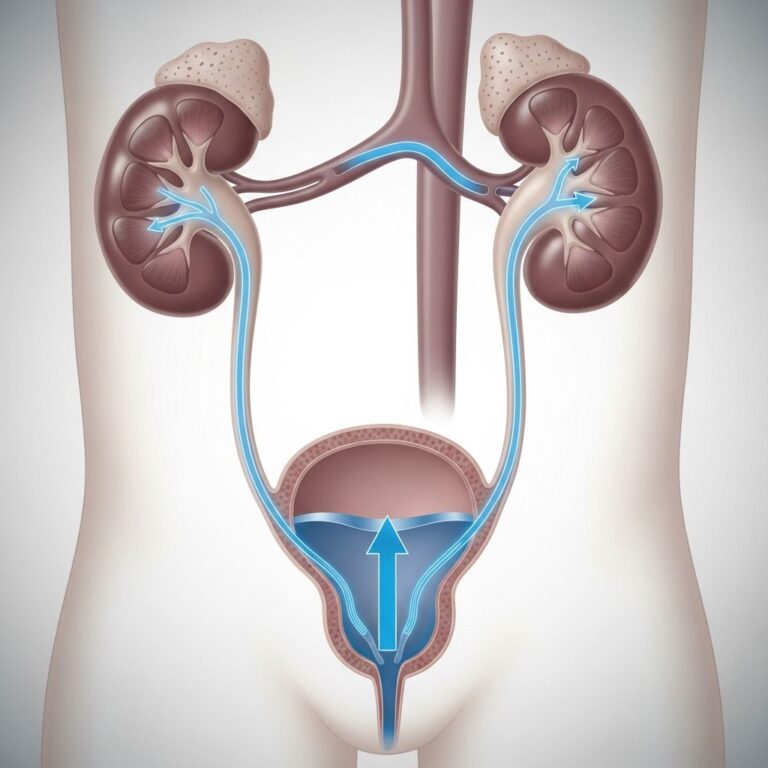
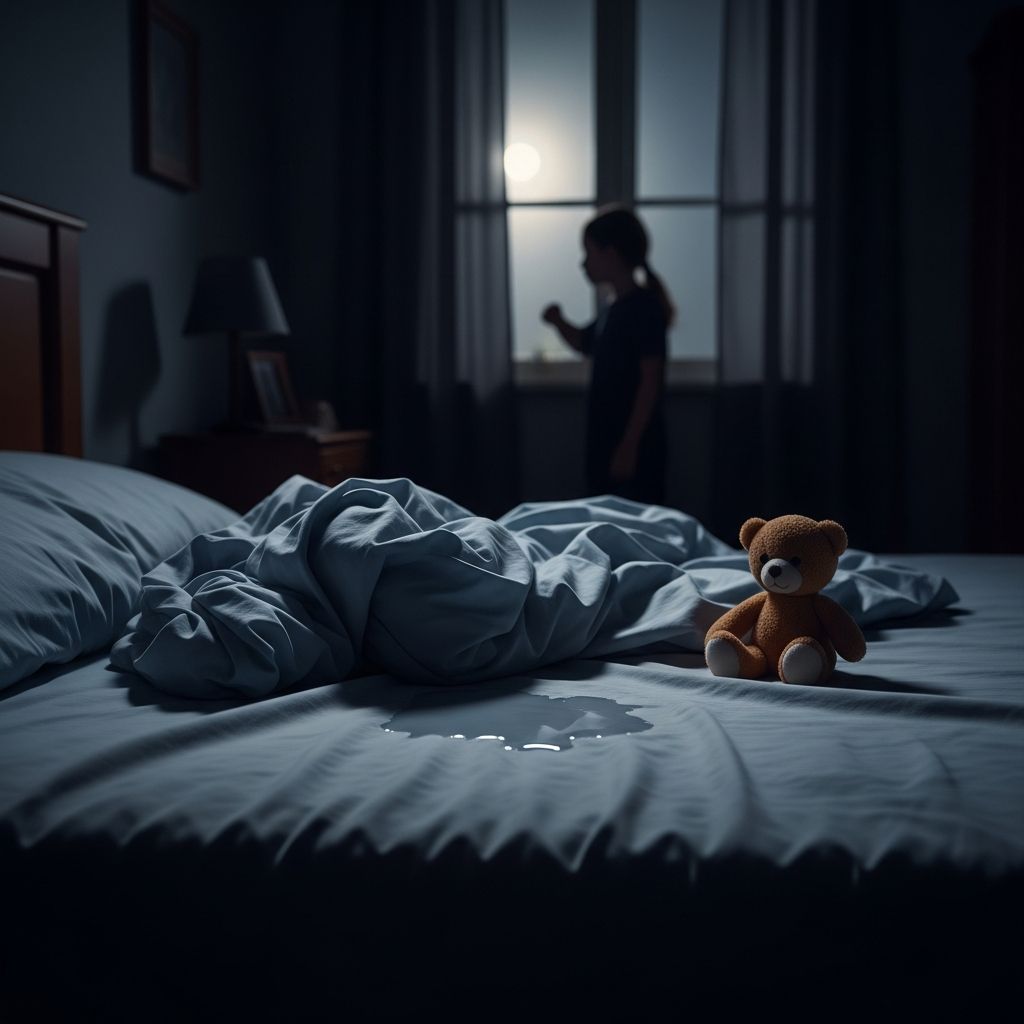
Bedwetting, medically known as enuresis, is the involuntary loss of urine during sleep in children who are old enough to be expected to have bladder control. This condition is relatively common in childhood and affects millions of children worldwide. Enuresis is not a sign of laziness or behavioral problems, nor is it caused by children drinking too much fluid before bedtime. Rather, it involves a combination of factors related to bladder function, sleep patterns, and hormone production.
The condition can be classified into two main types: primary nocturnal enuresis, where a child has never achieved consistent nighttime dryness, and secondary enuresis, where bedwetting resumes after a period of dryness. Understanding the underlying causes and available treatment options is essential for parents, caregivers, and healthcare providers to address this condition effectively.
Prevalence and Impact
Bedwetting is a common childhood condition affecting approximately 15% to 20% of five-year-olds and up to 2% of young adults. In the United States alone, an estimated 5 million to 7 million children experience primary nocturnal enuresis. While many children naturally outgrow bedwetting, the condition can have significant psychosocial implications, including social stigmatization, low self-esteem, and family stress. Older children tend to experience greater emotional distress from bedwetting compared to younger children, particularly as they approach school age and become aware of peer expectations.
Causes and Risk Factors
Primary Contributing Factors
The etiology of bedwetting is multifactorial and not yet completely understood. However, several key factors have been identified:
Antidiuretic Hormone Secretion: During normal sleep, the body increases the secretion of antidiuretic hormone (ADH), which reduces the amount of urine produced by the kidneys. Some children with enuresis may excrete significantly higher volumes of more diluted urine during sleep than children without the condition, overwhelming the bladder’s capacity.
Sleep Arousal Difficulties: While older studies suggested a correlation between deep sleep and bedwetting, more recent research indicates that bed-wetting may occur at different stages of sleep. However, some evidence suggests that children with nocturnal enuresis may have difficulties waking in response to a full bladder sensation.
Bladder Dysfunction: Overactivity of the bladder during sleep or reduced bladder capacity can contribute to bedwetting episodes. Some children may also have difficulty with daytime toileting habits that increase nighttime accidents.
Upper Airway Obstruction: Nocturnal enuresis has been associated with upper airway obstruction in children, and surgical relief of the obstruction by tonsillectomy or adenoidectomy has been reported to diminish nocturnal enuresis in up to 76% of patients.
Environmental and Lifestyle Factors
Hydration Patterns: While the common myth suggests that drinking too much fluid before bedtime causes bedwetting, excessive fluid intake—particularly before sleep—may overwhelm the bladder and cause urgency or leakage in susceptible children. Conversely, dehydration can also contribute to toileting issues by increasing urine concentration, which irritates the bladder and contributes to urgency and incontinence.
Related Stories



Constipation: Poor nutrition and eating habits, combined with chronic constipation, are major contributors to bedwetting. Constipation can compress the bladder and interfere with normal urinary function.
Stress and Transitions: Life changes such as the start of school, family stress, or significant transitions can worsen bedwetting in children. Emotional factors can affect bladder control and increase the frequency of accidents.
Secondary Enuresis Causes
When bedwetting occurs after a period of dryness, it is classified as secondary enuresis and may result from underlying medical conditions. These include neurogenic bladder and associated spinal cord abnormalities, urinary tract infections, posterior urethral valves in boys, or an ectopic ureter in girls. An ectopic ureter causes constant wetting throughout the day and night, while posterior urethral valves cause significant voiding symptoms such as straining to void and diminished urinary stream.
Symptoms and Signs
The primary symptom of bedwetting is involuntary urination during sleep. However, related symptoms may include:
- Nighttime wetting that interferes with sleep, hygiene, or self-image
- Frequent urination and urgency during daytime hours
- Daytime incontinence or wetting at school or social events
- Chronic constipation or diarrhea
- Chronic urinary tract infections
- Difficulty fully emptying the bladder or bowel during toilet use
- Giggle incontinence or leaking with laughter, coughing, or exercise
Diagnosis and Evaluation
Proper evaluation of bedwetting requires a comprehensive assessment by a healthcare provider. The most important factors to consider include the patient’s age, the severity and perceived severity of the problem within the family, the spontaneous resolution rate, and the patient’s response to therapy.
The evaluation process typically involves:
- A detailed medical history including frequency and timing of bedwetting episodes
- Assessment of daytime voiding patterns and symptoms
- Evaluation of bowel habits and constipation
- Family history of bedwetting
- Physical examination to rule out underlying medical conditions
- Urinalysis to exclude urinary tract infections
- Assessment of sleep patterns and any sleep disorders
- Evaluation of emotional and psychosocial factors
When assessing the severity of the problem, physicians must recognize that older children often suffer more from the stigma of bed-wetting than younger children and may warrant prompt medical intervention to allow them to participate in peer activities, such as sleepovers and school trips.
Treatment Options
Treatment of nocturnal enuresis can be divided into two broad categories: nonpharmacologic and pharmacologic approaches. The choice of treatment depends on the child’s age, the frequency and severity of bedwetting, family preferences, and response to previous interventions.
Nonpharmacologic Treatment
Behavioral Conditioning: Behavioral conditioning using bedwetting alarms is a well-established treatment approach. When the child voids in bed, a moisture-sensing device placed near the genitals is activated and triggers an alarm that evokes a conditioned response of waking and inhibiting urination. Bedwetting alarms have been found to be more effective than many medications in achieving 14 consecutive dry nights.
Motivational Therapy and Star Charts: Positive reinforcement through reward systems and progress tracking can encourage children to maintain dry nights and participate actively in managing their condition.
Retention Control Training: This involves helping children practice holding their urine during daytime hours to gradually increase bladder capacity.
Fluid Management: Appropriate fluid distribution throughout the day with reduced intake before bedtime can help manage bedwetting, though complete fluid deprivation is not recommended.
Scheduled Wakening: Parents may wake children at specific times during the night to use the toilet, establishing a routine that reduces bedwetting episodes.
Psychotherapy and Counseling: Addressing emotional stress, anxiety, or behavioral factors through professional counseling may help reduce bedwetting in some children.
Hypnotherapy: Some families explore hypnotherapy as a complementary approach, though evidence for its effectiveness is limited.
Pharmacologic Treatment
Because increased awareness of primary nocturnal enuresis recognizes it as a significant psychosocial stressor, pharmacologic treatment options have evolved significantly, and safer, more effective medications are now available.
Desmopressin: This is the most commonly prescribed medication for nocturnal enuresis. Desmopressin is a synthetic form of antidiuretic hormone that reduces urine production during sleep. It is administered as an oral tablet or nasal spray and can be effective in reducing bedwetting episodes in many children.
Tricyclic Antidepressants: Medications such as imipramine have been used to treat bedwetting, though the mechanism of action is not fully understood. They may work by affecting bladder muscle contractions or sleep arousal.
Other Medications: Oxybutynin and other anticholinergic medications have been tried for bedwetting, though evidence suggests that bedwetting alarms are more effective than these drugs alone.
Importantly, there is not enough reliable evidence to show that drugs other than desmopressin or tricyclics reduce bedwetting in children during treatment when used in isolation, despite their risk of unwanted side effects. Drug therapy can be combined with the use of alarms to optimize effectiveness, and medications are typically tapered and discontinued when patients do not experience nighttime bedwetting for at least 80% of the time.
When to Seek Medical Help
Parents should consider consulting a healthcare provider if:
- Bedwetting persists beyond age 6 or 7 years
- A child who previously had consistent dry nights begins wetting the bed again
- Bedwetting is accompanied by painful urination, urgency, or daytime incontinence
- The child experiences significant emotional distress or social withdrawal
- Bedwetting interferes with school, social activities, or family life
- There are signs of underlying medical conditions such as infections or neurological problems
Prognosis and Natural Resolution
Spontaneous resolution is common in bedwetting, with many children naturally outgrowing the condition. However, waiting for natural resolution may not be appropriate for older children who experience emotional distress or social impact. Realistic goal setting and proper follow-up are essential components of successful management. With appropriate treatment—whether behavioral, pharmacologic, or combined—the majority of children can achieve significant improvement or complete resolution of bedwetting.
Frequently Asked Questions
Q: Is bedwetting a sign of a serious medical condition?
A: In most cases, primary nocturnal enuresis is not associated with serious underlying medical conditions. However, secondary enuresis or bedwetting accompanied by other symptoms should be evaluated by a healthcare provider to rule out infections, urological abnormalities, or neurological problems.
Q: Will punishing a child for bedwetting help stop it?
A: No. Punishment can increase stress and anxiety, which may worsen bedwetting. Supportive, non-judgmental approaches that include positive reinforcement are more effective and help protect the child’s emotional well-being.
Q: At what age should I be concerned about bedwetting?
A: While occasional bedwetting is normal up to age 5 or 6, persistent bedwetting beyond age 6 or 7, or bedwetting that resumes after dryness, warrants medical evaluation.
Q: Is bedwetting hereditary?
A: Yes, bedwetting tends to run in families. If one or both parents experienced bedwetting, children have a higher likelihood of also experiencing this condition.
Q: How long does treatment take to work?
A: Treatment timelines vary depending on the approach used. Behavioral interventions may take several weeks to months, while medications can show effects within days or weeks. Combination approaches often provide the fastest results.
Q: Can bedwetting be completely cured?
A: Yes, with appropriate treatment, most children can achieve complete resolution of bedwetting. Success rates vary by treatment type, with behavioral conditioning and medications like desmopressin showing significant effectiveness.
References
- Primary Nocturnal Enuresis: Current Concepts — American Academy of Family Physicians. 1999-03-01. https://www.aafp.org/pubs/afp/issues/1999/0301/p1205.html
- Drugs for nocturnal enuresis in children (other than desmopressin and tricyclics) — National Center for Biotechnology Information. 2020-03-16. https://pmc.ncbi.nlm.nih.gov/articles/PMC7100585/
- Pediatrics and Pelvic Health: Bedwetting In Children — Fusion Wellness Physical Therapy. 2025-01-15. https://fusionwellnesspt.com/blog/pediatrics-and-pelvic-health-bedwetting-in-children-when-is-it-a-problem
Similar Articles








Read full bio of medha deb