Bee and Wasp Stings: Symptoms and Treatment
Complete guide to understanding, managing, and treating bee and wasp stings effectively.
Bee and wasp stings are common injuries that most people will experience at some point in their lives. While many stings cause only minor discomfort and can be treated at home, understanding the symptoms, proper first aid techniques, and appropriate treatment options is essential for managing these incidents effectively. This comprehensive guide covers everything you need to know about bee and wasp stings, from initial symptoms to advanced treatment strategies.
Understanding Bee and Wasp Sting Reactions
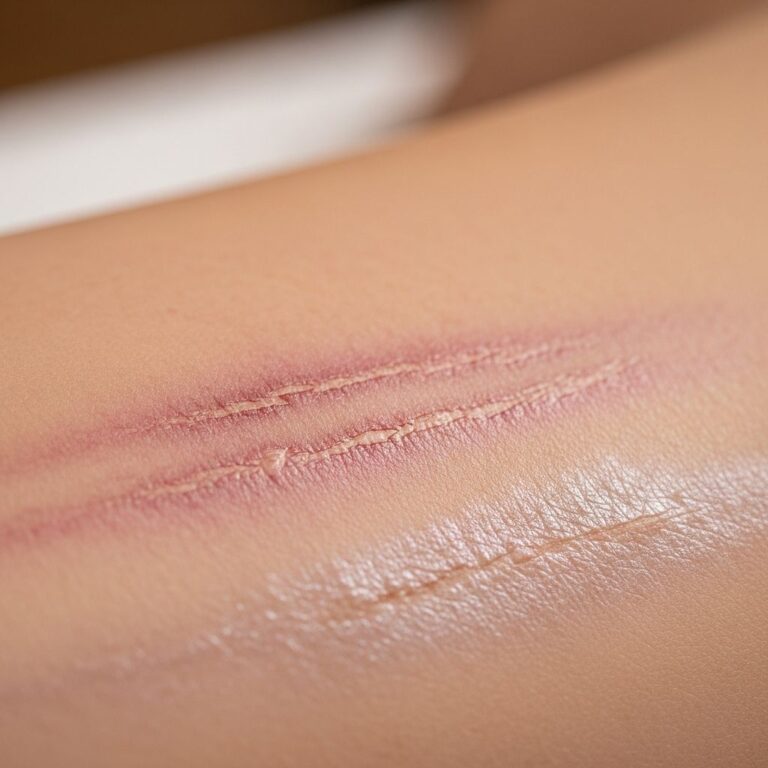
The venom injected by bees and wasps induces a local toxic reaction at the site of the attack. A typical local reaction to a bee or wasp sting produces several characteristic symptoms. The initial response is usually instant pain at the sting site that is sharp, burning, and typically lasts a few seconds. Following this acute pain, a swollen and discolored mark develops that can be itchy, burning, and painful. Within hours, swollen hives or welts may appear, with these reactions peaking about 48 hours after the sting and lasting for up to one week.
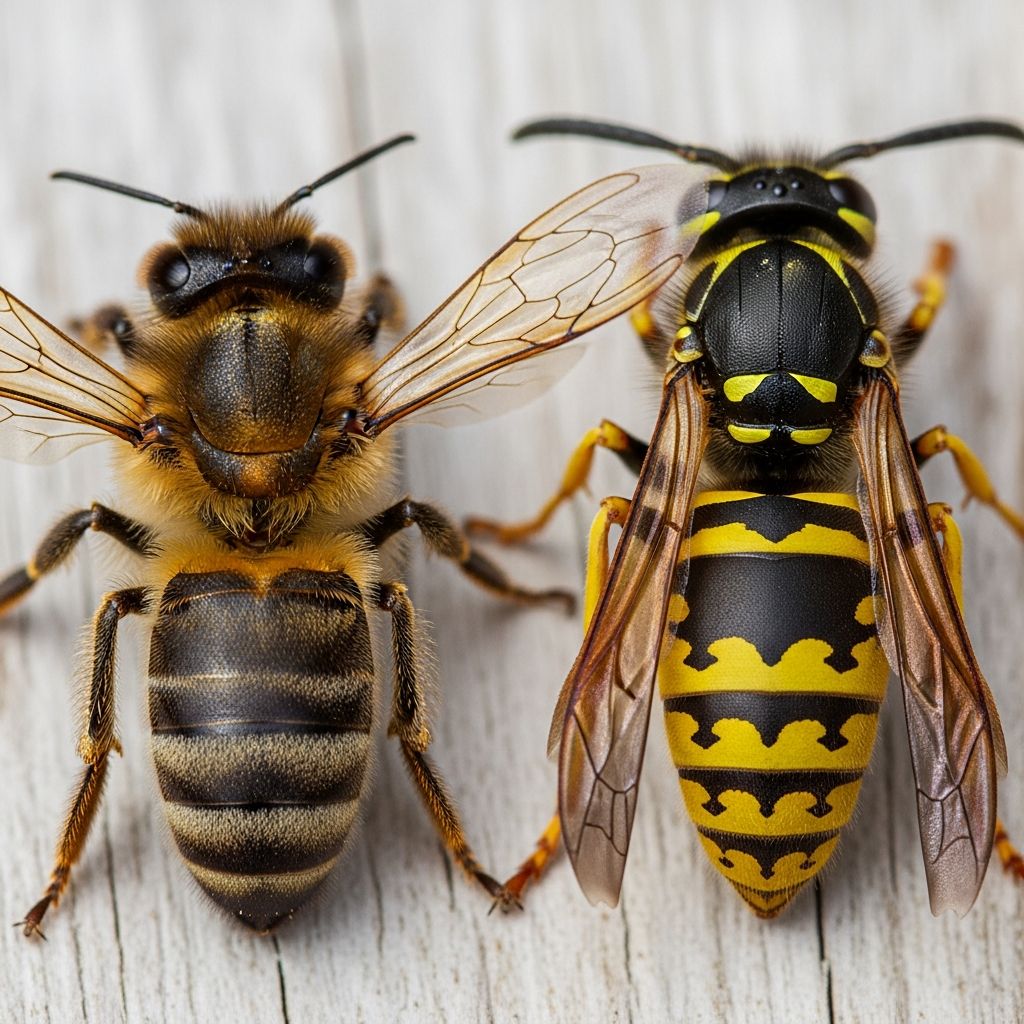
It is important to distinguish between bees and wasps when a sting occurs. Honey bee stingers remain embedded in the skin and continue to inject venom even after the bee has left. Conversely, wasps and hornets do not usually leave a stinger, allowing them to sting multiple times. This fundamental difference affects the immediate treatment approach and the risk of continued venom injection.
Differences Between Bee and Wasp Stings
| Characteristic | Bee Sting | Wasp Sting | |
|---|---|---|---|
| Stinger Remains | Yes, embedded in skin | No, wasp retains stinger | |
| Multiple Stings | Usually one sting per bee | Can sting multiple times | |
| Venom Injection | Continues after departure | Single injection only | |
| Pain Intensity | Sharp, moderate pain | Often more painful initially |
Symptoms of Bee and Wasp Stings
Normal Local Reaction
A normal reaction to a bee or wasp sting includes the following symptoms:
- Instant sharp, burning pain lasting a few seconds to several minutes
- Redness and discoloration at the sting site
- Swelling and inflammation that may increase over hours
- Itching and burning sensations around the affected area
- Hives or welts that develop and peak at approximately 48 hours post-sting
- General discomfort that typically resolves within one week
Duration of symptoms varies: the initial burning sensation and pain usually last only 1–2 hours, swelling can continue for 48 hours and last up to a week, and skin discoloration can persist for 3 days.
Large Local Reactions
Some stings produce more severe symptoms classified as large local reactions. These reactions include:
- Extreme discoloration and swelling affecting an area of skin up to 10 centimeters (cm) across
- Swelling of an entire extremity or limb, which may last several days
- In cases of multiple stings, a rash, fever, nausea, and headaches may develop
- Rarely, swelling and pain in the joints, which tend to develop after several days
Most sting symptoms reach their peak at 48 hours after the initial sting, though swelling can continue for up to a week in some cases.
Immediate First Aid for Bee and Wasp Stings
Related Stories



Removing the Stinger
The first priority following a bee sting is promptly removing the stinger, as it continues to inject venom into the skin even after the bee has departed. Remove the stinger by scraping it off with a blunt, flat object such as a credit card, butter knife, piece of card, or your fingernail. Avoid using tweezers or squeezing the sting site, as this may inadvertently inject more venom into the wound.
Wasp stings typically do not require stinger removal since wasps retain their stingers and can sting multiple times. However, if the wasp does leave a stinger embedded, follow the same removal procedure as for bee stings.
Immediate Care Steps
After removing any embedded stinger, follow these essential first aid steps:
- Wash the sting site with plain soap and water or an antiseptic wash to remove any bacteria or venom residue
- Apply a cold compress to reduce swelling and pain. This could be a cloth-wrapped ice pack, frozen peas, or a cold cloth
- Stay calm and move to another area to avoid additional stings, particularly important when wasps are present since they can sting multiple times
- Remain with the person to watch for signs of a severe reaction, especially in individuals with known allergies
Treatment Options for Bee and Wasp Stings
Over-the-Counter Medications
Most bee and wasp stings can be treated without medical attention. People can use various over-the-counter and home remedies to manage discomfort:
- Analgesics: Aspirin or acetaminophen (paracetamol) to reduce pain and inflammation
- Anti-inflammatory medications: Ibuprofen specifically helps lessen pain and reduce swelling at the sting site
- Antihistamine creams or oral antihistamines: These address itching and allergic responses
- Topical corticosteroids: Hydrocortisone cream or stronger corticosteroid ointments prescribed by a doctor reduce itching and inflammation
- Anesthetic sprays or creams: These provide localized pain relief
- Calamine lotion: A traditional remedy that helps soothe itching
- Menthol moisturizers or gels: These provide cooling relief and reduce itching sensations
- Aluminium sulphate gels and sprays: Alternative options for itch relief
Cold Therapy
Cold therapy is particularly effective for reducing inflammation and pain. Wrap a thin cloth around an ice or cold pack and apply it to the sting site for 30 to 60 minutes, using intervals of 10 minutes on and off. This approach helps reduce both swelling and pain significantly.
Supplementary Relief Measures
Beyond medications, several additional measures can provide relief:
- Encourage cool or lukewarm baths to soothe the entire body and reduce itching
- Distract with games, activities, or entertainment to redirect attention from itching
- Avoid scratching to prevent secondary infection and further irritation
- Monitor the site for signs of infection
When to Seek Medical Attention
Signs of Infection
While infection from bee and wasp stings is rare, it can occur. Consult a doctor if the affected area shows a pus discharge or there is an increase in pain, swelling, and discoloration. Infection typically develops at least 24–48 hours after the sting and requires professional medical evaluation.
Severe Allergic Reactions (Anaphylaxis)
Some individuals experience severe allergic reactions to bee and wasp venom. Call for urgent medical help if there are signs of an allergic reaction. Symptoms of severe allergic reactions include:
- Facial swelling and difficulty breathing
- Tightness in the throat or chest
- Tickling in the throat
- Uncontrolled coughing
- Wheezing in the chest
- Nausea or vomiting
- Dizziness or fainting
- Profuse sweating
- Anxiety
- Hives over large parts of the body
Other Reasons to Seek Medical Care
Medical evaluation is recommended if:
- The child develops blistering, widespread hives, or ulcers
- Pain does not resolve or continues to worsen
- Signs of infection develop, including pus and increasing pain and heat at the site
- The person starts to feel unwell with vomiting, stomach pain, fever, sweating, or headache
- Symptoms persist beyond the typical recovery period
Managing Complex Sting Scenarios
Multiple Stings
Multiple stings can produce systemic symptoms including rash, fever, nausea, and headaches. These cases may require medical evaluation to ensure appropriate management and to rule out severe allergic responses.
Stings in Sensitive Areas
Stings in the mouth, throat, or near the eyes require special attention. Stings in these areas can cause significant swelling that may affect breathing or vision, necessitating emergency medical care.
Individuals with Known Allergies
People with documented bee or wasp allergies should carry epinephrine auto-injectors (EpiPens) and use them immediately if stung. Following emergency injection, medical help should be sought immediately.
Prevention Strategies
While not always possible to avoid stings entirely, several prevention measures can reduce risk:
- Wear protective clothing, including long sleeves and pants, when in areas where bees or wasps are common
- Avoid wearing bright colors or floral patterns that attract insects
- Use insect repellents in outdoor settings
- Keep food and beverages covered when eating outdoors
- Avoid sudden movements around bees and wasps
- Do not swat at insects, as this provokes defensive stinging
- Be cautious near nests, hives, or areas with high insect activity
Frequently Asked Questions (FAQs)
Q: How long does a bee sting last?
A: The initial burning sensation and pain usually last only 1–2 hours. Swelling can continue for 48 hours and last up to a week. Skin discoloration can persist for 3 days.
Q: What is a normal reaction to a bee sting?
A: Typical reactions to bee stings include swelling, discoloration, itchiness, and heat at the sting site. These symptoms peak around 48 hours after the sting and resolve within a week in most cases.
Q: How do I know if my wasp sting is infected?
A: An infected sting might produce pus and be painful and swollen with spreading discoloration. Infection typically happens at least 24–48 hours after the sting. Any signs of infection require medical evaluation.
Q: Can wasps sting multiple times?
A: Yes, unlike bees, wasps can sting multiple times because they do not lose their stinger with their sting. They retain their stinger and can inject venom repeatedly.
Q: What should I do if I have a severe allergic reaction to a sting?
A: If you experience symptoms such as facial swelling, difficulty breathing, chest tightness, or wheezing, call emergency medical services immediately. Use an epinephrine auto-injector if available and seek urgent medical attention.
Q: Should I squeeze out the bee stinger?
A: No, you should avoid squeezing the bee sting because this will inject more venom into the wound. Instead, carefully scrape off the stinger using a credit card or blunt object.
Q: Can I treat a bee or wasp sting at home?
A: Yes, most bee and wasp stings can be treated at home with cold compresses, pain relievers, antihistamines, and topical treatments. However, seek medical attention if signs of infection develop or if you experience an allergic reaction.
Q: Should I consult a doctor after being stung?
A: Consult a doctor if the affected area shows pus discharge, increasing pain and swelling, signs of infection, or if you experience symptoms of anaphylaxis. After receiving treatment for a severe reaction, consult with your doctor regarding whether you have a wasp or bee allergy and discuss preventative actions going forward.
References
- Bee and wasp stings: Symptoms, pictures, and treatment — Medical News Today. 2024. https://www.medicalnewstoday.com/articles/297999
- Insect bites & stings: treatment — Raising Children Network. 2024. https://raisingchildren.net.au/guides/a-z-health-reference/insect-bites-stings
- Remedies for Wasp Stings — WebMD. 2024. https://www.webmd.com/skin-problems-and-treatments/remedies-wasp-sting
- Insect bites and stings – Arthropod infestations — DermNet. 2024. https://dermnetnz.org/cme/arthropods/insect-bites-and-stings
- Arthropod bites and stings — DermNet. 2024. https://dermnetnz.org/topics/arthropod-bites-and-stings
Similar Articles








Read full bio of medha deb