Bee Pollen Benefits: 10 Science-Backed Uses And Safety Tips
Discover the potential health benefits of bee pollen, from antioxidants and immunity to wound healing and menopause relief.
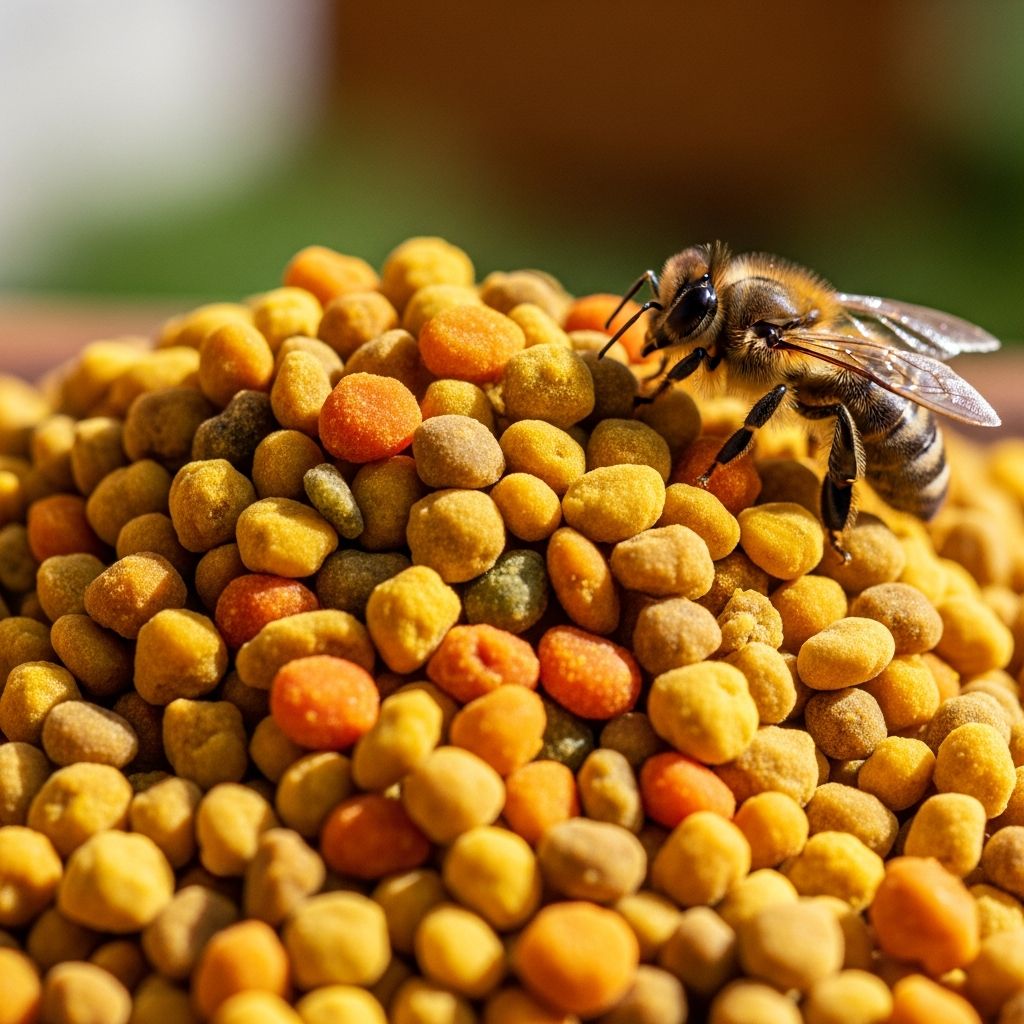
Bee pollen is a nutrient-dense superfood collected by honeybees, offering potential health benefits like antioxidant protection, reduced inflammation, and immune support. While promising, most evidence comes from animal and test-tube studies, with more human research needed.
What Is Bee Pollen?
Bee pollen consists of pollen grains mixed with nectar and bee saliva, collected from flowers and stored in hives. It contains over 250 bioactive compounds, including proteins (up to 40%), carbs (13-55%), fats (5%), vitamins (B-complex, C, E), minerals (iron, zinc, magnesium), enzymes, and antioxidants like flavonoids and polyphenols.
Its composition varies by plant source, season, and location, making it a unique natural multivitamin. Traditionally used in folk medicine, modern interest stems from its potential to combat oxidative stress and support overall wellness.
Bee Pollen Nutrition Facts
A single tablespoon (about 10g) of bee pollen provides roughly 70 calories, 7g carbs, 5g protein, 1g fat, plus trace vitamins and minerals. Key nutrients include:
- Antioxidants: Flavonoids (quercetin, kaempferol), polyphenols, carotenoids – up to 40 times more than some fruits.
- Vitamins: B1, B2, B3, B5, B6, B9 (folate), C, D, E, K.
- Minerals: Selenium, zinc, iron, copper, calcium, magnesium, potassium.
- Amino Acids: All 22 essential and non-essential, including rare ones like phenylalanine.
- Other: Enzymes (amylase, catalase), polysaccharides, and fatty acids.
| Nutrient (per 10g) | Amount | % Daily Value* |
|---|---|---|
| Calories | 70 | 4% |
| Protein | 5g | 10% |
| Carbs | 7g | 3% |
| Antioxidant ORAC Score | High (varies) | > Fruits/veggies |
*Based on 2,000 calorie diet. Data approximated from studies.
Potential Health Benefits of Bee Pollen
1. Powerful Antioxidant Protection
Bee pollen’s high antioxidant content neutralizes free radicals, reducing oxidative stress linked to aging, cancer, diabetes, and heart disease. Flavonoids, polyphenols, and carotenoids in bee pollen outperform many fruits and vegetables in ORAC assays.
A 2015 study showed bee pollen extracts reduce chronic inflammation, kill bacteria, and inhibit tumor growth. A 2021 review confirmed its role in preventing metabolic disorders like diabetes and obesity.
2. Reduces Inflammation
Compounds like quercetin and phenolic acids inhibit inflammatory markers such as TNF and arachidonic acid. This may help with conditions like NAFLD, arthritis, and obesity-related inflammation.
Dr. Ramirez notes bee pollen combats inflammation key to many U.S. diseases, including fatty liver disease. Animal studies support its anti-inflammatory potency comparable to some drugs.
3. Supports Heart Health
Bee pollen may lower LDL cholesterol, triglycerides, and blood pressure. 2017-2018 animal studies showed significant reductions in lipid levels, potentially cutting heart disease risk – the world’s top killer.
Antioxidants protect blood vessels, while anti-inflammatory effects reduce plaque buildup.
4. Protects Liver Function
Against toxins, drugs, hepatitis, and NAFLD, bee pollen promotes healing. A 2021 study found it safeguards liver cells and boosts detox enzymes. Another 2016 study confirmed regeneration effects.
In fluoride toxicity models, bee pollen restored minerals and antioxidants.
5. Boosts Immunity
Polysaccharides and amino acids enhance T-lymphocyte production and immune regulation. Test-tube studies show it kills E. coli, Salmonella, and staph. A 2021 review highlights antimicrobial properties.
Related Stories



Long-term use improves circulation, delays aging, and increases vitality.
6. Aids Wound Healing
Antimicrobial, anti-inflammatory, and nutrient-rich profile speeds tissue repair, reduces infection risk, and limits scarring. Effective for cuts, burns, and surgical wounds per 2022 propolis-related research (similar compounds).
Proteins and vitamins rebuild cells.
7. May Fight Cancer
Test-tube studies (2013, 2017) show bee pollen induces apoptosis in prostate, colon, and leukemia cells, inhibiting growth. Polyphenols play a role in obesity-cancer links. Human trials needed.
8. Eases Menopause Symptoms
Folk remedies and early studies suggest relief from hot flashes, mood swings, joint pain, and sleep issues. Nutrients support hormonal balance. Consult a doctor for severe symptoms.
9. Allergy Relief
Local bee pollen may desensitize to pollen allergens, reducing seasonal symptoms via anti-inflammatory effects. Dr. Sbrocco recommends it pre-season. Start low dose.
10. Other Benefits
- Anti-obesity: Phenolics aid weight management.
- Antibacterial/Antifungal: Inhibits pathogens.
- Men’s Health: May boost fertility via antioxidants.
How to Use Bee Pollen
Start with 1/4 tsp daily, build to 1-2 tbsp. Forms: granules, powder, capsules, tinctures.
- Sprinkle on yogurt, smoothies, salads.
- Mix in energy balls or teas.
- Take sublingually for absorption.
Store in cool, dry place; refrigerate for longevity. Choose local, organic from trusted beekeepers.
Side Effects and Risks
Generally safe, but:
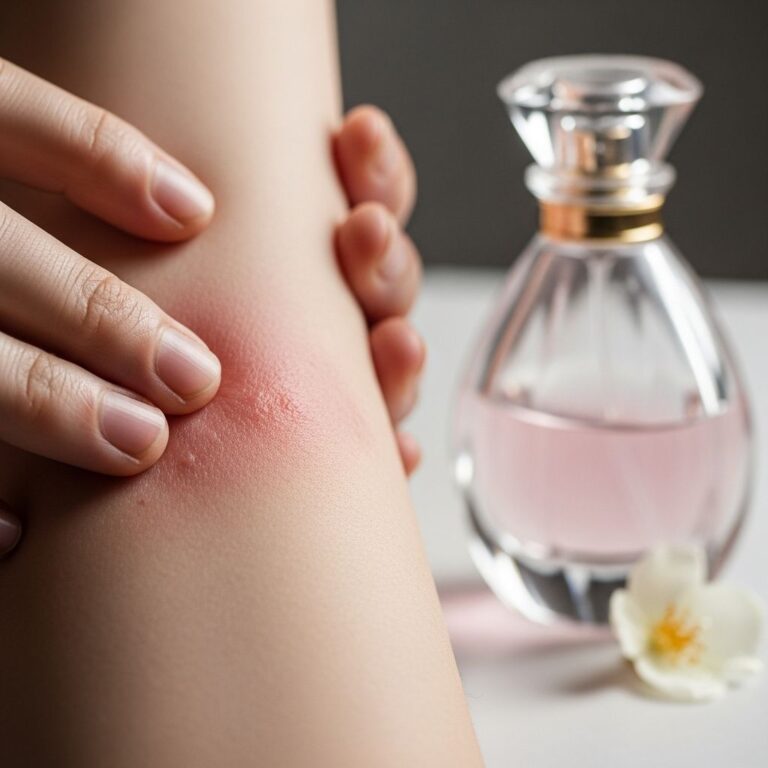
- Allergies: 10% risk of anaphylaxis in pollen/bee product allergic people. Test small dose.
- Pregnancy/Breastfeeding: Avoid due to limited data.
- Interactions: May amplify blood thinners, immunosuppressants.
- Contaminants: Pesticides, heavy metals possible; source quality matters.
Asthmatics and infants: caution. Discontinue if rash, swelling, breathing issues occur. Consult doctor.
Frequently Asked Questions (FAQs)
Is bee pollen safe for everyone?
Most yes, but those with pollen/bee allergies should avoid or test cautiously.
Can bee pollen help with weight loss?
May support via metabolism/antioxidants, but not a magic pill; pair with diet/exercise.
How long to see bee pollen benefits?
1-4 weeks for energy/immunity; varies by individual.
Raw vs. supplements?
Raw granules preserve enzymes; supplements convenient but check quality.
Does bee pollen expire?
1-2 years if stored properly; color/texture changes signal spoilage.
References
- Top 5 benefits of bee pollen supplements — Nebraska Medicine. 2023. https://www.nebraskamed.com/health/healthy-lifestyle/primary-care/top-5-benefits-of-bee-pollen-supplements
- 10 Potential Health Benefits of Bee Pollen — Healthline. 2024-10-04. https://www.healthline.com/health/bee-pollen
- Bee Pollen: Current Status and Therapeutic Potential — PMC/NIH. 2021. https://pmc.ncbi.nlm.nih.gov/articles/PMC8230257/
- The Science Behind Bee Pollen’s Nutritional Power — University Hospitals. 2025-11. https://www.uhhospitals.org/blog/articles/2025/11/the-science-behind-bee-pollens-nutritional-power
- Trending – Bee Pollen — Michigan State University CRIS. 2025-08-04. https://cris.msu.edu/news/trending/trending-bee-pollen/
Similar Articles








Read full bio of medha deb