Bee Sting: Symptoms, Treatment & Prevention
Learn how to treat bee stings, prevent them, and recognize serious allergic reactions.
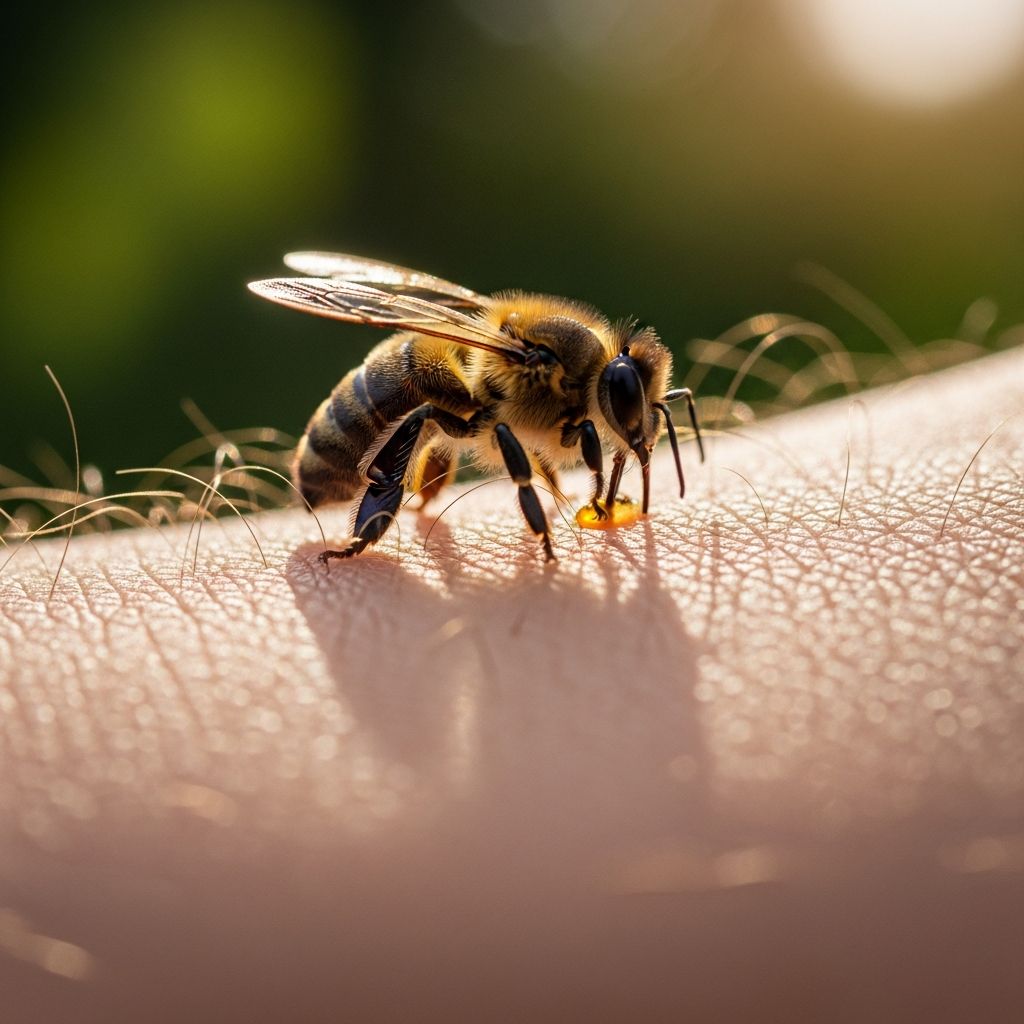
Understanding Bee Stings
Bee stings are a common occurrence during warmer months when people spend more time outdoors. While most bee stings result in minor discomfort and can be treated at home, understanding what happens when you’re stung and how to respond appropriately is essential for your safety and well-being. A bee sting occurs when a honeybee, wasp, hornet, or other stinging insect pierces your skin to inject venom. Unlike honeybees, which can only sting once before dying, wasps and hornets can sting multiple times, making them potentially more dangerous in certain situations.
What Happens During a Bee Sting
When a bee stings you, it leaves behind a stinger attached to a venom sac. This venom sac continues to pump venom into your skin for up to a minute after the initial sting, even after the bee has flown away. The venom contains proteins and compounds that trigger an immediate inflammatory response in your body, causing the characteristic pain, redness, and swelling associated with bee stings. The longer the stinger remains embedded in your skin, the more venom gets injected into the wound, intensifying your symptoms and increasing the risk of complications.
Common Symptoms of Bee Stings
Most people experience similar symptoms when stung by a bee, wasp, or hornet. These symptoms are a normal reaction to the venom and typically resolve on their own within a few days. Common symptoms include:
- Sharp, burning pain at the site of the sting that typically starts immediately
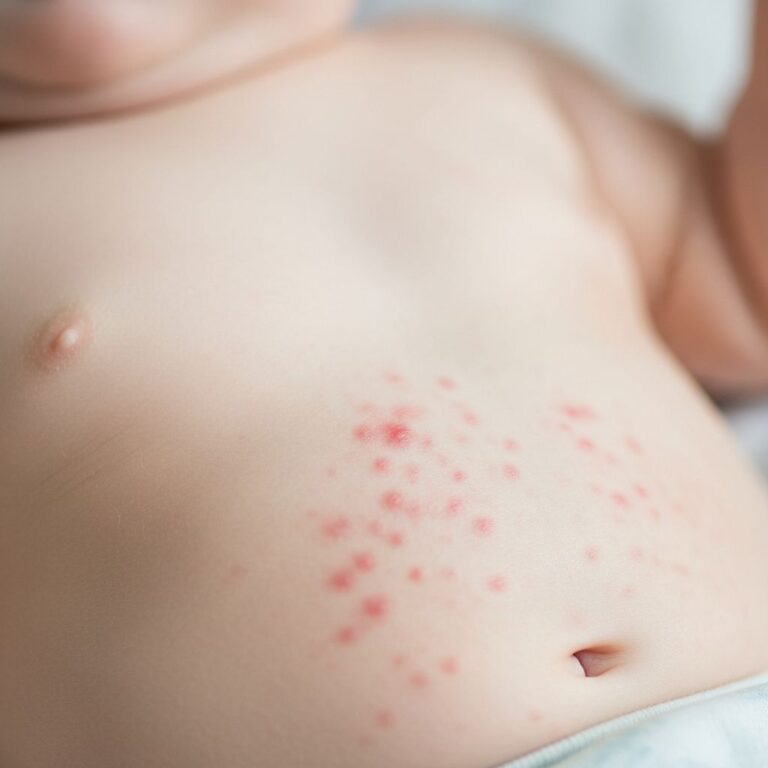
- Redness and inflammation around the sting area
- Swelling that may extend beyond the immediate area of the sting
- Itching and mild throbbing sensations
- Warmth around the affected area
Redness and swelling at the site of the sting is a normal reaction and will subside over time, usually within one to two days. In some cases, particularly if the sting is near joints or on the face, swelling may extend across a wider area. For example, a sting near an ankle can lead to swelling up the leg.
Immediate Treatment: First Aid for Bee Stings
The key to minimizing the effects of a bee sting lies in quick and appropriate first aid response. Following the correct treatment steps can significantly reduce pain, swelling, and the risk of complications.
Step 1: Remove the Stinger Quickly
The most critical step in treating a bee sting is removing the stinger as rapidly as possible. Time is the most important factor in the removal process. Getting the stinger out right away means less venom gets pumped into you, which should reduce your reaction to the sting. Whether you scrape or pull out the stinger doesn’t matter—what matters is doing it quickly. You can use your fingernail, a credit card edge, or any flat object to scrape the stinger away. Avoid using tweezers or pinching the stinger, as this may squeeze more venom into the wound. The faster you remove the stinger, the less venom will be delivered, helping to decrease the side effects of the sting and reducing the risk for anaphylactic shock if you’re allergic.
Related Stories



Step 2: Clean the Affected Area
After removing the stinger, wash the area with soap and water. This helps reduce the risk of infection and removes any remaining venom or debris. If possible, soak the area in cool water for several minutes. Cleaning the wound is particularly important to prevent secondary infections that could complicate your recovery.
Step 3: Apply Cold Compress
The next step is to apply a cold compress to the affected area. You can use an ice pack covered in a towel or a bag of frozen produce. Hold the cold compress on the area for about 20 minutes. Cold therapy helps numb the area, reduces inflammation, and minimizes swelling. Make sure to wrap the ice in a towel rather than applying it directly to skin, as this can cause ice burn.
Step 4: Elevate the Affected Area
Elevating the stung area above heart level helps reduce swelling by promoting drainage and preventing fluid accumulation at the sting site. This is particularly helpful if the sting is on an extremity like an arm or leg.
Step 5: Use Over-the-Counter Medications
If you’re experiencing swelling, itching, or discomfort, several over-the-counter medications can provide relief:
- Antihistamines: These medications block histamine, a chemical released during allergic reactions that causes itching and swelling. Common options include cetirizine, loratadine, and fexofenadine.
- Pain Relievers: Over-the-counter pain medications like ibuprofen or acetaminophen can help reduce discomfort and inflammation associated with the sting.
- Topical Treatments: Hydrocortisone cream or calamine lotion can be applied directly to the sting to reduce itching and promote healing.
Recovery Timeline
Understanding the typical recovery timeline for bee stings can help you know what to expect and when to seek additional care. Symptoms related to a bee sting should start to lessen within a few hours. Swelling and skin discoloration usually go away in two to three days, though in some cases, it can take a week or more for your skin to clear up completely. The itching may persist slightly longer than the swelling but should gradually diminish over this period.
Severe Allergic Reactions and Anaphylaxis
While most bee stings are minor and treatable at home, some people experience severe allergic reactions that require immediate medical attention. For some people, a sting can cause anaphylaxis, a severe, life-threatening allergic reaction that affects your entire body. Anyone could experience anaphylaxis, but those with known allergies and asthma are at higher risk.
Signs and Symptoms of Severe Allergic Reactions
Allergic reactions typically start within 15 minutes of a sting, though they may occur up to six hours later. In rare cases, delayed reactions can develop several days after a sting. Warning signs of a severe allergic reaction include:
- Difficulty breathing or shortness of breath
- Swelling of the face, lips, throat, or tongue
- Hives or widespread rash
- Dizziness or fainting
- Rapid or weak pulse
- Muscle spasms or tremors
- Nausea or vomiting
- Abdominal pain or cramping
- Loss of consciousness
With an allergic reaction, the swelling around the bite or sting will be much larger than expected, potentially expanding to cover more than 4 inches from end to end.
Emergency Response for Anaphylaxis
If you or someone else shows signs of anaphylaxis, immediate action is critical. If you have a known allergy to bee stings and your healthcare provider has prescribed an epinephrine auto-injector (commonly known as an EpiPen), use it immediately as directed. An allergic reaction is somewhat of a spiraling process, so using an EpiPen early is really beneficial to limit that chain reaction. After using an epinephrine auto-injector, you must call 911 or head to an emergency room immediately, even if symptoms seem to improve. Any sting that calls for the use of an EpiPen should be followed by a 911 call.
Prevention Strategies
While you can’t always avoid bee stings completely, taking preventive measures can significantly reduce your risk of being stung. These strategies help you coexist safely with stinging insects during outdoor activities.
Behavioral Precautions
- Avoid wearing bright colors and floral patterns that attract bees
- Don’t wear perfume, scented lotions, or scented hair products when spending time outdoors
- Stay calm around bees and avoid swatting at them, as this makes them defensive
- Avoid outdoor areas with open food or beverages, particularly sugary drinks and foods
- Keep trash cans sealed and clean up food debris promptly
- Wear protective clothing, including long sleeves and pants, when in areas with many bees
- Avoid walking barefoot in grass where bees may be foraging
Environmental Management
Reducing bee activity around your home and outdoor spaces can lower your risk of encountering them. Avoid planting flowers that attract bees if you’re in an area with high bee populations. Cover or remove standing water, as bees need water to survive. If you discover a bee nest on your property, contact a local beekeeper or professional removal service rather than attempting to remove it yourself.
Medication and Equipment for At-Risk Individuals
If you have a severe allergy to insect stings, keep a prescribed epinephrine autoinjector on you at all times, especially when outdoors. Make sure family members and close contacts know where your EpiPen is located and how to use it in case of emergency. Additionally, wear medical alert identification that indicates your bee sting allergy so that emergency responders are aware of your condition.
Special Considerations for Children
Children may experience bee stings during outdoor play and summer activities. Parents and caregivers should be prepared to respond quickly and appropriately. If a child is stung, follow the same first aid steps as for adults: promptly remove the stinger, clean the area, apply cold compress, and elevate if possible.
If your child has allergies to other things such as pollen and dust or has asthma, it might be worth talking to your pediatrician about allergy testing during bee season. Children with bee sting allergies may be prescribed an EpiPen to use in case of a severe reaction to a sting. Teaching children not to panic around bees and to move away calmly rather than swatting can also help prevent stings.
When to Seek Medical Care
While most bee stings can be managed at home, certain situations warrant professional medical evaluation. You should see a healthcare provider if:
- Swelling continues to worsen after several days or spreads to other parts of your body
- Signs of infection develop, including increased warmth, pus, or red streaking from the sting site
- You experience any symptoms suggestive of anaphylaxis
- You have multiple stings or stings in sensitive areas like the mouth or eyes
- You have a known bee sting allergy
- Symptoms persist beyond one week
Frequently Asked Questions
Q: How can I tell if I’m having an allergic reaction to a bee sting?
A: Normal reactions include localized redness and swelling that resolves in one to two days. Allergic reactions typically involve swelling that extends more than 4 inches from the sting site, difficulty breathing, hives, or facial swelling. Seek emergency care if you experience these symptoms.
Q: Is it safe to remove a bee stinger with tweezers?
A: It’s better to avoid tweezers, as squeezing the stinger can inject more venom. Instead, use a fingernail or flat object to scrape the stinger away quickly.
Q: How long does it typically take for a bee sting to heal?
A: Most bee stings heal within two to three days. Swelling and redness typically subside during this period, though in some cases, it may take up to a week for your skin to fully clear.
Q: What’s the difference between a bee sting and a wasp sting?
A: While the treatment is the same for both, wasps can sting multiple times because they don’t lose their stinger, whereas honeybees can only sting once. The symptoms and first aid response are similar for both.
Q: Should I apply heat or cold to a bee sting?
A: Cold therapy is recommended for bee stings. Apply ice wrapped in a towel for about 20 minutes to reduce pain, swelling, and inflammation.
References
- Bee Sting Treatment and Prevention — Cleveland Clinic. 2025-12-01. https://health.clevelandclinic.org/simple-steps-to-prevent-and-treat-bee-and-wasp-stings
- How To Remove a Bee Stinger — Cleveland Clinic. 2025-12-01. https://health.clevelandclinic.org/how-to-remove-bee-stinger
- How To Treat Your Child’s Sting or Bite at Home — Cleveland Clinic. 2025-12-01. https://health.clevelandclinic.org/top-treatments-for-kids-bee-stings-and-bug-bites
- Bug Bites & Stings: Symptoms & Treatment (First Aid) — Cleveland Clinic. 2025-12-01. https://my.clevelandclinic.org/health/diseases/bug-bites
Similar Articles








Read full bio of Sneha Tete