Bee And Wasp Stings: First Aid, Prevention, When To Seek Care
Learn how to prevent, identify, and treat bee and wasp stings safely and effectively.
Be Wise About Bee and Wasp Stings
As warm weather arrives and outdoor activities increase, encounters with stinging insects become more common. Understanding the differences between bees and wasps, recognizing the dangers they pose, and knowing how to respond to stings can help you stay safe and enjoy the outdoors with confidence. Whether you’re gardening, hiking, or simply relaxing in your backyard, this guide will equip you with essential knowledge about bee and wasp stings.
Understanding Bees and Wasps
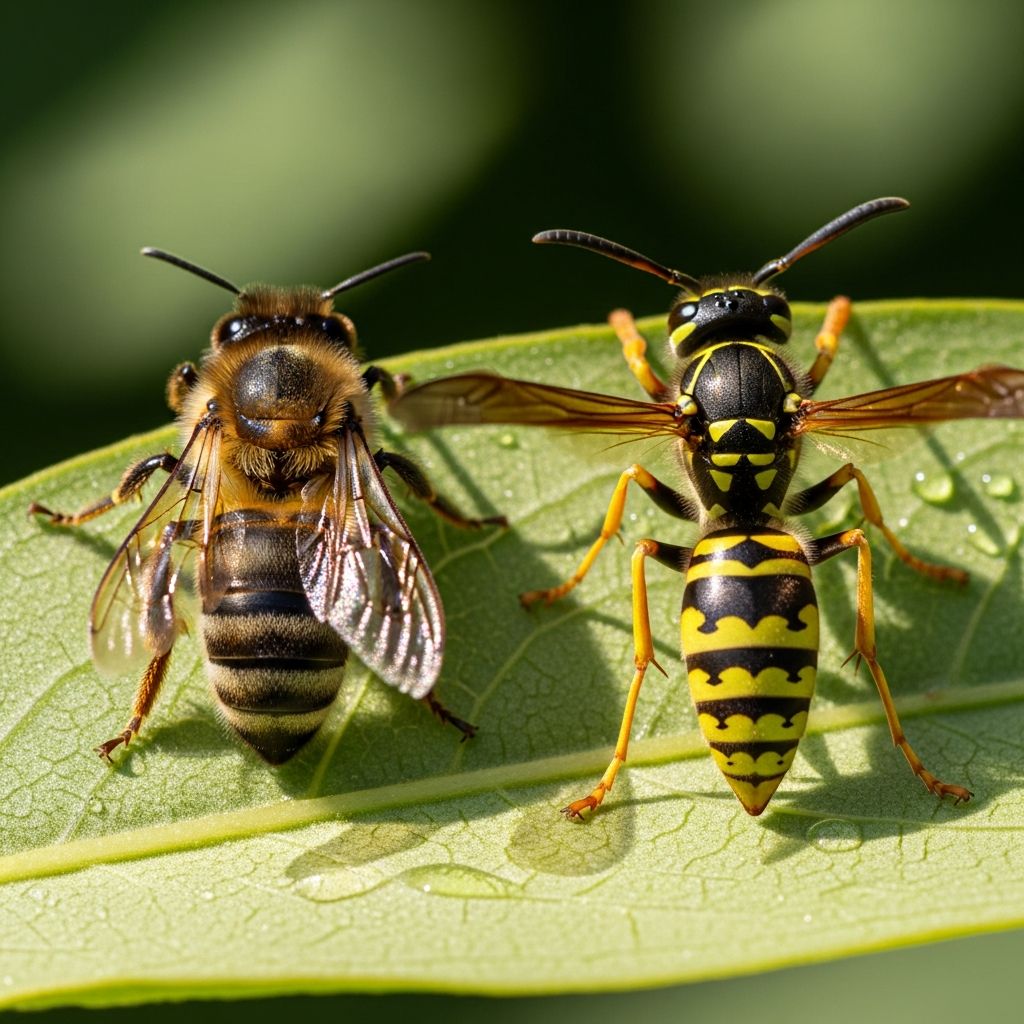
Before discussing stings and treatment, it’s important to understand the insects themselves. Bees and wasps are often confused, but they have distinct characteristics and behaviors.
Honeybees are generally docile and will only sting when defending their hive or when threatened. They have barbed stingers, which means they can only sting once—the stinger becomes lodged in the victim’s skin, and the bee dies after stinging. Honeybees are essential pollinators and play a crucial role in our ecosystem.
Wasps and hornets, particularly yellow jackets, are more aggressive than bees. Unlike honeybees, wasps have smooth stingers and can sting multiple times without dying. They are also more likely to sting without provocation, especially when defending their nests or when attracted to food sources.
Bumble bees are another common stinging insect. They are generally less aggressive than wasps and typically only sting when their nest is threatened.
Risk Factors and Prevention Strategies
Identifying High-Risk Situations
Certain circumstances increase your risk of being stung. Understanding these situations can help you minimize your exposure to stinging insects.
Late summer and early fall present increased risks, as insect populations peak and food becomes scarcer, making insects more aggressive. Yellow jackets, in particular, become increasingly problematic during these months as they search for food sources.
Outdoor eating and food preparation attract wasps and yellow jackets seeking protein and sugary foods. Garbage cans, compost piles, and pet food left outside can also attract these insects. Keep food covered, dispose of garbage properly, and clean up spills immediately.
Practical Prevention Measures
Several strategies can reduce your risk of being stung:
Dress appropriately: Wear light-colored, smooth-textured clothing that covers your arms and legs. Avoid loose fabrics that insects can become trapped in. Insects are attracted to bright colors and floral patterns, which they associate with flowers.
Avoid scented products: Perfumes, scented lotions, and scented hair products can attract stinging insects. Use unscented or lightly scented products when spending time outdoors.
Be cautious around nests: If you notice a nest near your home or in an area where you spend time, avoid it. Do not attempt to remove nests yourself, as this can provoke aggressive behavior. Contact a professional pest control service for safe removal.
Related Stories



Keep moving: Stinging insects are less likely to attack if you remain calm and move slowly. Avoid sudden movements or swatting at insects, as this can provoke them.
Protect outdoor areas: Screen porches and patios to keep insects out. Keep windows closed or use screens. Dispose of garbage in sealed containers and keep compost piles away from living areas.
Recognizing Sting Symptoms
Most people experience immediate, localized reactions to stings. Understanding what to expect can help you respond appropriately.
Immediate reaction: You’ll typically feel a sharp pain at the sting site immediately. This is followed by redness and swelling within minutes. The area may itch intensely.
Normal local reaction: Swelling and redness usually peak within 24 hours and gradually improve over several days. Some people experience larger local reactions where swelling extends beyond the immediate sting site, sometimes affecting an entire limb. These large local reactions, while uncomfortable, are not dangerous unless they affect breathing or swallowing.
Systemic allergic reaction: A small percentage of people experience more severe allergic reactions that affect the entire body. These reactions can include hives, difficulty breathing, swelling of the throat or face, dizziness, and nausea. Such reactions require immediate medical attention.
First Aid Treatment for Bee and Wasp Stings
Immediate Steps
Taking prompt action after being stung can minimize pain and swelling.
Remove the stinger: If stung by a honeybee, remove the stinger as quickly as possible. The stinger continues to inject venom as long as it remains in the skin. Use a fingernail, credit card edge, or tweezers to scrape or pull out the stinger. Do not squeeze the venom sac, as this can inject more venom into the wound.
Clean the area: Wash the sting site thoroughly with soap and water to prevent infection.
Apply cold: Use ice packs or cold compresses on the sting area for 10-20 minutes at a time. Cold reduces swelling and numbs the pain. Wrap ice in a cloth to avoid direct contact with skin.
Managing Pain and Swelling
After initial first aid, several treatments can help manage discomfort:
Topical treatments: Apply hydrocortisone cream or calamine lotion to reduce itching and swelling. These over-the-counter products are effective for mild to moderate reactions.
Oral medications: Over-the-counter antihistamines such as diphenhydramine (Benadryl) or chlorpheniramine (Chlor-Trimeton) can help reduce itching and swelling. Pain relievers like acetaminophen or ibuprofen can manage discomfort.
Home remedies: While scientific evidence is limited, some people find relief with home treatments. Applying wet baking soda, wet salt, or moistened tobacco to the sting may provide comfort. These remedies are generally harmless if you choose to try them, though they should not replace standard first aid.
Avoid scratching: Resist the urge to scratch the sting, as this can increase swelling and risk infection. Keep fingernails trimmed short and consider wearing gloves if scratching is difficult to resist.
When to Seek Medical Attention
Severe Allergic Reactions
While most stings cause only minor discomfort, some people experience severe allergic reactions that require immediate emergency care.
Anaphylaxis symptoms: Seek emergency medical care immediately if you experience difficulty breathing, swelling of the throat or tongue, weakness, dizziness, confusion, rapid or weak pulse, nausea or vomiting, or loss of consciousness.
Timeline: Anaphylactic reactions typically develop within 5-30 minutes of a sting. Do not wait to see if symptoms improve—call emergency services immediately.
Epinephrine: Epinephrine is the only effective treatment for anaphylaxis. People with known bee or wasp allergies should carry an epinephrine auto-injector (EpiPen) at all times during outdoor season.
Large Local Reactions
Large local reactions—where swelling extends significantly beyond the sting site—may benefit from medical evaluation. While not life-threatening, these reactions can be very uncomfortable and may require prescription-strength corticosteroids or antihistamines.
Infection or Unusual Symptoms
Seek medical attention if you develop signs of infection such as increasing redness, warmth, pus, or fever. Additionally, contact your healthcare provider if symptoms worsen despite treatment or if you experience unusual reactions.
Managing Bee Allergies
If you have a documented bee or wasp allergy, several precautions can help protect you:
Carry an epinephrine auto-injector: Always keep your EpiPen or similar device with you during outdoor season. Know how to use it and ensure it hasn’t expired.
Wear medical identification: Wear a medical alert bracelet or necklace indicating your allergy. This ensures emergency responders know about your condition if you’re unable to communicate.
Inform friends and family: Let those around you know about your allergy and where you keep your epinephrine auto-injector.
Consider immunotherapy: Venom immunotherapy (allergy shots) may be appropriate for people with severe allergies. Discuss this option with your allergist.
Limit outdoor exposure: During peak season, minimize time in areas where stinging insects are common, especially during dawn, dusk, and midday when they’re most active.
Nest Management and Control
If you discover a nest near your home or in an area you frequent, professional removal is recommended. Attempting to remove nests yourself can be dangerous and often provokes aggressive responses from the insects.
Professional removal: Contact a licensed pest control professional who has experience with stinging insect removal. They have the proper equipment and safety protocols to remove nests safely.
Timing: If removal is necessary, it’s often most effective during early morning or late evening when insects are less active and temperatures are cooler.
Prevention: Remove potential nesting sites by sealing gaps in walls, under eaves, and around windows. Keep areas around your home clean and free of debris where wasps might build nests.
Special Considerations
Multiple Stings
If you’re stung multiple times, the situation becomes more serious. Multiple stings can deliver a larger venom load, increasing the risk of systemic reactions even in non-allergic individuals. Apply the same first aid measures, but monitor closely for signs of allergic reaction or toxic effects. Seek medical attention if you experience weakness, fever, or widespread symptoms.
Stings in Sensitive Areas
Stings on the mouth, throat, or eyes require immediate medical attention, as swelling in these areas can affect breathing or vision. Do not attempt home treatment—seek emergency care promptly.
Children and Elderly Individuals
Children may have difficulty resisting the urge to scratch stings, increasing infection risk. Supervise closely and consider keeping fingernails trimmed short. Elderly individuals may have underlying health conditions that complicate sting reactions, so medical evaluation is advisable even for what would normally be minor stings.
Frequently Asked Questions
Q: Can I predict who will have an allergic reaction to a bee or wasp sting?
A: Not always. While people with a family history of allergies or those with other allergic conditions have higher risk, allergic reactions can occur in anyone. Previous non-allergic stings don’t guarantee future stings will be non-allergic.
Q: What’s the difference between a bee sting and a wasp sting?
A: Honeybee stingers are barbed and remain in the skin, while wasp stingers are smooth and can be withdrawn. This means wasps can sting multiple times. The venom is similar, though reactions may vary.
Q: How long does it take for a sting to feel better?
A: Most reactions peak within 24 hours and gradually improve over 3-7 days. Large local reactions may take 1-2 weeks to fully resolve.
Q: Should I use a bee sting kit?
A: If you have a known severe allergy, an epinephrine auto-injector is essential. Other over-the-counter sting kits are rarely necessary for non-allergic individuals, as standard first aid is usually sufficient.
Q: Are honeybees dangerous?
A: Honeybees are generally docile and only sting when defending their hive. They should not be eliminated unless they pose a safety hazard. Most other stinging insects, particularly wasps, are more aggressive.
References
- Stinging and Biting Pests — University of Georgia College of Agricultural and Environmental Sciences Extension. https://fieldreport.caes.uga.edu/publications/C782/stinging-and-biting-pests/
- Wasp and Bee Management: A Common-sense Approach — Massachusetts Department of Agricultural Resources. 2016. https://www.mass.gov/
- Current Knowledge on Bee Venom and Bee Envenoming Therapy — National Center for Biotechnology Information. https://pmc.ncbi.nlm.nih.gov/articles/PMC6743376/
- Insect Stings and Bites — National Wildfire Coordinating Group. http://www.nwcg.gov/6mfs/firefighter-health-and-first-aid/insect-stings-and-bites
- How to Treat a Bee Sting — News-Medical.Net. https://www.news-medical.net/health/How-to-Treat-a-Bee-Sting.aspx
Similar Articles








Read full bio of medha deb