What’s the Beef with Red Meat? Health Risks Explained
Discover the health risks of red meat consumption and learn why experts recommend reducing intake.
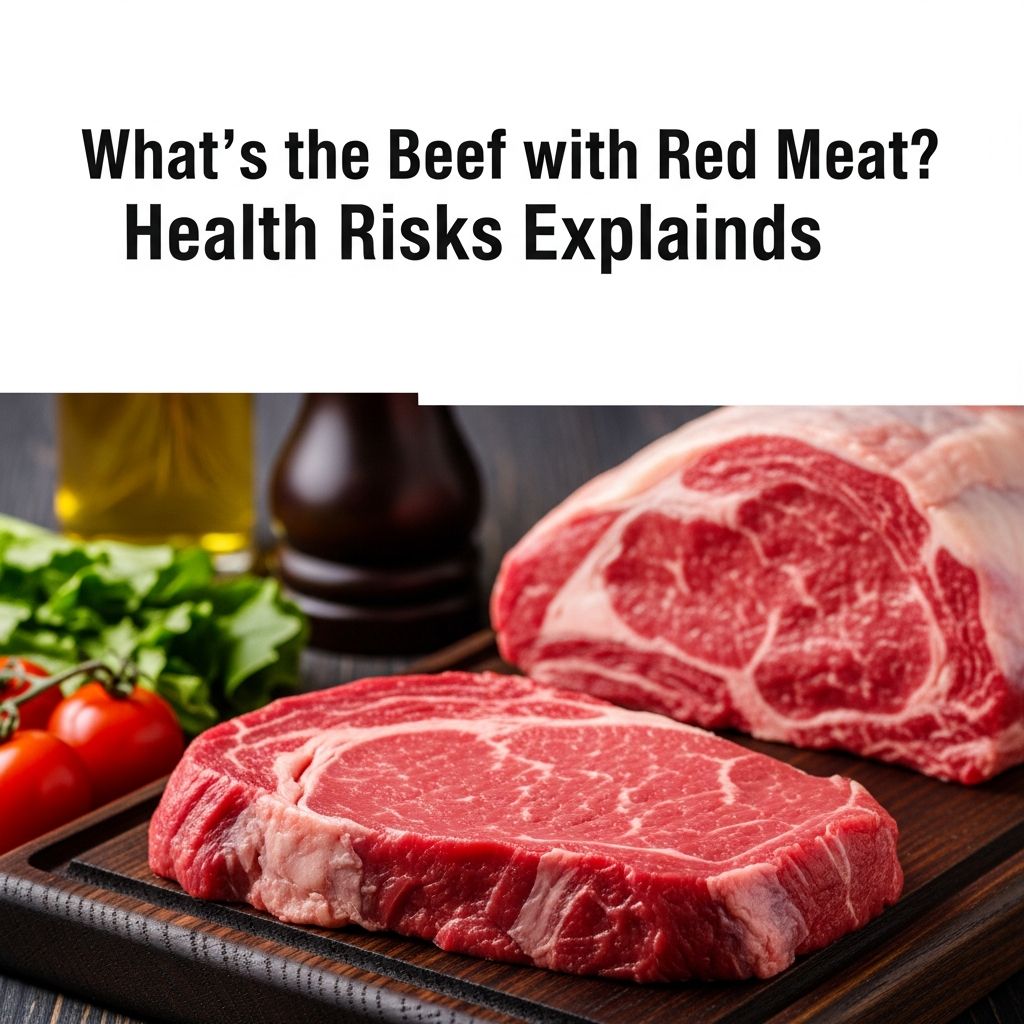
What’s the Beef with Red Meat?
Red meat has long been a staple of the American diet, but mounting scientific evidence suggests that consuming too much of it may pose serious risks to your health. Over the past decade, numerous large-scale studies have examined the relationship between red meat consumption and various health conditions, revealing troubling connections to some of our nation’s leading causes of death and disease. Harvard researchers, through comprehensive long-term studies, have documented significant associations between red meat intake and increased risks of cardiovascular disease, various cancers, and premature mortality. Understanding these risks can help you make more informed dietary choices that support your long-term health and wellbeing.
The Harvard Studies: What the Research Shows
Two landmark Harvard studies—the Health Professionals Follow-up Study and the Nurses’ Health Study—have provided compelling evidence about red meat’s impact on health outcomes. These studies tracked hundreds of thousands of participants over many years, documenting their dietary patterns and health outcomes with remarkable precision. Researchers checked in with participants every four years, meticulously recording their food consumption and monitoring their health status.
The findings were striking and consistent: red meat consumption was significantly associated with increased total mortality, cardiovascular disease mortality, and cancer mortality—essentially a shorter lifespan. These associations remained strong even after researchers controlled for numerous other factors including age, body weight, alcohol consumption, physical activity levels, smoking status, family history, total caloric intake, and consumption of healthy plant-based foods like whole grains, fruits, and vegetables. This rigorous statistical analysis suggests that the risks associated with red meat are not simply byproducts of an overall unhealthy lifestyle, but rather directly linked to the meat consumption itself.
Red Meat and Cancer Risk
One of the most concerning findings from red meat research involves cancer development. A comprehensive meta-analysis examining data from 148 published studies found that high red meat intake was positively associated with multiple cancer types.
Specific Cancer Risks Associated with Red Meat
The research demonstrates varying levels of increased cancer risk depending on the type of cancer:
- Breast cancer: 9% greater risk with high red meat consumption
- Endometrial cancer: 25% greater risk
- Colorectal cancer: 10% greater risk
- Colon cancer: 17% greater risk
- Rectal cancer: 22% greater risk
- Lung cancer: 26% greater risk
- Hepatocellular carcinoma: 22% greater risk
These percentages represent relative risk increases, meaning that individuals consuming the highest amounts of red meat compared to those consuming the lowest amounts showed these elevated cancer risks. The consistency of these findings across different cancer types suggests multiple biological mechanisms through which red meat may promote cancer development.
Processed Meat: Even Greater Risks
If unprocessed red meat poses health risks, processed meat appears even more problematic. Processed meat includes products like bacon, sausage, hot dogs, deli meats, and processed beef products—foods preserved through smoking, curing, salting, or chemical additives. Studies show that processed meat consumption carries particularly elevated cancer risks:
- Breast cancer: 6% greater risk
- Colorectal cancer: 18% greater risk
- Colon cancer: 21% greater risk
- Rectal cancer: 22% greater risk
- Lung cancer: 12% greater risk
The increased risks associated with processed meat compared to unprocessed red meat likely result from the additional preservatives and processing methods used in these products. Compounds like nitrates and nitrites, which are added to processed meats for preservation and color enhancement, may increase cancer risk through various biological pathways.
Related Stories



Heart Disease and Cardiovascular Health
Beyond cancer, red meat consumption significantly impacts cardiovascular health. Harvard researchers have found that replacing red and processed meat with plant protein sources—particularly nuts and legumes—improves multiple cardiometabolic risk factors. These improvements include better blood lipids (cholesterol levels), lower blood pressure, and reduced inflammatory biomarkers that contribute to heart disease development.
The mechanisms linking red meat to cardiovascular disease are well-established: red meat is high in saturated fat, which elevates LDL cholesterol; contains dietary cholesterol; and is processed in ways that create compounds that promote inflammation and damage blood vessel function. Additionally, some studies suggest that red meat consumption increases inflammation throughout the body, a key driver of atherosclerosis and heart disease.
Impact on Longevity and Overall Mortality
Perhaps most compellingly, the Harvard studies documented that red meat consumption was associated with significantly shorter lifespans. This reduced longevity reflects the cumulative impact of increased cancer risk, cardiovascular disease, and other chronic conditions linked to meat consumption. Research indicates that reducing red and processed meat consumption by just one serving per day could extend life expectancy, with greater benefits observed when red meat is replaced by nutrient-dense plant proteins.
The relationship between diet and lifespan is not theoretical—it translates directly into years of life gained or lost. A person who consistently consumes large quantities of red meat over decades faces measurably shortened life expectancy compared to someone who limits intake and replaces it with healthier alternatives.
Why Red Meat May Be Harmful
High Saturated Fat Content
Red meat is rich in saturated fat, which raises LDL cholesterol levels and increases cardiovascular disease risk. The American Heart Association recommends limiting saturated fat to less than 7% of total daily calories, a target difficult to achieve with high red meat consumption.
Inflammatory Compounds
Red meat contains compounds that promote inflammation throughout the body. Chronic inflammation underlies many chronic diseases including cardiovascular disease, type 2 diabetes, and cancer. Dietary patterns high in red meat show strong associations with inflammatory markers in the bloodstream.
Carcinogenic Compounds
When meat is cooked at high temperatures, it forms compounds like heterocyclic amines (HCAs) and polycyclic aromatic hydrocarbons (PAHs), which have been shown to cause cancer in laboratory studies. Processed meats additionally contain nitrates and nitrites that form carcinogenic compounds during digestion.
Heme Iron Content
Red meat is high in heme iron, an easily absorbed form of iron. While iron is essential for health, excessive amounts promote inflammation and oxidative stress, both of which contribute to disease development.
How Much Red Meat Is Safe?
Current evidence suggests that limiting red meat consumption provides health benefits. Experts generally recommend reducing red meat intake, particularly processed varieties, while increasing consumption of plant-based proteins. For those who choose to eat red meat, occasional consumption in modest portions—combined with a diet rich in whole grains, vegetables, legumes, nuts, and fruits—represents a more balanced approach than daily consumption of large portions.
Healthier Protein Alternatives
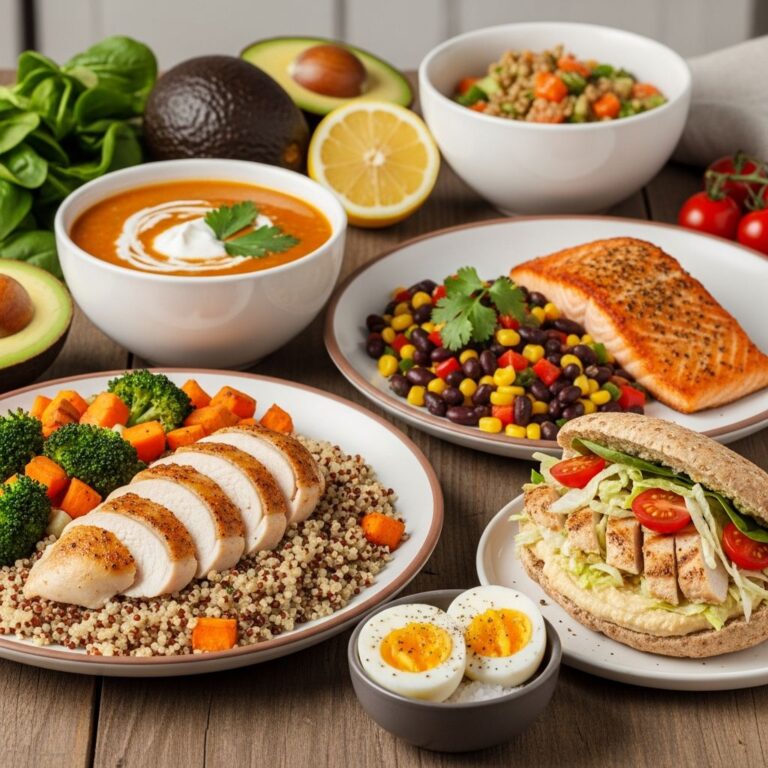
Rather than eliminating protein from your diet, focus on replacing red and processed meat with healthier alternatives that provide comparable nutrition with better health outcomes:
- Legumes: Beans, lentils, and chickpeas provide protein, fiber, and numerous beneficial plant compounds
- Nuts and seeds: Almonds, walnuts, and other nuts offer protein, healthy fats, and antioxidants
- Fish: Fatty fish like salmon provide omega-3 fatty acids that support heart health
- Poultry: Chicken and turkey offer lean protein with lower saturated fat than red meat
- Plant-based proteins: Tofu, tempeh, and edamame provide complete proteins for vegetarian diets
- Whole grains: Quinoa, farro, and other whole grains contain protein plus fiber and nutrients
Comparing Protein Sources
| Protein Source | Protein Content (per 3.5 oz) | Saturated Fat | Health Benefits | Cancer Risk Association |
|---|---|---|---|---|
| Red Meat (beef) | 26g | High | Iron, B vitamins | Elevated risk |
| Processed Meat | 20-25g | High | Iron, B vitamins | Highest risk |
| Chicken Breast | 31g | Low | Lean protein, B vitamins | No elevated risk |
| Salmon | 25g | Low | Omega-3 fatty acids, vitamin D | No elevated risk |
| Lentils | 9g (cooked) | Very low | Fiber, folate, polyphenols | Reduced risk |
| Nuts | 14-21g | Mostly unsaturated | Healthy fats, antioxidants | Reduced risk |
Practical Tips for Reducing Red Meat Consumption
Transitioning away from red meat doesn’t require dramatic dietary overhauls. Consider these practical strategies:
- Start by reducing portion sizes and frequency rather than eliminating red meat entirely
- Designate certain days as meatless or plant-based protein days
- Build meals around vegetables, grains, and legumes, with protein as a side dish rather than the centerpiece
- Experiment with recipes featuring beans, lentils, tofu, and nuts to discover enjoyable alternatives
- Choose poultry or fish instead of red meat for weeknight meals
- Use small amounts of red meat as a flavoring ingredient rather than the main protein
- Explore international cuisines that traditionally emphasize plant-based proteins
Frequently Asked Questions
Q: Is it safe to eat red meat at all?
A: Moderate amounts of red meat occasionally can fit into a healthy diet, but the evidence strongly suggests that reducing consumption, particularly of processed red meat, benefits health. The key is limiting frequency and portion size while emphasizing a diet rich in plant-based foods.
Q: What about lean cuts of red meat?
A: While lean cuts contain less saturated fat than fattier cuts, the risks associated with red meat consumption persist even with leaner varieties. The cancer and mortality risks appear related to the meat itself, not just its fat content, so choosing lean cuts provides modest improvement but doesn’t eliminate the concerns.
Q: How does white meat compare to red meat?
A: Poultry like chicken and turkey do not show the same elevated disease risks as red meat. They contain less saturated fat and lack the compounds in red meat associated with cancer and cardiovascular disease, making them significantly healthier options.
Q: Can I still eat red meat if I exercise regularly?
A: The Harvard studies controlled for physical activity levels, and the red meat risks persisted regardless of exercise habits. This suggests that exercise, while important for overall health, does not fully offset the risks associated with high red meat consumption.
Q: What is the recommended amount of red meat per week?
A: Most health organizations recommend limiting red meat to no more than one or two servings per week, with portions around 3-4 ounces. Processed red meat should be limited even further, ideally consumed rarely if at all.
Q: Does cooking method affect red meat’s health impact?
A: Cooking method does matter. High-temperature cooking like grilling and charring creates carcinogenic compounds. Lower-temperature methods like steaming, poaching, or braising reduce formation of harmful compounds, though the fundamental health concerns with red meat consumption remain.
Q: Can plant-based proteins provide all necessary nutrients?
A: Yes, a well-planned plant-based diet can provide all essential nutrients including complete proteins, iron, zinc, and B vitamins. Combining different plant protein sources ensures adequate amino acid intake.
References
- Harvard’s Meat & Mortality Studies — Harvard Health Professionals Follow-up Study and Harvard Nurses’ Health Study. 2012. https://nutritionfacts.org/video/harvards-meat-and-mortality-studies/
- Consumption of red meat and processed meat and cancer incidence, mortality, and by sex — Farvid MS, et al., PubMed Central, National Center for Biotechnology Information. 2021. https://pubmed.ncbi.nlm.nih.gov/34455534/
- Harvard Study: Plant Proteins Better For Heart Than Meat — Harvard T.H. Chan School of Public Health. 2024. https://www.hsph.harvard.edu/nutritionsource/
- Dietary Guidelines for Americans 2020-2025 — U.S. Department of Agriculture and U.S. Department of Health and Human Services. 2020. https://www.dietaryguidelines.gov/
- World Cancer Research Fund/American Institute for Cancer Research Report — World Cancer Research Fund International. 2018. https://www.wcrf.org/diet-activity-cancer/
Similar Articles








Read full bio of Sneha Tete