Beef Tallow for Skin: 5 Dermatologist Tips for Safe Use in 2025
Dermatologists explain the viral beef tallow skincare trend, its benefits, risks, and how to use it safely for glowing skin.
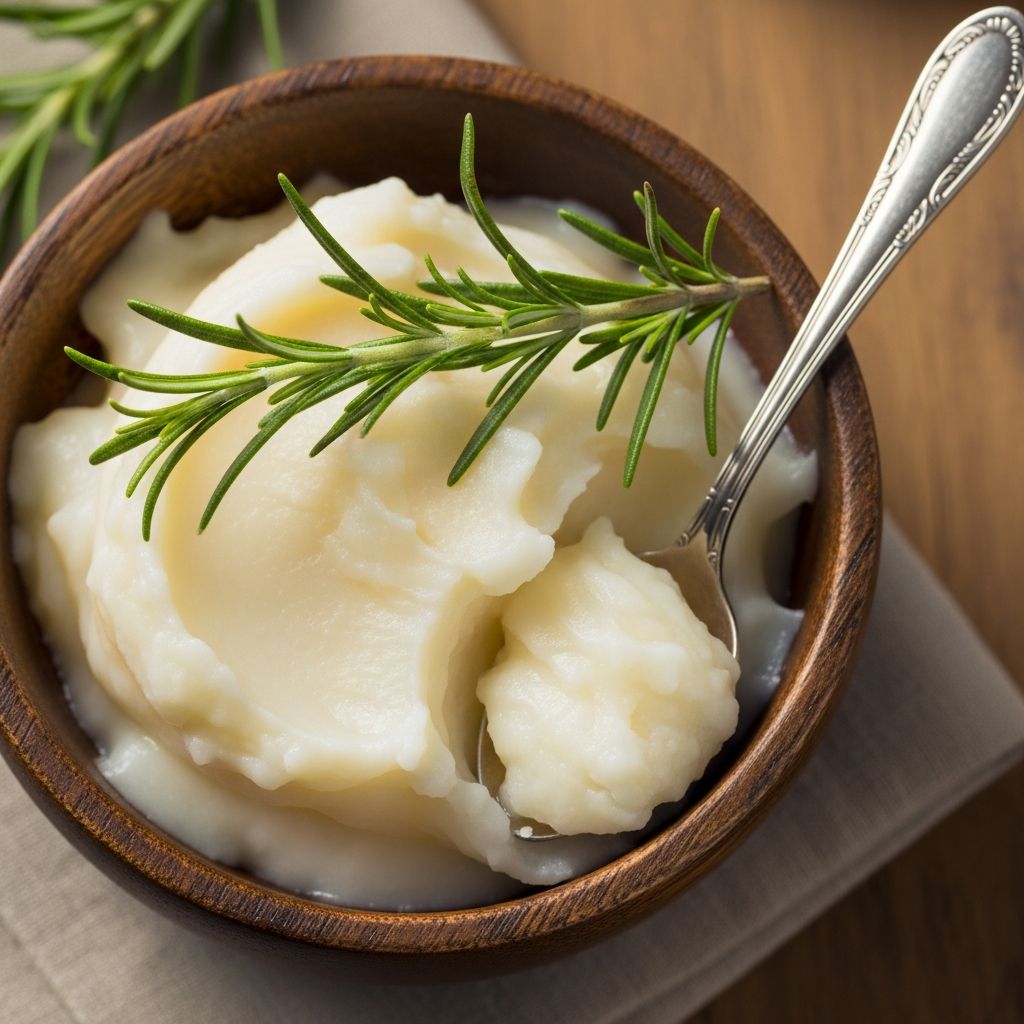
Beef tallow, a rendered form of cow fat once common in cooking and candles, has surged in popularity on TikTok as a natural skincare staple. Users rave about its glowy, hydrating effects on dry, irritated skin, positioning it as a ‘clean’ alternative to synthetic creams. But does science support these claims? Dermatologists note its moisturizing potential but caution on limited evidence and risks for certain skin types.
What Is Beef Tallow?
Beef tallow is purified beef fat obtained by slowly melting and straining suet from around the cow’s kidneys and loins. This process removes impurities, yielding a shelf-stable, semi-solid fat at room temperature. Historically used in soaps, balms, and even cosmetics before petroleum-based products dominated, tallow’s revival stems from the ancestral health and ‘carnivore skincare’ movements.
Its appeal lies in its similarity to human sebum—the skin’s natural oil. Composed mainly of triglycerides, tallow contains saturated fats like stearic and palmitic acids (about 50%), alongside unsaturated oleic and linoleic acids. This lipid profile mimics the skin’s outermost layer, the stratum corneum, potentially aiding absorption without greasiness.
Beef Tallow’s Skincare Benefits: What the Science Says
Proponents highlight tallow’s nutrient density and emollient properties. While anecdotal reports dominate social media, emerging research offers some validation.
- Deep Hydration and Barrier Support: As an occlusive, tallow seals in moisture, reducing transepidermal water loss (TEWL). A 2024 scoping review found tallow improves hydration in dry skin conditions by replenishing lipids similar to those in the skin barrier. Dermatologist Geeta Yadav, MD, confirms its fatty acids (oleic, palmitic, stearic, linoleic) reinforce the barrier for smoother, youthful skin.
- Anti-Inflammatory for Eczema and Psoriasis: Small studies suggest tallow-based emulsions soothe atopic dermatitis and psoriasis by combating moisture loss and irritation. A 2017 trial in Acta Poloniae Pharmaceutica showed participants with these conditions experienced symptom relief after applying tallow-walnut oil blends. Its vitamins A, D, E, and K may further aid repair.
- Antioxidant and Anti-Aging Effects: Vitamins E and A combat free radicals, potentially supporting collagen and elasticity. However, claims equating it to retinol are overstated—USDA data shows negligible active vitamin A levels, per Dr. Yadav.
- Sustainable and Minimalist Appeal: Sourced from food industry byproducts, tallow reduces waste. It’s affordable for DIY routines, appealing to ‘clean beauty’ fans avoiding preservatives.
Despite buzz, a NIH analysis notes insufficient evidence for broad dermatologic claims, emphasizing anecdotal over clinical data. Long-term human trials are needed.
Potential Downsides and Risks of Beef Tallow for Skin
Not all skin types benefit equally. Experts flag several concerns.
| Concern | Details | Who Should Avoid |
|---|---|---|
| Comedogenic Risk | May clog pores due to high olein content, worsening acne. | Oily, acne-prone skin |
| Bacterial Contamination | Lacks preservatives; dipping fingers introduces microbes. | All, especially immunocompromised |
| Allergies/Irritation | Possible reactions on broken or sensitive skin; alpha-gal syndrome risk from beef. | Eczema flares, allergies |
| Texture and Scent | Heavy feel, beefy odor unless grass-fed/refined. | Preference-based |
Dermatologist Sandy Skotnicki, MD, warns it could be pore-clogging for breakout-prone users. Nicole Bort, CNP, from University Hospitals, advises against it on acne, oily, or compromised skin due to infection risks. Patch testing is essential: apply to inner arm for 48 hours.
Related Stories



How to Use Beef Tallow in Your Skincare Routine
If trying tallow, source grass-fed, organic versions for optimal nutrients and purity. Look for products from reputable brands tested for contaminants like heavy metals.
- Cleanse First: Wash face with a gentle cleanser to remove debris.
- Apply Thin Layer: Warm a pea-sized amount between fingers; pat onto damp skin post-serum.
- Timing: Nightly for dry skin; mornings if non-comedogenic for you. Avoid sunscreen layering.
- DIY Balms: Mix with beeswax, essential oils, or shea for texture.
- Storage: Refrigerate; use clean tools to avoid spoilage.
Start 2-3 times weekly, monitoring for reactions. Combine with actives cautiously.
Beef Tallow vs. Modern Moisturizers: A Comparison
| Feature | Beef Tallow | Synthetic Moisturizers (e.g., CeraVe, La Roche-Posay) |
|---|---|---|
| Hydration | Excellent occlusive; natural lipids. | Humectants (hyaluronic acid) + ceramides; clinically proven |
| Evidence | Anecdotal + small studies. | Large RCTs; barrier repair validated. |
| Skin Types | Best for dry/sensitive. | Formulated for all, non-comedogenic options. |
| Cost | $10-30/jar; DIY cheap. | $15-40; consistent quality. |
| Shelf Life | 6-12 months; spoilage risk. | 2+ years with preservatives. |
Tallow shines for natural hydration but lacks the precision of dermatologist-formulated creams with niacinamide or peptides.
Expert Opinions: What Dermatologists Really Think
“Beef tallow offers documented hydration from fatty acids, supporting the barrier like our skin’s oils. It may soothe dermatitis, but more research is needed.” — Geeta Yadav, MD
“Unknown comedogenicity makes it risky for acne-prone skin. Modern products are safer and targeted.” — Sandy Skotnicki, MD
“No good data supports skincare claims; risks outweigh benefits for most.” — Nicole Bort, CNP
Frequently Asked Questions (FAQs)
Is beef tallow better than retinol for anti-aging?
No. It lacks sufficient vitamin A to match retinol’s efficacy, per USDA data and experts.
Can beef tallow cure eczema?
It may soothe symptoms via moisturization, as in small studies, but it’s not a cure. Consult a dermatologist.
Is beef tallow comedogenic?
Potentially, due to oils mimicking sebum. Patch test if acne-prone.
How do I know if my beef tallow is pure?
Choose grass-fed from transparent brands; smell for rancidity.
Can vegans use beef tallow?
No, it’s animal-derived. Plant alternatives like shea butter mimic benefits.
Bottom Line: Is Beef Tallow Worth the Hype?
Beef tallow delivers real hydration for dry skin, backed by its lipid similarity and preliminary studies. However, risks like clogged pores and contamination, plus scant robust evidence, make it unsuitable for everyone. Dermatologists recommend it as an occasional add-on, not a routine staple—prioritize proven moisturizers unless you have specific needs. Always patch test and source quality products.
References
- Beef Tallow for Skincare: Is This Trend Here to Stay? — Zeam Health. 2024. https://www.zeamhealth.com/beef-tallow-for-skincare-is-this-trend-here-to-stay/
- Beef Tallow For Skin: Dermatologists Weigh In On The TikTok Trend — Women’s Health Magazine. 2024-10-15. https://www.womenshealthmag.com/beauty/a61815759/beef-tallow-for-skin/
- Beef Tallow: Miracle Oil or Wellness Fad? — University Hospitals. 2025-05-01. https://www.uhhospitals.org/blog/articles/2025/05/beef-tallow-miracle-oil-or-wellness-fad
- Beef Tallow‐Based Skincare Claims in Social Media — National Institutes of Health (PMC). 2024. https://pmc.ncbi.nlm.nih.gov/articles/PMC12661468/
Similar Articles








Read full bio of medha deb