Beet Juice Benefits: 7 Science-Backed Ways To Boost Health
Discover the science-backed health benefits of beet juice, from lowering blood pressure to boosting exercise performance and more.
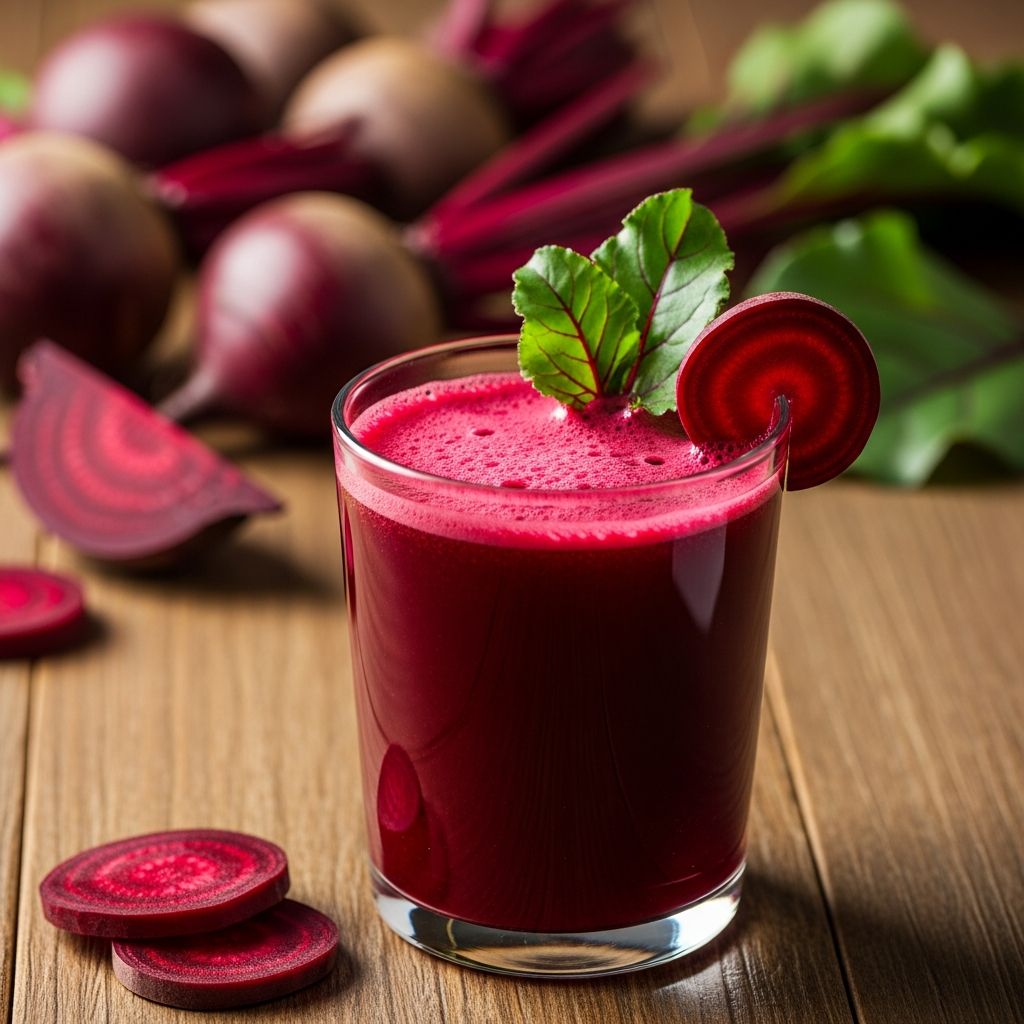
Beet juice, derived from the vibrant red root vegetable Beta vulgaris, has gained popularity for its impressive nutritional profile and potential health advantages. Rich in dietary nitrates, betalains (potent antioxidants), fiber, vitamins, and minerals, beet juice offers benefits ranging from cardiovascular support to enhanced physical performance. This article delves into the key science-backed benefits, how to incorporate it into your diet, and important considerations for safe consumption.
What Is Beet Juice?
Beet juice is the liquid extracted from fresh beets, often consumed raw or lightly processed to preserve its bioactive compounds. Beets contain high levels of inorganic nitrates, which the body converts to nitric oxide, a molecule that relaxes blood vessels and improves circulation. They are also loaded with betalains, including betanin, which provide strong antioxidant and anti-inflammatory effects. Other nutrients include folate, manganese, potassium, and vitamin C. Unlike cooked beets, juicing retains more of these heat-sensitive compounds, making it a concentrated source of phytonutrients.
Research highlights beetroot’s role as a functional food with antioxidant, anti-inflammatory, antitumor, hepato-protective, and cognitive-enhancing properties. Nitrate-rich beet juice can enhance athletic performance and reduce muscle soreness.
7 Science-Backed Beet Juice Benefits
Studies, including peer-reviewed reviews, demonstrate beet juice’s wide-ranging effects on health. Here are the primary benefits supported by evidence:
1. May Lower Blood Pressure
One of the most well-documented benefits of beet juice is its ability to reduce blood pressure, particularly in people with hypertension. The high nitrate content converts to nitric oxide, promoting vasodilation and improving endothelial function. Clinical trials show reductions in both systolic and diastolic blood pressure after consuming nitrate-rich beet juice.
For instance, intake of nitrate from beetroot increases endothelium-independent vasodilation and lowers diastolic blood pressure in humans. In healthy subjects, beetroot consumption decreased diastolic BP by 5.2 mmHg, systolic BP by 6.2 mmHg, and heart rate. Improvements in muscle microvascular function have also been noted in untreated hypertensives.
2. Packed With Nutrients and Antioxidants
Beet juice is a nutrient powerhouse, providing antioxidants like betalains that combat oxidative stress. Betalains, mainly betanin, reduce the risk of cardiovascular diseases, cancer, liver, and kidney damage. These compounds work synergistically to neutralize free radicals, lower inflammation, and protect cells.
A review of beetroot’s biological activities confirms its antioxidant capacity, with pretreatment reducing microsomal lipid peroxidation by 38% and increasing superoxide dismutase activity threefold in oxidative stress models.
3. Boosts Exercise Performance and Stamina
Athletes turn to beet juice for its ergogenic effects. Nitrates improve oxygen efficiency, delay fatigue, and enhance endurance. Supplementation before exercise can increase time to exhaustion and improve neuromuscular efficiency during resistance training.
Research shows up-regulated oxidative metabolism and elevated expression of genes like mitochondrial transcription factor A in muscle cells. During fatiguing exercise, beetroot supplements provided neuromuscular advantages for men.
4. May Improve Cognitive Function
By enhancing cerebral blood flow via nitric oxide, beet juice may support brain health, reaction time, and cognitive performance, especially in older adults or those with vascular issues. Acute ingestion improves vascular function in HIV patients with low nitric oxide bioavailability, suggesting broader cognitive benefits. Simple reaction time improvements of up to 7 seconds have been observed, which may be clinically significant.
Related Stories



5. Anti-Inflammatory Properties
The betalains and other phytonutrients in beet juice exhibit strong anti-inflammatory effects, potentially reducing chronic inflammation linked to diseases like arthritis and heart disease. Studies indicate reduced monocyte-platelet aggregates and fewer CD11b-expressing granulocytes in older adults after consumption.
6. Supports Liver and Kidney Health
Beet juice protects against oxidative damage in the liver and kidneys. In animal models, it prevented liver damage from toxins like NDEA by boosting phase I and II enzyme activity and reducing DNA damage. Similar protective effects extend to kidneys, attributed to antioxidants.
Beetroot juice pretreatment reversed downregulation of superoxide dismutase and reduced plasma protein carbonyls in oxidative stress-induced liver damage models.
7. May Aid Digestion and Detoxification
Fiber remnants in some beet juices and its betaine content support liver detoxification and gut health. While juicing removes most fiber, the nitrates and betalains promote overall metabolic health.
Beet Juice Nutrition Facts
A 1-cup (240 mL) serving of beet juice typically provides:
- Calories: 100
- Protein: 2g
- Carbs: 23g (including 9g sugars)
- Fiber: 2g
- Nitrates: 250-500 mg (varies by beet)
- Vitamin C: 10% DV
- Folate: 20% DV
- Manganese: 25% DV
These values make it a low-calorie, nutrient-dense option. Betalains contribute vivid color and antioxidant power.
How to Juice Beets at Home
Making fresh beet juice is simple with a juicer or blender:
- Scrub 2-3 medium beets and chop into chunks (no need to peel).
- Juice using a centrifugal or masticating juicer.
- For blender method: Blend with water, then strain through cheesecloth.
- Add lemon, ginger, or apple for flavor and extra nutrients.
- Drink immediately to preserve nitrates.
Store in an airtight container in the fridge for up to 24 hours.
Beet Juice Recipe Ideas
- Classic Beet Juice: 2 beets, 1 apple, 1 carrot, ½ lemon.
- Athlete’s Boost: 3 beets, 1-inch ginger, 2 celery stalks.
- Detox Blend: 1 beet, ½ pineapple, 1 cucumber, handful spinach.
- Citrus Beet: 2 beets, 2 oranges, 1 grapefruit.
Start with 4-8 oz daily to assess tolerance.
Potential Downsides of Beet Juice
While beneficial, beet juice has caveats:
- Beeturia: Red urine/stools in 10-14% of people—harmless.
- Low Blood Pressure Risk: May excessively lower BP in hypotensives.
- High Oxalates: Could contribute to kidney stones in prone individuals.
- Sugar Content: Natural sugars may affect blood sugar.
- Interactions: Consult doctor if on BP or ED meds (e.g., Viagra).
Who Should Try Beet Juice?
Ideal for:
- Athletes seeking performance edges.
- Those with high blood pressure.
- People wanting antioxidant support.
- Individuals supporting liver/detox health.
Avoid or limit if you have kidney stones, low BP, or diabetes without monitoring.
Frequently Asked Questions (FAQs)
How much beet juice should I drink daily?
4-8 oz (about 250 mg nitrates) is effective for most benefits; don’t exceed 16 oz to avoid side effects.
Does cooking beets destroy nitrates?
Light steaming retains nitrates better than boiling; raw juicing is optimal.
Can beet juice help with erectile dysfunction?
Its nitric oxide boost may improve blood flow, similar to some ED treatments, but evidence is preliminary.
Is beet juice safe during pregnancy?
Generally yes in moderation, but consult your doctor due to nitrates and oxalates.
What’s the best time to drink beet juice for exercise?
2-3 hours before for peak nitrate levels.
Bottom Line
Beet juice offers compelling, evidence-based benefits for heart health, exercise, and antioxidant protection. Incorporate it mindfully as part of a balanced diet for optimal results.
References
- Beetroot as a functional food with huge health benefits: Antioxidant, antitumor, physical function, and chronic metabolomics activity — Bao T, et al. 2021-10-26. https://pmc.ncbi.nlm.nih.gov/articles/PMC8565237/
- Nitrate-rich beetroot supplementation reduces plasma homocysteine: A placebo-controlled study in healthy humans — Hobbs DA, et al. 2013. https://doi.org/10.1017/S0007114512004120
- Beetroot juice improves vascular function in HIV-infected individuals — Nogueira-Soares D, et al. 2020. https://doi.org/10.1097/QAI.0000000000002475
- Effects of beetroot juice supplementation on intermittent high-intensity exercise efforts — Flanagan SD, et al. 2016. https://doi.org/10.1519/JSC.0000000000001371
- Beetroot supplementation lowers daily systolic blood pressure in older, overweight subjects — Hobbs DA, et al. 2012. https://doi.org/10.1017/S0007114512003706
Similar Articles








Read full bio of Sneha Tete