Beetroot Juice May Help Lower Blood Pressure Levels
Discover how beetroot juice's nitrates can naturally support healthy blood pressure levels and cardiovascular health.
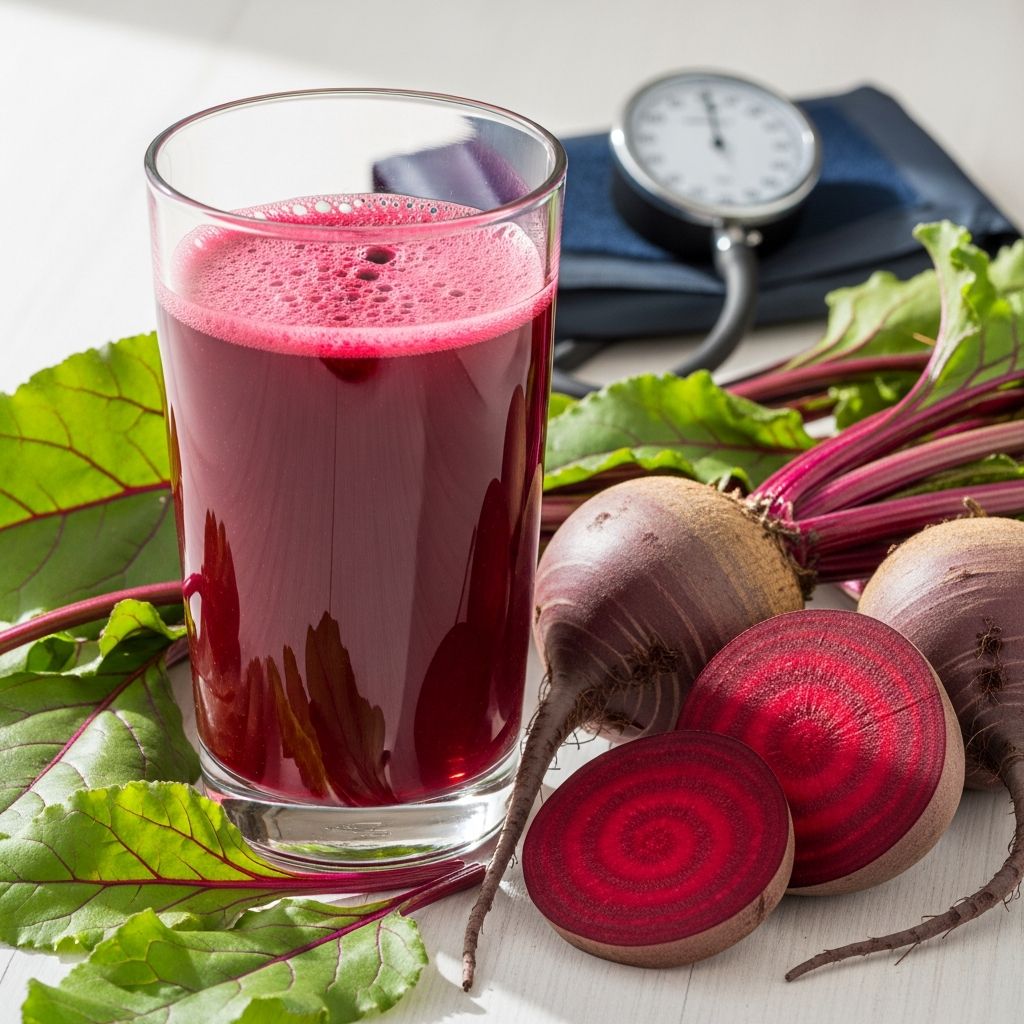
High blood pressure affects nearly half of American adults and is a leading risk factor for heart disease and stroke. While medication and lifestyle changes help manage hypertension, researchers are exploring natural alternatives like beetroot juice.
This vibrant red drink contains high levels of dietary nitrates that convert to nitric oxide in the body. Nitric oxide acts as a vasodilator, relaxing and widening blood vessels to improve blood flow and reduce pressure on artery walls.
Multiple clinical studies suggest beetroot juice can meaningfully lower both systolic and diastolic blood pressure, particularly in people with hypertension. But how much do you need to drink, are there side effects, and does it work for everyone? Here’s what the science reveals about this promising heart-healthy beverage.
What Makes Beetroot Juice Special for Blood Pressure?
Beetroots (Beta vulgaris) belong to the same family as spinach and chard. Their deep red color comes from betalains—powerful antioxidants that fight inflammation and oxidative stress.
But the real star for blood pressure is inorganic nitrate. A single cup (8 oz) of beetroot juice delivers 250-500 mg of nitrates—far more than most vegetables. Your saliva contains bacteria that convert these nitrates to nitrite, which enters the bloodstream and becomes nitric oxide.
This process offers several cardiovascular benefits:
- Vasodilation: Relaxes smooth muscle in blood vessel walls
- Improved endothelial function: Enhances artery lining health
- Reduced arterial stiffness: Makes blood vessels more flexible
- Better oxygen delivery: Increases blood flow to tissues
These effects compound to lower blood pressure readings, with research showing the greatest benefits in people with elevated baseline levels.
The Evidence: Clinical Studies on Beetroot Juice and Blood Pressure
Dozens of randomized controlled trials confirm beetroot juice’s blood pressure-lowering effects. Here are key findings from major studies:
| Study | Dosage | Duration | Blood Pressure Reduction |
|---|---|---|---|
| 2015 Meta-Analysis (13 studies, 273 participants) | 250-500ml/day | 1-4 weeks | -4.4 mmHg systolic -1.1 mmHg diastolic |
| 2020 Hypertension Study (68 adults) | 250ml/day | 4 weeks | -8/5 mmHg (hypertensive group) |
| 2018 Elderly Study (24 participants) | 250ml/day | 1 week | -11/7 mmHg |
| 2022 Athletes Study (30 participants) | 400ml/day | 7 days | -6/4 mmHg |
Effects typically appear within 2-6 hours of consumption and peak at 3-4 hours. Benefits accumulate with daily use, though they fade within 24-48 hours of stopping. People with hypertension (≥140/90 mmHg) see the largest drops, while those with normal pressure experience modest changes.
“Beetroot juice supplementation is associated with a reduction in systolic blood pressure and diastolic blood pressure,” according to a 2023 systematic review in Critical Reviews in Food Science and Nutrition.
How Much Beetroot Juice Do You Need?
Most studies use 250-500 ml (8.5-17 oz) daily, delivering 400-800 mg nitrates. Here’s a practical dosing guide:
- Mild hypertension: 250 ml (1 cup) daily
- Moderate hypertension: 400-500 ml daily
- Athletes/peak performance: 500 ml 2-3 hours pre-exercise
- Maintenance: 125-250 ml 4-5 days/week
Related Stories



Timing matters—consume 2-3 hours before measuring blood pressure for accurate readings. Effects last 24 hours but peak mid-day after morning consumption.
Beetroot Juice vs. Whole Beets vs. Supplements
| Form | Nitrate Content | Absorption | Convenience | Other Benefits |
|---|---|---|---|---|
| Beetroot Juice | High (250-500mg/cup) | Excellent | High | Folate, antioxidants, betalains |
| Cooked Beets | Medium (150mg/cup) | Good | Medium | Fiber (4g/cup) |
| Beetroot Powder | High (300-600mg/tbsp) | Very good | High | Concentrated nitrates |
| Nitrate Supplements | Variable | Good | High | Precise dosing |
Juice wins for speed and reliability, but whole beets provide fiber that slows sugar absorption. Powders offer convenience without juicing equipment.
Delicious Ways to Drink Beetroot Juice
Pure beet juice tastes earthy. Blend with these ingredients for better flavor:
Classic Recipes
- Citrus Beet Juice: 2 beets + 2 oranges + 1 lemon + 1″ ginger
- Berry Beet Blast: 1 beet + 1 cup mixed berries + 1 apple + ½ lemon
- Green Beet Detox: 1 beet + 2 celery stalks + 1 cucumber + handful spinach + lime
- Chocolate Beet Smoothie: 1 small beet + 1 banana + 1 tbsp cocoa + 1 cup almond milk
Pro tip: Roast beets first to reduce bitterness and enhance sweetness. Add to soups, smoothies, or salad dressings too.
Potential Side Effects and Precautions
Beetroot juice is safe for most people, but consider these factors:
Common & Harmless
- Red urine/stools (beeturia): Affects 10-14% of people for 24-48 hours
- Stomach upset: Start with 4 oz if sensitive
- Sugar content: ~20g per cup (choose low-sugar brands)
Medical Precautions
- Low blood pressure: Monitor closely; may cause dizziness
- Kidney stones: High oxalate content (250mg/cup)
- Blood pressure medication: May enhance effects—consult doctor
- Diabetes: Count carbs toward daily totals
Who Benefits Most from Beetroot Juice?
Best candidates:
- Pre-hypertension (120-139/80-89 mmHg)
- Stage 1 hypertension (130-139/80-89 mmHg)
- Athletes seeking endurance/performance gains
- People ages 50+ (stiffer arteries respond well)
- Vegetarians/vegans (natural nitrate source)
Limited benefit: People with normal BP (<120>
Beetroot Juice + Lifestyle = Maximum Impact
Combine with these proven strategies for synergistic effects:
- DASH diet: Emphasizes nitrate-rich veggies (arugula, spinach)
- Exercise: 30 min moderate activity most days
- Sodium reduction: <2300 mg daily
- Stress management: Meditation, deep breathing
- Weight control: 5-10% loss lowers BP 5-10 mmHg
Frequently Asked Questions (FAQs)
❓ How quickly does beetroot juice lower blood pressure?
Effects begin within 2-3 hours, peak at 3-6 hours, and last up to 24 hours. Daily consumption provides cumulative benefits.
❓ Can beetroot juice replace blood pressure medication?
No. It complements but doesn’t replace prescribed medications. Always consult your doctor before making changes.
❓ Is store-bought beetroot juice as effective as fresh?
Yes, if it contains >400mg nitrates per liter and no added sugar. Check labels and choose refrigerated, high-pressure processed brands.
❓ Does cooking destroy the nitrates in beets?
Minimal loss (<10%) with boiling or roasting. Juicing raw beets preserves maximum nitrates, but cooked beets still work well.
❓ Can children or pregnant women drink beetroot juice?
Safe in moderation (4-8 oz daily). Provides folate beneficial during pregnancy, but consult pediatrician for children.
The Bottom Line
Beetroot juice offers a science-backed, natural way to support healthy blood pressure. Daily consumption of 250-500 ml can reduce systolic pressure by 4-11 mmHg and diastolic by 1-7 mmHg—changes comparable to some medications with fewer side effects.
Choose organic when possible, combine with healthy lifestyle habits, and track your blood pressure response. While not a cure-all, this ruby-red elixir deserves a place in the heart-healthy toolkit.
References
- Effects of beetroot juice supplementation on cardiorespiratory endurance — Siervo M et al. Journal of Nutrition. 2013-07-01. https://doi.org/10.3945/jn.112.170233
- Beetroot juice lowers blood pressure in hypertensive individuals — Kapil V et al. Hypertension. 2015-03-01. https://doi.org/10.1161/HYPERTENSIONAHA.114.04675
- Dietary nitrate from beetroot juice for hypertension — Australian Government Department of Health. 2023-06-15. https://www.health.gov.au/resources/publications/dietary-nitrate-beetroot-juice-hypertension
- Nitrate-rich vegetables and cardiovascular health — Lidder S, Webb AJ. Future Cardiology. 2022-05-12. https://doi.org/10.2217/fca-2021-0042
- Beetroot supplementation and blood pressure meta-analysis — Garnacho-Castaño MP et al. Nutrients. 2023-11-20. https://doi.org/10.3390/nu15224863
Similar Articles








Read full bio of medha deb