Bell Pepper Nutrition: Benefits, Facts, Recipes
Discover the impressive nutrition facts, health benefits, and easy ways to enjoy bell peppers in your diet for optimal wellness.
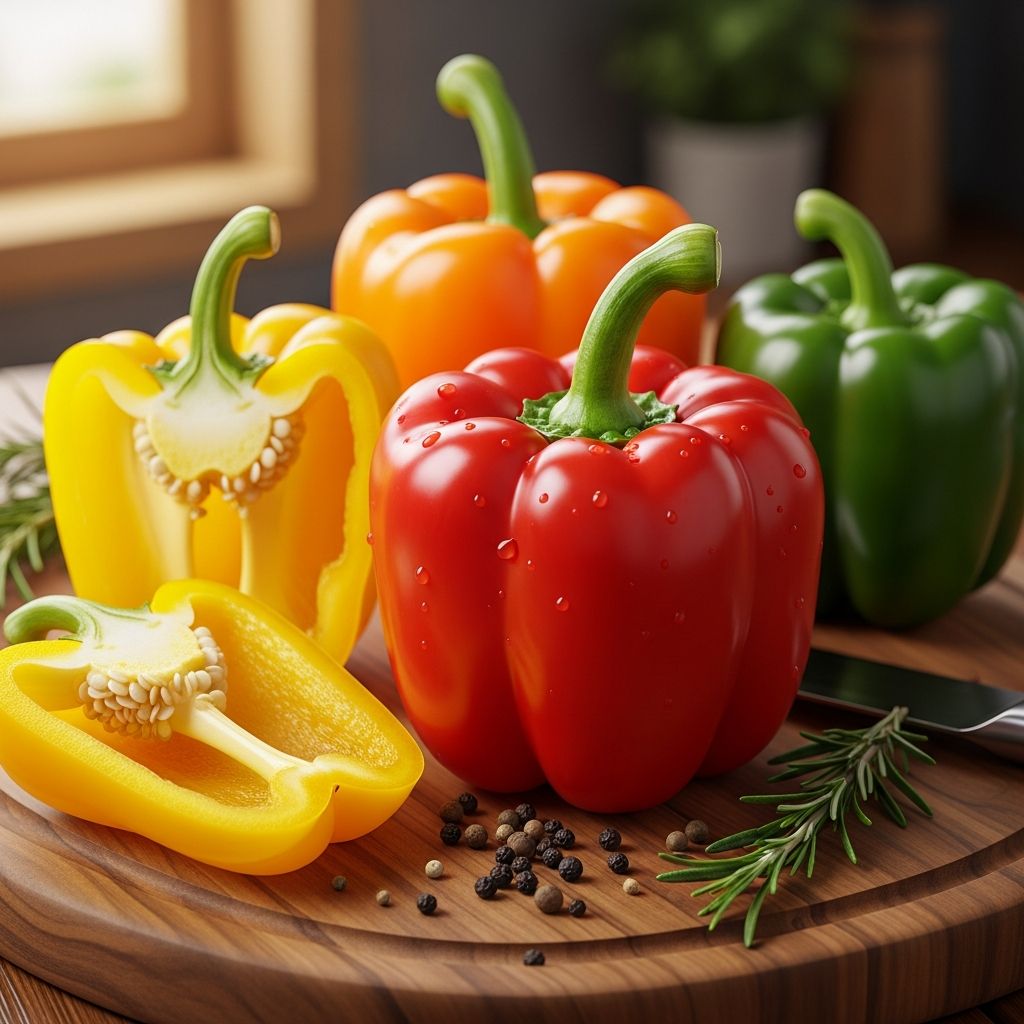
Bell peppers, also known as sweet peppers or capsicums, are vibrant vegetables available in green, yellow, orange, and red varieties. These low-calorie foods are nutrient-dense, offering high levels of vitamins, minerals, antioxidants, and fiber that support overall health. Red bell peppers provide the most nutrition due to longer ripening on the vine, boasting nearly 11 times more beta-carotene and twice the vitamin C compared to green ones.
What Are Bell Peppers?
Bell peppers belong to the Capsicum annuum species, cultivated worldwide for their crisp texture and mild flavor. Unlike hot peppers, they lack capsaicin, making them sweet and versatile for raw, cooked, or roasted dishes. Green peppers are unripe, turning yellow, orange, then red as they mature, which increases their nutrient content.
- Green bell peppers: Harvested earliest; slightly bitter, firm texture.
- Yellow and orange bell peppers: Sweeter; rich in violaxanthin antioxidants.
- Red bell peppers: Ripest and sweetest; highest in beta-carotene, vitamin C, and capsanthin.
All colors are 92% water, low in calories (about 26-46 per cup), and excellent sources of potassium, folate, and fiber.
Bell Pepper Nutrition Facts
A 100-gram (3.5-ounce) serving of raw red bell peppers contains just 26 calories, primarily from 6 grams of carbs (including 4.2 grams of natural sugars and 2.1 grams of fiber), 1 gram of protein, and minimal fat (0.3 grams). They are mainly water (92%), making them hydrating and filling.
| Nutrient | Per 100g Raw Red Bell Pepper | % Daily Value* |
|---|---|---|
| Calories | 26 | 1% |
| Vitamin C | 128mg (169% RDI for medium pepper) | 169% |
| Vitamin A (beta-carotene) | High (93% DV per cup) | 93% |
| Vitamin B6 | 0.29mg | 22% |
| Folate (B9) | 46mcg | 17% |
| Vitamin E | 1.58mg | 12% |
| Fiber | 2.1g | 8% |
| Potassium | 211mg | 6% |
| Vitamin K1 | 4.9mcg | 5% |
| *Based on 2,000-calorie diet. Green peppers have less vitamin C and A. | ||
One cup of chopped green bell pepper delivers 120mg vitamin C, aiding iron absorption and wound healing. All varieties excel in vitamins A and C, potassium, folic acid, and fiber.
Health Benefits of Bell Peppers
Incorporating bell peppers into a balanced diet may reduce risks of chronic diseases due to their antioxidants, vitamins, and fiber. High fruit and vegetable intake links to lower cancer and heart disease rates.
Eye Health
Bell peppers are rich in lutein, zeaxanthin, and beta-carotene, protecting the retina from oxidative damage. These carotenoids may lower cataract and macular degeneration risks, common age-related vision issues. Green peppers offer 1.4mg lutein per serving; orange ones are high in zeaxanthin for UV protection.
Immune Support
With up to 317% DV vitamin C per cup of red peppers, they bolster immunity, potentially shortening colds and supporting cardiovascular health. Vitamin C also aids collagen production for skin and tissue repair.
Heart Health
Potassium and vitamin C help lower blood pressure; high plasma vitamin C correlates with reduced hypertension in quality diets. Antioxidants like beta-carotene combat inflammation.
Related Stories



Digestive Health
2.5-3.1g fiber per cup promotes regular bowel movements, prevents hemorrhoids, and may lower colon cancer risk. Fiber slows sugar absorption, aiding blood sugar control.
Diabetes Risk Reduction
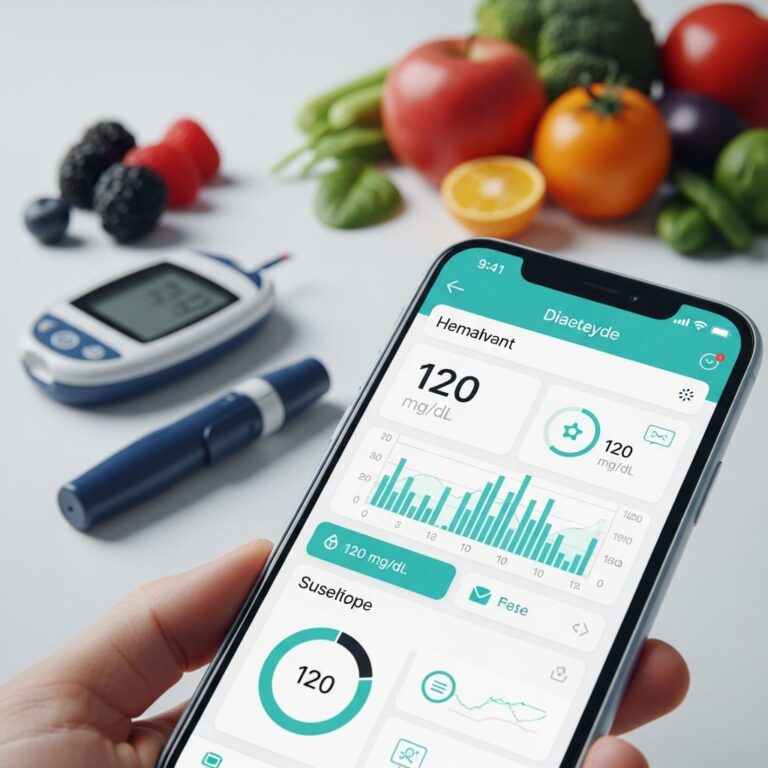
High-fiber content moderates blood sugar spikes; vitamin C may help type 2 diabetes management, though whole-diet patterns matter most.
Brain Health
Anthocyanins and beta-cryptoxanthin in red peppers protect brain cells, potentially slowing cognitive decline and memory issues.
Cancer Prevention
Antioxidants like capsanthin and beta-cryptoxanthin shield cells from damage, linking to lower bladder, lung, and colon cancer risks.
Bell Pepper Nutrition by Color
All colors share similar macros but differ in micros and antioxidants due to ripeness.
| Color | Key Nutrients | Best For |
|---|---|---|
| Green | High lutein (1.4mg), vitamin C (120mg/cup) | Eye health, low-cal snacking |
| Yellow/Orange | Violaxanthin, zeaxanthin | Eye protection, sweetness |
| Red | 11x beta-carotene, 2x vitamin C vs. green; capsanthin | Immunity, antioxidants, cancer prevention |
Red peppers pack the most nutrition; choose based on taste and needs.
Potential Downsides
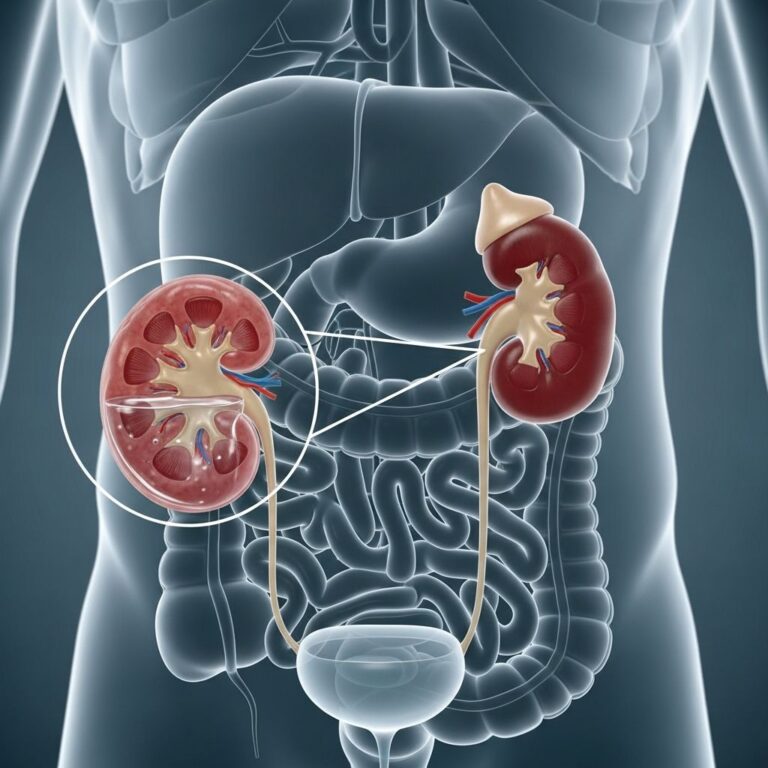
Bell peppers are safe for most, but excessive vitamin C may risk kidney stones in susceptible individuals. Those with nightshade sensitivities might experience digestive issues. Pesticide residues on non-organic peppers warrant washing or peeling.
How to Select and Store Bell Peppers
- Choose firm, glossy peppers with taut skin and vibrant color; avoid wrinkled or soft ones.
- Store whole in crisper drawer up to 1 week; refrigerate sliced up to 3 days.
- Freeze chopped for months; roast for flavor enhancement.
Easy Ways to Add Bell Peppers to Your Diet
Bell peppers shine raw in salads, stuffed, stir-fried, or roasted.
- Stuffed Peppers: Fill with quinoa, beans, and cheese; bake 30 minutes.
- Salad Boost: Slice into green salads or taco bowls.
- Stir-Fry: Sauté with garlic, soy sauce, and protein.
- Snack Strips: Dip in hummus for fiber-rich crunch.
- Roasted: Toss with oil, salt; roast at 425°F for 20-25 minutes.
Simple Bell Pepper Recipes
Roasted Bell Pepper Salad
Serves 4; Prep 10 min, Cook 25 min.
- 4 bell peppers (mixed colors), quartered
- 2 tbsp olive oil
- 1 tsp garlic powder, salt, pepper
- Juice of 1 lemon, fresh herbs
- Preheat oven to 425°F. Toss peppers with oil, seasonings; roast until charred.
- Cool, slice; dress with lemon and herbs. Serve warm or chilled.
Per serving: ~50 calories, high vitamin C.
Fajita Veggie Skillet
Serves 4; Ready in 20 min.
- 2 bell peppers, sliced
- 1 onion, sliced
- 1 tbsp oil, cumin, chili powder
- Optional: Chicken or tofu
- Sauté veggies in oil with spices 10-15 min.
- Serve in tortillas or over rice.
Frequently Asked Questions
Are bell peppers healthy?
Yes, they’re low-calorie, nutrient-packed with vitamins C/A, fiber, and antioxidants supporting immunity, eyes, heart, and digestion.
Which bell pepper color is healthiest?
Red offers the most vitamins and antioxidants, but all colors are nutritious. Green has more lutein.
Can you eat bell peppers raw?
Absolutely; raw maximizes vitamin C. Slice for salads or snacks.
Do bell peppers cause gas?
Fiber may cause mild gas initially; introduce gradually.
How many bell peppers daily?
1-2 cups as part of varied diet; consult doctor for specifics.
References
- Eating Peppers: Ingredients, Benefits, and Prep Tips — WebMD. 2023. https://www.webmd.com/diet/peppers-health-benefits
- Bell Peppers 101: Nutrition Facts and Health Benefits — Healthline. 2023-10-18. https://www.healthline.com/nutrition/foods/bell-peppers
- The Health Benefits of Red Bell Peppers — Cleveland Clinic. 2023-07-12. https://health.clevelandclinic.org/red-pepper-benefits
- The Health Benefits of Bell Peppers — Saber Healthcare Group. 2024. https://saberhealth.com/news/blog/bell-peppers
- bell peppers | Health Topics — NutritionFacts.org. 2024. https://nutritionfacts.org/topics/bell-peppers/
- Nutrition Smack Down: Which Color Bell Peppers Are the Healthiest? — Health News Hub. 2023. https://healthnewshub.org/nutrition-smackdown-which-color-bell-peppers-are-the-healthiest/
Similar Articles








Read full bio of Sneha Tete