Bell’s Palsy: Causes, Symptoms, Treatment Guide
Comprehensive insights into symptoms, causes, treatments, and eye care for Bell's palsy to aid swift recovery.
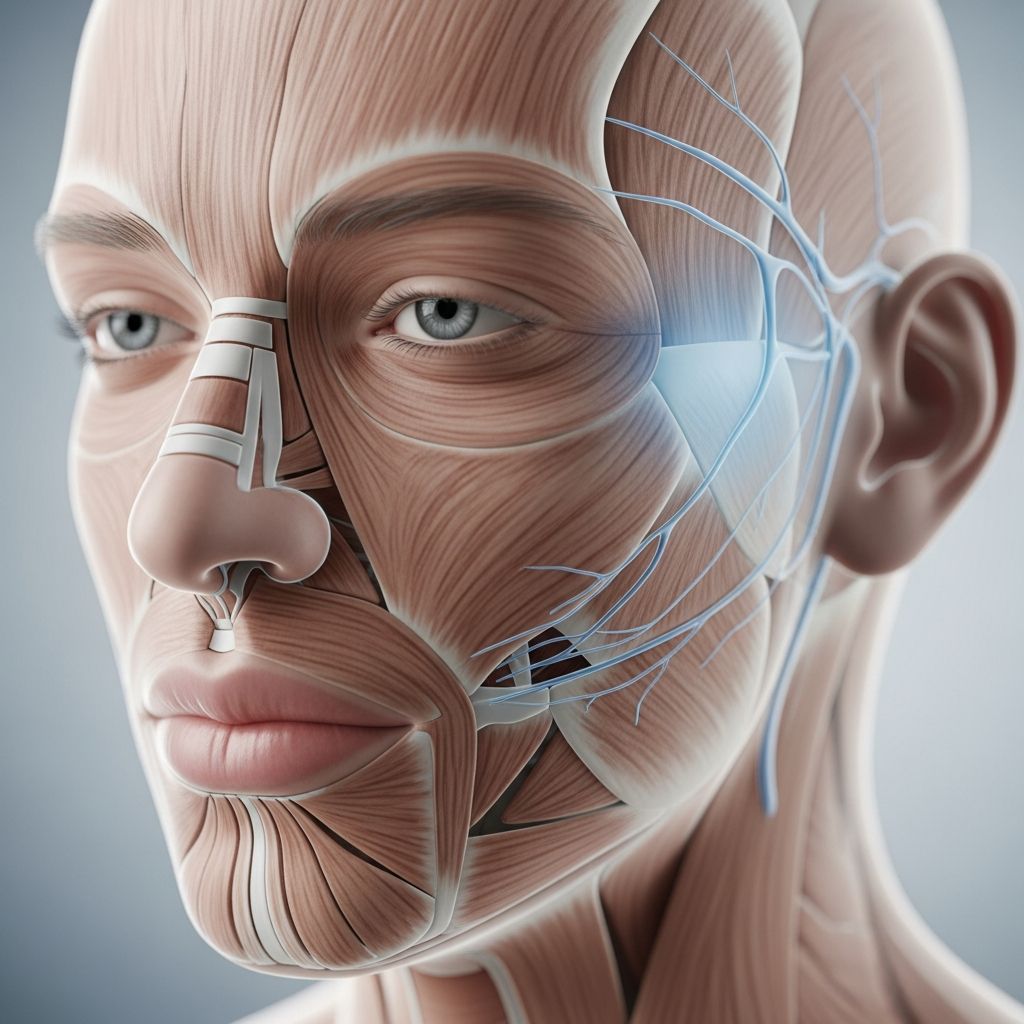
Bell’s palsy manifests as abrupt weakness or paralysis affecting one side of the face due to dysfunction in the facial nerve, known as cranial nerve VII. This nerve governs muscle movements for expressions, tearing, salivation, and taste sensation on the front tongue portion. Inflammation or compression at the nerve’s narrow bony passage triggers these effects, often resolving spontaneously but requiring prompt intervention for best results.
Recognizing the Onset of Facial Weakness
Symptoms emerge rapidly, typically peaking within 48 to 72 hours. Common indicators include drooping of the mouth corner, inability to seal the eye or lips on the impacted side, flattened nasolabial fold, and forehead wrinkling difficulty. Additional signs encompass heightened ear sensitivity (hyperacusis), taste alterations, excess drooling, and dry eye from impaired blinking. Pain behind the ear or jaw may precede onset by a day or two.
- Drooping eyelid or mouth: Prevents full closure, risking corneal exposure.
- Facial asymmetry: Obvious at rest or during smiling, frowning.
- Tearing issues: Paradoxical overflow on the good side or dryness on the affected.
- Speech and eating challenges: Due to weakened mouth control.
Unraveling the Underlying Triggers
The precise etiology remains elusive, classified as idiopathic, but viral reactivation, particularly herpes simplex type 1 (HSV-1), is implicated in nerve inflammation at the geniculate ganglion. This swelling compresses the nerve in its bony canal, causing ischemia and demyelination. Other viruses like herpes zoster (Ramsay Hunt), Epstein-Barr, mumps, influenza, coxsackievirus, or cytomegalovirus may contribute. Immune-mediated responses or bacterial factors occasionally play roles.
Risk amplifiers include diabetes, hypertension, obesity, upper respiratory infections, and pregnancy (elevated in third trimester). Immunosuppression from conditions like HIV or Lyme disease heightens susceptibility. Rarely, tumors or trauma mimic symptoms.
Differentiating from Similar Conditions
Not all facial paralyses stem from Bell’s palsy; distinguishing is vital to exclude strokes, tumors, or infections. Central lesions (e.g., stroke) spare forehead muscles due to bilateral innervation, unlike peripheral Bell’s affecting all facial regions. Ramsay Hunt features ear vesicles and zoster pain; Lyme shows bilateral or systemic signs; otitis media brings earache and hearing loss.
| Condition | Key Distinguishers | Onset |
|---|---|---|
| Bell’s Palsy | Isolated unilateral, forehead involved | Sudden, no prodrome |
| Stroke | Forehead spared, other neuro deficits | Acute, risk factors |
| Ramsay Hunt | Vesicles in ear, severe pain | With rash |
| Lyme Disease | Bilateral possible, tick exposure | Gradual, systemic |
Immediate Management Strategies
Early diagnosis via clinical exam suffices; imaging or EMG aids if atypical. Treatment within 72 hours optimizes recovery, with 70-85% achieving full restoration in 3-6 months; 15% face lingering deficits like synkinesis (involuntary muscle coupling).
Pharmacological Interventions
Corticosteroids like prednisone (60mg/day tapering over 10 days) reduce nerve edema, most effective if started early. Evidence supports monotherapy; antivirals (acyclovir 400mg 5x/day or valacyclovir 1g 3x/day for 7 days) add marginal benefit if viral suspicion high, especially combined with steroids.
Eye Safeguarding Essentials
Incomplete eyelid closure (lagophthalmos) exposes the cornea to desiccation, ulceration risk. Crucial protections:
- Lubricating drops (e.g., artificial tears) hourly daytime; ointment nightly.
- Moisture chambers, taping eyelid shut asleep.
- Patch or shield if severe.
Related Stories



Rehabilitation Techniques
Facial neuromuscular retraining via physical therapy preserves tone, prevents contractures. Customized exercises, massage, mirror biofeedback promote symmetry. Adjuncts like electrical stimulation, acupuncture, or Botox for synkinesis in refractory cases. Warm compresses alleviate discomfort.
Prognostic Factors and Recovery Timeline
Favorable predictors: complete paralysis, no taste loss, normal tearing, recovery hints by week 3. Incomplete palsy recovers faster. By 3 weeks, 85% show improvement; full recovery by 3 months in most, up to 9 months possible. Permanent weakness or synkinesis affects 12-29%; surgery (nerve grafting, decompression) rare for non-recovery.
Monitor for complications: corneal abrasion, chronic dryness, aberrant regeneration causing eye-mouth tethering.
Lifestyle Adjustments and Prevention Tips
No definitive prevention exists, but bolstering immunity via balanced diet, stress management, diabetes control helps. Prompt viral illness treatment, avoiding immunosuppression where possible. Post-recovery, sun protection, sunglasses mitigate photophobia.
Frequently Asked Questions
Is Bell’s palsy permanent?
Most cases resolve fully within months; 15% have mild residuals treatable with therapy.
Can stress trigger Bell’s palsy?
Stress may indirectly via immune suppression, but viruses primary.
Should I use antivirals alone?
No; steroids primary; antivirals adjunctive if early.
How to protect my eye at night?
Ointment plus eyelid taping or moisture goggles.
Does pregnancy increase risk?
Yes, notably third trimester.
Emerging Research Directions
Ongoing studies probe HSV-1 role via PCR, novel antivirals, neuroprotective agents. Gene therapy, stem cells experimental for severe cases. Emphasis on early rehab protocols improves cosmesis.
References
- Bell’s Palsy Symptoms, Causes, and Treatment Options — South Miami Neurology. 2023. https://southmiamineurology.net/bells-palsy-symptoms-causes-and-treatment-options/
- Bell’s Palsy – Symptoms and Causes — Penn Medicine. 2024-02-01. https://www.pennmedicine.org/conditions/bells-palsy
- Bell’s Palsy Signs & Symptoms — Rush University Medical Center. 2024. https://www.rush.edu/conditions/bells-palsy
- Bell’s Palsy: Diagnosis and Management — American Academy of Family Physicians (AAFP). 2007-10-01. https://www.aafp.org/pubs/afp/issues/2007/1001/p997.html
- Bell’s Palsy: What It Is, Causes, Symptoms & Treatment — Cleveland Clinic. 2024-01-15. https://my.clevelandclinic.org/health/diseases/5457-bells-palsy
- Bell’s Palsy – Symptoms and Causes — Mayo Clinic. 2025-06-12. https://www.mayoclinic.org/diseases-conditions/bells-palsy/symptoms-causes/syc-20370028
- Bell’s Palsy – Causes, Symptoms and Treatments — Healthdirect (Australian Government). 2024. https://www.healthdirect.gov.au/bells-palsy
- Bell’s Palsy — American Brain Foundation. 2023-11-20. https://www.americanbrainfoundation.org/diseases/bells-palsy/
Similar Articles








Read full bio of Sneha Tete