Belt Lipectomy: Comprehensive Body Contouring Surgery
Complete guide to belt lipectomy: procedure, benefits, risks, and recovery information.
Understanding Belt Lipectomy: A Comprehensive Guide to Body Contouring Surgery
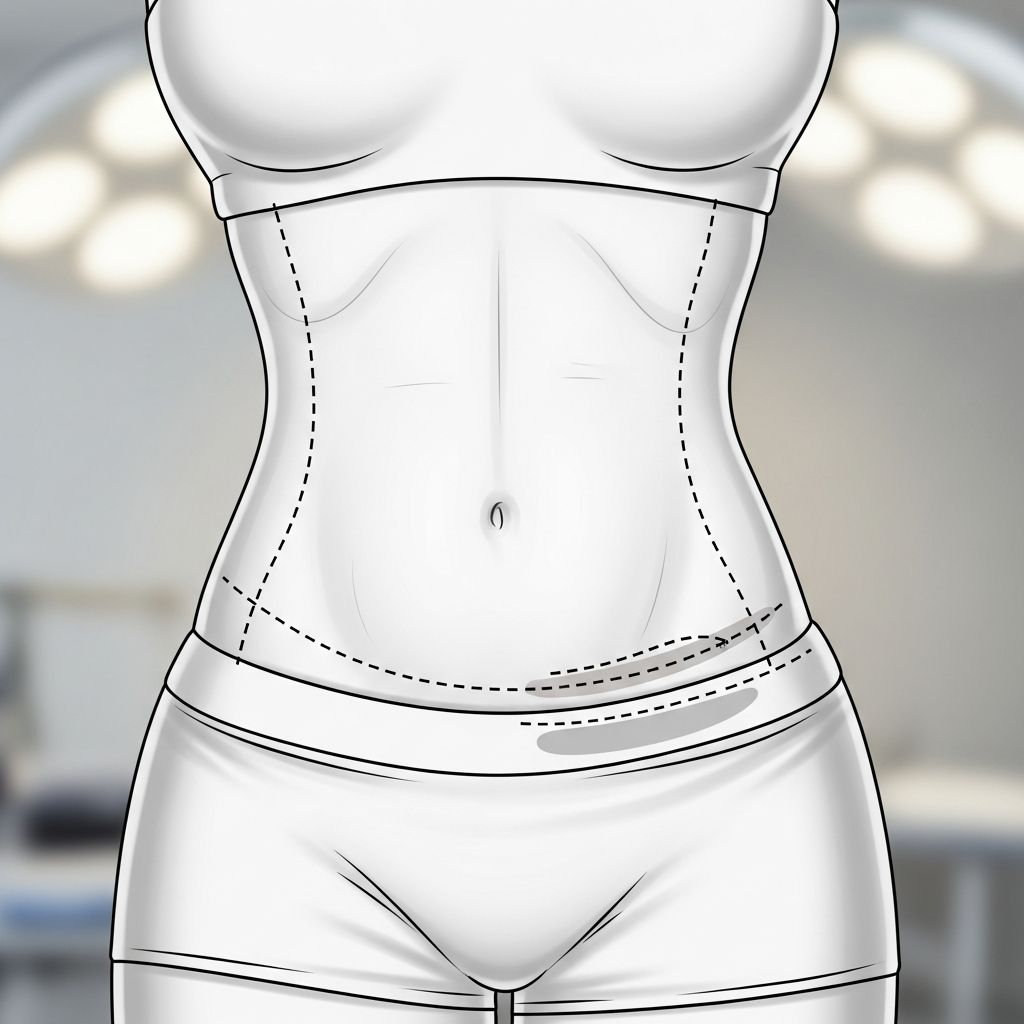
A belt lipectomy, also known as a circumferential body lift, lower body lift, or torsoplasty, represents one of the most comprehensive body contouring procedures available today. This surgical intervention is specifically designed to address significant excess skin and fat that accumulates around the lower trunk, including the abdomen, flanks, and back. Unlike traditional abdominoplasty or “tummy tuck” procedures that primarily focus on the front of the abdomen, belt lipectomy provides a more complete solution for patients seeking dramatic body contouring results.
The procedure has gained considerable popularity in recent years, particularly among individuals who have undergone substantial weight loss through bariatric surgery or lifestyle changes. As the demand for body contouring procedures continues to rise worldwide, belt lipectomy has emerged as a preferred option for achieving comprehensive lower body aesthetic improvement and addressing both cosmetic and functional concerns related to excess skin.
What is Belt Lipectomy?
Belt lipectomy is a surgical procedure that removes redundant skin and excess fatty tissue from around the entire lower trunk and midsection. The procedure encompasses a circumferential incision that extends around the body, typically from the lower abdomen, around the flanks, and along the back. This comprehensive approach allows surgeons to address excess skin and fat in areas that traditional abdominoplasty cannot adequately treat.
The procedure typically includes formal abdominoplasty components, which involve extensive undermining through the epigastric region, relocation of the umbilicus (belly button), and rectus diastasis plication to tighten separated abdominal muscles. The comprehensive nature of belt lipectomy makes it particularly effective for patients with significant loose skin following major weight loss events.
Who Are Ideal Candidates for Belt Lipectomy?
Ideal candidates for belt lipectomy typically include individuals who have experienced substantial weight loss and are left with significant excess skin around the lower trunk. This includes patients who have undergone bariatric surgery procedures such as gastric bypass or gastric sleeve. Approximately 10% of Americans are eligible for weight loss surgery, with around 256,000 undergoing bariatric surgery annually, and many of these patients subsequently experience excess skin that can benefit from body contouring procedures.
Additionally, women who have experienced significant postpregnancy changes resulting in loose skin and loss of body contour may be candidates for this procedure. Candidates should be in good overall health, have realistic expectations about surgical outcomes, and be committed to maintaining their weight following the procedure.
Indications for the Procedure
Beyond cosmetic concerns, belt lipectomy addresses several practical health issues associated with excess skin. Redundant skin folds can lead to dermatitis, hygiene problems, skin infections, and physical discomfort during daily activities and exercise. Additionally, excess skin can cause clothing fit issues and prevent patients from fully enjoying physical activities they previously avoided due to weight.
The psychological and social benefits of belt lipectomy should not be underestimated. Many patients experience significant psychosocial concerns related to their body appearance following weight loss, and body contouring procedures often provide meaningful emotional and psychological relief. Patients report improved self-confidence, increased willingness to participate in social activities, and enhanced quality of life following successful body contouring surgery.
Related Stories



The Procedure: What to Expect
Surgical Technique
Belt lipectomy involves creating a circumferential incision around the lower trunk, which typically extends from the lower abdomen, around the flanks, and along the lower back. Through this incision, the surgeon removes excess skin and fatty tissue while also addressing underlying muscle separation common in post-weight loss patients. The procedure involves careful repositioning of skin and muscle tissues to create an improved body contour.
The surgeon may perform various techniques to optimize results, including lateral tension abdominoplasty concepts that emphasize tension distribution across the wound to achieve natural-appearing results. The umbilicus is typically relocated to maintain appropriate anatomical positioning, and the incision is carefully closed with attention to creating minimal visible scarring.
Procedure Duration and Anesthesia
Belt lipectomy is a major surgical procedure typically requiring general anesthesia and lasting several hours in the operating room. The exact duration depends on the extent of excess skin and fat requiring removal and the complexity of the case. Patients should plan for a hospital stay, as this is not an outpatient procedure.
Recovery and Aftercare
Recovery from belt lipectomy requires significant time and commitment to proper wound care and activity modification. Patients typically experience drainage from the incision sites, requiring drain management for several days to weeks following surgery. Compression garments are usually worn for several weeks to support healing and minimize swelling.
Most patients can gradually return to light activities within two to four weeks, though strenuous exercise and heavy lifting should be avoided for at least six to eight weeks. Full recovery typically requires three to six months, during which swelling gradually subsides and the incision scars mature and fade. Following all postoperative instructions carefully is essential for optimal healing and aesthetic results.
Potential Complications and Risks
Like all surgical procedures, belt lipectomy carries certain risks and potential complications. Common risks include infection, bleeding, and delayed wound healing. Some patients experience temporary or permanent numbness in the treated areas due to nerve injury. Fluid accumulation (seroma) may develop under the skin and require drainage.
Scarring is inevitable with belt lipectomy due to the extensive incision required, though surgeons use techniques to minimize visibility. Some patients may experience asymmetrical results or unsatisfactory aesthetic outcomes requiring revision surgery. Rarely, patients may experience blood clots (deep vein thrombosis) or other serious complications. Discussing all potential risks with your surgeon during consultation is essential.
Comparing Belt Lipectomy with Other Body Contouring Options
| Procedure | Coverage Area | Technique | Best For | Insurance Coverage |
|---|---|---|---|---|
| Belt Lipectomy | Circumferential lower trunk | 360-degree incision, comprehensive removal | Massive weight loss, circumferential excess skin | Typically cosmetic only |
| Abdominoplasty | Front abdomen primarily | Transverse incision, abdominal focus | Localized abdominal skin excess | Typically cosmetic only |
| Panniculectomy | Lower abdomen, pannus | Excess skin and fat removal only | Medically necessary skin removal | May be covered if medically necessary |
Belt lipectomy provides more comprehensive body contouring than traditional abdominoplasty because it addresses excess skin not only on the front of the abdomen but also on the flanks and back. This circumferential approach achieves superior cosmetic results for patients with significant weight loss compared to procedures that address only isolated areas of the body.
Insurance Coverage and Cost Considerations
Belt lipectomy is typically classified as a cosmetic procedure and is usually not covered by insurance. However, in cases where the excess skin causes medically necessary issues such as intertriginous rash, infections, or functional limitations, patients may be able to have portions of the procedure covered as panniculectomy while paying out-of-pocket for the cosmetic components. It is essential to discuss insurance coverage possibilities with your surgeon and insurance provider before scheduling surgery.
The cost of belt lipectomy varies considerably based on geographic location, surgeon experience, facility fees, and the extent of the procedure required. Patients should obtain detailed cost estimates during consultation and inquire about financing options if needed.
Historical Evolution of Body Contouring Surgery
Body contouring procedures have a fascinating history dating back centuries. Removing excess skin and fat from the abdomen dates back to the early 1800s, when it was primarily used for wound coverage with little attention paid to cosmetic outcomes. The first documented panniculectomy, known as “dermolipectomy,” occurred in 1890 in France by surgeons Demars and Marx.
The United States saw its first reported cases of cosmetic abdominoplasty in 1899, performed by Kelly and a team of gynecologists at Johns Hopkins in Baltimore. In 1924, Thorek conducted what is believed to be the first umbilicus-preserving abdominoplasty using a low transverse incision and umbilical transposition. The belt lipectomy procedure itself was introduced by Somalo from Argentina in 1940, marking a significant advancement in comprehensive body contouring. Modern techniques were further refined when Dr. Lockwood introduced lateral tension abdominoplasty in 1991, emphasizing important concepts for successful trunk contouring.
Results and Expectations
Patients who undergo belt lipectomy can expect dramatic improvements in body contour and a more proportioned appearance. The procedure effectively eliminates the “deflated” appearance common after massive weight loss by removing loose skin and tightening underlying tissues. Many patients report being able to wear clothing that previously fit poorly and experience increased comfort during physical activities.
Results continue to improve as swelling subsides over several months following surgery. Final aesthetic outcomes are typically visible within three to six months, though continued improvement may be seen for up to one year. Maintaining stable weight through proper nutrition and exercise is essential for preserving long-term results.
Frequently Asked Questions
Q: How long does the belt lipectomy incision scar remain visible?
A: Scars initially appear red and firm but gradually fade over several months to years. Most scars become significantly less noticeable within 12-18 months. Using scar management techniques as recommended by your surgeon can help optimize scar appearance.
Q: Can belt lipectomy be combined with other procedures?
A: Yes, belt lipectomy is frequently combined with other body contouring procedures such as arm lifts, thigh lifts, or breast lifts to achieve comprehensive body transformation in patients with massive weight loss.
Q: What happens if I regain weight after belt lipectomy?
A: Weight gain after belt lipectomy can compromise results, though the procedure does remove a significant amount of skin that cannot simply re-expand. Maintaining weight through healthy lifestyle habits is crucial for preserving surgical results.
Q: Is belt lipectomy safer than other body contouring options?
A: Belt lipectomy carries similar risks to other major surgical procedures. The comprehensive nature of the surgery means longer operating time and potentially greater fluid loss, so careful patient selection and experienced surgical team management are important for safety.
Q: When can I resume normal activities after belt lipectomy?
A: Light activities can usually resume within 2-4 weeks, though strenuous exercise and heavy lifting should be avoided for at least 6-8 weeks. Full recovery typically requires 3-6 months.
Q: Will I have permanent numbness after belt lipectomy?
A: Most patients experience temporary numbness that gradually improves over several months. Permanent numbness is possible but relatively uncommon with modern surgical techniques.
References
- A Russian Patient’s Journey With Dr. Nguyen Thien Khanh at AVA — AVA Plastic Surgery Hospital. https://benhvienava.com/dr-nguyen-thien-khanh-belt-lipectomy-circumferential-bodylift-in-vietnam
- Belt Lipectomy — Mayo, J. & Cape, J.D., StatPearls Publishing, National Center for Biotechnology Information. 2025. https://pubmed.ncbi.nlm.nih.gov/38861635/
- Plastic Surgery Services — Johns Hopkins Aramco Healthcare. https://www.jhah.com/en/care-services/specialty-care/plastic-surgery/
Similar Articles








Read full bio of medha deb