6 Benefits Of Aloe Vera For Skin: Hydrate, Heal & Protect
Discover the science-backed benefits of aloe vera for hydration, healing, anti-aging, and soothing irritated skin naturally.
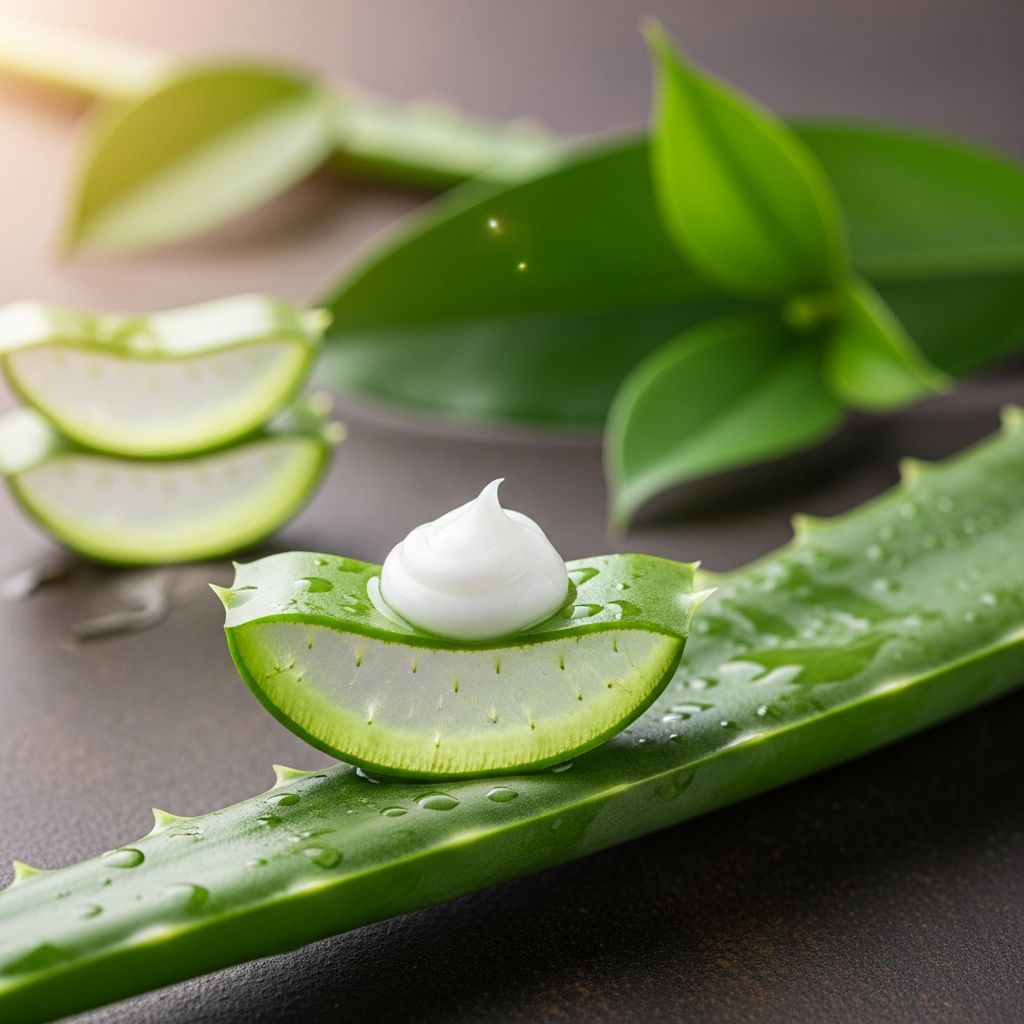
Aloe vera, a succulent plant revered for centuries in traditional medicine, offers remarkable benefits for skin health due to its rich composition of bioactive compounds like polysaccharides, vitamins, enzymes, and amino acids. These elements provide
hydration
,anti-inflammatory effects
,wound healing
, andprotection against environmental damage
, making it a staple in modern skincare.Modern scientific analysis confirms aloe vera’s therapeutic potential, including antimicrobial, antioxidant, and skin-protective properties, primarily from the clear gel extracted from its leaves. Over 75 active ingredients work synergistically to improve skin barrier function, reduce irritation, and promote cellular repair. This article delves into its key benefits, mechanisms, usage tips, and safety considerations, drawing from peer-reviewed studies and clinical evidence.
What Is Aloe Vera?
Aloe vera (*Aloe barbadensis miller*) is a cactus-like perennial plant native to arid regions, thriving in hot, dry climates. Its fleshy leaves store water, yielding a mucilaginous gel that’s 99% water, enriched with vitamins (A, C, E), minerals (zinc, magnesium), enzymes (bradykinase), polysaccharides (acemannan, glucomannan), amino acids, and plant hormones like gibberellin.
The gel differs from the bitter yellow latex (containing aloin, a laxative to avoid topically in excess). Pure inner leaf gel is ideal for skincare, offering
moisturizing
,soothing
, andregenerative
effects without greasiness. Historically used by Egyptians, Greeks, and Indians for burns and wounds, today’s formulations appear in gels, creams, sunscreens, and serums.6 Benefits of Aloe Vera for Skin
Aloe vera’s efficacy stems from its ability to penetrate the epidermis faster than water, delivering nutrients that stimulate fibroblasts for collagen production and reduce oxidative stress. Here are the primary evidence-based benefits:
1. Hydrates and Moisturizes Skin
Mucopolysaccharides and glucomannan in aloe vera bind moisture to the skin, preventing transepidermal water loss and improving hydration, especially for dry or occupationally exposed skin. Clinical studies show aloe gel gloves reduced fine wrinkles, erythema, and flaking in dry skin workers, enhancing skin integrity.
- Boosts hyaluronic acid-like effects for plumpness.
- Softens hardened epidermal cells via amino acids.
- Ideal for dehydrated, mature, or post-sun skin.
2. Promotes Wound Healing and Burn Relief
Aloe accelerates wound closure by stimulating fibroblast activity, increasing collagen synthesis (more type III collagen), and enhancing cross-linking for stronger scar tissue. Glucomannan and gibberellin interact with growth factor receptors, speeding cell proliferation and contraction.
For burns, including sunburns, it reduces healing time, pain, and inflammation via bradykinase enzyme, which suppresses redness and swelling. Topical aloe showed superior results in first- and second-degree burns compared to controls.
- Effective for minor cuts, abrasions, and surgical wounds.
- Protects against infection with antimicrobial properties.
3. Soothes Inflammation and Irritation
Aloe inhibits the cyclooxygenase pathway, reducing prostaglandin E2 like NSAIDs, and blocks reactive oxygen species from neutrophils. Novel compounds like C-glucosyl chromone further curb inflammation.
Beneficial for eczema, psoriasis, acne, and razor burn; it cools sunburns, heals nicks post-shaving, and eases conditions like lichen planus or herpes simplex when combined with treatments.
Related Stories



4. Fights Acne and Controls Oil
Antimicrobial action from zinc and amino acids softens sebum plugs, tightens pores as an astringent, and reduces *Propionibacterium acnes*. Gibberellins promote new cell growth, minimizing scars and redness without drying skin.
Suitable for acne-prone skin, it gently cleanses, flushes excess sebum, and prevents breakouts. Studies support its use with tretinoin for enhanced efficacy.
5. Provides Anti-Aging Effects
Antioxidants (vitamins C/E, beta-carotene) combat free radicals, while fibroblast stimulation boosts collagen and elastin, reducing wrinkles and improving elasticity. Occupational studies noted decreased fine lines and redness.
- Cohesive effects bind flaking cells for smoother texture.
- Potential to lighten age spots via aloin’s depigmenting action.
6. Protects Against UV and Radiation Damage
Aloe induces metallothionein, an antioxidant scavenging hydroxyl radicals, preventing UV-induced immunosuppression (e.g., reduced IL-10). It shields against sunburn, X-ray damage, and gamma radiation.
Incorporate into sunscreens or after-sun care for repair; it preserves superoxide dismutase and glutathione peroxidase.
How to Use Aloe Vera on Your Skin
Harvest fresh gel by slicing leaves lengthwise, scooping clear gel, and blending for smoothies or direct application. Patch-test first.
| Use Case | Method | Frequency |
|---|---|---|
| Sunburn/Soothing | Apply pure gel liberally | 2-3x daily until healed |
| Moisturizer | Mix with oil (e.g., jojoba) | AM/PM |
| Acne Mask | Gel + honey/tea tree | 2-3x/week |
| Anti-Aging Serum | Gel + vitamin C | Daily PM |
| Shave Aid | Post-shave gel layer | After shaving |
Choose 100% pure, preservative-free products; refrigerate fresh gel for longevity. Combine with niacinamide for barrier repair or hyaluronic acid for extra hydration.
Potential Side Effects and Precautions
Generally safe topically, but allergic contact dermatitis occurs in 0.1-1% (patch test 24-48 hours). Avoid latex-containing products if sensitive; dilute for sensitive skin.
- Do not ingest gel with aloin (laxative/potential cramps).
- Pregnant/breastfeeding: consult doctor.
- Photosensitivity rare; use sunscreen.
Quality varies; opt for standardized extracts. Long-term safety supported, but monitor for irritation.
Frequently Asked Questions (FAQs)
Is aloe vera good for all skin types?
Yes, its non-comedogenic, lightweight nature suits oily, dry, sensitive, and acne-prone skin, providing hydration without clogging pores.
Can aloe vera remove dark spots?
It may lighten hyperpigmentation, acne scars, and freckles via aloin and antioxidants, but results vary; consistent use (4-8 weeks) needed.
How long does it take for aloe vera to work on skin?
Visible hydration in hours; wound healing in 3-7 days; anti-aging/UV repair in 4-12 weeks with daily use.
Is store-bought aloe vera gel as effective as fresh?
Fresh is potent but unstable; quality store-bought (cold-processed, no alcohol) matches if pure. Check for acemannan content.
Can I use aloe vera every day?
Yes, safely for most; start slow if new. Discontinue if rash appears.
Final Thoughts on Aloe Vera for Skin
Aloe vera’s versatility—from soothing sunburns to anti-aging—makes it a natural powerhouse, backed by mechanisms like collagen boosting and inflammation inhibition. Integrate mindfully for optimal results, prioritizing pure sources amid rising demand for clean beauty.
References
- Role of aloe vera in skincare: exploring its therapeutic benefits — Yemen Journal of Medical Sciences. 2023. https://yemenjmed.com/abstract?article_id=9
- Aloe vera and the bitter truth — American Pharmacists Association. 2023. https://www.pharmacist.com/Blogs/CEO-Blog/Article/aloe-vera-and-the-bitter-truth
- ALOE VERA: A SHORT REVIEW — PMC (NCBI). 2009. https://pmc.ncbi.nlm.nih.gov/articles/PMC2763764/
- Aloe vera and the skin — DermNet NZ. 2023. https://dermnetnz.org/topics/aloe-vera-and-the-skin
- 9 Aloe Vera Benefits for Face and Skin — PharmEasy Blog. 2023. https://pharmeasy.in/blog/9-aloe-vera-benefits-for-face-skin/
- Evaluation of clinical effectiveness of Aloe vera – a review — Journal of Preventive & Clinical Research. 2023. https://www.jpccr.eu/Evaluation-of-clinical-effectiveness-of-Aloe-vera-a-review,74577,0,2.html
Similar Articles








Read full bio of Sneha Tete