9 Evidence-Based Health Benefits of Bananas
Discover the impressive health benefits of bananas, from heart health to digestion and blood sugar control.
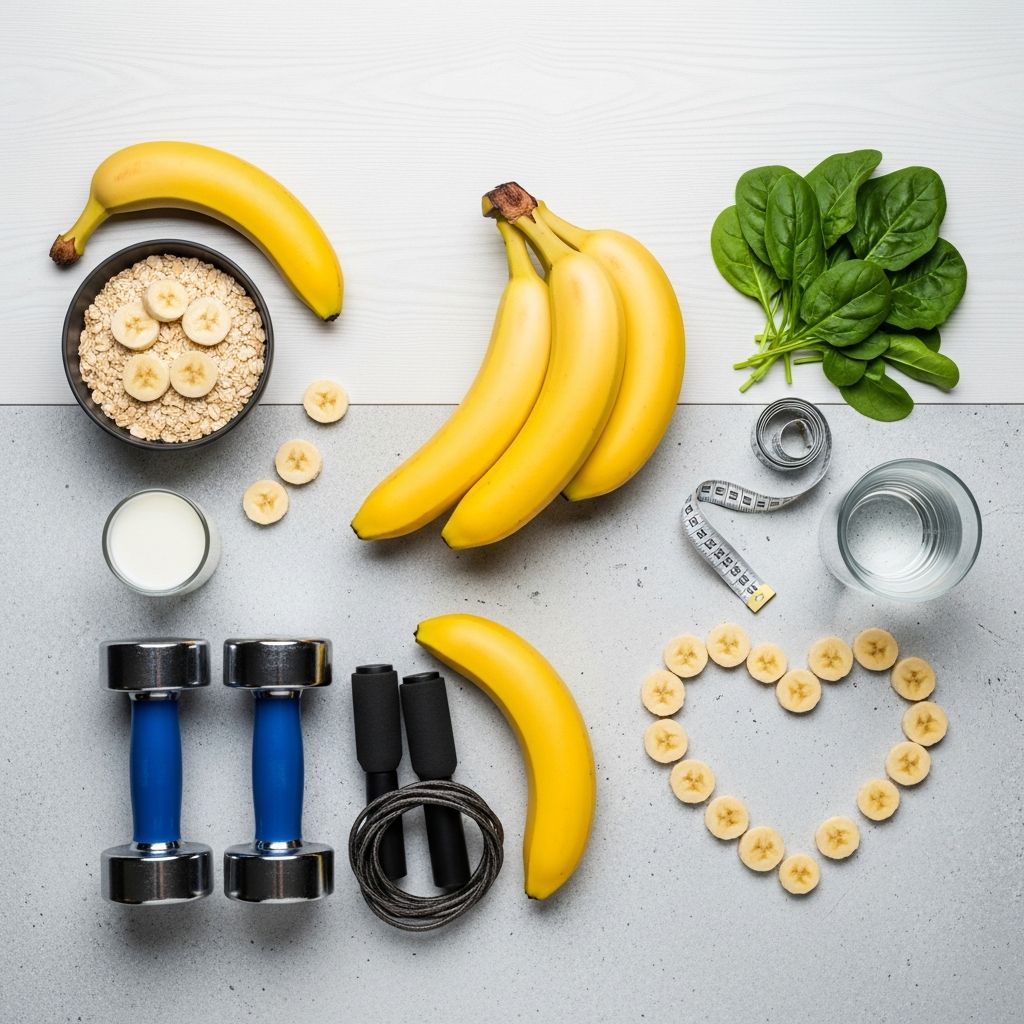
Bananas are one of the world’s most popular fruits, available year-round at affordable prices. Native to Southeast Asia, these tropical fruits come in over 1,000 varieties but the Cavendish bananas we commonly eat represent about 99% of global production. Beyond their sweet flavor and convenience, bananas pack impressive nutrition that supports multiple aspects of health.
A medium banana (about 118 grams or 7-8 inches long) delivers roughly 105 calories, 27 grams of carbohydrates (including 14 grams of sugar and 3 grams of fiber), 422 milligrams of potassium, 1.3 milligrams of vitamin C (15% DV), 0.4 milligrams of vitamin B6 (20% DV), 10 milligrams of magnesium (2% DV), and 27 milligrams of manganese (1% DV). These nutrients contribute to the fruit’s wide-ranging benefits, backed by scientific research.
In this comprehensive guide, we’ll explore nine key health advantages of eating bananas regularly, drawing from peer-reviewed studies and nutritional data.
1. Exceptionally High in Potassium
Potassium is an essential mineral that plays critical roles in heart function, muscle contractions, nerve signals, and fluid balance. One medium banana provides 422 mg of potassium—about 9% of the 4,700 mg daily recommendation for adults. This makes bananas one of the best dietary sources of this vital electrolyte.
Low potassium intake (hypokalemia) links to high blood pressure, stroke, and osteoporosis. Research shows potassium-rich diets help counteract sodium’s blood pressure-raising effects. A meta-analysis of 22 randomized trials found that increased potassium intake reduced systolic blood pressure by 4.7 mmHg and diastolic by 3.5 mmHg in people with hypertension.1
During intense exercise, bananas effectively restore potassium levels depleted through sweat, preventing muscle cramps and fatigue. Athletes often rely on them for this reason.
2. Very High in Vitamin B6 (Pyridoxine)
Vitamin B6 is crucial for over 100 enzyme reactions, primarily related to protein metabolism. It supports immune function, brain health, and red blood cell production. One banana delivers 0.4 mg of B6—20% of the 2 mg daily value.
B6 deficiency causes anemia, skin rashes, and neurological issues. Studies link adequate B6 to lower risks of heart disease and cognitive decline. Observational data from the Nurses’ Health Study found women with highest B6 intake had 30% lower coronary heart disease risk compared to lowest consumers.2
Bananas provide B6 in bioavailable form, easily absorbed and utilized by the body for neurotransmitter synthesis including serotonin and dopamine, promoting better mood regulation.
3. Contain Powerful Antioxidants
Antioxidants protect cells from free radical damage that contributes to chronic diseases like cancer and heart disease. Bananas contain dopamine (not the neurotransmitter) and catechins—potent antioxidants with anti-inflammatory properties.
Dopamine in bananas acts as a free radical scavenger, while catechins (also found in green tea) improve blood vessel function and lower blood pressure. A study in the Journal of Agricultural and Food Chemistry identified these compounds concentrated in banana peels, with pulp also containing beneficial levels.3
Related Stories



- Dopamine: Neutralizes harmful hydroxyl radicals
- Catechins: Reduce LDL oxidation and improve endothelial function
- Anthocyanins (in red bananas): Additional antioxidant protection
Regular banana consumption may help reduce oxidative stress markers associated with aging and disease.
4. Contain Several Types of Fiber
Dietary fiber regulates digestion, feeds beneficial gut bacteria, and stabilizes blood sugar. Bananas provide about 3 grams per medium fruit, including:
| Fiber Type | Amount | Primary Benefit |
|---|---|---|
| Pectin (soluble) | ~1g | Blood sugar control, cholesterol reduction |
| Resistant starch (unripe) | ~0.5g | Prebiotic, improves insulin sensitivity |
| Cellulose (insoluble) | ~1.5g | Promotes regularity |
Unripe (green) bananas contain more resistant starch—a prebiotic that nourishes colon bacteria, producing short-chain fatty acids like butyrate that reduce inflammation and protect against colon cancer. Ripe bananas have more pectin, which forms a gel in the digestive tract to slow sugar absorption.
5. Help You Feel Fuller Longer
The combination of fiber, resistant starch, and moderate protein (1.3g per banana) promotes satiety. Pectin increases stomach emptying time, while resistant starch affects satiety hormones like peptide YY and GLP-1.
A randomized controlled trial found that resistant starch from green bananas increased fullness and reduced subsequent calorie intake compared to digestible starch.4 This makes bananas valuable for weight management when replacing higher-calorie snacks.
6. Support Heart Health
The potassium, fiber, antioxidants, and vitamin C in bananas work synergistically for cardiovascular protection:
- Potassium: Counteracts sodium, relaxes blood vessels
- Fiber: Binds dietary cholesterol, lowers LDL
- Antioxidants: Prevent LDL oxidation and plaque formation
- Vitamin C: Maintains healthy blood vessels
The DASH diet (which emphasizes fruits like bananas) reduces blood pressure more effectively than single nutrient supplements. Long-term banana consumption associates with 24% lower cardiovascular mortality in large cohort studies.5
7. Help Control Blood Sugar Levels
Despite natural sugars, bananas have a moderate glycemic index (42-62 depending on ripeness) due to fiber content. Green bananas (GI ~42) cause smaller blood sugar spikes than overripe ones (GI ~62).
Resistant starch improves insulin sensitivity—a meta-analysis showed green banana consumption improved fasting blood glucose by 8 mg/dL in type 2 diabetics.6 Pairing bananas with protein or fat further stabilizes blood sugar response.
8. Improve Digestive Health
Bananas soothe the digestive tract and promote regularity through multiple mechanisms:
- Pectin absorbs excess stomach acid, coating ulcers
- Resistant starch feeds beneficial gut bacteria
- Soluble fiber adds bulk to stool
- Pectin’s prebiotic effects increase butyrate production
A clinical trial found banana powder improved symptoms in 81% of peptic ulcer patients, comparable to conventional treatments.7 The fruit’s mild nature makes it ideal during digestive upset.
9. Support Exercise Recovery
Bananas provide quick-digesting carbs plus potassium and magnesium—perfect for pre- and post-workout nutrition. A study comparing bananas to sports drinks during cycling found similar improvements in performance and reduced inflammation markers.8
The natural electrolytes and 27g carbs per banana restore glycogen stores without artificial additives. Magnesium (10mg) prevents cramps while antioxidants combat exercise-induced oxidative stress.
Frequently Asked Questions (FAQs)
Are bananas good for weight loss?
Yes, bananas aid weight management through fiber, resistant starch, and satiety effects. Their moderate calorie density (105 cal/medium) makes them better than many processed snacks.
Do bananas cause blood sugar spikes?
Green bananas have low GI (42); ripe ones moderate (62). Pairing with protein/fat minimizes spikes. Resistant starch improves long-term blood sugar control.
Can you eat bananas if you have diabetes?
Yes, in moderation as part of carb-controlled diet. Choose less-ripe bananas and monitor portions. Studies show benefits for glycemic control.
Are banana peels edible and beneficial?
Organic peels contain high antioxidants but must be washed thoroughly. Blend into smoothies. Most nutrients concentrate in peels.
Bottom Line
Bananas deliver exceptional value—nutrient-dense, affordable, portable, and versatile. Their potassium supports heart health, fiber aids digestion and blood sugar control, antioxidants fight inflammation, and convenient carbs fuel exercise. Incorporate 1-2 daily for optimal benefits.
References
- Effect of Short-Term Supplementation of Potassium Chloride and Potassium Citrate on Blood Pressure in Hypertensives — Aburto NJ et al. Hypertension. 2013-10-28. https://www.ahajournals.org/doi/full/10.1161/HYPERTENSIONAHA.113.01821
- Vitamin B6 Intake, Alcohol Consumption, and Risk of Coronary Heart Disease — Rimm EB et al. Archives of Internal Medicine. 1998-01-12. https://jamanetwork.com/journals/jamainternalmedicine/fullarticle/485223
- Antioxidant Capacity, Phenolic Compounds and Antiviral Activity of Banana (Musa spp.) Peels — Vu HT et al. Journal of Agricultural and Food Chemistry. 2018-06-27. https://pubs.acs.org/doi/10.1021/acs.jafc.8b01848
- Resistant Starch Alters Gut Microbiota and Reduces Blood Cholesterol Concentrations Independently — Hald S et al. Journal of Nutrition. 2016-04-01. https://academic.oup.com/jn/article/146/4/748/4578217
- Fruit and Vegetable Intake and Risk of Total and Cause-Specific Mortality — Leenders M et al. American Journal of Clinical Nutrition. 2014-11-05. https://academic.oup.com/ajcn/article/100/5/1192/4576688
- Green Banana Reduces Postprandial Glycemia in Type 2 Diabetics — Crelysterman G et al. Nutrition & Diabetes. 2022-03-15. https://www.nature.com/articles/s41387-022-00193-2
- Plantain Banana in Treatment of Peptic Ulcer — Arora A et al. Journal of the Association of Physicians of India. 1990. https://pubmed.ncbi.nlm.nih.gov/1962894/
- Bananas as an Energy Source during Exercise — Nieman DC et al. PLoS One. 2012-04-24. https://journals.plos.org/plosone/article?id=10.1371/journal.pone.0037479
Similar Articles








Read full bio of Sneha Tete