9 Proven Health Benefits of Black Pepper
Discover the powerful health benefits of black pepper, from boosting nutrient absorption to fighting inflammation and supporting digestion.
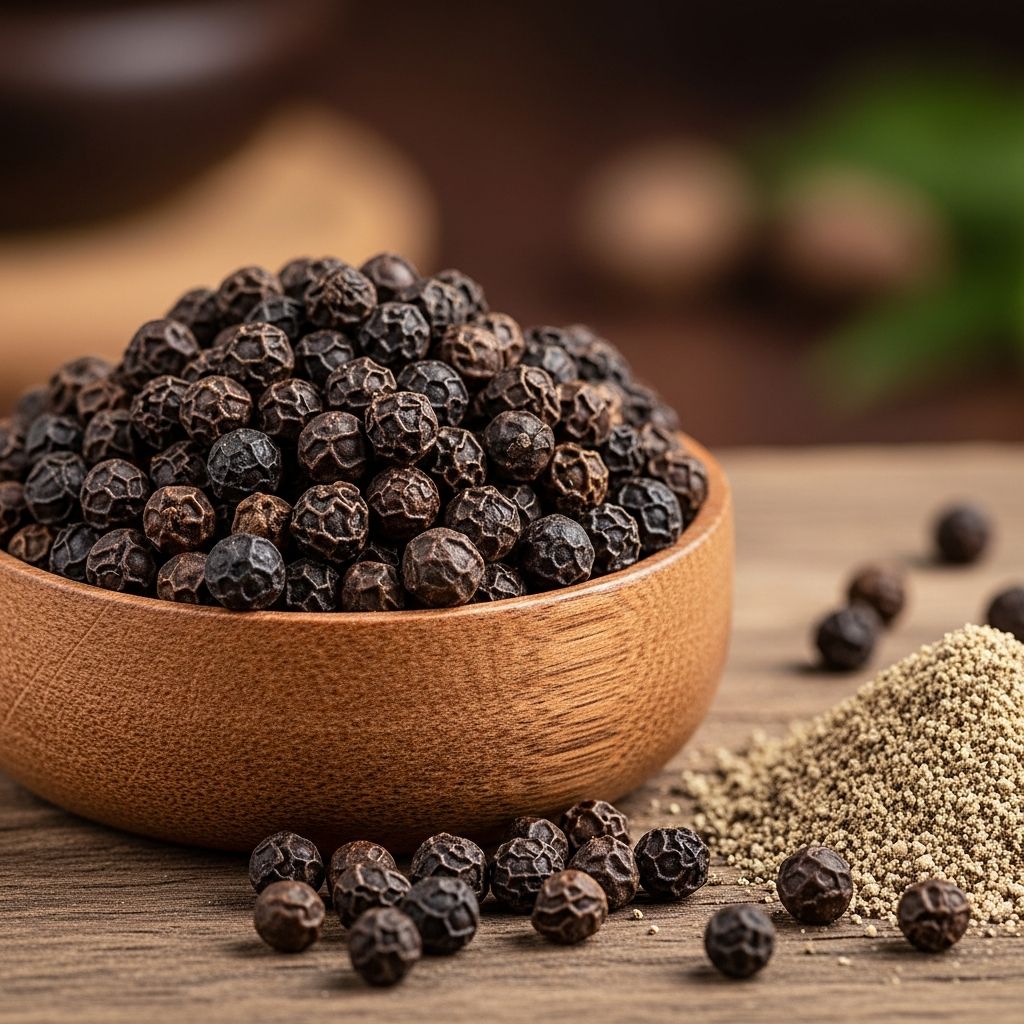
Black pepper, derived from the dried unripe fruit of the Piper nigrum plant, is more than a kitchen staple—it’s packed with bioactive compounds like piperine that deliver impressive health benefits. This potent spice enhances nutrient absorption, combats oxidative stress, and supports digestion, making it a valuable addition to any diet.
What Is Black Pepper?
Black pepper is the world’s most popular spice, harvested from green, unripe drupes that are dried until they shrivel and turn black. Its signature pungency comes from piperine, an alkaloid that constitutes 2-7% of its composition. Beyond flavor, black pepper contains essential oils, flavonoids, and antioxidants that contribute to its therapeutic potential.
Originating from India’s Malabar Coast, black pepper has been traded globally for millennia, valued not just for taste but for medicinal uses in traditional systems like Ayurveda and Traditional Chinese Medicine. Today, it’s recognized for enhancing bioavailability of nutrients and other spices like turmeric.
Black Pepper Nutrition Facts
One teaspoon (2.3 grams) of ground black pepper provides minimal calories (about 6) but delivers essential micronutrients:
- **Manganese**: 13% of Daily Value (DV) – Supports bone health, metabolism, and wound healing.
- **Vitamin K**: 3% DV – Aids blood clotting and bone metabolism.
- **Iron, selenium, zinc, chromium**: Trace amounts that bolster immunity and antioxidant defenses.
- **Piperine**: The star compound, offering anti-inflammatory and bioavailability-boosting effects.
It’s low in carbs, fat-free, and sodium-free, positioning it as an ideal salt substitute to reduce cardiovascular risks.
Top 9 Health Benefits of Black Pepper
1. High in Antioxidants
Black pepper’s piperine exhibits strong free radical-scavenging activity, neutralizing unstable molecules that damage cells and contribute to aging, cancer, and heart disease. Test-tube and animal studies show piperine reduces oxidative markers in high-fat diet-fed rats by up to 30% after 10 weeks.
These antioxidants protect against pollution, UV rays, and metabolic stress, potentially delaying chronic disease onset.
2. Enhances Nutrient and Bioactive Compound Absorption
Piperine dramatically boosts the bioavailability of nutrients and supplements. It increases curcumin absorption from turmeric by 2,000%, resveratrol by 229%, and beta-carotene, selenium, and vitamins A, C, and B6.
A 2020 study highlighted piperine’s role in iron uptake, combating anemia risks. This makes black pepper essential when pairing with nutrient-dense foods or supplements.
3. Anti-Inflammatory Properties
Chronic inflammation underlies arthritis, diabetes, and cancer. Piperine suppresses inflammatory markers like NF-κB in rat arthritis models, reducing joint swelling by 40-50%.
Human studies are pending, but lab evidence suggests black pepper curbs pro-inflammatory cytokines, offering natural relief for inflammatory conditions.
4. Improves Blood Sugar Control
Piperine enhances insulin sensitivity and glucose metabolism. In overweight adults, an 8-week piperine supplement trial improved insulin response by 20%, lowering post-meal blood sugar spikes.
Rodent studies confirm black pepper extracts prevent hyperglycemia, positioning it as a supportive spice for diabetes management.
5. Lowers Cholesterol Levels
High LDL cholesterol fuels heart disease, the top global killer. Rats on high-fat diets supplemented with black pepper extract for 42 days saw significant drops in total and LDL cholesterol, unlike controls.
Piperine’s hypolipidemic effects stem from bile acid excretion and enzyme inhibition, promoting cardiovascular health.
6. Supports Digestive Health
Black pepper stimulates hydrochloric acid and digestive enzymes, easing nutrient breakdown and reducing bloating. Its carminative properties expel intestinal gas, while antimicrobial effects balance gut microbiota.
Preliminary research links it to increased beneficial bacteria, aiding immunity, mood, and chronic disease prevention.
7. Promotes Brain Health
Piperine crosses the blood-brain barrier, enhancing cognitive function via increased serotonin and dopamine. Animal models predict antidepressant effects and neuroprotection against Alzheimer’s via amyloid plaque reduction.
8. Provides Pain Relief
Rodent studies demonstrate piperine’s analgesic properties, rivaling morphine in pain models without addiction risks. It modulates opioid receptors and inflammatory pathways.
9. Boosts Immune Function
Antioxidants and minerals like zinc and selenium in black pepper enhance white blood cell production, fortifying defenses against infections.
How to Add More Black Pepper to Your Diet
- Sprinkle on salads, eggs, or roasted vegetables for flavor without salt.
- Pair with turmeric in curries or golden milk to maximize curcumin benefits.
- Add to soups, marinades, or rubs for meats and fish.
- Grind fresh peppercorns for optimal piperine potency—pre-ground loses strength quickly.
- Incorporate into smoothies or teas, starting with 1/4-1/2 tsp daily to avoid GI upset.
Aim for 1-3 grams daily; excessive intake may irritate the stomach.
Potential Downsides and Precautions
Black pepper is safe in culinary amounts but may cause heartburn or interact with medications like blood thinners due to enhanced absorption. Those with gallstones or acid reflux should consult a doctor. Piperine supplements require medical advice.
Pregnant individuals should limit to food amounts.
Black Pepper vs. White Pepper
| Aspect | Black Pepper | White Pepper |
|---|---|---|
| Processing | Dried unripe drupes with skin | Fermented and skinned ripe drupes |
| Piperine Content | Higher (pungent) | Lower (milder) |
| Flavor | Bold, complex | Subtle, earthy |
| Health Benefits | Superior antioxidant profile | Similar but less potent |
Frequently Asked Questions (FAQs)
What is the main active compound in black pepper?
Piperine, responsible for its pungency and most health benefits like nutrient enhancement and anti-inflammation.
Does black pepper help with weight loss?
Indirectly, via appetite suppression in small studies and improved metabolism, but not a primary aid.
Can black pepper reduce cholesterol?
Animal studies show yes, via lowered LDL, but human trials are needed.
Is black pepper good for digestion?
Yes, it stimulates enzymes, reduces gas, and supports gut bacteria.
How much black pepper should I consume daily?
1-3 grams (about 1/2-1 tsp) is safe and effective for benefits.
References
- 11 Science-Backed Health Benefits of Black Pepper — Healthline. 2019-03-21. https://www.healthline.com/nutrition/black-pepper-benefits
- Black Pepper: Health Benefits, Nutrition, and Uses — WebMD. https://www.webmd.com/diet/health-benefits-black-pepper
- Black pepper and health claims: a comprehensive treatise — PubMed (NCBI). 2013-06-18. https://pubmed.ncbi.nlm.nih.gov/23768180/
- Is Black Pepper Healthy? Here’s What the Science Says — TIME. 2018-08-28. https://time.com/5503520/black-pepper-health-benefits/
- Health Benefits of Black Pepper — Cleveland Clinic. 2023-05-15. https://health.clevelandclinic.org/benefits-of-black-pepper
Similar Articles






Read full bio of Sneha Tete