Undefined: 9 Top Health Benefits Of Blueberries
Discover the impressive health benefits of blueberries, from heart health to brain protection and blood sugar control.
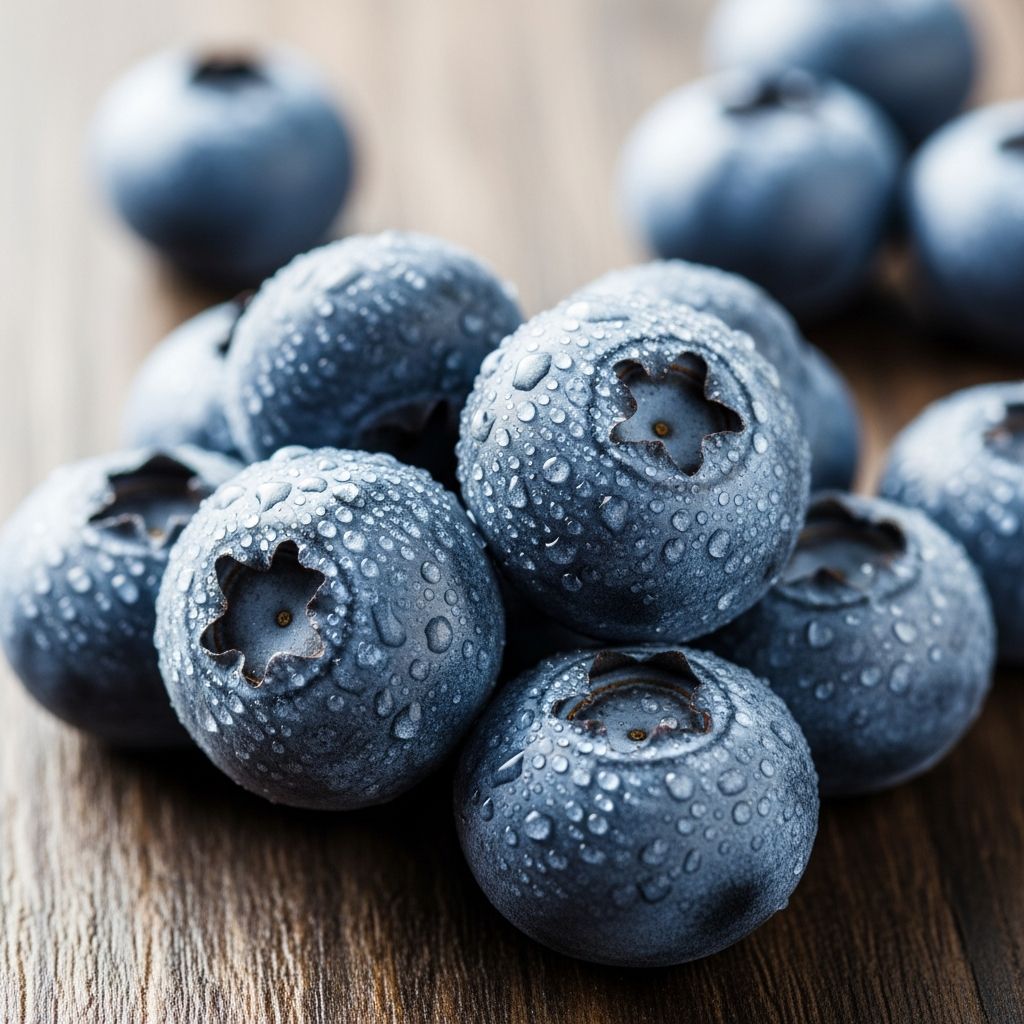
Blueberries are small yet mighty superfoods loaded with antioxidants, vitamins, and fiber that deliver impressive health benefits. These low-calorie berries support heart health, brain function, blood sugar control, and more through their rich anthocyanin content. Regular consumption—even moderate amounts like one-third cup daily—links to reduced risks of cardiovascular disease, type 2 diabetes, and cognitive decline, as shown in epidemiological and clinical studies.
What Are the Nutrients in Blueberries?
Blueberries pack a nutrient-dense profile in just one cup (148g) serving: 84 calories, 21g carbs (including 4g fiber), 1g protein, 0.5g fat, 24% DV vitamin C, 25% DV vitamin K, and manganese. Their standout feature is
anthocyanins
, powerful antioxidants giving blueberries their deep blue hue. These flavonoids combat oxidative stress and inflammation, key drivers of chronic diseases. Other compounds like pterostilbene and resveratrol enhance their protective effects on cells and blood vessels.1. Blueberries Are Among the World’s Most Powerful Sources of Antioxidants
Antioxidants in blueberries neutralize free radicals, reducing cellular damage linked to aging and disease. Blueberries top the ORAC scale for antioxidant capacity among common fruits, outperforming strawberries and raspberries. Anthocyanins specifically lower oxidative stress markers in human trials, protecting against atherosclerosis and neurodegeneration. Daily intake supports overall cellular health and longevity.
2. Blueberries Can Protect Against Free Radicals and Oxidative DNA Damage
Oxidative DNA damage contributes to cancer, diabetes, and heart disease. In a study of 168 adults, 1 cup of blueberries daily for 6 weeks decreased DNA damage by 20% compared to placebo. This protection stems from anthocyanins enhancing antioxidant enzyme activity and repairing DNA strands. Blueberries thus act as a natural defense against environmental and metabolic stressors.
3. Blueberries May Help Defend Against Aging and Cancer
Aging accelerates due to oxidative stress and inflammation; blueberries mitigate both. Animal studies show blueberry extracts extend lifespan and protect against UV-induced skin damage. In cancer research, anthocyanins inhibit tumor growth in colon, breast, and prostate models by inducing apoptosis and blocking angiogenesis. Human data links higher berry intake to 25% lower cancer risk.
4. Blueberries Can Protect the Brain from Oxidative Stress and Reduce the Effects of Age-Related Conditions
Blueberries cross the blood-brain barrier, concentrating anthocyanins in brain tissue to combat neuroinflammation and oxidative stress. In older adults, 2 cups daily for 90 days improved memory and executive function. Rat models of accelerated aging show blueberries protect hippocampal regions, boost BDNF levels, and enhance spatial memory. These effects suggest promise against Alzheimer’s and Parkinson’s.
5. Blueberries May Lower Your Risk for Heart Disease
Cardiovascular disease remains the top global killer, but blueberries offer multi-faceted protection. Clinical trials demonstrate that 1–2 cups daily for 8 weeks reduce arterial stiffness, lower systolic/diastolic blood pressure by 5–6%, and improve endothelial function in at-risk groups like hypertensives and metabolic syndrome patients. They also optimize lipid profiles: decreasing LDL/triglycerides while raising HDL. Mechanisms include anti-inflammatory actions and vascular relaxation.
6. Blueberries Can Help Maintain Healthy Blood Pressure
High blood pressure strains the heart and vessels. In women with pre-hypertension, daily blueberry smoothies for 8 weeks dropped systolic pressure by 6 mmHg and diastolic by 4 mmHg, comparable to medication effects. Similar benefits appear in men with CVD risk factors. Nitric oxide production from anthocyanins relaxes arteries, easing blood flow.
Related Stories



7. Blueberries Can Help Improve Insulin Sensitivity and Lower Blood Sugar Levels
Type 2 diabetes affects millions; blueberries aid prevention and management. In obese prediabetics, 2 cups daily for 6 weeks enhanced insulin sensitivity by 22% and lowered fasting glucose. Population studies link moderate blueberry/anthocyanin intake to 20–30% reduced T2DM risk. They slow carb digestion, improve glucose uptake, and reduce inflammation in adipose tissue.
8. Blueberries Can Improve Diabetes Symptoms and Control Blood Sugar
For diagnosed diabetics, blueberries shine in clinical settings. A trial of 58 T2DM patients found blueberry intake lowered LDL, triglycerides, and adiponectin while raising HDL. In metabolic syndrome cohorts, 75–150g daily stabilized cardiometabolic biomarkers over 6 months. Vasoprotective and anti-inflammatory effects ensure steady glucose delivery to tissues.
9. Blueberries May Help Reduce Muscle Damage and Soreness After Strenuous Workouts
Athletes benefit from blueberries’ recovery powers. In cyclists, pre-exercise blueberry smoothies reduced post-workout muscle soreness and oxidative stress markers. Montmorency tart cherries show similar effects, but blueberries’ anthocyanins uniquely accelerate muscle repair and cut inflammation after resistance training. This makes them ideal for active lifestyles.
Are Blueberries Good for You? Yes, and Here’s Why
Beyond specific benefits, blueberries support gut health via fiber feeding beneficial bacteria, aid weight management (highest fruit linked to least gain in large cohorts), and promote eye health through zeaxanthin protecting retinas. Their low glycemic index suits all diets. Epidemiological data confirms even small daily servings yield outsized rewards.
Easy Ways to Add More Blueberries into Your Diet
- Breakfast boost: Top oatmeal, yogurt, or smoothies with ½–1 cup fresh or frozen.
- Salad enhancer: Toss into greens with nuts and vinaigrette for antioxidant crunch.
- Baked goods: Swap half the flour in muffins or pancakes with pureed blueberries.
- Snacks: Freeze for popsicles or blend into energy balls with oats and nut butter.
- Savory twist: Pair with cheeses, prosciutto, or grilled meats for balanced meals.
Frozen blueberries retain nearly all nutrients, making year-round access easy. Aim for organic to minimize pesticides.
FAQ
Are blueberries actually a superfood?
Yes, their exceptional antioxidant density, fiber, and vitamin content earn superfood status, backed by links to lower chronic disease risk.
How many blueberries should you eat per day?
½–1 cup (75–150g) daily provides optimal benefits without excess sugar, per clinical research.
Are frozen blueberries as healthy as fresh?
Absolutely—freezing locks in nutrients at peak ripeness, often surpassing out-of-season fresh berries.
Can blueberries help with weight loss?
Prospective studies of 124,000+ people show highest blueberry intake correlates with least weight gain over 24 years.
Do blueberries lower blood pressure?
Yes, 8-week trials confirm 5–6% reductions in systolic/diastolic pressure in hypertensives.
Bottom Line
Incorporate blueberries routinely for their proven benefits across heart, brain, metabolic, and muscle health. Supported by robust evidence, these berries are a simple, delicious path to better wellness.
References
- Recent Research on the Health Benefits of Blueberries and Their Anthocyanins — James A. Joseph et al., Advances in Nutrition, Oxford Academic (PMC). 2020-07-29. https://pmc.ncbi.nlm.nih.gov/articles/PMC7442370/
- Blueberry Supplementation Improves Memory in Older Adults — Krikorian R. et al., Journal of Agricultural and Food Chemistry. 2010-04-14. https://pubs.acs.org/doi/10.1021/jf902852z
- Effects of Blueberry on Blood Pressure — Basu A. et al., Journal of Nutrition. 2010-07-21. https://academic.oup.com/jn/article/140/10/1764/4600298
- Anthocyanin-Rich Blueberry Intake and Glycemic Control — Stull AJ. et al., Journal of Nutrition. 2010-10-20. https://academic.oup.com/jn/article/140/12/2190/4600425
Similar Articles








Read full bio of medha deb