Cold Showers: 9 Proven Health Benefits For 2025
Discover the science-backed perks of cold showers, from boosting immunity and mood to aiding recovery and skin health.
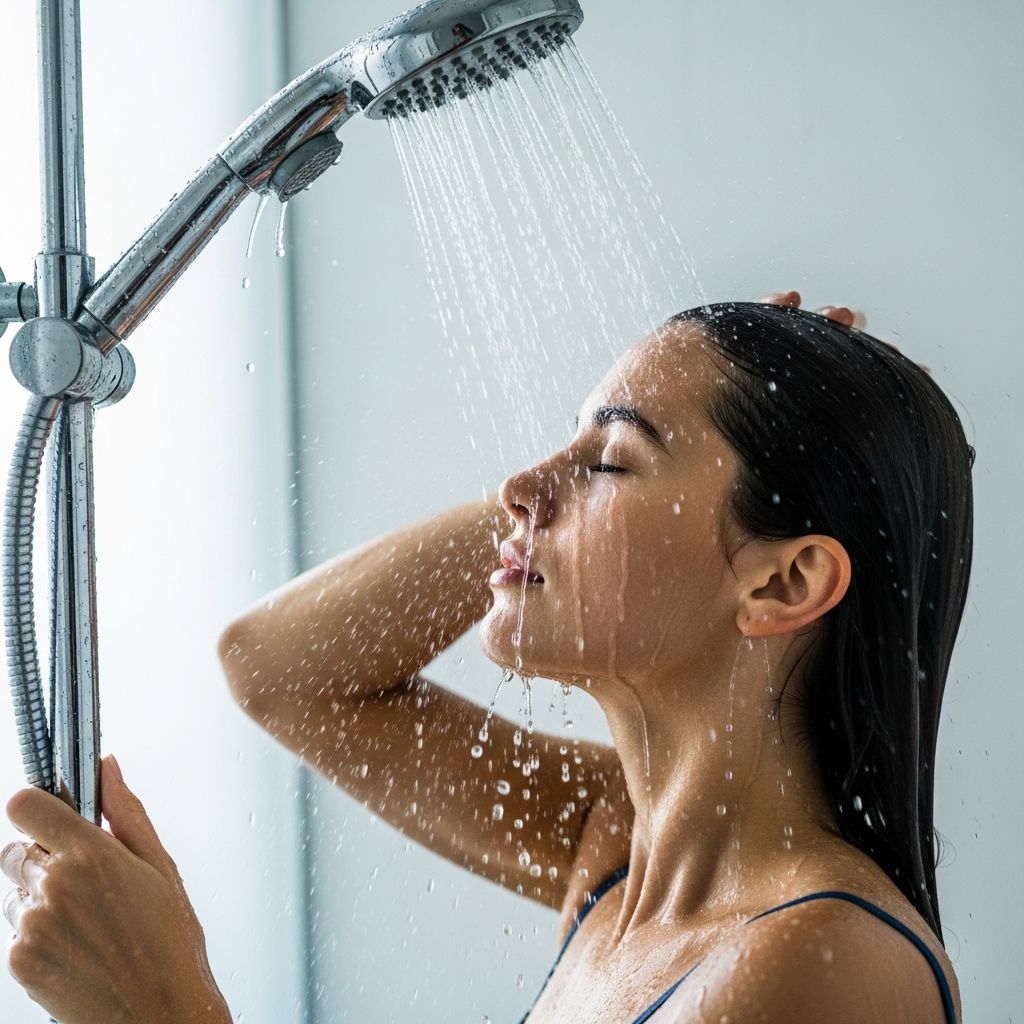
Cold showers, a simple yet invigorating practice, expose the body to chilly water, triggering physiological responses that may enhance health in multiple ways. Emerging research highlights potential advantages ranging from strengthened immunity to improved mental well-being and physical recovery. While not a cure-all, incorporating cold showers into your routine could yield noticeable benefits when done safely.
What Are Cold Showers?
Cold showers involve rinsing with water typically between 50°F and 60°F (10°C to 15°C) for 2-5 minutes, often at the end of a regular warm shower. This form of cold water therapy mimics aspects of ice baths or cryotherapy but is more accessible. The sudden temperature drop stimulates the nervous system, constricts blood vessels, and activates the body’s stress response, leading to adaptive benefits over time.
Unlike hot showers, which relax muscles and promote blood flow to the surface, cold showers prioritize core protection and efficiency in circulation. Studies on cold water immersion, a related practice, provide insights applicable to showers, showing effects on metabolism, inflammation, and mood.
9 Benefits of Cold Showers
1. May Improve Immunity
A key benefit of cold showers is their potential to bolster immunity against common illnesses like colds. The cold shock activates leukocytes, white blood cells that combat infections. A Dutch study found participants ending showers with 30-90 seconds of cold water for 90 days called out sick 29% less than controls.
This aligns with immune training theories, where mild stressors enhance resilience. Regular exposure may increase white blood cell counts and reduce upper respiratory infections, making cold showers a practical daily habit for fewer sick days.
2. Could Ease Depression Symptoms
Cold showers may alleviate depression by influencing brain chemistry. The shock triggers endorphin release and boosts norepinephrine and dopamine, neurotransmitters linked to mood regulation. One clinical study reported reduced depression symptoms after daily cold showers over several months.
Additional research indicates lowered anxiety and improved overall mood, possibly due to decreased cortisol levels. While not a standalone treatment, cold showers complement therapy for mild depressive symptoms.
3. Boost Circulation
Cold water forces the body into survival mode, constricting peripheral blood vessels and redirecting blood to vital organs. This enhances overall circulation as vessels dilate upon rewarming, delivering oxygen-rich blood efficiently.
Improved flow aids muscle recovery, supports those with high blood pressure or diabetes, and speeds post-exercise healing. Over time, the circulatory system becomes more efficient.
4. Increase Metabolism
To maintain core temperature in cold water, the body burns calories through thermogenesis, potentially raising metabolism. This non-shivering process activates brown fat, which specializes in heat production.
Though the calorie burn is modest, consistent practice may contribute to fat loss and energy expenditure. Research remains limited, but it’s a low-effort addition to fitness routines.
Related Stories



5. Reduce Inflammation and Muscle Soreness
Cold exposure causes vasoconstriction, flushing inflammatory byproducts like lactic acid from muscles. Upon rewarming, vasodilation brings nutrient-rich blood back, reducing delayed-onset muscle soreness (DOMS).
Athletes use this for faster recovery. Studies show lower soreness perceptions post-exercise, though performance impacts vary.
6. Elevate Mood and Reduce Stress
The invigorating shock of cold water releases endorphins, natural painkillers and mood elevators. It also lowers cortisol, the stress hormone, promoting relaxation.
Participants in immersion studies felt more alert, attentive, and less distressed, suggesting cold showers sharpen focus and combat anxiety.
7. Benefit Skin and Hair Health
Cold water tightens pores, reduces oiliness, and minimizes breakouts by limiting sebum production. It strengthens hair cuticles, reducing frizz and enhancing shine.
Improved circulation nourishes skin cells, clearing toxins for a healthier glow. Those with acne or oily skin may notice clearer complexions.
8. Alleviate Pain
Acting like localized cryotherapy, cold showers numb nerve endings and reduce swelling. They’re effective for headaches, muscle pain, and minor injuries.
Stress-induced analgesia (SIA) from cold exposure dulls pain responses, offering short-term relief without medication.
9. Heighten Alertness and Mental Clarity
The adrenaline rush from cold water increases heart rate and vigilance, mimicking a natural wake-up call. Users report heightened focus and energy, ideal for mornings.
This mental boost persists, aiding productivity without caffeine.
How to Take a Cold Shower
Start gradually: Begin with warm water, then switch to cold for 30 seconds on legs and arms. Progress to full-body exposure for 2-3 minutes. Aim for 50-60°F water. Breathe deeply to manage shock. Frequency: 3-5 times weekly, post-workout or mornings.
- Duration: 2-5 minutes maximum for beginners.
- Temperature: Cooler than comfortable but tolerable.
- Timing: End of shower to ease transition.
- Progression: Increase time and coverage weekly.
Cold Shower vs. Hot Shower
| Aspect | Cold Shower | Hot Shower |
|---|---|---|
| Circulation | Stimulates via constriction/dilation | Relaxes via dilation |
| Muscle Recovery | Reduces inflammation/soreness | Loosens tight muscles |
| Mood | Boosts endorphins/alertness | Promotes relaxation/sleep |
| Skin | Tightens pores, clearer skin | Opens pores for cleansing |
| Best For | Energy, immunity, recovery | Stress relief, joint pain |
Contrast showers (alternating) combine benefits.
Potential Risks and Precautions
Cold showers suit most healthy adults but consult doctors if you have heart conditions, Raynaud’s, or respiratory issues. Avoid if pregnant or with open wounds. Start slow to prevent hyperventilation or shock.
- Hypothermia risk in extremes.
- Not for cardiovascular patients without clearance.
- Monitor for dizziness.
Frequently Asked Questions (FAQs)
Q: How long should a cold shower last?
A: Beginners: 30-60 seconds; advanced: 2-5 minutes. Consistency matters more than duration.
Q: Are cold showers good for weight loss?
A: They slightly boost metabolism via thermogenesis but pair with diet/exercise for results.
Q: Can cold showers replace ice baths?
A: They offer similar benefits accessibly, though immersion is more intense.
Q: Do cold showers help with anxiety?
A: Yes, via endorphin release and cortisol reduction.
Q: Is it safe daily?
A: For most, yes—listen to your body and build tolerance.
References
- 6 cold shower benefits to consider — UCLA Health. 2023-approx. https://www.uclahealth.org/news/article/6-cold-shower-benefits-consider
- What are the benefits of cold and hot showers? — Medical News Today. 2023-approx. https://www.medicalnewstoday.com/articles/327461
- 7 Cold Shower Benefits — Cleveland Clinic Health Essentials. 2023-approx. https://health.clevelandclinic.org/are-cold-showers-good-for-you
- Cold-water plunging health benefits — Mayo Clinic Health System. 2023-approx. https://www.mayoclinichealthsystem.org/hometown-health/speaking-of-health/cold-plunge-after-workouts
- Short-Term Head-Out Whole-Body Cold-Water Immersion Facilitates … — PMC (PubMed Central). 2023-03-01. https://pmc.ncbi.nlm.nih.gov/articles/PMC9953392/
Similar Articles








Read full bio of medha deb