Benefits Of Cooking With Coconut Oil: 8 Health Benefits
Discover the science-backed benefits of coconut oil for cooking, from fat burning to oral health, plus heart health considerations.
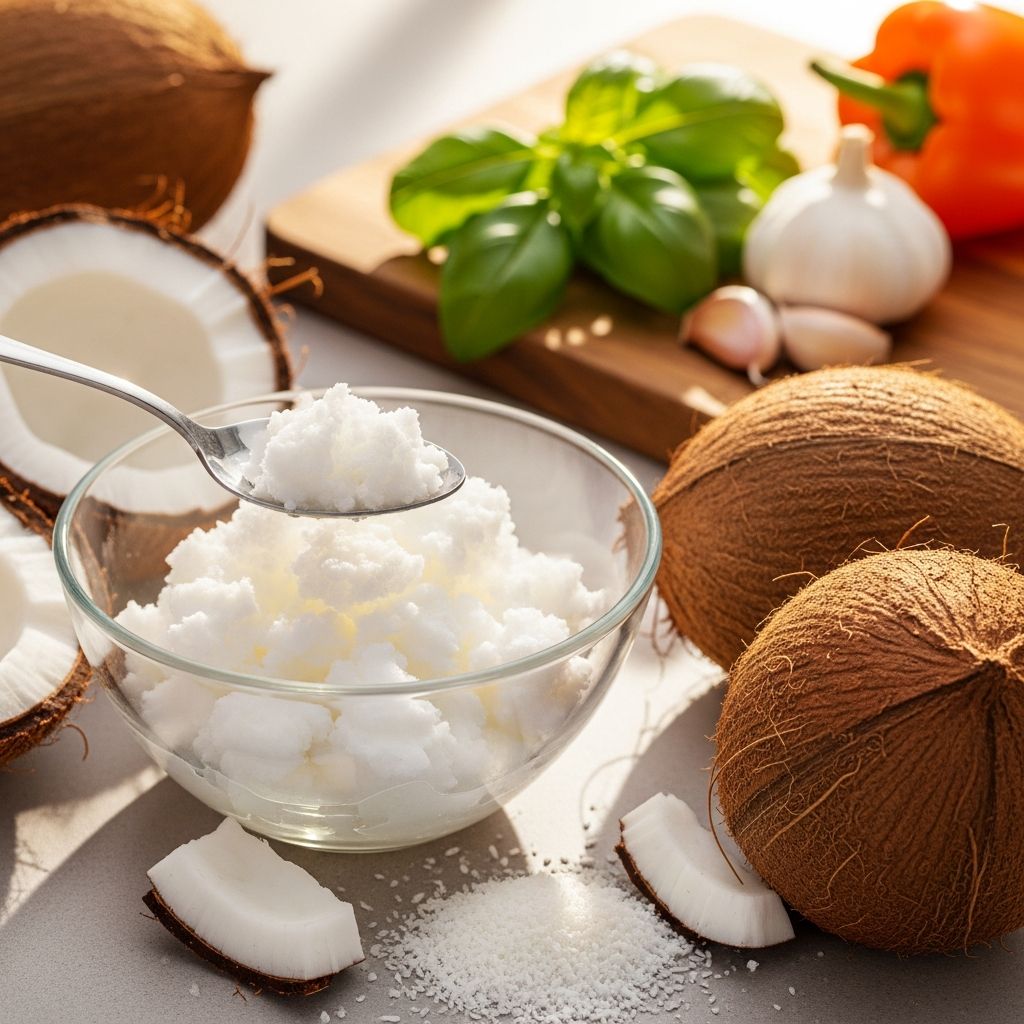
Coconut oil has surged in popularity as a cooking fat due to its unique composition of medium-chain triglycerides (MCTs), which offer potential health advantages over traditional oils. Rich in lauric acid, it provides quick energy, antimicrobial effects, and more, though its high saturated fat content warrants moderation for heart health.
What Is Coconut Oil?
Coconut oil is extracted from the meat of mature coconuts, available in refined and virgin forms. Virgin coconut oil retains more natural antioxidants and flavor, while refined versions have a higher smoke point ideal for cooking. About 65% of its fats are MCTs, distinguishing it from long-chain triglycerides (LCTs) in most oils, allowing faster absorption and metabolism.
Unlike other saturated fats, MCTs in coconut oil are rapidly converted to energy rather than stored as fat. This makes it a staple in ketogenic and Paleo diets, adding flavor to dishes like curries and stir-fries.
Nutritional Profile of Coconut Oil
One tablespoon (13.6g) of coconut oil contains approximately 121 calories, 13.5g total fat (all saturated), and trace vitamins like vitamin E. It lacks protein or carbs but provides plant sterols that may support cholesterol balance. Key components include lauric acid (50% of MCTs), caprylic acid, and capric acid, contributing to its health effects.
Top Health Benefits of Cooking with Coconut Oil
1. Encourages Fat Burning
Coconut oil’s MCTs may promote fat loss by increasing energy expenditure. A 2023 study on MCT supplementation during a ketogenic diet showed significant reductions in body weight, BMI, and waist circumference, effects mirrored by coconut oil’s 65% MCT content.
MCTs boost metabolism via thermogenesis, where the body burns more calories digesting them compared to LCTs. Incorporate it into meals like sautéed vegetables or smoothies for potential weight management support.
2. Quick Source of Energy
MCTs are absorbed directly into the bloodstream from the small intestine, bypassing the lymphatic system required for LCTs. This provides rapid energy, similar to carbohydrates, making coconut oil ideal for athletes or low-carb diets.
Studies highlight MCTs in sports nutrition for immediate fuel. Use it for pre-workout cooking, like frying eggs, to sustain energy without blood sugar spikes.
3. Antimicrobial Effects
Lauric acid in coconut oil exhibits antimicrobial properties against bacteria like Staphylococcus aureus, fungi, and viruses. Cooking with it may reduce pathogen exposure in foods, supporting gut and immune health.
Research confirms lauric acid’s role in disrupting microbial cell membranes. Add to soups or marinades for subtle protection.
4. Lessens Hunger
MCTs enhance satiety by producing ketones during breakdown, signaling fullness to the brain. This can reduce overall calorie intake, aiding weight control.
Clinical trials show MCT consumption lowers appetite more than LCTs. Drizzle on salads or use in bulletproof coffee for prolonged satisfaction.
Related Stories



5. Supports Brain Health and May Reduce Alzheimer’s Symptoms
Ketones from MCTs provide an alternative brain fuel, potentially benefiting Alzheimer’s patients whose glucose metabolism is impaired. Antioxidants in coconut oil offer anti-inflammatory protection.
A 2017 animal study suggested lauric acid reduces diabetic brain complications. Use in daily cooking to support cognitive function.
6. Boosts Skin and Hair Health
Though topical use is common, cooking with coconut oil allows internal benefits like moisturizing effects from fatty acids. Lauric acid fights skin infections, while antioxidants combat oxidative stress.
Ingested fats improve skin barrier function. Cook skin-friendly meals with it for holistic care.
7. Improves Oral Health
Oil pulling with coconut oil reduces harmful bacteria like S. mutans, plaque, and gingivitis. A 2020 study found it as effective as mouthwash cost-wise.
Lauric acid forms a soap-like substance with saliva. Swish cooking remnants or dedicated oil post-meals.
8. Source of Antioxidants
Virgin coconut oil contains polyphenols with anti-inflammatory, antidiabetic, and neuroprotective effects. These combat free radicals from cooking at high heat.
Heart Health Considerations
Despite benefits, coconut oil is 90% saturated fat, raising total and LDL cholesterol in some studies. A PMC review found coconut oil diets increased total cholesterol compared to unsaturated fats, though HDL rose.
Human trials show mixed results: higher HDL but potential LDL risks. The American Heart Association advises limiting to 5-6% of calories. Opt for moderation, balancing with olive or avocado oil.
| Oil Type | Saturated Fat (per tbsp) | Heart Impact |
|---|---|---|
| Coconut Oil | 11-13g | May raise LDL/Total Cholesterol |
| Olive Oil | 2g | Lowers LDL, Heart-Protective |
| Butter | 7g | Increases LDL |
How to Cook with Coconut Oil
- Sautéing/Stir-Frying: High smoke point (refined: 400°F) suits veggies, meats.
- Baking: Replaces butter in muffins, cookies for MCT boost.
- Frying: Stable against oxidation, but avoid deep-frying due to low continuous heat tolerance.
- Dressings: Virgin oil for salads adds tropical flavor.
- Portion Control: 1-2 tbsp daily max to limit saturated fat.
Potential Downsides and Precautions
High calories (120/tbsp) can lead to weight gain if overused. Digestive upset possible with excess MCTs. Not suitable for deep-frying long-term due to smoke point.
Those with cholesterol issues should consult doctors. Prefer virgin over refined for nutrients.
Coconut Oil vs. Other Cooking Oils
Coconut oil excels in stability and MCTs but lags in unsaturated fats. Olive oil offers heart benefits; canola is neutral. Use coconut for flavor, others for balance.
Frequently Asked Questions (FAQs)
Is coconut oil good for heart health?
It raises HDL but may increase LDL/total cholesterol. Use sparingly alongside unsaturated fats.
Can I use coconut oil for high-heat cooking?
Refined yes (up to 400°F); virgin for lower heats. Avoid prolonged deep-frying.
Does coconut oil help with weight loss?
MCTs may boost metabolism and satiety, but evidence is from pure MCTs; moderation key.
Is virgin coconut oil better than refined?
Virgin retains antioxidants/flavor; refined has higher smoke point.
How much coconut oil per day?
1-2 tablespoons, per dietary guidelines for saturated fats.
References
- Effects of Coconut Oil on Your Health — Healthline. 2024-03-13. https://www.healthline.com/nutrition/top-10-evidence-based-health-benefits-of-coconut-oil
- Food for Thought: Is coconut oil actually good for you? — CoxHealth. N/A. https://www.coxhealth.com/content-hub/food-thought-coconut-oil-actually-good-you/
- Coconut oil consumption and cardiovascular risk factors in humans — PMC (PubMed Central). 2016. https://pmc.ncbi.nlm.nih.gov/articles/PMC4892314/
- Is Cooking With Coconut Oil Healthy? — Intermountain Healthcare. N/A. https://intermountainhealthcare.org/blogs/article/is-cooking-with-coconut-oil-healthy
- Coconut Oil for Cooking: Is It Healthy? — Atrium Health. 2017-08-05. https://atriumhealth.org/dailydose/2017/08/05/is-coconut-oil-healthy
Similar Articles








Read full bio of Sneha Tete