Benefits Of Drinking Water: 8 Key Health Benefits To Know
Discover the essential health benefits of staying hydrated, from improved cognition to disease prevention and optimal bodily functions.
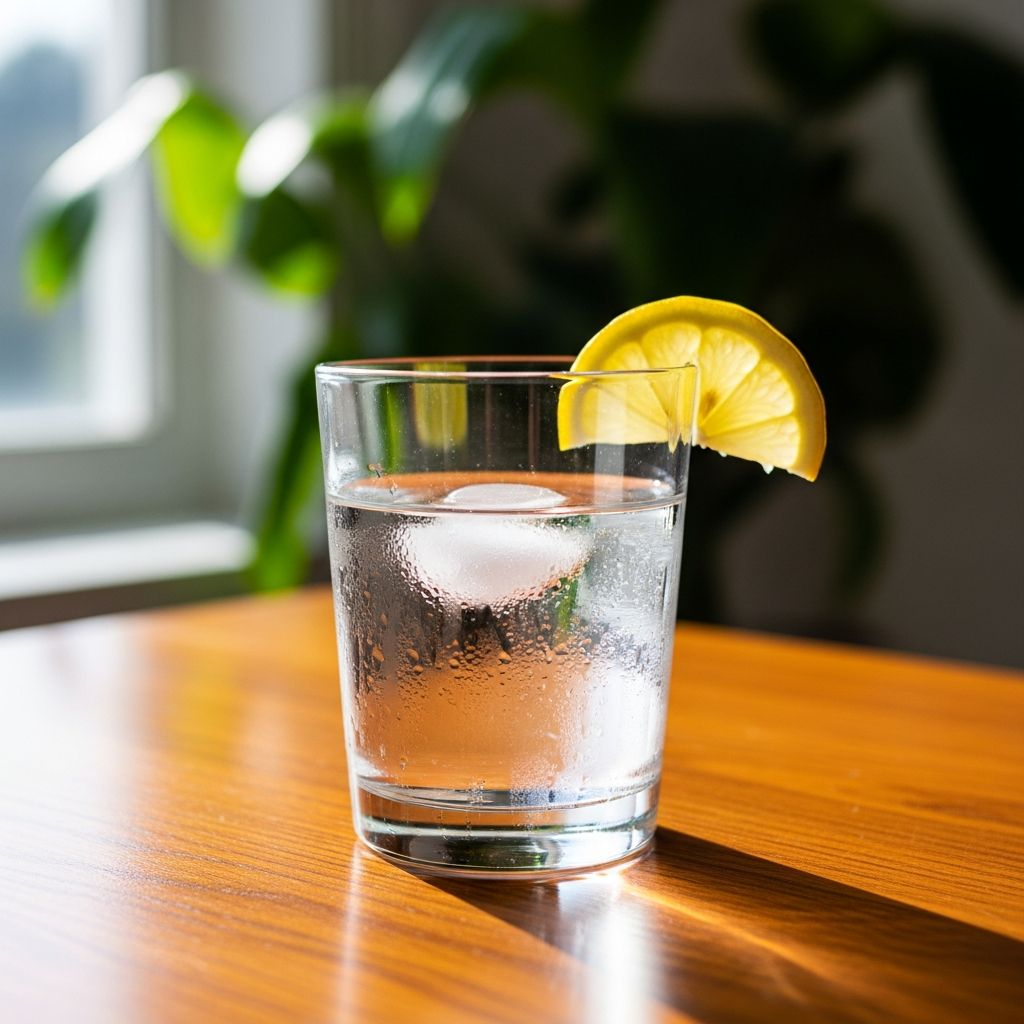
Water is fundamental to every bodily function, comprising about 60% of adult body weight and enabling processes from digestion to temperature regulation. Adequate hydration supports overall health, cognitive performance, physical endurance, and may reduce risks of chronic diseases, as evidenced by research from the National Institutes of Health showing well-hydrated individuals have lower rates of heart and lung conditions.
What Are the Benefits of Drinking Water?
Drinking sufficient water daily yields numerous health advantages by maintaining cellular function, fluid balance, and organ efficiency. Every cell requires water for optimal operation, aiding digestion, joint lubrication, waste elimination, and preventing dehydration-related fatigue. Research indicates hydration influences mood, energy, attention, and potentially protects against age-related chronic diseases.
- Enhances Physical Performance: Water regulates body temperature through sweat, preventing overheating during exercise. Dehydration as low as 2% body weight loss impairs endurance, strength, and coordination.
- Boosts Cognitive Function: Hydration supports brain health; even mild dehydration reduces alertness, concentration, and short-term memory. Water intake increases self-reported arousal and may improve demanding cognitive tasks in thirsty individuals.
- Aids Digestion and Constipation Relief: Water softens stool and promotes regular bowel movements, reducing constipation risk. Kidneys function better with ample water, producing less concentrated urine and conserving energy.
- Supports Kidney Health: Adequate intake protects kidneys from stress caused by high salt or toxins, minimizing tissue wear.
- Improves Skin Health: Hydration maintains skin elasticity and may reduce dryness, though topical moisturizers provide additional benefits.
- Assists Weight Management: Water increases satiety, potentially reducing calorie intake. Drinking before meals can lower food consumption.
- Reduces Headache Intensity: Increasing water intake modestly decreases headache duration and severity in frequent sufferers, though it does not prevent episodes.
- Supports Heart Health: Water intake acutely lowers heart rate and raises blood pressure, beneficial for those with orthostatic hypotension. Well-hydrated people show lower chronic heart disease risk.
How Much Water Should You Drink Per Day?
The National Academies of Sciences, Engineering, and Medicine recommend 3.7 liters (125 ounces) total water daily for men and 2.7 liters (91 ounces) for women, including all sources. About 20% comes from food, leaving roughly 3 liters (100 ounces) for men and 2.1 liters (73 ounces) for women from beverages. Individual needs vary by factors like activity, climate, health, pregnancy, and breastfeeding.
| Group | Total Daily Intake (liters/ounces) | Beverage Intake (liters/ounces) |
|---|---|---|
| Men | 3.7 L / 125 oz | 3 L / 100 oz |
| Women | 2.7 L / 91 oz | 2.1 L / 73 oz |
| Pregnant Women | Increase by 0.3 L / 10 oz | Adjust accordingly |
| Breastfeeding Women | Increase by 0.7-1 L / 24-34 oz | Adjust accordingly |
Adjust upward for exercise (add 12 oz per 30 minutes), hot/humid environments, illness, or high altitudes.
Signs of Dehydration
Dehydration occurs when water loss exceeds intake, impairing health. Infants and elderly are most vulnerable due to higher body water proportions or reduced thirst sensation.
- Mild Dehydration (1-3% loss): Thirst, dry mouth, reduced urine (dark yellow), fatigue, headache, dizziness.
- Moderate (4-6%): Dry skin, rapid heartbeat, sunken eyes, irritability, confusion.
- Severe (>6%): No urination, very dry mouth, low blood pressure, fever, unconsciousness—requires medical attention.
Monitor urine color (pale yellow ideal) and frequency (4-7 times daily).
What Counts as Water?
Beyond plain water, hydrating options include:
- Water-rich foods: Watermelon (92% water), strawberries, cucumbers, lettuce (96%).
- Beverages: Herbal tea, milk, low-sugar juices (limit caffeinated/sugary drinks).
- Soups and broths for electrolyte balance.
Related Stories



Avoid over-relying on caloric beverages, as they contribute to noncommunicable diseases.
Side Effects of Drinking Too Much Water
Overhydration (hyponatremia) dilutes blood sodium, causing nausea, confusion, seizures. Rare in healthy adults; risk higher in endurance athletes or those with kidney issues. Balance intake with needs.
Tips for Drinking More Water
Achieve hydration goals with practical strategies:
- Set Reminders: Use phone apps or alarms hourly.
- Carry a Reusable Bottle: Refill throughout the day.
- Flavor Naturally: Add lemon, cucumber, mint.
- Eat Hydrating Foods: Incorporate fruits/veggies.
- Track Intake: Smart bottles or journals.
- Pair with Routines: Drink upon waking, before meals, bedtime.
- Challenge Others: Compete with friends.
Frequently Asked Questions (FAQs)
Is it possible to drink too much water?
Yes, excessive intake can lead to hyponatremia, but this is uncommon in healthy people following general guidelines.
Does coffee or tea count toward daily water intake?
Yes, in moderation; caffeine’s diuretic effect is mild and offset by fluid volume.
How does dehydration affect exercise performance?
Even 2% dehydration reduces endurance by impairing thermoregulation and increasing fatigue.
Can drinking water help with weight loss?
Yes, by promoting fullness and replacing higher-calorie drinks, potentially reducing intake.
What are the first signs of dehydration in children?
No tears when crying, fewer wet diapers, dry mouth, sunken eyes.
References
- Drink Up: How Water Boosts Your Health — Bayfront Health. 2023-approx. https://www.bayfronthealth.com/content-hub/drink-up-how-water-boosts-your-health/
- Water, Hydration and Health — National Center for Biotechnology Information (PMC). 2010-07-06. https://pmc.ncbi.nlm.nih.gov/articles/PMC2908954/
Similar Articles








Read full bio of medha deb