9 Proven Health Benefits of Eating Beets
Discover the impressive health perks of beets, from lowering blood pressure to boosting exercise performance and fighting inflammation.
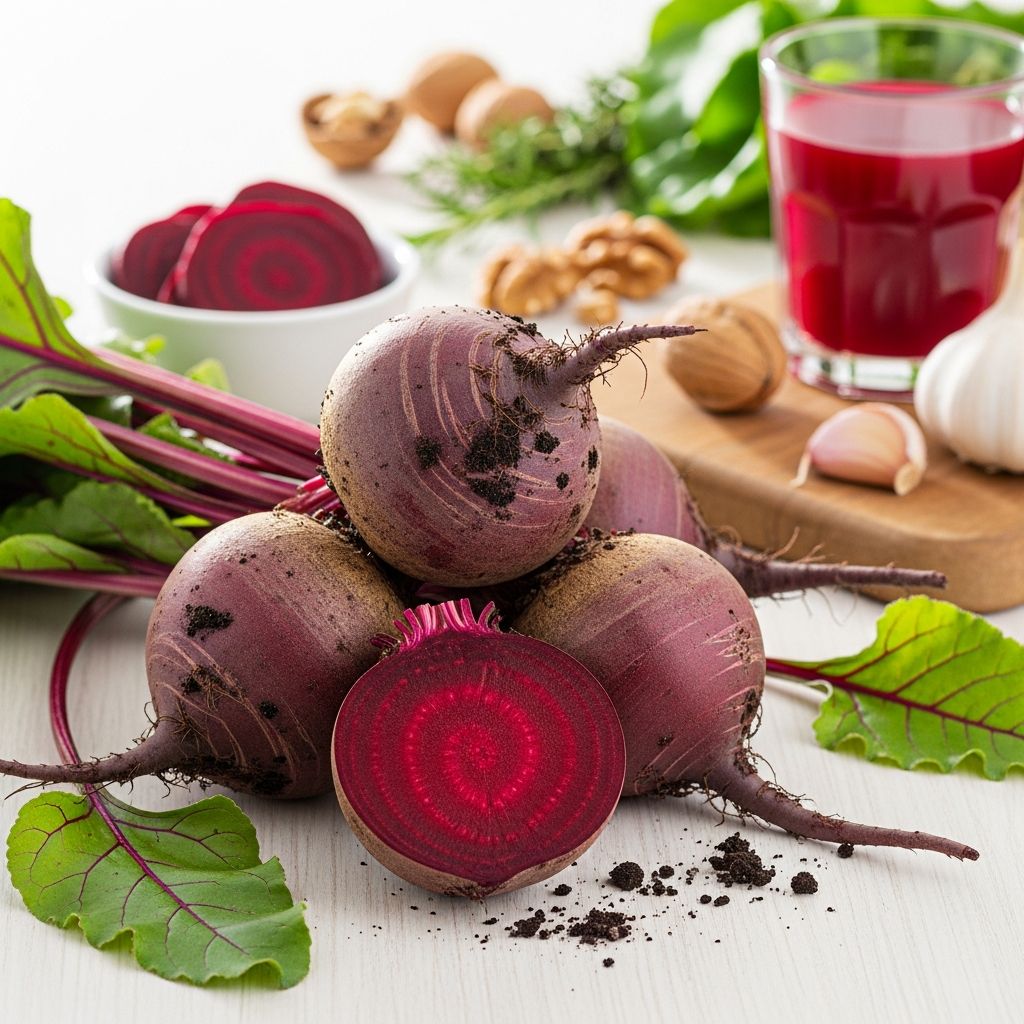
Beets, also known as beetroot, are a vibrant root vegetable loaded with essential nutrients and bioactive compounds that deliver impressive health benefits. Rich in nitrates, betalains, fiber, and vitamins, beets support heart health, exercise performance, and more. This article explores nine key benefits backed by research, plus tips for adding beets to your diet.
What Are Beets?
Beets (Beta vulgaris) are a root vegetable with a deep red or golden hue, cultivated for thousands of years. They feature edible roots and nutrient-dense greens. Beets contain high levels of dietary nitrates, which convert to nitric oxide in the body, promoting vasodilation and improved blood flow. They are also packed with betalains—potent antioxidants responsible for their color—and provide folate, manganese, potassium, and vitamin C. Low in calories (about 44 per cup raw), beets offer high fiber (3.4g per cup) for digestive health.
Historically used by ancient Romans for circulation and fever relief, modern studies confirm beets’ phytonutrient profile supports cardiovascular function, reduces inflammation, and enhances physical performance.
1. Beets May Lower Blood Pressure
Dietary nitrates in beets are converted to nitric oxide, relaxing blood vessels and reducing blood pressure. Studies show beetroot juice supplementation lowers systolic and diastolic blood pressure. For instance, research indicates a drop of 5.2 mmHg diastolic and 6.2 mmHg systolic after nitrate-rich beet consumption in healthy subjects.
In hypertensives, beets improve microvascular function and endothelial vasodilation. The American Heart Association notes beets’ nitrates enhance blood flow and oxygen uptake, benefiting cardiovascular health.
2. Beets Can Improve Athletic Performance
Nitrates boost oxygen efficiency, delaying fatigue during exercise. Beetroot juice extends time to exhaustion and enhances endurance in activities like running and cycling. Acute supplementation improves muscle oxygenation and neuromuscular efficiency during resistance training.
For obese individuals, short-term beet intake enhances exercise tolerance. Hill-walkers benefit from 24-hour nitrate supplementation for better performance. Athletes often use beets to increase stamina and reduce soreness.
3. Beets Are Rich in Antioxidants
Betalains, including betanin, scavenge free radicals, reducing oxidative stress. These compounds prevent DNA damage, protect LDL from oxidation, and combat nitrative stress. Beets’ deep color signals high phytonutrient content, aiding cell repair and health.
Antioxidants in beets lower chronic disease risk, including cancer and heart disease.
4. Beets Have Anti-Inflammatory Properties
Betalains and other phytonutrients reduce inflammation markers. Beets decrease monocyte-platelet aggregates and CD11b-expressing granulocytes in older adults, supporting immune health. Anti-inflammatory effects help manage conditions like arthritis and cardiovascular disease.
5. Beets May Help Detoxify the Body
Betaine in beets supports liver function by aiding methylation processes, promoting detoxification. Studies link betaine to reduced liver fat accumulation. Beets’ fiber binds toxins for elimination, while antioxidants protect against oxidative damage during detox.
6. Beets Support Brain Health
Nitrates improve cerebral blood flow, potentially protecting against dementia. B vitamins like folate (17% DV per half-cup boiled beets) support red blood cell formation and cognitive function. Enhanced brain oxygenation from nitric oxide may reduce memory loss risk.
7. Beets Promote Digestive Health
High fiber (1.7g per half-cup boiled) prevents constipation and feeds gut bacteria. Beets act as a prebiotic, supporting microbiome balance. Their betalains may alleviate gut inflammation.
8. Beets May Aid Blood Sugar Control
Research in hyperlipidemic models shows beets lower serum glucose, atherosclerosis index, and weight. They inhibit sterol absorption and boost bile acid excretion. Low glycemic index makes beets suitable for diabetes management.
9. Beets Provide Essential Nutrients
Half-cup boiled beets deliver vitamins C, A, K for immunity and bone health; B vitamins including folate (68mcg); potassium for heart rhythm; manganese for metabolism. Low-fat (0.15g) and phytonutrient-rich.
Potential Downsides of Eating Beets
Beets are safe for most, but high oxalates may contribute to kidney stones in susceptible individuals—consume moderately. Nitrates can cause temporary red urine (beeturia) or stool. Those with low blood pressure should monitor intake. Pesticide residues possible on non-organic beets; wash thoroughly.
How to Add More Beets to Your Diet
- Juice them: Blend raw beets with apple, ginger, and lemon for a nitrate boost.
- Roast: Toss with olive oil, salt, and herbs at 400°F for 45 minutes.
- Salads: Grate raw or use roasted slices with goat cheese and walnuts.
- Smoothies: Add cooked beets to berry or green smoothies.
- Hummus: Puree with chickpeas, tahini, and garlic.
- Pickle: Ferment slices in vinegar for gut-friendly snacks.
- Chips: Slice thin, bake crisp with spices.
Eat beet greens sautéed or in soups for extra vitamins A, C, K, E.
Nutritional Profile of Beets
| Nutrient | Amount per 1 Cup Raw (136g) | % Daily Value |
|---|---|---|
| Calories | 58 | 3% |
| Fiber | 3.4g | 12% |
| Folate | 109mcg | 27% |
| Manganese | 0.54mg | 23% |
| Potassium | 442mg | 9% |
| Vitamin C | 6mg | 7% |
Data adapted from USDA via reliable sources.
Frequently Asked Questions (FAQs)
Are beets good for you?
Yes, beets are nutrient-dense, supporting heart health, exercise, and detoxification with nitrates and antioxidants.
Can beets lower blood pressure?
Yes, nitrates reduce systolic/diastolic pressure via nitric oxide production.
Do beets help with exercise?
Absolutely; they enhance endurance, oxygen use, and delay fatigue.
Are beet greens edible?
Yes, packed with vitamins A, C, K; sauté or add to salads.
Can you eat beets raw?
Yes, grate into salads or juice for maximum nitrates.
Do beets cause red poop?
Yes, harmless beeturia affects 10-14% of people.
References
- Give me a beet: Why this root vegetable should be on your plate — American Heart Association. 2023-02-22. https://www.heart.org/en/news/2023/02/22/give-me-a-beet-why-this-root-vegetable-should-be-on-your-plate
- Beetroot as a functional food with huge health benefits: Antioxidant, antitumor, physical function, and chronic metabolomics activity — PMC / NCBI. 2021-10-11. https://pmc.ncbi.nlm.nih.gov/articles/PMC8565237/
Similar Articles








Read full bio of Sneha Tete