Health Benefits Of Figs: 9 Ways They Boost Your Wellbeing
Figs offer fiber, antioxidants, and key minerals for digestion, heart health, bones, and more—backed by science.
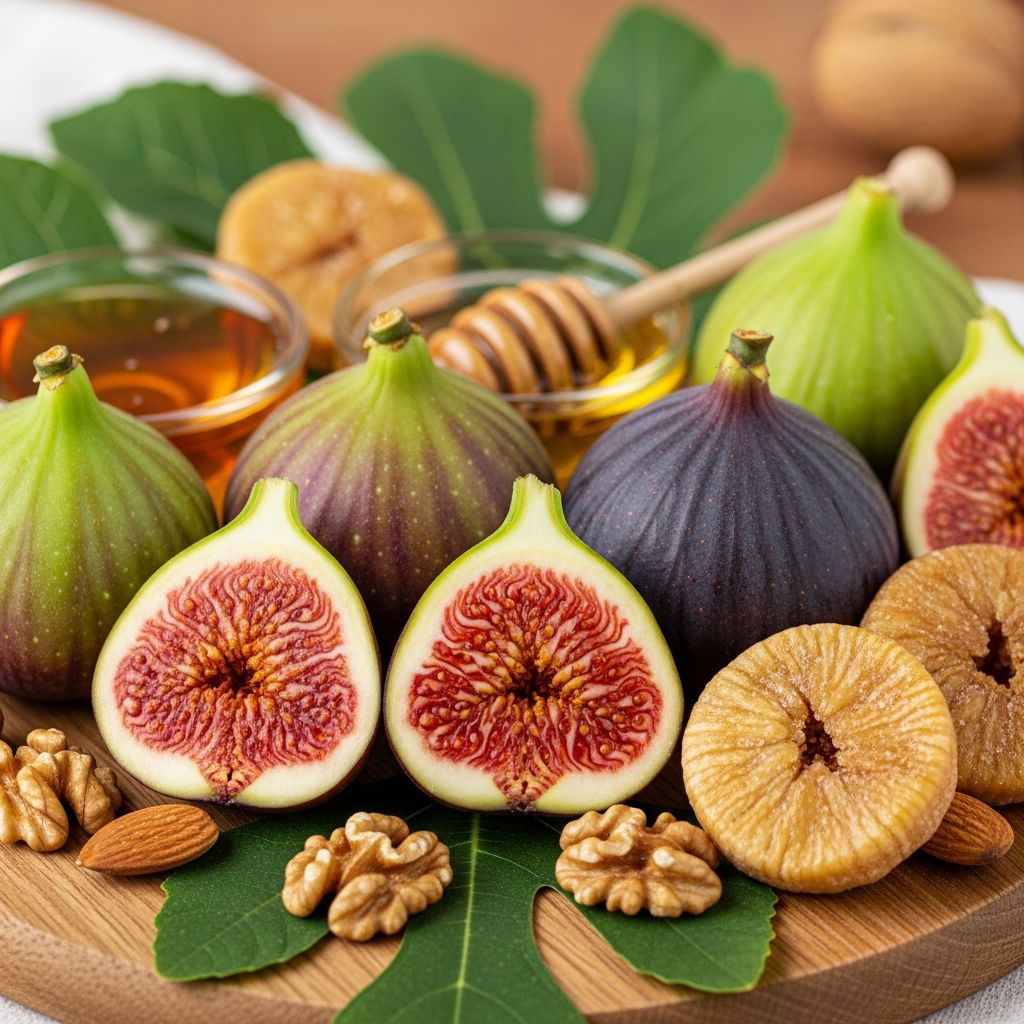
Figs (Ficus carica), both fresh and dried, are nutrient-dense fruits celebrated for their sweet flavor and impressive health profile. Packed with dietary fiber, polyphenols, vitamins, and minerals like potassium, calcium, and magnesium, figs support multiple aspects of wellness. Research highlights their role in digestion, heart health, bone density, and more, making them a versatile addition to any diet.
What Are Figs?
Figs are the edible fruits of the fig tree, native to the Mediterranean and Middle East, now grown worldwide. They come in fresh (soft, juicy) or dried forms (chewy, concentrated nutrients). Unlike typical fruits, figs are inverted flowers with tiny seeds contributing to their texture. Nutritionally, a 30g serving of dried figs delivers about 70 calories, 2g fiber, and key micronutrients, while two medium fresh figs (40g) provide 50 calories and 3g fiber.
Figs Nutrition Facts
Figs stand out for their fiber content and mineral richness. A medium fresh fig (50g) contains roughly 47 calories, 1.2g fiber, 0.3g protein, and negligible fat. Dried figs are more concentrated: 100g offers 250 calories, 10g fiber, 680mg potassium (15% DV), 162mg calcium (16% DV), and magnesium.
| Nutrient (per 100g dried figs) | Amount | % Daily Value |
|---|---|---|
| Calories | 250 | 13% |
| Dietary Fiber | 10g | 36% |
| Potassium | 680mg | 15% |
| Calcium | 162mg | 16% |
| Magnesium | 68mg | 17% |
| Iron | 2mg | 11% |
Source data adapted from USDA via reliable nutrition databases. Figs are naturally fat- and cholesterol-free, with vitamins A, C, K, and prebiotic fiber.
1. Promote Digestive Health
Figs excel in supporting digestion due to their high soluble and insoluble fiber. A 45g serving of dried figs twice daily reduced constipation symptoms in IBS-C patients compared to controls, improving stool consistency and frequency. Fiber acts as a natural laxative, while prebiotics feed beneficial gut bacteria, fostering a healthy microbiome that lowers inflammation and boosts immunity. Traditional remedies use figs for constipation; modern studies confirm fiber’s role in preventing diarrhea and promoting regularity.
- Prebiotic fiber nourishes gut flora.
- Soluble fiber absorbs water, easing bowel movements.
- One serving provides 20% daily fiber needs.
2. Rich in Antioxidants
Ripe figs brim with polyphenols, flavonoids, and carotenoids—potent antioxidants combating oxidative stress. These compounds neutralize free radicals, protecting cells from damage linked to aging, cancer, and chronic diseases. Dried figs retain high polyphenol levels, with studies showing superior antioxidant capacity versus some fruits. Carotenoids in purple figs offer UV skin protection.
3. Support Healthy Blood Pressure
Potassium in figs (one fig: 270mg, 6% DV) counters sodium’s effects, relaxing blood vessels and reducing hypertension risk. Fiber flushes excess sodium, while magnesium aids vessel function. Regular intake may lower systolic pressure, benefiting heart health.
4. Promote Bone Health
Figs provide calcium (3x more than many fruits), magnesium, phosphorus, and potassium, essential for bone density. Potassium reduces urinary calcium loss from high-salt diets, potentially preventing osteoporosis. Postmenopausal women benefit from figs’ iron and copper for blood and brain health. Studies link fig consumption to higher bone mineral density.
5. Aid Blood Sugar Control
Despite natural sugars, figs’ fiber slows glucose absorption, stabilizing blood sugar. Animal and preliminary human studies show fig extracts improve insulin sensitivity and lower fasting glucose, beneficial for diabetes management. Low glycemic index makes them suitable for balanced diets.
Related Stories



6. Support Heart Health
Fiber binds cholesterol, reducing LDL absorption and raising HDL. Potassium and magnesium regulate heartbeat and blood pressure. Antioxidant polyphenols prevent arterial plaque, lowering cardiovascular disease risk. Figs’ nutrient profile supports overall vascular health.
7. Benefit Skin and Hair
Carotenoids and vitamin A in figs protect skin from UV damage and promote collagen. Fiber prevents deficiencies linked to hair loss. Antioxidants combat environmental stressors, yielding healthier, glowing skin and stronger hair.
8. Boost Diet Quality and Weight Management
High fiber induces satiety, curbing cravings and aiding weight control. Nutrient density improves overall diet quality. Figs satisfy sweet tooths without processed sugars, with studies associating regular intake with better micronutrient profiles.
9. Support Brain Health
Anti-inflammatory fiber and polyphenols reduce chronic inflammation tied to dementia, depression, and Parkinson’s. Gut-brain axis benefits from prebiotics enhance cognitive function. Copper and iron maintain neural health.
Are Figs Good for You?
Yes, figs enhance balanced diets, especially for fiber, calcium (dairy-free friendly), and antioxidants. Moderation is key due to sugars and oxalates.
Figs Downsides and Risks
- High sugar/calories: Dried figs (250 cal/100g) may spike blood sugar; limit to 2-3 daily.
- Oxalates: Risk kidney stones; soak dried figs to reduce.
- Vitamin K: Interferes with blood thinners.
- Allergies: Rare latex-fruit syndrome.
Consult doctors for conditions like diabetes or kidney issues.
How to Eat Figs
- Fresh: Salads, yogurt, cheese platters.
- Dried: Snacks, oatmeal, trail mix.
- Cooked: Jams, baked goods, tagines.
Store fresh figs refrigerated (3-5 days); dried in cool, dry place (months).
Frequently Asked Questions (FAQs)
Are figs good for constipation?
Yes, their fiber and laxative properties relieve constipation effectively.
Do figs lower blood pressure?
Potassium and fiber help manage hypertension.
Are dried figs healthier than fresh?
Dried are nutrient-dense but higher in sugar/calories; both beneficial.
Can figs help with weight loss?
Fiber promotes fullness, aiding management.
Do figs cause gas?
High fiber may initially; increase gradually with water.
References
- Top 5 health benefits of figs — BBC Good Food. 2023. https://www.bbcgoodfood.com/health/nutrition/health-benefits-figs
- Health Benefits of Figs — Saber Healthcare Group. 2023. https://saberhealth.com/news/blog/health-benefits-of-figs
- Health Benefits of Figs — WebMD. 2024-10-22. https://www.webmd.com/diet/health-benefits-figs
- Are Figs Good for You? 4 Health Benefits — Cleveland Clinic. 2023. https://health.clevelandclinic.org/benefits-of-figs
- Health Benefits of Figs [PDF] — Advanced Health. 2023-03. https://advancedhealth.com/wp-content/uploads/2023/03/63-Dec-Figs-handout.pdf
- Brain Healthy Foods: How Dried Figs Are Good for Your Brain — Valley Fig. 2023. https://valleyfig.com/blog/dried-fig-benefits/brain-healthy-foods-figs/
- Phytochemical Composition and Health Benefits of Figs — National Library of Medicine (PMC). 2023-05-24. https://pmc.ncbi.nlm.nih.gov/articles/PMC10255635/
Similar Articles








Read full bio of Sneha Tete