Benefits of Hot Baths: Science-Backed Health Advantages
Discover how warm water immersion improves sleep, reduces stress, and supports heart health.

Benefits of Hot Baths: A Complete Guide to Hydrotherapy
For centuries, cultures around the world have recognized the therapeutic power of water. Today, modern research confirms what many have long believed: hot baths offer substantial health benefits for both body and mind. Whether you’re looking to unwind after a stressful day or seeking natural relief from physical discomfort, immersing yourself in warm water can be a simple yet effective wellness practice. Hydrotherapy, the therapeutic use of water to treat various health conditions, includes hot baths as one of its most accessible and enjoyable forms.
Unlike quick showers, immersion bathing creates a unique physiological response that triggers multiple health benefits. When you soak in warm water, your body experiences increased blood circulation, improved metabolic function, and activation of the parasympathetic nervous system—the branch responsible for relaxation and recovery. Most research on hot baths uses water temperatures between 104°F and 108.5°F (40°C to 45.2°C), though even warmer baths at temperatures between 95°F and 105°F still provide significant health advantages.
Understanding Hydrotherapy and Its Mechanisms
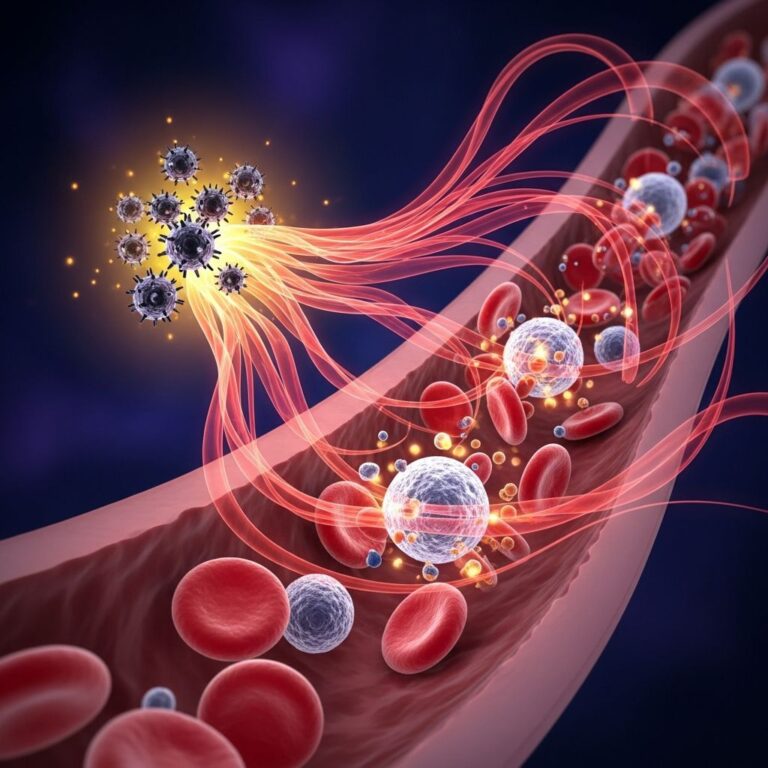
Hydrotherapy encompasses various water-based treatments, including saunas, cold water immersion, and hot baths. The therapeutic mechanism behind hot water immersion is rooted in the body’s physiological response to heat. When exposed to warm water, your body undergoes vasodilation—the widening of blood vessels—which increases blood flow throughout your system.
This enhanced circulation brings several immediate benefits:
- Increased oxygen and nutrient delivery to tissues
- Enhanced elimination of carbon dioxide and metabolic waste materials
- Improved cellular metabolism and recovery
- Systemic muscle relaxation through heat-induced softening of collagen in ligaments and articular capsules
The hydrostatic pressure of water also plays a crucial role. This pressure induces venous flow, increasing cardiac output and further improving overall metabolism. Additionally, research demonstrates that regular immersion bathing strengthens immune function, contributing to better overall health resilience.
Relief from Muscle Soreness and Tension
Hot baths serve as an effective full-body heat therapy treatment for sore and fatigued muscles. The mechanism is straightforward yet powerful: heat increases blood flow to affected muscles, which accelerates the recovery process and promotes relaxation of tight, tense muscle fibers.
For those experiencing general muscle soreness from exercise, physical labor, or tension, a hot bath can provide significant relief. The warm water allows muscles to relax and recover more efficiently than rest alone. Additionally, some research suggests that hot water therapy can serve as a natural alternative to over-the-counter pain relievers for mild to moderate muscle pain.
The benefits extend to post-workout recovery as well. Athletes and active individuals can use hot baths strategically to reduce muscle soreness, though it’s important to note that staying in hot water for more than 15 minutes can paradoxically lead to heat-related swelling that creates stiffness—so moderation is key.
Joint Pain and Arthritis Management
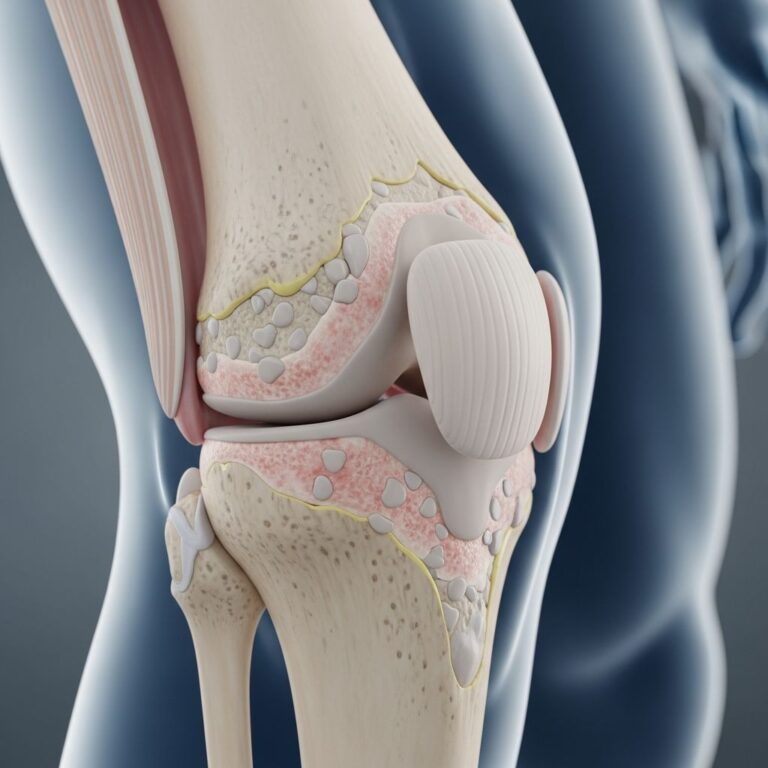
Beyond general muscle soreness, hot baths offer specific benefits for people with joint conditions, particularly rheumatoid arthritis (RA). Research shows that individuals with RA experience improvements in joint pain and stiffness after warm water immersion.
The therapeutic action works through multiple mechanisms:
- Warm water helps loosen inflammatory cells in the synovial fluid—the protective fluid between joints
- This loosening allows joints to move more comfortably with reduced pain
- The buoyancy of water decreases pressure on joints, providing immediate relief
- Heat-induced muscle relaxation reduces tension around affected joints
Related Stories



For people with conditions that lead to restricted range of motion and chronic joint pain, regular warm baths can become an important component of pain management strategies. The combination of heat, buoyancy, and reduced weight-bearing creates an optimal environment for joint recovery and comfort.
Cardiovascular Health and Blood Pressure Reduction
One of the most significant health benefits of hot baths relates to heart health. Research suggests that hot baths may help people temporarily lower their blood pressure, a key factor in maintaining cardiovascular wellness.
Studies have revealed compelling findings:
- Evening hot water baths led to lower blood pressure the following morning
- Regular bath users showed a lower rate of coronary artery disease—the heart condition that can lead to heart attacks
- Soaking in hot water widens blood vessels, which temporarily lowers blood pressure
- Increased heart rate during bathing (rising 40–50%) stimulates metabolism and cardiovascular function
However, it’s important to maintain realistic expectations. The blood pressure reduction from hot baths is temporary, returning to normal levels within minutes of exiting the tub and cooling off. For people with hypertension, hot baths can offer some benefit, but they should never replace healthy lifestyle changes or traditional medical treatments prescribed by healthcare providers.
Mental Health, Stress Relief, and Mood Enhancement
Beyond physical benefits, hot baths offer powerful psychological advantages. Warm baths may reduce tension, anger, anxiety, and depression compared to showers, making them an effective stress-management tool.
The relaxation response triggered by warm water immersion works on multiple levels:
- Calms the nervous system and moves the body out of the fight-or-flight response
- Provides a soothing sensory experience through warm water and steam
- Creates psychological space for mental rest and emotional processing
- Offers a ritualistic self-care practice that reinforces wellness priorities
Research on depression specifically found that participants who took two baths per week felt noticeably less depressed after just four weeks. While hot baths aren’t a cure for clinical depression or serious mental health disorders, they can meaningfully ease tension and contribute to better emotional wellbeing. Studies comparing bathing to showering demonstrate that immersion bathing produces better results for stress reduction and mood improvement.
Sleep Quality and Rest Improvement
The relationship between warm baths and quality sleep is rooted in basic human physiology. Your body temperature naturally drops as you approach bedtime—a critical signal for sleep initiation. Heating up in a hot bath and then cooling off encourages the temperature drop that happens before sleep, supporting natural sleep cycles.
This cooling process triggers a relaxation response that tells your body it’s time for rest, making it easier to drift off into deep sleep. For those struggling with insomnia or restless nights, a warm bath before bedtime can become a powerful sleep hygiene ritual. The combination of physical relaxation, psychological unwinding, and circadian rhythm alignment creates optimal conditions for restorative sleep.
Immune Function and Overall Health Resilience
Regular immersion bathing in hot water strengthens immune function, contributing to improved resistance to illness and disease. This immune-boosting effect appears to result from the systemic improvements in metabolism and circulation that occur during and after bathing.
Additionally, research indicates that people with regular bathing habits demonstrate:
- Sufficient sleep and rest
- Low stress levels
- High subjective happiness
- Better skin conditions
- Improved overall metabolic function
Relief from Cold and Flu Symptoms
While a hot bath won’t cure a cold or flu, it can provide meaningful symptom relief. The warm water offers comfort during aches and chills, while steam from the bath adds moisture to nasal passages and can help relieve congestion. For people recovering from viral illness, the relaxation and improved circulation from bathing support the body’s natural healing processes.
Safe Bathing Practices and Temperature Guidelines
For most people, the ideal bath water temperature is between 95°F and 105°F, slightly higher than average body temperature. This temperature range provides therapeutic benefits while minimizing risks. However, some people should exercise caution or avoid hot baths entirely:
- Pregnant individuals (consult healthcare providers)
- People with very low blood pressure
- Those with open cuts or wounds
- Individuals with certain cardiovascular conditions
It’s always wise to consult with a healthcare professional before establishing a regular hot bath routine, especially if you have existing health conditions.
Daily Hot Baths and Long-Term Wellness
Taking a hot bath daily is a relaxing, stress-relieving ritual that can benefit your health, provided you don’t have conditions requiring you to limit hot baths. The convenience and accessibility of this practice make it an excellent addition to any wellness routine. Unlike expensive treatments or complex interventions, a hot bath is simple, affordable, and immediately available to most people.
The most beneficial time for a hot bath is before bedtime, when the cooling effect afterward supports natural sleep onset. However, any time that fits your schedule can provide relaxation and stress relief.
Hot Tubs vs. Home Baths: Key Differences
While hot tubs offer similar benefits to home baths, they provide additional features worth considering:
| Feature | Home Baths | Hot Tubs |
|---|---|---|
| Temperature Control | Manual adjustment | Precise digital control |
| Massage Therapy | None | Jets provide massage benefits |
| Maintenance | Simple cleaning | Chemical balancing and filtration required |
| Duration Safety | Flexible | Limit to 15 minutes maximum |
| Cost | Low operational cost | Higher maintenance and energy costs |
Hot tub jets provide additional massage therapy benefits, including better circulation, fewer aches and pains, and reduced stress. However, hot tubs require regular chemical balancing and filtration to remain sanitary. Before using any hot tub, verify that it has been properly cleaned and maintained to avoid exposure to bacteria-filled water.
Frequently Asked Questions About Hot Baths
Q: How often should I take hot baths to see health benefits?
A: Research suggests that taking baths two to three times per week provides measurable benefits, though daily baths are safe for most people. Even occasional bathing can provide stress relief and relaxation.
Q: What’s the ideal temperature for a therapeutic hot bath?
A: The optimal range is between 95°F and 105°F (35°C to 40.5°C). While research studies use slightly hotter water (104°F–108.5°F), warmer home baths still provide significant benefits.
Q: How long should I soak to get maximum benefits?
A: Most benefits emerge within 15–20 minutes of soaking. Exceeding 15–20 minutes in very hot water can lead to dehydration and overheating, so moderation is important.
Q: Can hot baths help with anxiety and stress?
A: Yes. Research confirms that warm water immersion reduces anxiety, tension, and anger. However, baths should complement rather than replace professional mental health treatment for serious anxiety disorders.
Q: Are hot baths safe for people with heart conditions?
A: While hot baths can support cardiovascular health by lowering blood pressure, people with certain heart conditions should consult their healthcare provider before establishing a regular bathing routine.
Q: Can a hot bath improve my sleep?
A: Yes. Taking a warm bath before bedtime triggers a natural cooling response that supports sleep onset and quality rest.
References
- 5 Hot Bath Benefits You Should Know About — GoodRx. 2024. https://www.goodrx.com/well-being/alternative-treatments/benefits-of-hot-baths
- Physical and Mental Effects of Bathing: A Randomized Intervention Study — National Center for Biotechnology Information (NCBI/PMC). https://pmc.ncbi.nlm.nih.gov/articles/PMC6011066/
- 5 Hot Tub Benefits — Cleveland Clinic Health Essentials. 2024. https://health.clevelandclinic.org/benefits-of-hot-tubs
Similar Articles








Read full bio of medha deb