Benefits Of Kiwi Skin: 5 Powerful Health Perks
Discover the surprising health benefits of eating kiwi skin, from boosted fiber and antioxidants to enhanced skin health and digestion.
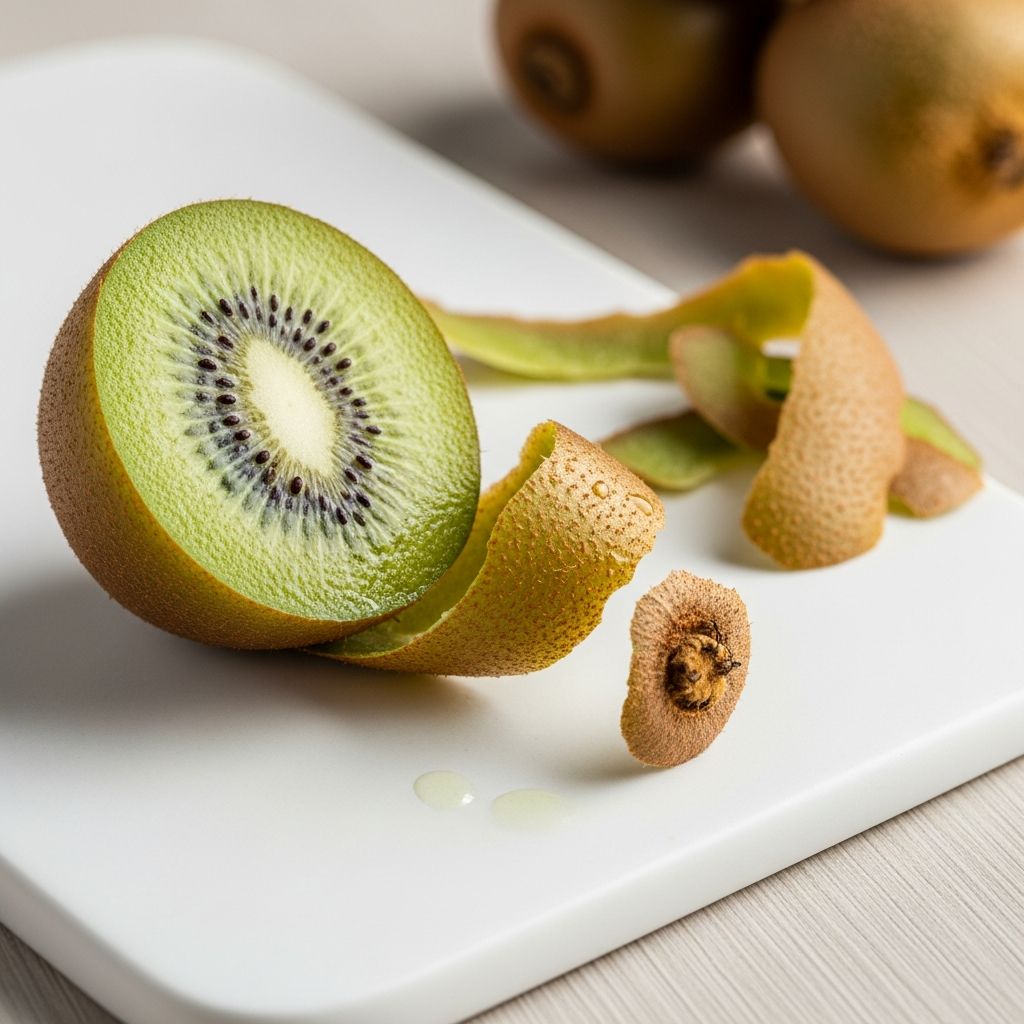
Eating kiwi with the skin on maximizes its nutritional value, delivering a surge of fiber, antioxidants, vitamins, and more. Recent research reveals how this fuzzy exterior boosts skin health, digestion, immunity, and overall wellness, making it a simple dietary upgrade for better health.
Is Kiwi Skin Edible?
Yes, kiwi skin is completely edible and safe for most people. The fuzzy texture of green kiwis or smoother gold varieties may deter some, but ripe kiwis minimize any mouth irritation from natural compounds like oxalates and raphides. Washing the fruit thoroughly removes pesticides, and gently rubbing or peeling with a spoon can make it more palatable if desired. Varieties like baby kiwis or SunGold have thinner, sweeter skins ideal for eating whole.
Nutritionally, skipping the peel means missing out: one skin-on green kiwi provides 3.5 grams of fiber versus 2.3 grams without, a 50% increase. Gold kiwis offer about 3 grams with skin. This simple habit amplifies kiwi’s already impressive profile of vitamin C, E, folate, and potassium.
Nutritional Breakdown of Kiwi Skin
Kiwi skin concentrates key nutrients, making whole-fruit consumption far superior. Here’s a comparison:
| Nutrient | Per Kiwi Flesh Only | Per Whole Kiwi (Skin On) | Increase |
|---|---|---|---|
| Fiber | 2.3g (green) | 3.5g (green) | 50% |
| Folate | Base | +32-34% | 34% |
| Vitamin E | Base | +34% | 34% |
| Antioxidants | Base | 3x higher | 300% |
| Vitamin C | High | Even higher in skin | Significant |
Data adapted from Cleveland Clinic and Healthline analyses. Fiber supports gut health by feeding beneficial bacteria, reducing risks of heart disease, diabetes, and cancer. Folate aids energy production, nervous system function, and prevents birth defects—crucial for pregnant individuals. Vitamin E protects cells as a fat-soluble antioxidant.
5 Key Benefits of Eating Kiwi Skin
1. Boosts Fiber for Better Digestion
The standout perk of kiwi skin is its fiber content, which skyrockets by 50% when eaten whole. This insoluble and soluble fiber blend promotes regular bowel movements, reduces bloating, and supports microbiome health. Studies link high-fiber diets to lower cholesterol, stable blood sugar, and decreased colon cancer risk.
Kiwi’s unique enzyme actinidin further aids protein digestion, easing meals heavy in meat or dairy. Eating two whole kiwis daily can transform digestive regularity without added supplements.
2. Packed With Antioxidants
Kiwi skin harbors three times more antioxidants than the flesh, primarily vitamins C and E. Vitamin C, water-soluble, combats oxidative stress in blood and cells, while E targets cell membranes. These duo shield against free radicals linked to aging, inflammation, and chronic diseases.
A University of Otago study found skin vitamin C levels tightly correlate with plasma levels, penetrating all skin layers for superior protection.
3. Enhances Skin Health
Consuming vitamin C-rich kiwi skin internally transforms skin from within. A groundbreaking University of Otago trial showed participants eating two kiwis daily for eight weeks experienced:
- Nearly 50% increase in skin density
- 30% boost in skin cell renewal
- Substantial rise in skin vitamin C levels
These changes fuel collagen production, improving elasticity and resilience—effects topical products can’t match, as vitamin C doesn’t penetrate outer barriers well. Lead researcher Margreet Vissers noted the skin’s remarkable absorption efficiency, surpassing other organs.
Related Stories



Antioxidants in the skin also fight UV damage and wrinkles, promoting a youthful glow.
4. Supports Heart Health
Whole kiwi intake lowers blood pressure and improves cholesterol. Studies show three kiwis daily drop systolic pressure by 10 points in eight weeks. Two kiwis boost HDL (good) cholesterol, reduce LDL oxidation, and elevate blood antioxidants—key for cardiovascular protection.
Potassium in skins aids blood pressure regulation, while fiber binds excess cholesterol.
5. Improves Immunity and Iron Absorption
Kiwi’s vitamin C enhances non-heme iron uptake from plant foods by up to 300%, combating anemia. It bolsters immune function, reducing cold duration and severity. Folate supports cell division for robust immunity.
EU-approved claims confirm vitamin C in kiwifruit maintains immune function during/after exercise, protects cells from oxidative stress, and reduces fatigue.
Who Should Avoid Kiwi Skin?
Not everyone benefits equally. Those with:
- Oxalate sensitivity or kidney stones: Skins are high in oxalates, potentially worsening stones.
- Allergies: Rare kiwi allergy causes oral itching; actinidin is the culprit.
- Mouth irritation: Underripe kiwis’ raphides cause tingling—choose ripe fruit.
Peel if issues arise, but most tolerate well. Consult a doctor for kidney concerns.
How to Eat Kiwi Skin: Practical Tips
Incorporate easily:
- Wash and rub: Rinse under water, rub fuzz gently or use a brush.
- Smooth varieties: Opt for gold or baby kiwis for less fuzz.
- Recipes: Blend into smoothies, chop in salads, top yogurt, or eat sliced with nut butter.
- Ripeness test: Slightly soft yields best flavor/texture.
- Storage: Refrigerate whole kiwis up to two weeks; freeze peeled for longer.
Start with one daily, building to two for study-backed benefits.
Frequently Asked Questions (FAQs)
Is it safe to eat kiwi skin every day?
Yes, for most people. It boosts nutrients safely, but those prone to kidney stones should limit due to oxalates or peel the fruit.
Does kiwi skin really improve skin health?
Absolutely. A 2023 University of Otago study showed two daily kiwis raised skin vitamin C, density by 50%, and cell renewal by 30% via collagen support.
How much fiber does kiwi skin add?
About 50% more: 3.5g total in green kiwi vs. 2.3g flesh-only.
Can children eat kiwi skin?
Yes, if no allergies. Start small to check tolerance; fiber aids kids’ digestion.
Is organic kiwi skin pesticide-free?
Wash all produce. Organic reduces residues, but rinsing is essential.
Bottom Line
Kiwi skin elevates this superfruit from good to exceptional, amplifying fiber, antioxidants, and vitamins for digestion, skin vitality, heart health, and immunity. Backed by science, eating whole kiwis is an effortless way to nourish body and skin. Next grocery run, skip the peeler—embrace the fuzz for fuller benefits.
References
- Eating a common Vitamin-C packed fruit might transform skin, study finds — Fox News. 2023-11-15. https://www.foxnews.com/food-drink/eating-common-vitamin-c-packed-fruit-might-transform-skin-study-finds
- Surprise! Kiwi Skin Is Edible — and Really Good for You — Cleveland Clinic. 2023-08-20. https://health.clevelandclinic.org/can-you-eat-kiwi-skin
- Can You Eat Kiwi Skin? — Healthline. 2018-04-11 (Updated 2023). https://www.healthline.com/nutrition/eating-kiwi-skin
- The nutritional and health attributes of kiwifruit: a review — PMC / NIH. 2018-11-02. https://pmc.ncbi.nlm.nih.gov/articles/PMC6267416/
Similar Articles








Read full bio of medha deb