9 Benefits Of Lettuce: Nutrition, Hydration, Bone Health
From hydration and bone health to eye protection and heart benefits, discover why lettuce deserves a starring role in your diet.
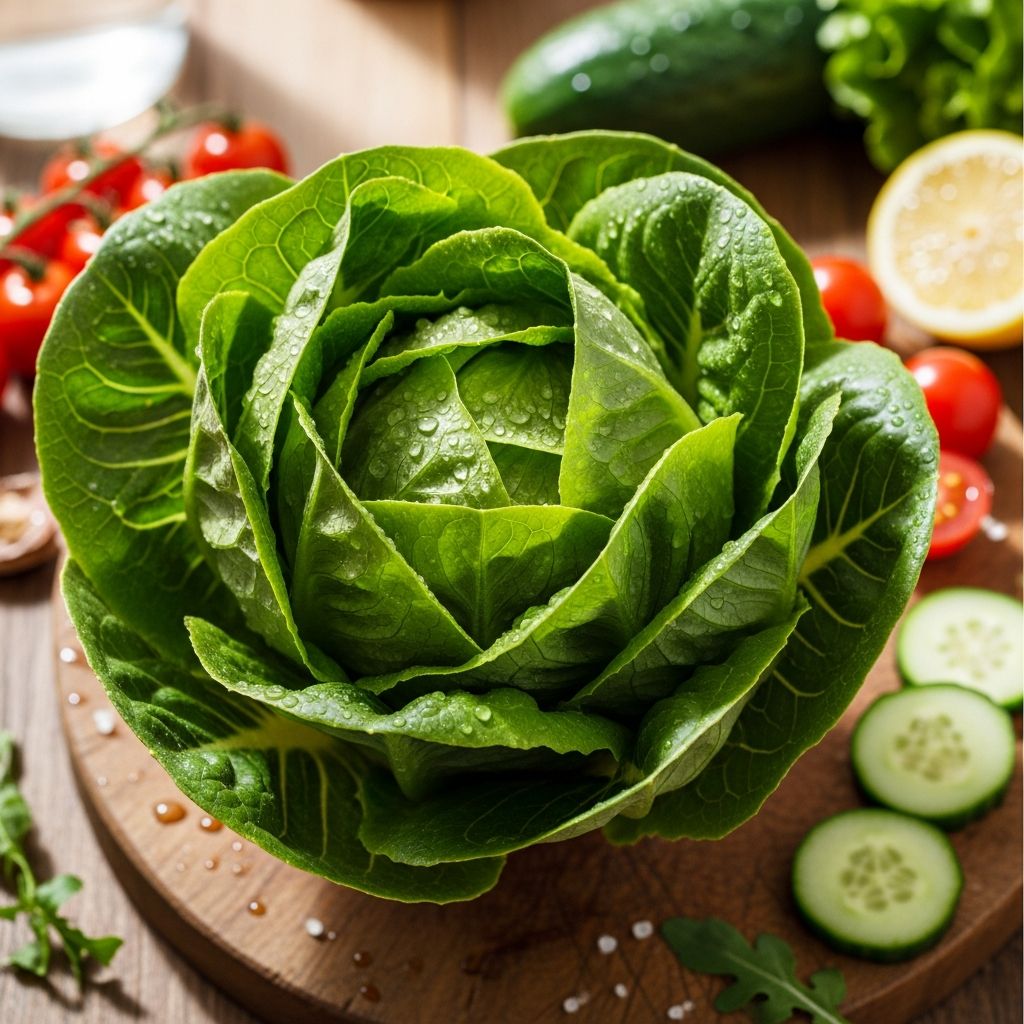
Lettuce, a staple in salads and sandwiches, is more than just a low-calorie filler. This leafy green is packed with vitamins, minerals, antioxidants, and over 95% water content, offering numerous health benefits from bone strength to heart protection. Darker varieties like romaine and red leaf provide the most nutrients, making them superior choices over iceberg lettuce.
What Is Lettuce?
Lettuce (Lactuca sativa) is a cool-season leafy vegetable from the Asteraceae family, cultivated worldwide. It comes in varieties like crisphead (iceberg), romaine, butterhead, and loose-leaf, each with unique textures and nutrient profiles. Lettuce has been consumed for thousands of years, valued for its crispness and mild flavor. Nutritionally, it’s low in calories (about 4-15 per cup) and rich in water (94-95%), making it ideal for hydration and weight management. Deeper-colored lettuces contain higher levels of vitamins A, C, K, folate, potassium, and bioactive compounds like polyphenols and carotenoids.
Lettuce Nutrition Facts
One cup of chopped romaine lettuce (47g) provides approximately:
- Calories: 8
- Protein: 0.6g
- Carbs: 1.5g
- Fiber: 1g
- Vitamin A: 82% DV
- Vitamin K: 110% DV
- Vitamin C: 3% DV
- Folate: 16% DV
- Potassium: 4% DV
Red leaf lettuce offers similar profiles with added anthocyanins for extra antioxidants. Butterhead provides 36% DV vitamin A. These nutrients support immunity, vision, and bone health.
Top 9 Health Benefits of Lettuce
1. Excellent Source of Vitamin K for Bone Health
Lettuce is rich in vitamin K, essential for bone mineralization and reducing fracture risk. One cup of romaine delivers over 100% of the daily value, helping activate proteins that bind calcium to bones. Studies link adequate vitamin K intake to stronger bones and lower osteoporosis risk, especially in older adults.
2. Provides Antioxidants
Darker lettuces like red and romaine are loaded with antioxidants including beta-carotene, lutein, zeaxanthin, and polyphenols. These combat free radicals, reducing oxidative stress linked to chronic diseases like cancer and heart disease. Red lettuce has higher phenolic levels than green varieties, enhancing its protective effects.
3. Supports Healthy Vision
Vitamin A from beta-carotene in lettuce protects eyes from age-related macular degeneration and cataracts. Lutein and zeaxanthin filter harmful blue light, maintaining retinal health. Romaine’s high vitamin A content (82% DV per cup) makes it particularly beneficial for vision.
4. Promotes Hydration
With 95% water content, lettuce significantly contributes to daily fluid intake. Eating water-rich foods like lettuce hydrates cells more effectively than drinks alone, aiding digestion, skin health, and temperature regulation. It’s a refreshing, low-calorie way to stay hydrated.
5. May Aid Weight Loss
Low-calorie and high-volume, lettuce increases satiety without adding many calories. Studies show starting meals with a salad reduces overall calorie intake by 11-20% and boosts vegetable consumption. Its fiber and water content curb hunger, supporting weight management.
6. Supports Heart Health
Potassium in romaine helps regulate blood pressure and prevents plaque buildup in arteries. Folate lowers homocysteine levels, reducing heart disease risk. Antioxidants like vitamins C and E protect against LDL oxidation, while fiber binds cholesterol for excretion. Lettuce’s nutrients promote endothelial function and anti-inflammatory effects.
7. Helps Maintain Strong Bones
Beyond vitamin K, lettuce provides calcium, magnesium, and vitamin C for bone density. These work synergistically to support collagen formation and mineral absorption, lowering fracture risk.
Related Stories



8. May Improve Sleep
Lettuce extracts, particularly from wild varieties, contain lactucin and lactucopicrin, mild sedatives promoting sleep. Animal studies show lettuce leaf tea reduces sleep latency. While human research is limited, incorporating lettuce may aid relaxation.
9. Packed With Folate
Folate in lettuce supports DNA synthesis, red blood cell formation, and prevents neural tube defects in pregnancy. It also aids cognitive function; daily leafy greens intake equates to 11 years less cognitive decline in aging studies.
Types of Lettuce
- Romaine: Crisp, upright leaves; highest in vitamin A and K.
- Butterhead (Boston/Bibb): Soft, buttery texture; good vitamin A source.
- Leaf Lettuce (Red/Green): Loose leaves; red varieties richer in antioxidants.
- Iceberg: Crunchy, mild; lowest nutrients but hydrating.
- Other: Radicchio (bitter, colorful), endive, escarole.
Choose darker leaves for maximum nutrition.
Potential Downsides of Lettuce
Lettuce is safe for most, but risks include E. coli contamination from farm runoff, leading to recalls especially for romaine. Wash thoroughly and buy pre-washed or from trusted sources. Those on blood thinners should monitor vitamin K intake for consistency. Rare allergies exist, and overconsumption may cause digestive upset due to fiber.
How to Select and Store Lettuce
Choose crisp, vibrant leaves without wilting or slime. Store in breathable bags in the crisper drawer for 7-10 days. Wash before use under running water. For longevity, wrap in damp paper towels.
Healthy Lettuce Recipes
Simple Side Salad
Mix romaine, cucumbers, tomatoes, olive oil, and lemon. High-volume, low-calorie starter.
Lettuce Wraps
Use butter lettuce leaves to wrap lean protein, veggies, and herbs for a crunchy, gluten-free meal.
Green Smoothie
Blend spinach, romaine, banana, apple, and yogurt for nutrient boost.
Frequently Asked Questions (FAQs)
Is iceberg lettuce healthy?
Iceberg is mostly water with fewer nutrients than darker varieties but still hydrates and adds volume to meals.
Can you eat lettuce every day?
Yes, in moderation as part of a varied diet. Aim for 1-2 cups daily for benefits without excess fiber issues.
Does lettuce have oxalates?
Low levels compared to spinach; safe for most, including kidney stone prone individuals.
Is lettuce good for skin?
Yes, hydration and vitamin A support skin elasticity and repair.
How much lettuce per day?
2 cups provides significant vitamins without calories; pair with proteins and fats for absorption.
References
- Health Benefits of Lettuce — WebMD. 2023. https://www.webmd.com/diet/health-benefits-lettuce
- Phytochemicals, Nutrition, Metabolism, Bioavailability, and Health Benefits of Lettuce (Lactuca sativa L.) — PMC/NCBI. 2022-06-15. https://pmc.ncbi.nlm.nih.gov/articles/PMC9219965/
- Is Lettuce Good for You? — Cleveland Clinic. 2023-05-04. https://health.clevelandclinic.org/benefits-of-lettuce
- Romaine Lettuce Nutrition and Health Benefits — Medical News Today. 2023. https://www.medicalnewstoday.com/articles/319725
- Lettuce: Leafy, Healthy, and Delicious! — Food and Health Communications. 2022. https://www.foodandhealth.com/blog/lettuce-healthy-delicious
Similar Articles








Read full bio of Sneha Tete