The Benefits of Probiotics for Health and Wellness
Discover how probiotics support digestive health, immunity, and overall wellness naturally.

Understanding Probiotics: The Basics
Probiotics are live microorganisms, primarily bacteria and some yeasts, that confer health benefits when consumed in adequate amounts. These beneficial microbes naturally inhabit the human digestive tract and play a crucial role in maintaining digestive health and immune function. The term “probiotic” comes from Latin and Greek roots meaning “for life,” reflecting the positive health contributions these organisms provide.
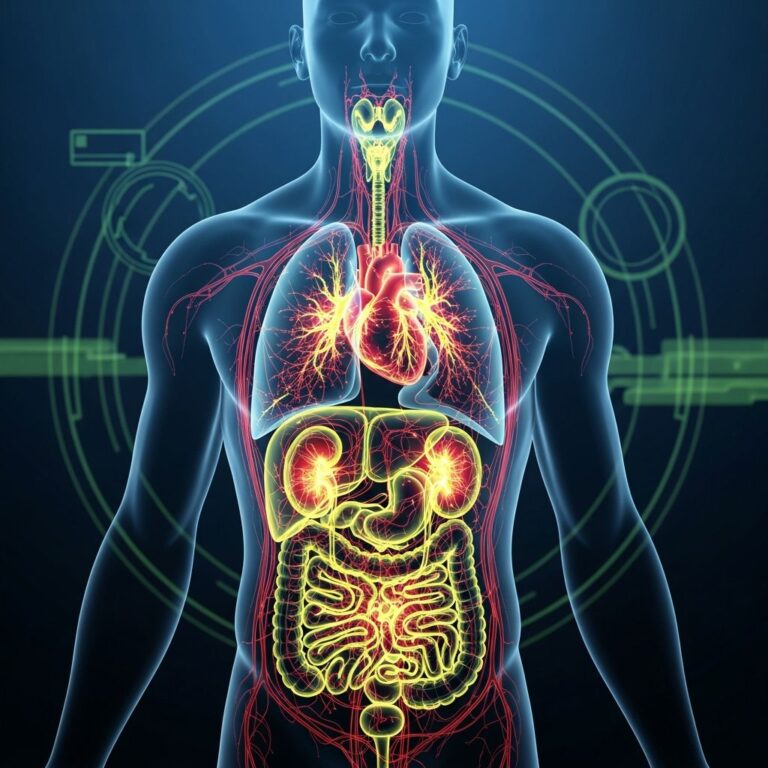
Your gut contains trillions of microorganisms that form what scientists call the microbiome. This complex ecosystem includes both beneficial and potentially harmful bacteria. When this bacterial balance is disrupted—a condition known as dysbiosis—health problems can arise. Probiotics work by restoring and maintaining the appropriate balance of beneficial bacteria in your digestive system.
How Probiotics Work in Your Body
Probiotics function through several mechanisms to support health:
- Competitive inhibition: Beneficial bacteria compete with harmful pathogens for nutrients and attachment sites in the intestinal lining, preventing disease-causing organisms from establishing themselves.
- Production of beneficial compounds: Probiotics produce short-chain fatty acids and other substances that nourish the intestinal lining and maintain its integrity.
- Immune modulation: These microorganisms interact with immune cells in the gut, helping to regulate immune responses and reduce harmful inflammation.
- Barrier function: Probiotics strengthen the intestinal barrier, preventing harmful substances and bacteria from crossing into the bloodstream.
- Production of antimicrobial substances: Certain probiotic strains produce bacteriocins and other compounds that directly inhibit pathogenic bacteria.
Key Health Benefits of Probiotics
Digestive Health and Function
One of the most established benefits of probiotics is their positive impact on digestive health. Probiotics can help alleviate common digestive complaints including bloating, gas, constipation, and diarrhea. Individuals with irritable bowel syndrome (IBS) have reported improvements in symptoms when consuming probiotic-rich foods or supplements. The beneficial bacteria help regulate bowel movements and improve the overall efficiency of the digestive system.
Immune System Support
Approximately 70 percent of your immune system resides in your gut, making the health of your microbiome directly connected to immune function. Probiotics support immune health by promoting the production of antibodies and strengthening the gut barrier. A healthy microbiome helps train your immune system to distinguish between harmful pathogens and beneficial microorganisms, reducing unnecessary inflammatory responses.
Nutrient Absorption
Probiotics enhance your body’s ability to absorb essential nutrients from the foods you consume. They produce enzymes that break down complex carbohydrates and proteins, making nutrients more bioavailable. This improved absorption can lead to better overall nutrition status and increased energy levels.
Mental Health Connection
Emerging research suggests a significant connection between gut health and mental wellness through what scientists call the gut-brain axis. The microbiome produces neurotransmitters including serotonin and gamma-aminobutyric acid (GABA) that influence mood and anxiety levels. Some studies indicate that probiotic consumption may support mental health outcomes, though more research is needed in this area.
Related Stories



Reduction of Harmful Bacteria
Probiotics actively work to reduce populations of pathogenic bacteria that can cause illness and infection. By maintaining a healthy bacterial balance, probiotics help prevent foodborne illnesses and reduce your susceptibility to common infections.
Common Probiotic Strains and Their Benefits
| Probiotic Strain | Primary Benefits | Common Food Sources |
|---|---|---|
| Lactobacillus acidophilus | Digestive health, lactose digestion, immune support | Yogurt, kefir, fermented vegetables |
| Bifidobacterium longum | Intestinal regularity, immune function | Yogurt, fermented foods, tempeh |
| Lactobacillus rhamnosus | Diarrhea prevention, immune health | Yogurt, some fermented dairy products |
| Saccharomyces boulardii | Traveler’s diarrhea, antibiotic-related diarrhea | Fermented beverages, supplements |
| Lactobacillus plantarum | Digestive comfort, anti-inflammatory effects | Sauerkraut, kimchi, fermented vegetables |
Natural Food Sources of Probiotics
Rather than relying solely on supplements, you can obtain beneficial probiotics from fermented and cultured foods that are naturally rich in these microorganisms.
Fermented Dairy Products
Yogurt remains one of the most accessible probiotic sources. Look for varieties labeled “live and active cultures” to ensure adequate probiotic content. Kefir, a fermented milk beverage, contains even more diverse probiotic strains than yogurt. Cottage cheese and certain cheese varieties also contain beneficial bacteria, particularly aged cheeses.
Fermented Vegetables
Sauerkraut and kimchi are nutrient-dense fermented vegetable options that deliver probiotics along with vitamins and minerals. Pickled vegetables that are fermented rather than vinegar-based also provide probiotic benefits. Miso paste, made from fermented soybeans, adds umami flavor while contributing beneficial bacteria to soups and dressings.
Other Fermented Foods
Tempeh, a fermented soy product, provides probiotics along with complete protein. Kombucha, a fermented tea beverage, has gained popularity as a probiotic drink, though quality varies by brand. Soy sauce and other fermented condiments also contain beneficial microorganisms.
Probiotic Supplements vs. Food Sources
While fermented foods offer probiotics naturally, supplements provide concentrated doses of specific strains. Probiotic supplements come in various forms including capsules, powders, and liquids. The advantages of supplements include precise strain identification, shelf stability, and convenience. However, food sources provide probiotics alongside other beneficial nutrients and fiber.
When considering supplements, look for products with multiple strains, clear expiration dates, and proper storage conditions. Colony-forming units (CFUs) indicate the number of live bacteria, typically ranging from 1 billion to 100 billion per dose. The optimal dosage varies by individual and health condition.
Who May Benefit Most from Probiotics
Certain populations may experience particular benefits from increased probiotic consumption:
- Individuals with IBS: Probiotics may help reduce symptoms and improve quality of life.
- Those taking antibiotics: Antibiotics kill both harmful and beneficial bacteria, making probiotic restoration valuable.
- People with food sensitivities: Probiotics may help improve intestinal barrier function and reduce adverse reactions.
- Travelers: Specific strains help prevent traveler’s diarrhea and support digestive stability in new environments.
- Individuals with compromised immunity: Probiotics support immune function through multiple mechanisms.
- Older adults: Probiotic diversity naturally decreases with age, making supplementation increasingly beneficial.
Prebiotics and Probiotics: A Synergistic Relationship
Prebiotics are non-digestible food components that selectively nourish beneficial bacteria already present in your gut. While probiotics introduce new beneficial organisms, prebiotics feed the existing beneficial population, creating a synergistic effect called “synbiotics.” Common prebiotic foods include garlic, onions, asparagus, bananas, and whole grains. By consuming both probiotics and prebiotics, you create an optimal environment for microbiome health.
Potential Considerations and Precautions
While generally safe for most people, probiotics warrant consideration in certain situations. Individuals with severely compromised immune systems should consult healthcare providers before starting probiotic supplementation. Some people may experience temporary digestive adjustments when first introducing probiotics, including mild bloating or gas. Starting with smaller amounts and gradually increasing intake can minimize these effects.
The quality and efficacy of probiotic products vary significantly. Not all supplements contain the strains or CFU counts listed on labels, making it important to choose reputable brands. Heat, moisture, and time can reduce probiotic viability, so proper storage and attention to expiration dates is essential.
The Science Behind Probiotic Research
Scientific interest in probiotics continues to grow, with numerous studies exploring their mechanisms and benefits. Research has demonstrated probiotic effectiveness for specific conditions including infectious diarrhea and antibiotic-associated diarrhea. However, many claims regarding probiotics require further investigation through large, long-term clinical trials. The microbiome’s complexity means that individual responses to specific strains vary considerably, and what benefits one person may not benefit another.
Practical Tips for Incorporating Probiotics
- Start with food sources: Introduce fermented foods gradually to allow your digestive system to adjust.
- Choose varied sources: Different fermented foods contain different strains, providing greater microbial diversity.
- Check labels: Ensure products contain live and active cultures for maximum benefit.
- Maintain consistency: Regular consumption of probiotic-rich foods supports ongoing microbiome health.
- Store properly: Keep fermented foods and supplements in cool, dry places to maintain viability.
- Combine with fiber: Feed your beneficial bacteria by consuming adequate dietary fiber from fruits, vegetables, and whole grains.
Frequently Asked Questions About Probiotics
Q: How long does it take to experience probiotic benefits?
A: Some people notice digestive improvements within days or weeks, while other benefits may take several weeks to months to manifest. Consistency is key, as probiotic benefits depend on regular consumption.
Q: Can I get enough probiotics from food alone?
A: For many people, regularly consuming fermented foods provides sufficient probiotics. However, individuals with specific health conditions may benefit from the concentrated doses offered by supplements.
Q: Are probiotics safe for children?
A: Yes, probiotics are generally safe for children and may support their developing immune systems. Fermented foods offer age-appropriate probiotic sources, though supplements designed for children are also available.
Q: Do all yogurts contain probiotics?
A: Not all yogurts contain viable probiotics. Look for labels stating “live and active cultures” or “contains live probiotics” to ensure probiotic content. Heat-treated yogurts contain no viable organisms.
Q: Can probiotics help with weight management?
A: Emerging research suggests a connection between microbiome composition and weight management, but probiotics are not a weight loss solution on their own. They support overall health when combined with healthy eating and exercise habits.
References
- Gut Microbiota and Health — World Health Organization. 2024-06-15. https://www.who.int/news-room/fact-sheets/detail/probiotics-and-health
- The Role of Probiotics in Health and Disease — National Institutes of Health, National Center for Complementary and Integrative Health. 2024. https://www.nccih.nih.gov/health/probiotics
- Probiotics: In Depth — U.S. Department of Health and Human Services. 2024-03-20. https://www.nccih.nih.gov/health/probiotics-in-depth
- Health Benefits of Fermented Foods: A Systematic Review of Human Clinical Trials — Journal of the American Medical Association, Specialty Section on Nutrition. 2024. https://pubmed.ncbi.nlm.nih.gov/
- The Gut Microbiota and the Brain-Gut-Enteric Nervous System — Nature Reviews Gastroenterology & Hepatology. 2023-11-10. https://www.nature.com/articles/s41575-023
Similar Articles








Read full bio of medha deb