Health Benefits of Raisins: A Nutritional Powerhouse
Discover the surprising health benefits of raisins and why they're more than just a sweet snack.
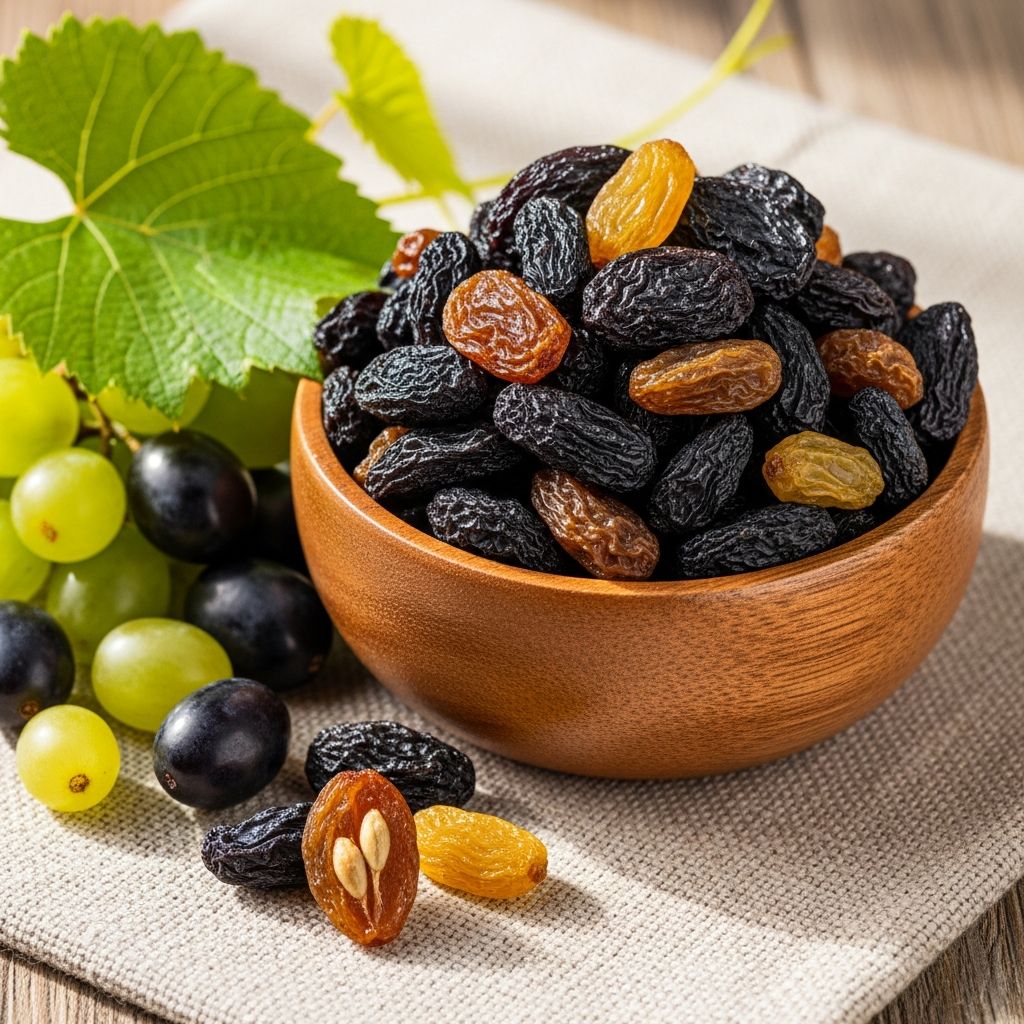
Raisins are often overlooked as a simple snack, yet these small dried fruits pack a remarkable nutritional punch. Whether you enjoy them straight from the box, mixed into cereals, or baked into pastries, raisins offer numerous health benefits that make them a worthwhile addition to any diet. Despite being naturally sweet and calorie-dense, raisins deliver fiber, antioxidants, and essential minerals that support various aspects of your health when consumed in moderation.
What Are Raisins and Their Nutritional Profile
Raisins are dried grapes that have undergone a natural dehydration process, concentrating their nutrients and sugars. A half-cup serving of raisins provides substantial amounts of dietary fiber, iron, calcium, and other vital nutrients. The concentration of these compounds during the drying process makes raisins an efficient way to obtain multiple nutrients in a small serving. Understanding the nutritional composition of raisins helps explain why they offer so many health benefits.
Powerful Antioxidants for Cellular Health
One of the most significant benefits of raisins is their exceptional antioxidant capacity. Raisins contain naturally occurring chemicals called phytonutrients, including phenols and polyphenols, which function as antioxidants in your body. These compounds help remove free radicals from your blood and may prevent damage to your cells and DNA, potentially protecting against diseases like cancer, heart disease, and stroke.
Scientific studies have demonstrated that raisins possess both strong in vitro and in vivo antioxidant properties. The antibacterial and antioxidant activity of raisins comes primarily from their phenolic compounds. Specific polyphenols found in raisins, such as catechin, procyanidins, and quercetin, have been linked with antioxidant and antimicrobial activities. Research shows a positive correlation between the antioxidant capacity and total phenol content in raisins, meaning that the more phenols present, the greater the antioxidant benefits.
Long-term consumption of raisins appears to enhance these benefits. Studies show that consuming raisins regularly over several weeks increases serum antioxidant capacity, with benefits becoming apparent by the second and third week of continuous consumption.
Cardiovascular Health and Cholesterol Management
Raisins may play an important role in supporting heart health. Research has shown that incorporating raisins into your diet offers markedly beneficial effects on cardiovascular risk factors. In clinical studies, participants who consumed 160 grams of raisins daily showed decreased levels of total and LDL cholesterol.
The cholesterol-lowering effects of raisins occur through multiple mechanisms. The decrease in LDL cholesterol is suggested to result from the up-regulation of the LDL receptor, combined with the higher intake of fiber and the polyphenol interference with cholesterol absorption. This multifaceted approach to cholesterol management makes raisins a valuable dietary component for those concerned about heart health.
Blood Pressure Regulation
Elevated blood pressure is a significant risk factor for hypertension and cardiovascular disease. Studies indicate that blood pressure can be reduced after consuming 84 grams of raisins per day. The mechanism behind this benefit involves several of raisins’ nutritional components.
The increased intake of dietary fiber and potassium contained in raisins may contribute to lowering blood pressure. Additionally, polyphenols present in raisins play a role in promoting nitric oxide release, which helps reduce blood pressure. Research has even identified specific compounds: quercetin, found in Corinthian raisins, was shown to play a key role in blood pressure regulation by activating calcium potassium channels in coronary arteries, resulting in relaxation of the blood vessels.
Related Stories



Patients who consumed raisins showed significantly reduced diastolic blood pressure and higher total antioxidant potential compared to their baseline measurements.
Fiber Content and Digestive Health
Digestive health is foundational to overall wellness, and raisins offer substantial fiber content to support this crucial system. A half-cup serving of raisins contains 3.3 grams of fiber, representing roughly 10 to 24 percent of your daily needs depending on your age and gender.
Fiber helps aid digestion by softening and increasing the weight and size of your stool. Bulkier stools are easier to pass and can help prevent constipation. Beyond simple bulk, raisins also contain sorbitol, a natural compound that can help soften stool and promote regular bowel movements.
Some people use raisins as a remedy for constipation, though research has produced mixed results. While some trials found that raisins increased how quickly stools passed through the digestive system, other studies did not show this effect. Nevertheless, raisins remain a fruit-based option that may help some individuals with constipation as part of a balanced, nutritious diet.
Intestinal and Colon Health
Beyond general digestive support, raisins appear to influence specific aspects of colon health. Research examining the effect of raisin consumption on intestinal transit time, fecal weight, and fecal bile acids found that as raisin intake increased, so did fecal weight, while transit time decreased. More importantly, fecal bile acids—a possible indicator of colon cancer risk—decreased when two servings of raisins were consumed per day.
This suggests that consuming two servings of raisins daily (approximately 84 grams) may induce beneficial changes in colon function and potentially reduce certain markers associated with colon cancer risk.
Iron for Energy and Oxygen Transport
Iron deficiency affects millions of people worldwide and can lead to anemia, fatigue, and reduced oxygen transport throughout your body. Raisins are a good source of iron, making them a convenient dietary option for iron intake. A half-cup serving of raisins contains 1.3 milligrams of iron, representing about 7 percent of the recommended daily amount for most adult females and 16 percent for adult men.
Iron is crucial for making red blood cells and helping them carry oxygen to the cells of your body. Consuming enough iron prevents iron-deficiency anemia and supports energy levels and overall vitality. For vegetarians and vegans seeking plant-based iron sources, raisins offer a concentrated option.
Bone Health and Calcium Support
Strong bones are essential for mobility, independence, and long-term health, particularly as we age. Raisins contribute to bone health through multiple mechanisms. They contain approximately 45 milligrams of calcium per half-cup serving, translating to about 4 percent of your daily needs. Calcium is essential for healthy and strong bones and teeth.
For postmenopausal women, raisins are particularly valuable because the calcium helps prevent the development of osteoporosis, a disorder characterized by bone loss that typically occurs with aging. Beyond calcium, raisins contain a high amount of the trace element boron. Boron works synergistically with vitamin D and calcium to keep your bones and joints healthy and plays a role in treating osteoporosis.
Dental Health and Oral Protection
Contrary to what one might expect from a sweet food, raisins can actually support dental health. A 2009 study noted that raisins contain phytochemicals that could promote healthy teeth and gums. Specific phytochemicals present in raisins, including oleanolic acid, linoleic acid, and linolenic acid, fight the bacteria in your mouth that lead to cavities.
This antimicrobial property means that eating raisins in place of other sugary snack foods can actually help keep your smile healthy. Rather than promoting tooth decay like many sweets, raisins can contribute to better oral health when used as a substitute for less nutritious options.
Improved Satiety and Weight Management
Weight management is a concern for many individuals, and satiety—the feeling of fullness—plays a crucial role in maintaining a healthy diet. Research suggests that raisins may improve feelings of satiety. Studies observed significant differences in appetite-regulating hormones after raisin consumption compared to other foods. Specifically, ghrelin and GIP levels were lower after raisin consumption compared to glucose consumption.
Additionally, plasma leptin and ghrelin concentrations—hormones involved in appetite regulation—increased in raisin consumers in ways that promoted satiety. Feelings of fullness and satisfaction increased when individuals followed a plant-based diet rich in whole grains, nuts, and sun-dried raisins. This suggests that incorporating raisins into a balanced diet may help you feel fuller longer and support weight management goals.
Enhanced Overall Diet Quality
Research examining raisin consumption among children and adolescents found remarkable improvements in overall diet quality. Children and adolescents who consumed raisins had significantly higher daily intakes of dietary fiber (22.9% more), potassium (16% more), and magnesium (11.6% more), while simultaneously consuming lower amounts of added sugar (−19.1%), monounsaturated fat (−9.2%), and total fat (−5.1%) compared to non-consumers.
Even more impressively, consumers of raisin-containing foods also had significantly higher intakes of total fruit, whole fruit, and whole grain compared to non-consumers. This suggests that raisins may serve as a gateway to healthier overall eating patterns, promoting better nutritional choices across multiple food categories.
Glycemic Index and Blood Sugar Management
A common concern about raisins is their natural sugar content. However, despite being sweet, raisins possess a low-to-moderate glycemic index, which makes them a relatively healthy snack option. This means they don’t cause rapid spikes in blood sugar levels, making them suitable for inclusion in the diets of those watching their blood glucose levels.
How to Incorporate Raisins Into Your Diet
Raisins are incredibly versatile and easy to incorporate into your daily diet in numerous ways:
- Add them to breakfast cereals, oatmeal, or yogurt
- Mix them into trail mix with nuts and seeds
- Include them in baked goods like muffins, cookies, and bread
- Sprinkle them over salads for natural sweetness
- Enjoy them as a standalone snack
- Mix them into rice dishes and pilafs
- Add to smoothies for natural sweetness and fiber
Recommended Intake and Portions
While raisins offer numerous health benefits, portion control remains important due to their calorie and sugar density. A typical serving is approximately one-half cup (about 80 grams) or a small handful. This amount provides substantial nutritional benefits while keeping calorie and sugar intake in check. Most health studies showing positive results used daily raisin consumption ranging from 84 to 160 grams, so this represents an appropriate intake range for optimal benefits.
Frequently Asked Questions (FAQs)
Q: Are raisins high in sugar?
A: Raisins are naturally sweet and concentrated in sugars due to the drying process, but they also contain fiber and have a low-to-moderate glycemic index, making them reasonable in moderation compared to candy and other processed sweets.
Q: How many raisins should I eat daily?
A: Most studies showing health benefits used between 84 to 160 grams daily. A half-cup serving (about 80 grams) is a reasonable daily portion that provides significant nutritional benefits.
Q: Can raisins help with constipation?
A: Raisins contain fiber and sorbitol that may help relieve constipation in some people, though research shows mixed results. They’re worth trying as part of a balanced diet for digestive support.
Q: Are raisins good for bone health?
A: Yes, raisins contain calcium and boron, both essential for bone strength and health, making them particularly beneficial for postmenopausal women concerned about osteoporosis.
Q: Can eating raisins improve heart health?
A: Research indicates that regular raisin consumption can lower LDL cholesterol, reduce blood pressure, and increase antioxidant capacity, all of which support cardiovascular health.
Q: Are raisins suitable for people with diabetes?
A: While raisins contain natural sugars, their low-to-moderate glycemic index and fiber content make them a better choice than many other sweets. However, portion control is important, and individuals with diabetes should consult their healthcare provider.
Key Takeaways
Raisins are far more than a simple snack or baking ingredient. These small dried fruits deliver impressive nutritional benefits across multiple dimensions of health:
- Powerful antioxidants protect cells and may prevent chronic diseases
- Support cardiovascular health through cholesterol and blood pressure management
- Provide substantial fiber for digestive and colon health
- Offer bioavailable iron, calcium, and boron for blood health and bone strength
- Promote oral health through antimicrobial compounds
- Support satiety and weight management goals
- Enhance overall diet quality when included regularly
Next time you’re craving a snack, consider reaching for raisins instead of candy or processed foods. Your body will reap the healthy benefits of this nutrient-dense whole food.
References
- Is Eating Raisins Healthy? — National Center for Biotechnology Information (NCBI). 2020. https://pmc.ncbi.nlm.nih.gov/articles/PMC7019280/
- Are Raisins Good for You? — Healthline Media. 2024. https://www.healthline.com/health/food-nutrition/are-raisins-good-for-you
- Raisins for constipation: Benefits and when to take them — Medical News Today. 2024. https://www.medicalnewstoday.com/articles/raisins-for-constipation
Similar Articles








Read full bio of Sneha Tete