Benefits Of Rutabaga: 9 Reasons To Add It To Your Diet
Discover the impressive health benefits of rutabaga, from boosting immunity to supporting heart health and aiding digestion.
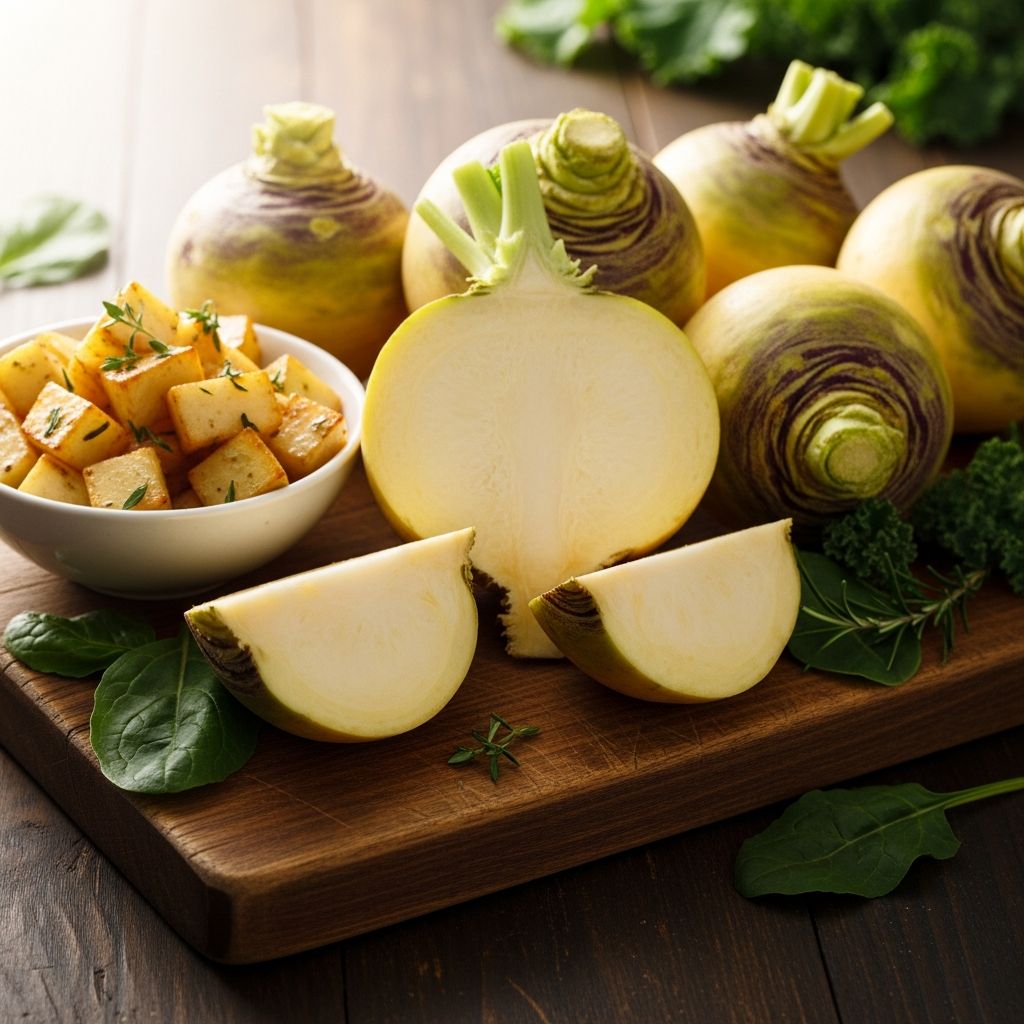
Rutabaga, also known as swede or yellow turnip, is a versatile root vegetable with a slightly sweet, earthy flavor that bridges the gap between turnips and potatoes. Packed with essential nutrients yet low in calories, rutabaga supports overall health, from digestion to immune function. This article explores its nutrition profile, key health benefits, preparation methods, storage tips, and more, drawing from reliable nutritional data.
What Is Rutabaga?
Rutabaga (*Brassica napus*) is a brassica family member, a hybrid of turnip and cabbage, originating in Scandinavia centuries ago. It features purple-tinged skin and bright yellow-orange flesh, growing larger than turnips with wax coating for storage. Often roasted, mashed, or used in stews, rutabaga provides a nutrient boost comparable to potatoes but with fewer calories and more fiber.
Versatile in cuisine, rutabaga shines in fall and winter dishes across Europe and North America. Its firm texture holds up in soups, while raw slices offer crunch in salads. Nutritionally superior to many starchy vegetables, it delivers vitamins, minerals, and glucosinolates—sulfur compounds linked to anti-cancer effects.
Rutabaga Nutrition Facts
One medium rutabaga (about 386 grams) is low-calorie at 143 calories, with 33 grams carbohydrates, 4 grams protein, 0.5-0.6 grams fat, and 8.8-9 grams fiber. It provides no cholesterol or trans fats, making it heart-friendly.
- Vitamin C: 96-107% DV (essential for immunity and collagen)
- Potassium: 35% DV (1,180 mg for blood pressure regulation)
- Magnesium: 18-20% DV (muscle and nerve function)
- Calcium: 17% DV (bone health)
- Vitamin E: 7% DV (antioxidant protection)
- Folate, Phosphorus, Selenium: Moderate amounts for metabolism and reproduction
Per 1 cup chopped (140g): 66 calories, 3g fiber, 2g protein. Boiled and mashed (1 cup): 3.1g protein, 0.53g fat.
| Nutrient | Amount per Medium Rutabaga (386g) | % Daily Value |
|---|---|---|
| Calories | 143 | 7% |
| Carbs | 33g | 12% |
| Fiber | 9g | 32% |
| Protein | 4g | 8% |
| Vitamin C | 96mg | 107% |
| Potassium | 1180mg | 35% |
Rutabaga’s profile supports low-carb diets, with complex carbs for sustained energy.
Health Benefits of Rutabaga
High in Fiber for Digestion
Rutabaga’s 9g fiber per medium serving promotes regular bowel movements, prevents constipation, and feeds gut bacteria for microbiome health. High-fiber diets reduce colorectal cancer risk, manage blood sugar, and lower cholesterol. Soluble fiber forms a gel in the gut, slowing digestion for satiety.
Low-Calorie for Weight Management
At 37 calories per 100g, rutabaga aids weight loss by replacing higher-calorie potatoes. Fiber enhances fullness, reducing intake; its low energy density supports calorie control without hunger. Studies link high-fiber, low-cal veggies to less weight gain and better gut diversity.
Rich in Potassium for Heart Health
Potassium (1,180mg per medium) regulates blood pressure by countering sodium, reducing stroke and heart disease risk. It supports nerve signaling, muscle contraction, and fluid balance. Potassium-rich diets lower hypertension; rutabaga provides 35% DV efficiently.
Vitamin C Boosts Immunity and Skin Health
Exceeding 100% DV, vitamin C combats free radicals, enhances iron absorption, and forms collagen for skin elasticity and wound healing. It strengthens immunity against infections and slows aging via antioxidant action.
Related Stories



Powerful Antioxidants Against Disease
Rutabaga brims with vitamins C/E, carotenoids (beta-carotene, lutein), and glucosinolates. These neutralize oxidative stress, reduce inflammation, and inhibit cancer cell growth (colorectal, prostate, breast). Vitamin E protects cell membranes; C regenerates E. Carotenoids support eye health.
Supports Bone Health
Calcium, magnesium, phosphorus, and vitamin C in rutabaga build strong bones. Collagen from C maintains bone matrix; minerals prevent osteoporosis.
May Help Lower Blood Pressure
Potassium and magnesium relax vessels, easing blood pressure. Combined with fiber’s cholesterol-lowering effects, rutabaga bolsters cardiovascular health.
Potential Cancer Prevention
Glucosinolates break down into isothiocyanates, suppressing tumor growth per epidemiological studies. Antioxidants further protect DNA.
Other Benefits: Eye Health, Mood, Sleep
Lutein/beta-carotene guard eyes; tryptophan, melatonin precursors aid sleep/mood. Selenium supports thyroid/reproduction.
How to Prepare Rutabaga
Peel thick skin (wax-free organic preferred). Cube for roasting (400°F, 25-30 min with oil/herbs), mash boiled (20-30 min), or grate raw for salads. Versatile in fries, soups, gratins.
- Roasted: Toss cubes in olive oil, salt, rosemary; roast until caramelized.
- Mashed: Boil, blend with butter, garlic for potato substitute.
- Soup: Puree with carrots, ginger for creamy base.
- Raw: Thin slices with apple, lemon dressing.
Rutabaga Recipes
Simple Roasted Rutabaga
Ingredients: 2 rutabagas (cubed), 2 tbsp oil, salt, pepper, thyme. Toss, roast 425°F 30 min. Serves 4; 120 cal/serving.
Rutabaga Mash
Boil peeled chunks 25 min; mash with milk, butter, nutmeg. Creamy, low-carb side.
Hearty Rutabaga Stew
Simmer with beef, carrots, onions; fiber-rich winter meal.
Storage and Selection
Choose firm, heavy rutabagas without soft spots. Store unpeeled in fridge crisper (2-4 weeks) or root cellar (months). Refrigerate cut pieces in water.
FAQs
Is rutabaga keto-friendly?
Yes, low net carbs (24g/medium after fiber) suit keto; higher fiber than potatoes.
Can you eat rutabaga raw?
Yes, grated or sliced thin; peppery flavor mellows with salt.
Are rutabagas good for diabetics?
Low glycemic index, high fiber stabilize blood sugar.
How does rutabaga compare to potatoes?
Fewer calories (143 vs 160/cup), more vitamin C/potassium, similar texture.
Is rutabaga anti-inflammatory?
Yes, via antioxidants, glucosinolates reducing inflammation.
References
- Rutabaga: What It Is and Its Health Benefits — WebMD. 2023. https://www.webmd.com/diet/health-benefits-rutabaga
- 7 Health and Nutrition Benefits of Rutabagas — Healthline. 2023-10-12. https://www.healthline.com/nutrition/rutabagas
- Rutabaga Nutrition Benefits Immunity, Digestion & More — DrAxe.com. 2024. https://draxe.com/nutrition/rutabaga/
- Health Benefits of Rutabaga — Advanced Health (PDF). 2022-10. https://advancedhealth.com/wp-content/uploads/2022/10/61-Oct-Rutabaga-poster-1.pdf
- Nutrition Facts – Rutabagas, cooked — UR Medicine (University of Rochester). 2024. https://www.urmc.rochester.edu/encyclopedia/content?contenttypeid=76&contentid=11436-2
Similar Articles








Read full bio of Sneha Tete