Benefits Of Strawberries: 9 Science-Backed Health Boosts
Discover the impressive health benefits of strawberries, from heart protection to blood sugar control and more.
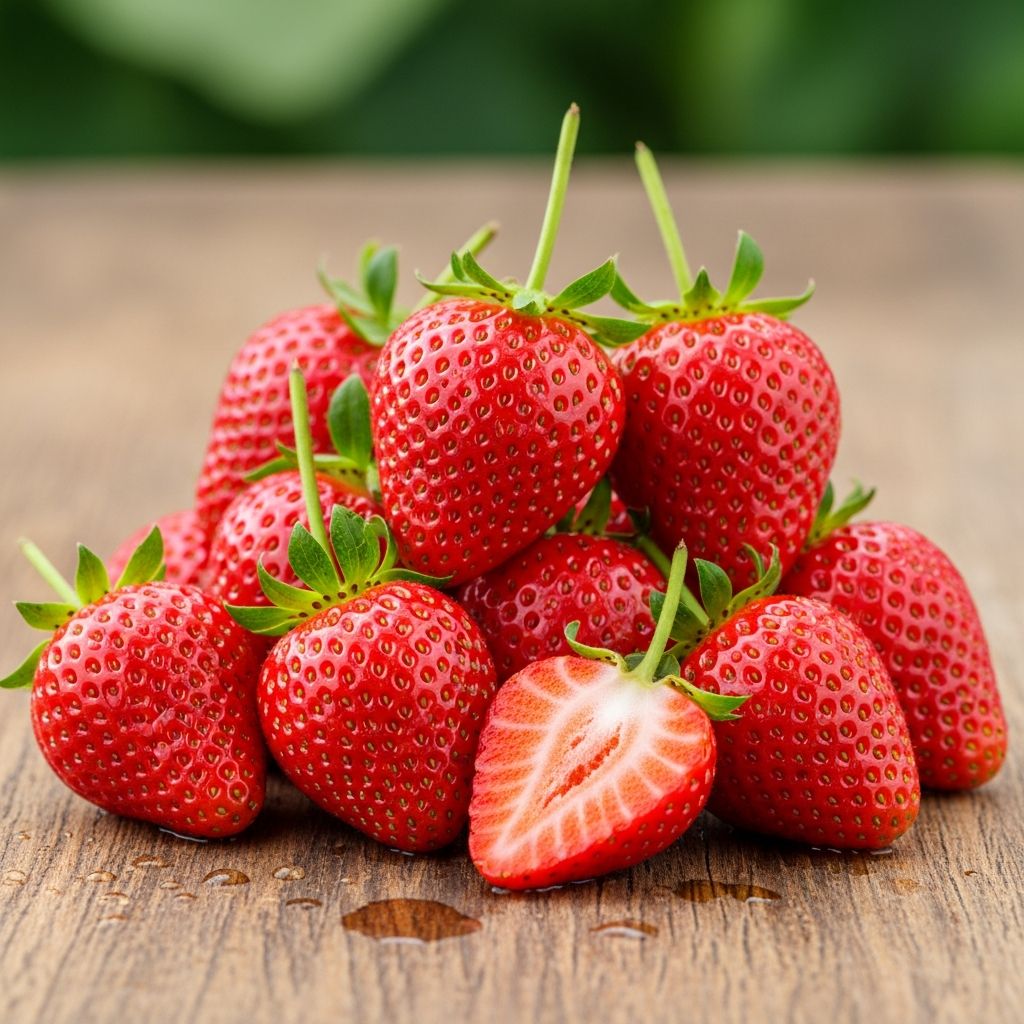
Strawberries are one of the most popular fruits worldwide, celebrated for their sweet-tart flavor, vibrant red color, and incredible versatility in recipes from smoothies to salads. But beyond their delicious taste, these juicy berries offer a powerhouse of nutrients that can significantly boost your health. A single cup of fresh strawberries (about 144–166 grams depending on size) delivers just 46–50 calories while providing over 100% of your daily vitamin C needs, 3 grams of fiber, and potent antioxidants like anthocyanins and ellagic acid.
Whether eaten fresh, frozen, or blended into your morning yogurt, strawberries support everything from heart health to glowing skin. In this comprehensive guide, we’ll explore 9 science-backed benefits of strawberries and practical ways to incorporate them into your diet for maximum impact.
Strawberries Are Loaded with Nutrients
Strawberries rank among the most nutrient-dense fruits available. One cup of halved strawberries (152g) contains:
- Calories: 49
- Protein: 1g
- Carbs: 11.7g (2.9g fiber, 7.4g sugar)
- Fat: 0.5g
- 97% water
- Vitamin C: 89mg (99% DV)
- Manganese: 0.6mg (28% DV)
- Folate: 35.2mcg (9% DV)
- Potassium: 220mg (6% DV)
They’re also rich in smaller amounts of vitamin K, B vitamins, copper, magnesium, and phosphorus. The high water and fiber content makes strawberries exceptionally filling despite their low calorie density, while their antioxidant profile rivals that of blueberries and blackberries.
High Antioxidant Content May Protect Against Disease
Strawberries contain an impressive array of antioxidants, including vitamin C, manganese, flavonoids (like quercetin, kaempferol, and anthocyanins), ellagic acid, and pelargonidin. These compounds neutralize harmful free radicals that contribute to oxidative stress, inflammation, and chronic diseases like cancer and heart disease.
Anthocyanins—the pigments responsible for strawberries’ red color—are particularly powerful. Studies show they improve blood vessel function, reduce inflammation markers like C-reactive protein, and may lower the risk of heart attacks by 32% in people who eat 3+ servings of berries weekly. Ellagic acid shows promise in cancer prevention by inhibiting tumor growth in lab studies, though human trials are still needed.
“Strawberries have one of the highest antioxidant capacities among common fruits, making them a smart choice for disease prevention.”
May Improve Heart Health
Regular strawberry consumption is linked to better cardiovascular outcomes. The combination of antioxidants, fiber, and nitrate content helps in several ways:
- Lower LDL cholesterol: Soluble fiber binds to cholesterol in the digestive system.
- Better blood pressure: Potassium and nitrates relax blood vessels.
- Reduced inflammation: Anthocyanins lower inflammatory markers.
- Improved artery function: Polyphenols enhance endothelial function.
A meta-analysis of 23 studies found berry consumption (including strawberries) reduced systolic blood pressure by 3.1 mmHg and LDL cholesterol by 0.32 mmol/L. Another study showed postmenopausal women eating 50g freeze-dried strawberries daily for 8 weeks experienced significant drops in total cholesterol and LDL.
Regulate Blood Sugar (Despite Natural Sugars)
With only 7–8g of sugar per cup and 3g of fiber, strawberries have a low glycemic index of 40, meaning they don’t spike blood sugar dramatically. Polyphenols further enhance insulin sensitivity and glucose metabolism.
Related Stories



Research shows strawberries improve short-term blood sugar response when eaten with high-carb meals. One study found adding strawberries to a high-fat, high-carb breakfast reduced post-meal blood sugar spikes by 25%. They’re particularly beneficial for people with prediabetes or type 2 diabetes.
Promising for Cancer Prevention
Test-tube and animal studies demonstrate strawberries’ anticancer potential. Ellagic acid slows cancer cell growth, while fisetin (another flavonoid) triggers apoptosis (cell death) in breast, colon, and prostate cancer cells.
A study in 25 people with precancerous esophageal lesions found 8 weeks of strawberry powder reduced lesion severity. However, human evidence remains limited—more clinical trials are needed. Still, strawberries’ anti-inflammatory and antioxidant effects contribute to lower overall cancer risk.
Support Brain Health and May Slow Cognitive Decline
As we age, oxidative stress and inflammation damage brain cells, contributing to cognitive decline. Strawberries’ high flavonoid content crosses the blood-brain barrier to provide direct protection.
The Nurses’ Health Study (16,000+ women) found those eating 2+ servings of strawberries weekly had slower cognitive decline rates—equivalent to being 2.5 years “younger” mentally. Animal studies confirm fisetin reduces Alzheimer’s-related beta-amyloid plaques and improves memory.
Anti-Aging Benefits for Skin
Strawberries combat skin aging through multiple mechanisms:
| Nutrient/Compound | Skin Benefit |
|---|---|
| Vitamin C | Boosts collagen production, fights wrinkles |
| Ellagic acid | Protects UV damage, reduces hyperpigmentation |
| Anthocyanins | Improve skin elasticity and hydration |
A study applying strawberry extract to skin for 8 weeks improved elasticity by 55–60% and reduced wrinkles. Eating strawberries internally provides similar benefits through systemic antioxidant protection.
Help with Weight Loss and Management
Low-calorie (32 calories/cup whole), high-water (91%), and fiber-rich, strawberries promote satiety without adding many calories. Their sweetness satisfies sugar cravings naturally.
A study of 12 women found strawberry smoothies equally filling as a sugar-sweetened version despite fewer calories. Replacing higher-calorie snacks with strawberries can create a substantial calorie deficit over time.
Other Notable Benefits
- Exercise recovery: Polyphenols reduce muscle soreness and oxidative damage post-workout.
- Gut health: Prebiotic fiber feeds beneficial bacteria.
- Vision protection: Lutein and zeaxanthin support eye health.
- Pregnancy support: Folate prevents neural tube defects.
Nutrition Facts: Strawberries at a Glance
| Nutrient (1 cup, 152g) | Amount | % Daily Value |
|---|---|---|
| Calories | 49 | 2% |
| Carbs | 11.7g | 4% |
| Fiber | 2.9g | 10% |
| Sugar | 7.4g | – |
| Protein | 1g | 2% |
| Vitamin C | 89.4mg | 99% |
| Manganese | 0.6mg | 28% |
Delicious Ways to Eat More Strawberries
- Fresh in salads, yogurt parfaits, or smoothies
- Frozen in desserts or blended into jam
- Roasted for concentrated flavor
- Added to oatmeal, pancakes, or cereal
- Made into homemade popsicles
Frequently Asked Questions (FAQs)
Are strawberries keto-friendly?
Yes, with 8g net carbs per cup, strawberries fit well in moderation on keto diets.
Can you eat strawberries every day?
Absolutely—1–2 cups daily provides excellent nutrition without excess sugar or calories.
Are frozen strawberries as healthy as fresh?
Yes, they’re typically frozen at peak ripeness, preserving nearly all nutrients and antioxidants.
Do strawberries help with constipation?
The 3g fiber per cup plus high water content makes them excellent for regularity.
What’s the best way to wash strawberries?
Rinse under cool water right before eating; don’t soak, as this can make them mushy.
References
- Strawberries, raw nutrition data — USDA FoodData Central. 2023-10-15. https://fdc.nal.usda.gov/fdc-app.html#/food-details/167762/nutrients
- Effects of berry consumption on cardiovascular risk factors — Huang H, et al. Annals of Internal Medicine. 2016-04-12. https://doi.org/10.7326/M15-1580
- Berry consumption and cognitive decline — Devore EE, et al. Annals of Neurology. 2012-07. https://doi.org/10.1002/ana.23594
- Strawberry polyphenols and glycemic response — Edirisinghe I, et al. Food & Function. 2011. https://doi.org/10.1039/C1FO10060B
- Antioxidant content of fruits and vegetables — USDA Database for the Oxygen Radical Absorbance Capacity (ORAC). 2010. https://www.ars.usda.gov/ARSUserFiles/80400525/articles/jafc62_2_4026-4032.pdf
Similar Articles








Read full bio of medha deb