Benefits of Strength Training for Anti-Aging
Discover how strength training combats aging by building muscle, strengthening bones, boosting metabolism, and reducing chronic disease risk.
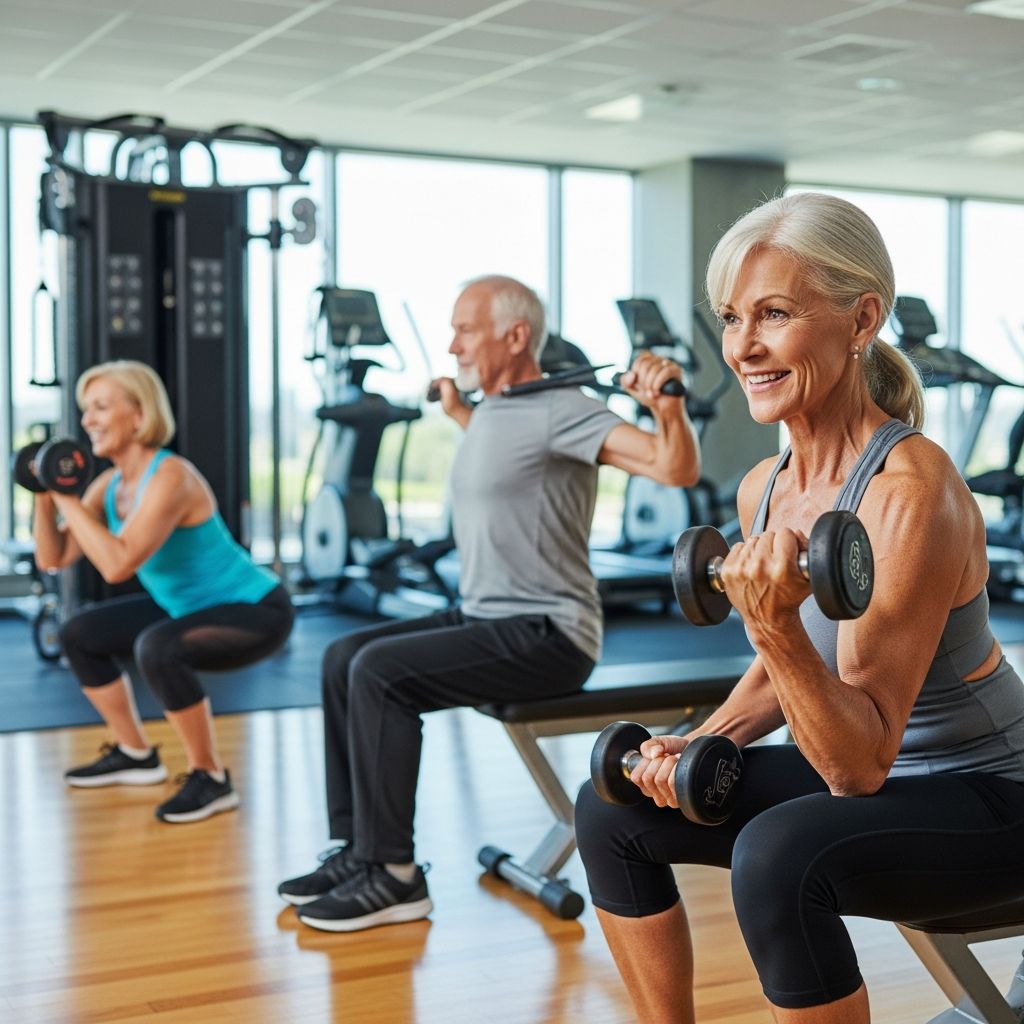
Strength training, once considered the domain of bodybuilders and young athletes, has emerged as one of the most effective strategies for combating age-related decline. Research spanning over 40 years shows it builds healthier bodies by maintaining muscle mass, improving mobility, and extending healthy years of life. By challenging muscles and bones through resistance exercises like weightlifting or bodyweight movements, individuals can reinforce their skeletal structure, rev up metabolism, prevent falls, and lower chronic disease risks.
This comprehensive guide covers the key anti-aging benefits of strength training, supported by insights from leading experts and long-term studies. Whether you’re in your 30s starting to notice subtle changes or in your 60s aiming to stay independent, incorporating resistance training can significantly enhance your quality of life.
How Strength Training Fights Sarcopenia and Preserves Muscle Mass
Sarcopenia, the age-related loss of muscle mass and strength, begins around age 40 and accelerates after 65 for women and 70 for men. This condition leads to reduced mobility, frailty, and loss of independence. Muscle mass peaks in the 30s and declines steadily thereafter, but strength training can substantially slow or even reverse this process.
NIA-supported researchers, including those from the Baltimore Longitudinal Study of Aging (BLSA), have tracked muscle performance for decades using the Short Physical Performance Battery (SPPB), which assesses balance, walking speed, and chair-rise ability. Findings reveal that an active lifestyle with resistance training maintains muscle power, helping older adults stay mobile and independent.
Muscle is metabolically active tissue, burning calories even at rest and acting as the body’s engine. As Dr. Lauren Borowski notes, patients with more lean muscle exhibit better insulin sensitivity and glucose metabolism, reducing risks for metabolic syndrome and diabetes. Strength training counters sarcopenia by promoting muscle protein synthesis and hypertrophy, ensuring muscles remain strong and functional.
- Muscle decline starts subtly in the 30s but accelerates with inactivity.
- Resistance exercises like squats and pushups stimulate muscle growth at any age.
- Combining strength training with diet yields even greater results, as seen in studies where participants lost fat while gaining muscle.
Strengthens Bones and Prevents Osteoporosis
Bones are dynamic tissues that respond to stress by becoming denser and stronger. Every squat, pushup, or weight lift sends signals to bone cells to build new tissue, increasing density and structural integrity. Bone density peaks in the 20s and declines from the 30s, accelerating post-menopause due to hormonal shifts, particularly in women.
Physical therapist Kristen Lettenberger explains that this mechanical loading mimics natural stresses, reinforcing the skeleton against fractures. Orthopedic surgeon Dr. Rahul Shah confirms that progressive overload on joints and bones triggers cellular responses observed for over a century.
Strength training is especially vital for preventing osteoporosis, where weakened bones lead to breaks from minor falls. Studies like the Lifestyle Intervention to Improve Bone Quality (LIMB-Q) show that resistance training, combined with aerobic exercise and diet, preserves bone density during weight loss, reducing hip fracture risks—a common issue in older adults.
Related Stories



| Age Group | Bone Density Change Without Training | With Strength Training |
|---|---|---|
| 30-50 | Slow decline | Density maintained or increased |
| 50+ | Accelerated loss | Up to 2-3% annual gain possible |
| Post-menopausal women | High fracture risk | Significant reduction in osteoporosis |
Boosts Metabolism and Supports Weight Management
Muscle tissue is thermogenic, burning more calories at rest than fat, which elevates basal metabolic rate (BMR). As we age and lose muscle to sarcopenia, metabolism slows, making weight gain easier. Strength training rebuilds this ‘metabolic engine,’ helping maintain a healthy weight effortlessly.
Lettenberger highlights that muscles’ calorie-burning efficiency improves insulin sensitivity and glucose uptake, key for preventing type 2 diabetes. In NIA studies, obese older adults using resistance training alongside diet lost more fat than muscle, improving body composition and reversing frailty.
For those losing weight, strength training prevents muscle and bone loss. Tools like weighted vests in the INVEST study slowed hip bone-density loss, aiding safe weight reduction while preserving strength.
Improves Balance, Prevents Falls, and Enhances Mobility
Falls are a leading cause of injury in older adults, often due to weakened strength, poor proprioception (body position awareness), and instability. Strength training, particularly single-leg exercises, builds leg, hip, and core muscles while sharpening balance cues.
The BLSA’s SPPB tests demonstrate how resistance training sustains walking speed, balance, and functional tasks like standing from a chair. Roger A. Fielding, Ph.D., emphasizes pushing muscles to combat frailty and maintain independence. Lettenberger adds that improved posture and movement support from training drastically cuts fall risks.
- Target areas: Legs, hips, core for stability.
- Exercises: Single-leg squats, lunges, balance holds.
- Benefits: Up to 30% fall reduction in consistent trainers.
Reduces Risk of Chronic Diseases and Promotes Longevity
Regular strength training lowers risks for type 2 diabetes, heart disease, dementia, and certain cancers. It enhances insulin use, glucose clearance, cardiovascular health, blood pressure, and cholesterol levels. Brain benefits include better blood flow and reduced inflammation, potentially cutting dementia risk.
Large studies link resistance training to a 15% lower all-cause mortality risk. NIA research shows it extends healthspan by preserving muscle-metabolism links, with experts like Dennis Villareal noting additive effects when combined with aerobic and balance work.
Enhances Brain Health and Cognitive Function
Beyond physical gains, strength training supports cognition. Improved circulation, lower inflammation, and metabolic health protect against neurodegenerative diseases. Evidence suggests it boosts brain-derived neurotrophic factor (BDNF), aiding neuron growth and memory.
While direct studies evolve, correlations with reduced dementia risk align with overall vascular and inflammatory benefits from muscle maintenance.
How to Start Strength Training for Anti-Aging
Begin with 2-3 sessions weekly, 20-30 minutes each. Use bodyweight, dumbbells, or machines; focus on form over heavy loads. Progress gradually with progressive overload.
- Warm up 5-10 minutes.
- Do 8-12 reps per set, 2-3 sets per exercise.
- Include compound moves: Squats, deadlifts, presses, rows.
- Rest 48 hours between sessions.
- Consult a doctor if new to exercise or over 65.
Experts recommend consistency over intensity. Even short sessions yield gains in muscle, bone, and health markers.
Frequently Asked Questions (FAQs)
Is strength training safe for older adults?
Yes, when started gradually under guidance. NIA studies show frail adults over 75 benefit safely, improving strength without injury.
How often should I strength train for anti-aging?
2-3 times per week, targeting major muscle groups, as recommended by experts for sustainable gains.
Can strength training reverse sarcopenia?
It can slow, halt, or partially reverse muscle loss, especially with proper nutrition and consistency.
Do I need gym equipment?
No—bodyweight exercises like pushups, squats, and planks are highly effective starters.
What’s the best age to start?
Any age; benefits compound over time, but starting in 30s-40s maximizes prevention.
References
- Why Strength Training Is the Best Anti-Ager — Time Magazine. 2024-10-01. https://time.com/7323121/strength-training-exercises-aging-health-benefits/
- How can strength training build healthier bodies as we age? — National Institute on Aging (NIA), NIH. 2023-05-15. https://www.nia.nih.gov/news/how-can-strength-training-build-healthier-bodies-we-age
Similar Articles








Read full bio of medha deb