Benefits of Telemedicine: Healthcare at Your Fingertips
Discover how telemedicine revolutionizes healthcare delivery with convenience, accessibility, and quality care from home.
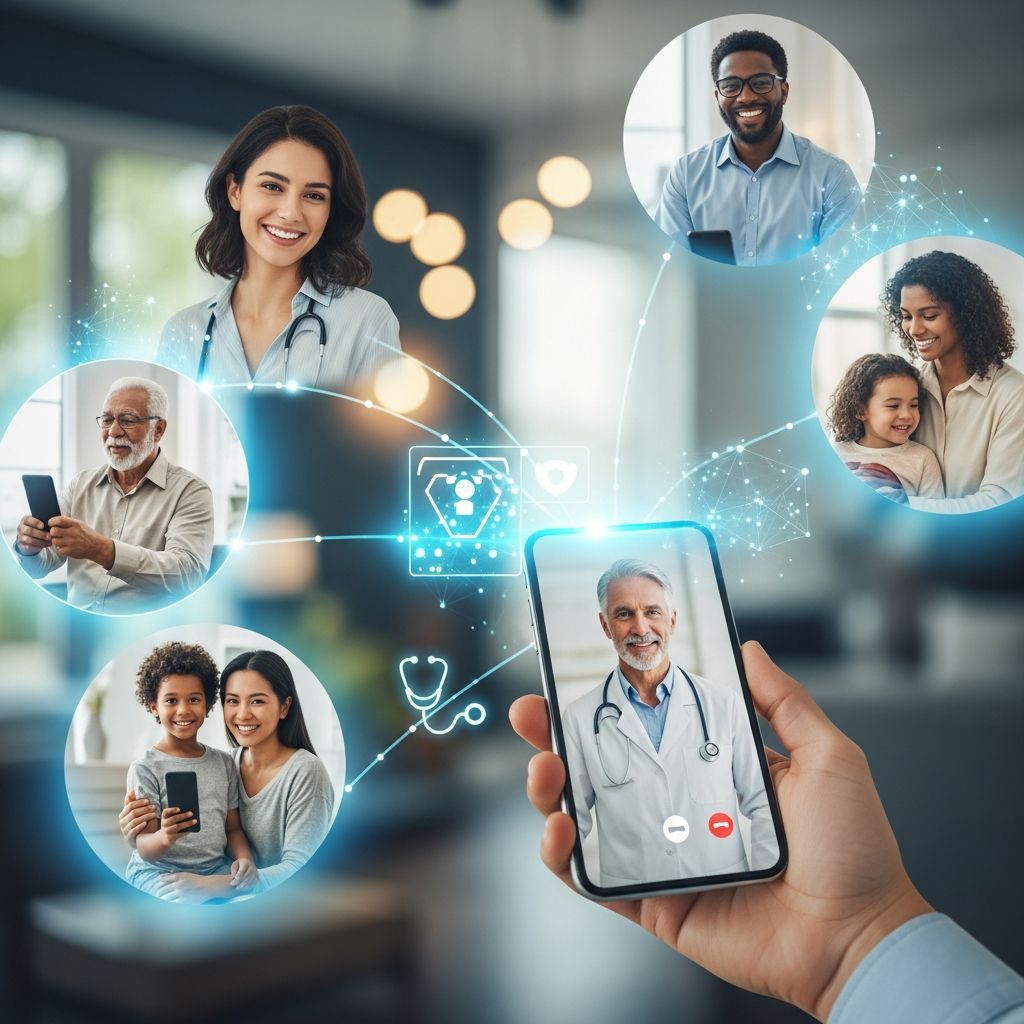
Telemedicine has fundamentally transformed the way patients access healthcare services, bringing medical consultation and treatment directly into homes and workplaces. This innovative approach to healthcare delivery leverages digital technologies to connect patients with qualified healthcare professionals, eliminating traditional barriers such as travel time, scheduling conflicts, and geographic limitations. Whether managing chronic conditions, addressing acute health concerns, or seeking preventive wellness guidance, telemedicine offers a flexible and effective alternative to traditional in-person visits. The technology represents more than just a temporary pandemic-era solution; it has become an integral component of modern healthcare systems, reshaping how patients engage with their medical teams and take control of their health outcomes.
What is Telemedicine?
Telemedicine refers to the delivery of healthcare services through digital communication platforms, allowing patients to consult with healthcare providers via video calls, phone consultations, or secure messaging systems. This encompasses a wide range of medical services, from routine follow-ups and symptom assessments to specialist consultations and chronic disease management. Telemedicine operates within regulated frameworks that ensure patient privacy, data security, and compliance with healthcare standards such as HIPAA. By utilizing secure, encrypted communication channels, telemedicine maintains the same level of confidentiality and professionalism expected in traditional healthcare settings while offering unprecedented convenience and accessibility.
Key Benefits of Telemedicine
Convenience and Accessibility
One of the most significant advantages of telemedicine is the convenience it provides to patients. Virtual visits eliminate the need to take time off work, arrange childcare, or coordinate transportation to medical appointments. Patients can connect with their healthcare providers from familiar, comfortable environments—whether at home, during a lunch break, or while traveling. This accessibility is particularly valuable for individuals who face transportation challenges, live in rural areas far from medical facilities, or have mobility limitations. For working professionals and busy parents, telemedicine allows healthcare access to fit seamlessly into their daily schedules rather than disrupting established routines.
Cost Effectiveness
Telemedicine reduces overall healthcare costs for both patients and healthcare systems. By eliminating travel expenses, reducing missed work time, and decreasing administrative overhead, virtual visits make healthcare more affordable and accessible. Patients save money on transportation, parking, and incidental expenses associated with clinic visits. Healthcare providers benefit from increased efficiency and the ability to serve more patients within the same timeframe. Insurance companies and employers recognize these cost savings, making telemedicine an increasingly attractive component of benefits packages and coverage options.
Improved Infection Control
Virtual consultations significantly reduce unnecessary exposure to infectious illnesses by minimizing time spent in waiting rooms and clinical environments. During respiratory illness outbreaks, including influenza and COVID-19, telemedicine provides a safer alternative to in-person visits for non-emergency consultations. This protective effect extends beyond individual patients—reducing foot traffic in medical facilities decreases transmission risks for healthcare workers and other vulnerable patients, contributing to overall public health protection.
Quality of Care and Patient Satisfaction
Research demonstrates that telemedicine delivers care quality equivalent to traditional in-person visits for many conditions. Studies from leading medical institutions have shown that patients utilizing telemedicine report satisfaction levels equal to or exceeding those of in-person consultations. Healthcare providers have adapted their communication techniques for virtual settings, and many patients report feeling that physicians communicate effectively and comprehensively through video consultations. This perception of quality care is particularly important for patient confidence and treatment adherence.
Continuity of Care
Telemedicine enables consistent contact with healthcare teams between in-person visits, strengthening the continuity of care for chronic disease management. Regular virtual check-ins allow providers to monitor patient progress, adjust treatment plans, and address emerging concerns promptly. For conditions such as diabetes, hypertension, and other long-term diseases, research confirms that regular virtual consultations prove as effective as in-person visits for maintaining disease control and optimizing health outcomes.
Related Stories



Conditions and Services Well-Suited for Telemedicine
Telemedicine effectively addresses a diverse range of health concerns and wellness needs. Many conditions that traditionally required office visits can be successfully managed through virtual consultations, making telemedicine an efficient and appropriate choice for numerous situations:
- Medication follow-ups and prescription refills
- Laboratory and test result reviews
- Acute respiratory symptoms including cold, flu, and COVID-19
- Mental health services including anxiety, depression, and stress management
- Behavioral health and wellness counseling
- Nutrition and wellness coaching
- Weight loss monitoring and support programs
- Sleep disorders and related concerns
- Dermatological evaluations for rashes and skin conditions viewable on video
- Chronic disease management for conditions like diabetes and hypertension
For many of these conditions, telemedicine not only provides effective care but also helps providers determine the most appropriate next steps more quickly and clearly, often preventing unnecessary in-person visits while expediting necessary interventions.
When In-Person Visits Remain Necessary
While telemedicine offers numerous advantages, certain medical situations require in-person evaluation and treatment. Comprehensive physical examinations, laboratory blood draws, advanced diagnostic imaging, and specific procedures necessitate direct patient contact and cannot be effectively conducted remotely. Healthcare providers work with patients to determine the appropriate care modality for their specific situation, often utilizing telemedicine for initial assessment and follow-up while scheduling in-person visits when hands-on evaluation or procedures are essential.
Telemedicine and Holistic Wellness
Modern healthcare increasingly recognizes the importance of addressing physical, emotional, social, and spiritual dimensions of health. Telemedicine aligns perfectly with this integrative wellness model by enabling continuous connection with healthcare teams. Beyond treating illness, telemedicine facilitates conversations about stress management, sleep quality, nutrition, exercise habits, and overall wellness goals. This comprehensive approach empowers patients to take active roles in their health management, utilizing virtual visits not only when acute health concerns arise but also for ongoing wellness optimization and preventive care.
Technology and Innovation in Telemedicine
The telemedicine landscape continues evolving through integration of advanced technologies. Mobile health applications, wearable devices, and remote monitoring sensors now enable healthcare providers to access continuous health data beyond traditional appointment intervals. Wireless scales transmit weight information directly to electronic medical records, smartphone-connected cardiac sensors capture heart rhythm data, and subcutaneous continuous glucose monitors track blood sugar levels in real time. These technological enhancements provide physicians with comprehensive information for informed clinical decision-making and improved disease management, representing the future direction of telemedicine innovation.
Addressing Equity and Accessibility Concerns
While telemedicine offers significant benefits, ensuring equitable access remains important. Research indicates that vulnerable populations can benefit substantially from telemedicine services when access barriers are addressed. Healthcare systems are working to ensure that patients with varying levels of technological literacy, internet access, and digital device familiarity can effectively utilize virtual care options. Training programs for both patients and providers continue to improve the telemedicine experience, making these services increasingly inclusive and accessible across diverse populations.
Getting Started with Telemedicine
For patients considering telemedicine, the process is straightforward and user-friendly. Most healthcare providers offer simple scheduling systems for virtual visits through patient portals or phone contact. Telemedicine typically requires only a device with video capability—a smartphone, tablet, or computer—and a reliable internet connection. Secure, HIPAA-compliant platforms ensure that patient information remains protected throughout the consultation. Healthcare providers guide patients through the technological requirements and provide technical support as needed, ensuring a smooth experience for those new to virtual healthcare.
The Future of Telemedicine
Telemedicine has transcended its initial role as an emergency-response measure to become a permanent fixture in healthcare delivery systems. Leading medical institutions continue investing in telemedicine infrastructure, training healthcare professionals in virtual care delivery, and researching optimal applications across specialty areas. As technology advances and healthcare systems refine telemedicine protocols, this care delivery model will continue expanding its scope and effectiveness, offering patients unprecedented flexibility, convenience, and access to quality healthcare.
Frequently Asked Questions About Telemedicine
Q: Is telemedicine as effective as in-person medical visits?
A: Research confirms that telemedicine is effective for many health conditions and concerns. Studies show that patients often report satisfaction levels equal to or exceeding in-person visits, and for chronic disease management, regular virtual consultations prove as effective as office visits. However, some situations requiring physical examination, laboratory work, or procedures still necessitate in-person appointments.
Q: What equipment do I need for a telemedicine appointment?
A: You need a device with video capability—a smartphone, tablet, or computer—and a reliable internet connection. Most telemedicine platforms are accessible through standard devices most people already own. Your healthcare provider will provide instructions and technical support if needed.
Q: Is my privacy protected during telemedicine visits?
A: Yes, telemedicine platforms use secure, HIPAA-compliant encryption to protect patient information. Your healthcare provider maintains the same privacy standards and confidentiality obligations as in traditional in-person settings.
Q: Can telemedicine address mental health concerns?
A: Absolutely. Telemedicine is highly effective for mental health services, including therapy, counseling, anxiety and depression management, and stress reduction. Many patients find virtual mental health consultations particularly comfortable and convenient.
Q: How do I schedule a telemedicine appointment?
A: Contact your healthcare provider’s office directly or use their patient portal to schedule virtual visits. Most providers have simplified scheduling systems specifically designed for telemedicine appointments, often offering greater availability and flexibility than traditional office scheduling.
Q: What if I experience technical difficulties during a telemedicine visit?
A: Your healthcare provider’s technical support team can assist you. Most telemedicine platforms have backup options, including phone consultations if video connectivity fails. Providers are experienced in troubleshooting technical issues and have protocols to ensure you receive care even if initial technical challenges arise.
Q: Can telemedicine handle prescription refills and medication management?
A: Yes, medication follow-ups and prescription refills are among the most common and straightforward telemedicine applications. Providers can review your medication history, assess your response to current treatments, and authorize refills or adjustments through virtual consultations.
Q: Is telemedicine suitable for chronic disease management?
A: Research strongly supports telemedicine for chronic disease management. Regular virtual check-ups for conditions like diabetes and hypertension are effective for monitoring progress, adjusting treatment plans, and maintaining disease control between in-person specialist visits.
References
- Telehealth: Making it Easier to Take Control of Your Health and Wellness — Hopkins MD. Accessed December 1, 2025. https://www.hopkinsmd.com/blog/telehealth-making-it-easier-to-take-control-of-your-health-and-wellness
- The Rise of Telemedicine: A Game Changer for Your Healthcare Benefits — Ameri Life Benefits. Accessed December 1, 2025. https://amerilifebenefits.com/the-rise-of-telemedicine-a-game-changer-for-your-healthcare-benefits/
- The telemedicine experience: using principles of clinical excellence and pandemic-related data to inform best practices — National Center for Biotechnology Information. Published 2022. https://pmc.ncbi.nlm.nih.gov/articles/PMC8913094/
Similar Articles








Read full bio of Sneha Tete