Benefits Of Zinc Supplements: 9 Evidence-Based Health Wins
Discover the science-backed benefits of zinc supplements for immunity, wound healing, mental health, and more, plus dosage tips and risks.
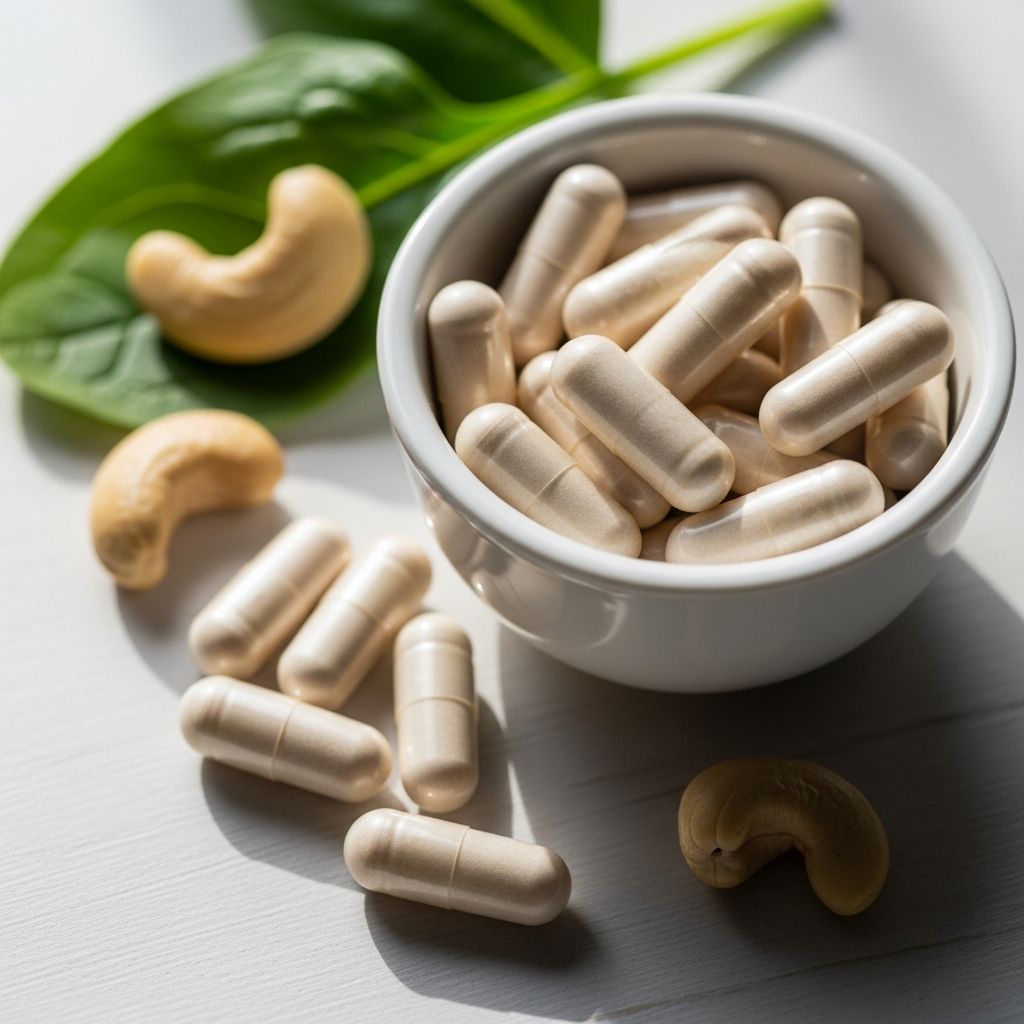
Zinc is an essential trace mineral vital for over 100 enzymatic reactions in the body, supporting immune function, DNA synthesis, cell growth, protein building, wound healing, and senses of taste and smell. While obtainable from foods like meat, shellfish, legumes, and nuts, supplements provide targeted benefits for those with deficiencies, certain health conditions, or increased needs during growth phases like childhood, adolescence, or pregnancy.
Research from umbrella reviews and clinical trials shows supplementary zinc improves outcomes in immunity, respiratory infections, growth, antioxidant status, mental health, and more, particularly in deficient populations. This article synthesizes evidence-based benefits, dosages, food sources, risks, and expert guidance.
What Is Zinc?
Zinc, a trace mineral, is indispensable for immune defense, cell division, growth, carbohydrate metabolism, and insulin action. It resides in every cell, enabling wound repair, protein synthesis, and sensory functions. Deficiency impairs immunity, delays healing, and stunts growth, especially in children from low-income regions or elderly with poor intake.
The body absorbs 20-40% of dietary zinc, less from plant sources due to phytates; animal foods enhance bioavailability. Recommended Dietary Allowances (RDAs) are 11 mg/day for adult men and 8 mg/day for non-pregnant women aged 19+, rising to 11-12 mg during pregnancy/lactation.
9 Health Benefits of Zinc Supplements
Supplementary zinc delivers measurable benefits across health domains, strongest in deficient individuals or specific conditions.
1. May Shorten the Common Cold
Zinc lozenges or supplements (≥75 mg/day elemental zinc) started within 24 hours of cold symptoms can reduce duration by 33% and severity, per Cochrane reviews and trials. A meta-analysis confirms zinc tames symptoms if initiated early, though it doesn’t prevent colds. For prevention, 5+ months of supplementation may lower risk. Lozenges work by inhibiting viral replication in the throat.
2. Supports Immune Function
Zinc fuels immune cell growth (lymphocytes, neutrophils, macrophages), combating viruses/bacteria. Deficiency slows these cells, raising infection risk in children (diarrhea, pneumonia) and elderly (pneumonia, ulcers). Supplements <20 mgday cut childhood lower respiratory infections by 35%, pneumonia incidenceprevalence 13-41%. in adults with viral (including early covid-19 data),>20 mg/day hastens recovery 1.83-fold, shortening symptoms by 2 days.
3. Promotes Wound Healing
Zinc aids collagen formation, tissue repair, and inflammation control at wound sites. Benefits shine in deficient patients with severe wounds like ulcers or burns, where oral/topical zinc accelerates healing via new cell growth and immune support. Topical zinc oxide forms a moisture-repelling barrier, breaking down damaged collagen.
4. May Improve Blood Sugar Control
Higher dietary zinc links to lower type 2 diabetes (T2DM) risk; supplements enhance insulin action. Umbrella reviews show top-quartile intake reduces T2DM incidence. Those with low zinc may see glycemic improvements, though more research is needed.
5. May Reduce Diarrhea in Children
In malnourished or deficient children, zinc supplements (10-20 mg/day for 10-14 days) reduce diarrhea duration by 25% and incidence, per WHO guidelines. It cuts childhood zinc deficiency by 63% overall. Not routinely advised for well-nourished kids on varied diets.
6. May Support Eye Health
Zinc transports vitamin A to the retina, potentially slowing age-related macular degeneration (AMD). The AREDS study found 80 mg/day (with antioxidants) reduced advanced AMD progression by 25% in at-risk adults. High-dose benefits limited to specific high-risk groups.
7. May Aid Mental Health
Highest dietary zinc correlates with 34% lower depression risk (RR 0.66). Supplements improve depression scores by 4+ points in patients (WMD -4.15), boosting antioxidant capacity and curbing inflammation (TNF-α, CRP). Effective adjunct for deficient individuals.
Related Stories



8. Boosts Growth and Development in Children
Zinc supplements increase height by 0.43 cm in undernourished kids from 19 RCTs (n>10,000). Reduces stunting, pneumonia, diarrhea; improves deficiency status.
9. Other Potential Benefits
Enhances sperm quality, antioxidant levels (glutathione up, malondialdehyde down), serum zinc (+0.43 μmol/L); may lower digestive cancer risk with incremental intake (5 mg/day cuts colorectal/esophageal odds). No clear mortality reduction in adults or COVID-19 inpatients.
Zinc-Rich Foods
Prioritize diet: oysters (74 mg/3 oz), beef (7 mg/3 oz), crab (6.5 mg/3 oz), pork, chicken, yogurt (1.7 mg/cup), cashews (1.6 mg/oz), chickpeas (1.5 mg/cup), oatmeal (1 mg/cup), milk (1 mg/cup). Plant sources pair with vitamin C for better absorption.
- Oysters: Highest source, 74 mg per 3 oz.
- Red meat/poultry: 5-7 mg per 3-4 oz.
- Legumes/nuts: 1-2 mg per serving.
- Dairy/grains: 1 mg per cup/oz.
Zinc Supplements: Benefits, Dosage, and Side Effects
| Form | Common Dose | Best For |
|---|---|---|
| Lozenges | 13-23 mg elemental Zn, every 2h | Colds (short-term) |
| Tablets/Capsules | 15-30 mg/day | Deficiency, immunity, diarrhea |
| Topical (oxide) | Apply as cream | Wounds, acne |
Stick to RDA unless deficient; excess (>40 mg/day long-term) risks nausea, copper/iron interference, immunity suppression. Upper limit: 40 mg/day adults.
Who Might Need Zinc Supplements?
- Vegetarians/vegans (phytates block absorption).
- Pregnant/breastfeeding women (needs rise).
- Children in poverty (growth, infections).
- Elderly (poor appetite).
- Those with GI disorders (Crohn’s, celiac).
- Post-bariatric surgery or alcoholics.
Should You Take Zinc Supplements?
Consult a doctor for testing; unnecessary for most on balanced diets. Benefits peak in deficiency; over-supplementation harms.
Potential Harms of Zinc Supplements
High doses cause nausea, vomiting, cramps; chronic excess depletes copper (anemia, neuropathy). Interferes with antibiotics, penicillamine. Avoid intranasal zinc (anosmia risk).
Frequently Asked Questions (FAQs)
Who should take zinc supplements?
Those with confirmed deficiency, high infection risk, malnourished children, or poor absorbers (vegans, GI issues). Test levels first.
Can zinc help with colds?
Yes, lozenges within 24h shorten duration/severity if ≥75 mg/day elemental zinc short-term.
Is zinc safe during pregnancy?
At RDA (11-13 mg), yes; no superior maternal/neonatal outcomes from high/low doses.
What’s the best form of zinc supplement?
Gluconate/acetate for colds; picolinate/citrate for absorption. Pair with food to minimize nausea.
Can zinc cause side effects?
Yes, >40 mg/day: GI upset, mineral imbalances. Short-term high doses for colds are generally safe.
References
- Zinc Intakes and Health Outcomes: An Umbrella Review — PMC/NCBI. 2022-02-22. https://pmc.ncbi.nlm.nih.gov/articles/PMC8861317/
- Zinc and Your Health — Harvard T.H. Chan School of Public Health. 2023. https://nutritionsource.hsph.harvard.edu/zinc/
- Zinc in diet — MedlinePlus/NIH. 2024. https://medlineplus.gov/ency/article/002416.htm
- Zinc — Mayo Clinic. 2023-10-26. https://www.mayoclinic.org/drugs-supplements-zinc/art-20366112
Similar Articles








Read full bio of medha deb