9 Benefits Of Vitamin D For Bone Strength, Immunity, And More
Discover the essential health benefits of vitamin D, from stronger bones and immunity to disease prevention and more.
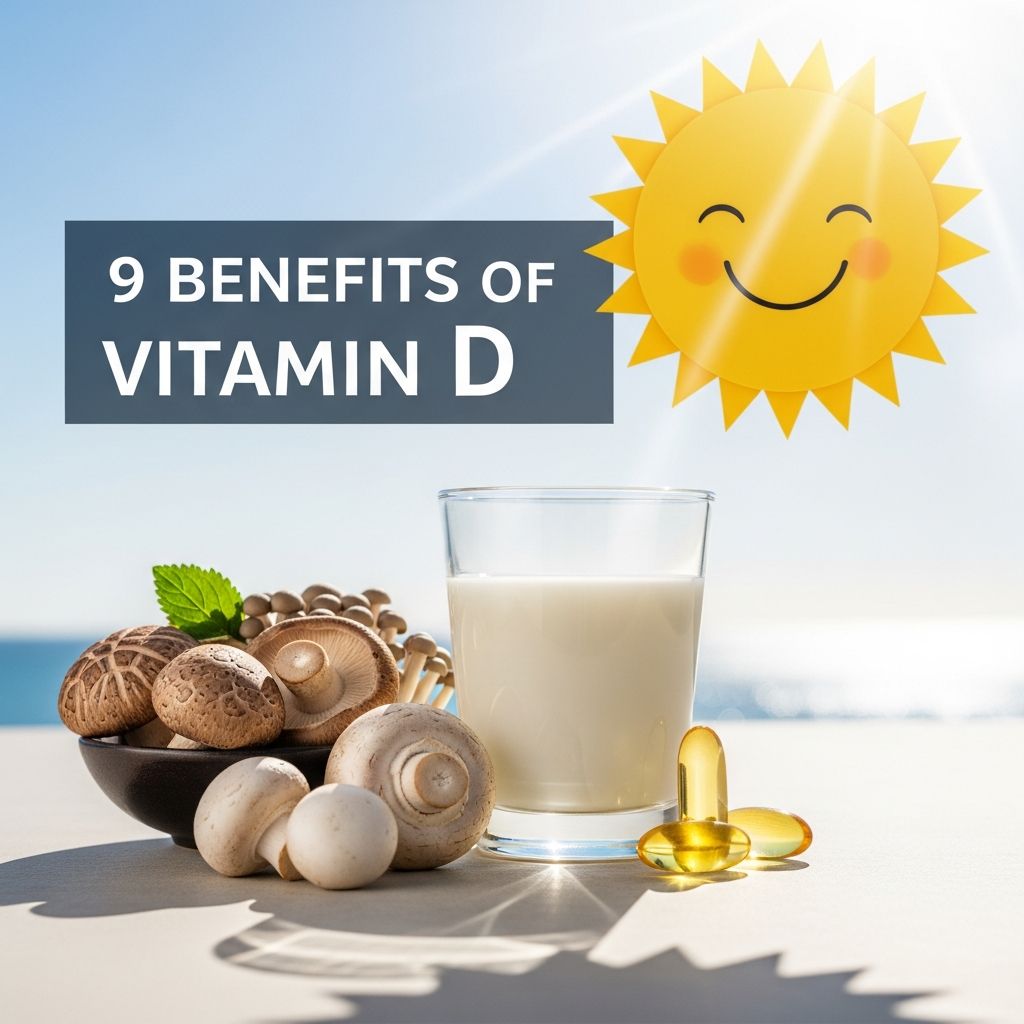
Vitamin D is a fat-soluble nutrient essential for bone health, calcium absorption, and numerous bodily functions beyond the skeleton. Receptors for vitamin D exist in most organs and tissues, influencing muscle strength, immune response, inflammation control, and disease prevention.
What Is Vitamin D?
Vitamin D functions both as a nutrient from food and sunlight exposure and as a hormone produced by the body. It promotes calcium absorption in the gut, maintains serum calcium and phosphate levels for bone mineralization, and supports bone remodeling by osteoblasts and osteoclasts. Without adequate vitamin D, bones become thin, brittle, or misshapen, leading to rickets in children and osteomalacia or osteoporosis in adults.
The body synthesizes vitamin D when skin is exposed to UVB rays from sunlight, converting 7-dehydrocholesterol to previtamin D3, which becomes active vitamin D (calcitriol) after processing in the liver and kidneys. Foods like fatty fish, fortified dairy, and egg yolks provide it, but sunlight remains the primary source for most people.
9 Benefits of Vitamin D
Research highlights vitamin D’s wide-ranging roles. Here are nine key benefits supported by clinical studies and expert consensus:
- Bone Health: Vitamin D regulates calcium and phosphate, essential for bone mineralization and preventing osteoporosis, rickets, and osteomalacia. It ensures proper bone renewal and reduces fracture risk in older adults.
- Muscle Function and Fall Prevention: By supporting muscle strength and coordination, vitamin D lowers fall risk in older adults, particularly those deficient. Supplementation (e.g., 2,000 IU daily) shows benefits in trials like VITAL.
- Immune Support: Vitamin D modulates immune function, reducing inflammation and infection rates. It lowers upper respiratory tract infection risk and autoimmune diseases like rheumatoid arthritis by 22% in supplemented individuals.
- Diabetes Prevention: Higher vitamin D levels correlate with lower type 2 diabetes risk. Trials show 4,000 IU daily reduces progression from prediabetes in deficient adults.
- Cancer Risk Reduction: Epidemiological data link higher serum vitamin D to lower colorectal, prostate, and breast cancer rates. Lab studies show it inhibits tumor growth.
- Reduced Mortality: Daily supplementation (median 800 IU) cuts all-cause mortality by 7% and advanced cancer risk by 20% in some analyses.
- Heart Health: Vitamin D helps regulate blood pressure and may prevent cardiovascular disease by controlling inflammation.
- Brain Function: It promotes cognitive health and may reduce multiple sclerosis risk; women with >400 IU intake had 40% lower MS risk.
- Inflammation Control: Vitamin D reduces chronic inflammation linked to many diseases, supporting overall cellular health.
How Much Vitamin D Do You Need?
The National Institutes of Health recommends 600 IU (15 mcg) daily for adults up to age 70 and 800 IU (20 mcg) for those over 70. Upper limits are 4,000 IU to avoid toxicity. Deficient individuals (<12 ng/mL 25(OH)D) benefit most from higher doses, like 2,000-4,000 IU, per trials.
| Age Group | Recommended Daily Allowance (IU) | Upper Limit (IU) |
|---|---|---|
| 0-12 months | 400 | 1,000-1,500 |
| 1-70 years | 600 | 4,000 |
| >70 years | 800 | 4,000 |
Older adults, those with limited sun exposure, dark skin, or obesity may need supplements year-round, especially in winter.
Best Sources of Vitamin D
- Sunlight: 10-30 minutes of midday sun exposure several times weekly produces sufficient vitamin D, depending on skin tone and location.
- Foods: Salmon (570 IU/3 oz), mackerel (360 IU/3 oz), sardines (272 IU/can), egg yolks (41 IU), fortified milk (120 IU/cup), orange juice (100 IU/cup).
- Supplements: D3 (cholecalciferol) from lanolin or lichen is more effective than D2 for raising blood levels.
Vitamin D Deficiency: Causes and Symptoms
Deficiency affects up to 40% of people, caused by insufficient sunlight, diet, malabsorption, obesity (fat sequesters vitamin D), or kidney/liver issues. Symptoms include fatigue, bone pain, muscle weakness, hair loss, and frequent infections. Severe cases cause rickets (bowed legs in kids) or osteomalacia (bone softening in adults).
Diagnosis via blood test measures 25-hydroxyvitamin D; optimal levels are 20-50 ng/mL, with >30 ng/mL ideal for benefits. At-risk groups: older adults, pregnant people, dark-skinned individuals, and those indoors.
Signs and Symptoms of Vitamin D Deficiency
- Frequent infections or illnesses
- Fatigue and tiredness
- Bone or back pain
- Muscle pain, weakness, or cramps
- Hair loss
- Slow wound healing
- Depression or mood changes
Related Stories



Who Is at Risk for Vitamin D Deficiency?
- People with limited sun exposure (office workers, northern latitudes)
- Older adults (reduced skin synthesis)
- Obese individuals (vitamin D stored in fat)
- Those with dark skin (melanin blocks UVB)
- Breastfed infants or people with fat malabsorption (e.g., celiac, IBD)
- Kidney or liver disease patients.
Can You Get Vitamin D from the Sun?
Yes, UVB rays trigger vitamin D synthesis in skin, but factors like sunscreen (SPF 30 blocks 95%), clothing, glass windows, time of day, latitude, and season affect production. In winter above 37°N latitude, sunlight is insufficient. Aim for short, unprotected exposure on arms and face.
Should You Take a Vitamin D Supplement?
Yes, especially if deficient or at risk. Trials like VITAL (2,000 IU/day) show benefits for immunity and falls without toxicity in healthy adults. NHS recommends daily supplements in autumn/winter. Consult a doctor for testing and dosing; combine with calcium for bone health.
Frequently Asked Questions (FAQs)
What does vitamin D do for the body?
Vitamin D aids calcium absorption for strong bones, supports muscles and immunity, reduces inflammation, and may prevent chronic diseases.
Can too much vitamin D hurt you?
Excess (>4,000 IU long-term) can cause hypercalcemia, nausea, kidney stones. Stick to recommended doses.
How can I raise my vitamin D levels quickly?
Sun exposure, fatty fish, fortified foods, or 2,000-5,000 IU D3 supplements under medical guidance for deficiency.
Is vitamin D important for immunity?
Yes, it reduces respiratory infections and autoimmune disease risk, especially in deficient people.
What foods are highest in vitamin D?
Fatty fish like salmon (570 IU/3 oz), cod liver oil, fortified milk, and mushrooms exposed to UV light.
References
- Vitamin D: Benefits, Sources, Deficiency — Stanford Lifestyle Medicine. 2023. https://lifestylemedicine.stanford.edu/vitamin-d-benefits-sources-deficiency/
- Vitamin D — International Osteoporosis Foundation. 2024. https://www.osteoporosis.foundation/patients/prevention/vitamin-d
- Vitamin D — Harvard T.H. Chan School of Public Health Nutrition Source. 2024. https://nutritionsource.hsph.harvard.edu/vitamin-d/
- Vitamin D — NHS UK. 2024-01-12. https://www.nhs.uk/conditions/vitamins-and-minerals/vitamin-d/
- Vitamin D — Mayo Clinic. 2024. https://www.mayoclinic.org/drugs-supplements-vitamin-d/art-20363792
- Vitamin D Health Professional Fact Sheet — NIH Office of Dietary Supplements. 2024-04-09. https://ods.od.nih.gov/factsheets/VitaminD-HealthProfessional/
Similar Articles








Read full bio of medha deb