Benign Fasciculation Syndrome: Causes, Symptoms & Treatment
Understanding benign fasciculation syndrome: harmless muscle twitches explained.
What Is Benign Fasciculation Syndrome?
Benign fasciculation syndrome (BFS) is a condition characterized by frequent muscle twitches that occur without an underlying medical condition. While these involuntary muscle contractions can be annoying or distracting, they are completely harmless and do not cause any physical damage to your muscles or nerves.
The term “fasciculation” (pronounced “fass-ick-you-lay-shun”) refers to a visible, involuntary twitching of an individual muscle. These twitches don’t hurt and can last anywhere from several seconds to minutes or even hours. Most people experience occasional muscle twitches throughout their lives, but individuals with benign fasciculation syndrome experience these twitches frequently and persistently over several months or even years.
It’s important to note that while benign fasciculations are common and occur in approximately 70% of healthy people at some point in their lives, benign fasciculation syndrome itself is relatively rare as a chronic condition.
Understanding Fasciculation: How It Works
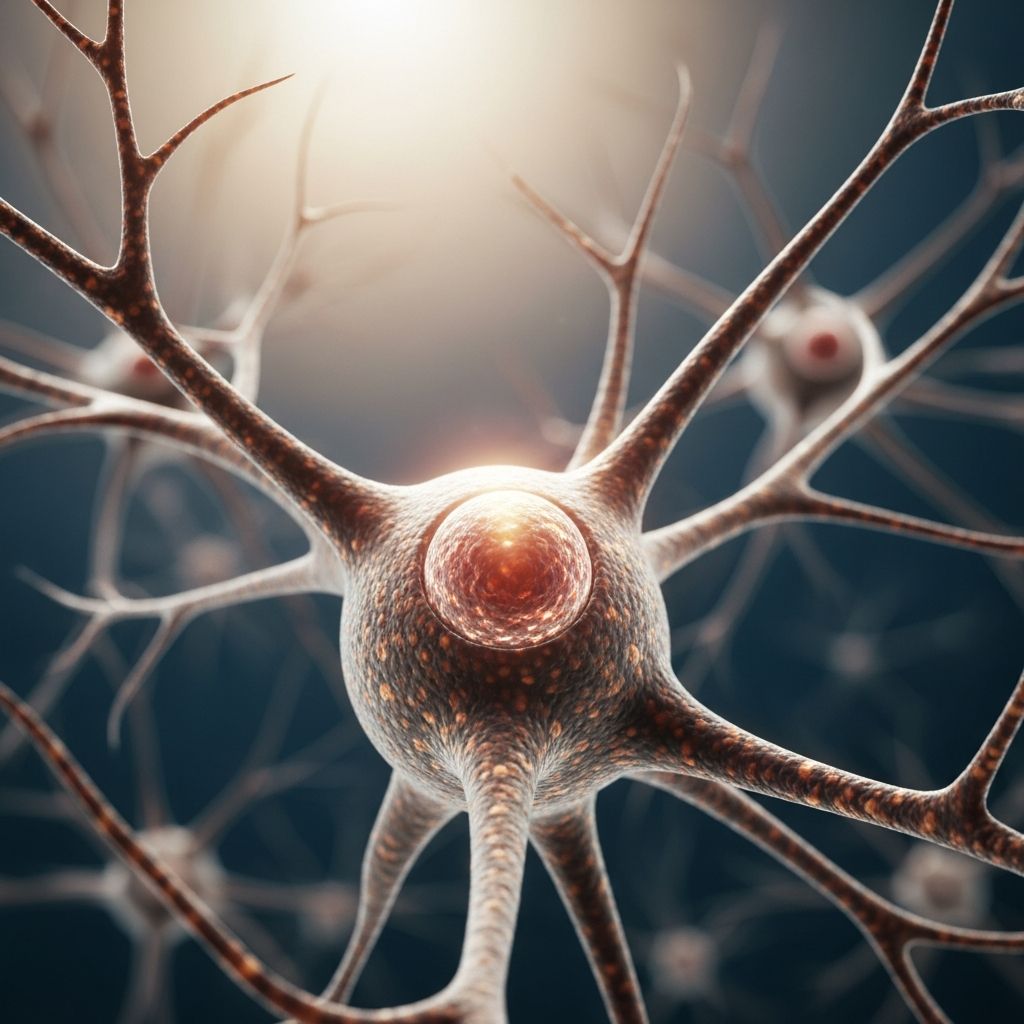
Fasciculation occurs when a single peripheral nerve that controls a muscle becomes overactive, resulting in involuntary muscle movement. This overactivity causes the muscle fibers to contract without your conscious control. The fasciculation itself is not a disease or sign of serious illness—it’s simply a manifestation of nerve overactivity at the muscular level.
The key characteristic that distinguishes benign fasciculation syndrome from more serious neurological conditions is the pattern and localization of the twitches. In BFS, fasciculations usually occur at a single site in a single muscle at a time, whereas in more serious conditions like ALS, the fasciculations are more likely to occur in multiple muscles simultaneously.
Symptoms of Benign Fasciculation Syndrome
The primary symptom of benign fasciculation syndrome is frequent muscle twitching. Understanding the specific characteristics of these symptoms can help you determine whether you might have BFS.
Primary Symptom: Muscle Twitching
The muscle twitching in BFS occurs when your muscle is at rest or relaxed. These twitches can persist for months or even years and can appear suddenly without warning. The twitches themselves are involuntary and cannot be controlled by conscious effort.
Common Locations for Twitches
While fasciculations in benign fasciculation syndrome can occur anywhere in your body, they most frequently appear in specific locations:
- Eyelids and around the eyes
- Legs and calves
- Arms and hands
- Feet and toes
- Face and jaw
- Shoulders and neck
Associated Symptoms
While benign fasciculation syndrome involves primarily muscle twitching with no other symptoms in most cases, some people with BFS also experience muscle cramps. When both fasciculations and cramps occur together, this is known as cramp-fasciculation syndrome (CFS). However, it’s crucial to note that BFS does not involve muscle weakness, muscle atrophy, or loss of function.
Related Stories



Benign Fasciculation Syndrome vs. ALS: Key Differences
Because muscle twitching can be an early symptom of amyotrophic lateral sclerosis (ALS), also known as Lou Gehrig’s disease, it’s important to understand how BFS differs from ALS. ALS is a serious degenerative neurological disease that affects motor neurons—the nerves that control your voluntary muscles.
Distinguishing Characteristics
| Feature | Benign Fasciculation Syndrome | Amyotrophic Lateral Sclerosis (ALS) |
|---|---|---|
| Muscle Weakness | Absent | Present and progressive |
| Muscle Atrophy | Absent | Present and progressive |
| Fasciculation Pattern | Single site in single muscle at a time | Multiple muscles affected simultaneously |
| Symptom Progression | Stable or variable | Worsens over time |
| Other Symptoms | Only muscle twitches (and sometimes cramps) | Multiple: weakness, atrophy, spasticity, poor balance |
It’s important to understand that although frequent muscle twitches could theoretically be an early sign of ALS, the vast majority of people who have benign fasciculation syndrome do not develop ALS. However, if you develop other muscle-related symptoms such as muscle weakness and atrophy, it’s essential to see a healthcare provider for proper evaluation.
What Causes Benign Fasciculation Syndrome?
Despite extensive research, scientists don’t know the exact cause of benign fasciculation syndrome. However, researchers have identified several factors that are associated with muscle twitches and may contribute to the development or exacerbation of BFS:
- Stress and anxiety
- Caffeine consumption
- Strenuous exercise
- Lack of sleep
- Dehydration
- Electrolyte imbalances
- Certain medications
- Thyroid dysfunction
- Vitamin deficiencies
It’s worth noting that the relationship between these factors and BFS is not fully understood, and not everyone exposed to these triggers will develop benign fasciculation syndrome. The condition appears to affect individuals differently, and researchers continue to investigate why some people develop BFS while others don’t.
Diagnosis of Benign Fasciculation Syndrome
Receiving a diagnosis of benign fasciculation syndrome typically involves seeing a neurologist—a medical specialist who focuses on disorders of the nervous system. The diagnostic process is largely based on ruling out other potential causes of your symptoms rather than confirming BFS through a specific test.
Diagnostic Process
Neurologists diagnose benign fasciculation syndrome based on your reported symptoms and normal findings from various medical tests. The provider must rule out all possible medical causes, such as serious neurological conditions, that could explain the frequent muscle twitches. The diagnostic evaluation typically includes:
- Detailed medical history and symptom assessment
- Physical neurological examination
- Electromyography (EMG) tests
- Nerve conduction studies
- Blood tests to check for metabolic or thyroid disorders
- MRI imaging if indicated
If you have no other signs or symptoms of serious underlying conditions, and all test results are normal, the provider will likely diagnose you with benign fasciculation syndrome. This is a diagnosis of exclusion, meaning it’s confirmed by ruling out other possibilities rather than by identifying a specific marker for BFS.
Treatment Options for Benign Fasciculation Syndrome
Since the muscle twitches in benign fasciculation syndrome aren’t part of an underlying condition and are harmless, there is no specific treatment for the syndrome itself. However, several approaches can help manage the symptoms and improve your quality of life.
Lifestyle Modifications
Your healthcare provider may recommend trying to lessen or avoid possible triggers of muscle twitches, including:
- Reducing stress through relaxation techniques, meditation, or yoga
- Limiting caffeine intake from coffee, tea, and energy drinks
- Avoiding strenuous exercise, especially when fatigued
- Ensuring adequate sleep and rest
- Staying well-hydrated
- Maintaining balanced electrolyte levels through proper nutrition
Medications
There is limited research on the effectiveness of certain medications for benign fasciculation syndrome. However, some research has shown that the following medications may help reduce symptoms in some individuals:
- Beta-blockers
- Calcium channel blockers
- Benzodiazepines (in some cases)
- Magnesium supplements
- Vitamin supplements (if deficiencies are identified)
It’s important to discuss any medication options with your healthcare provider, as the effectiveness varies from person to person, and not all medications are appropriate for everyone.
Managing Anxiety Related to BFS
Benign fasciculation syndrome often causes anxiety because muscle twitches can be a symptom of serious neurological conditions like ALS. This anxiety is understandable but can actually worsen the condition. Anxiety itself can be a trigger of muscle twitches, creating a cycle where anxiety leads to more twitches, which causes more anxiety.
Breaking this cycle is important for managing BFS effectively. If you’re experiencing anxiety related to your diagnosis, consider speaking with a mental health professional such as a therapist or counselor. Techniques such as cognitive-behavioral therapy, mindfulness, and other stress-reduction strategies can be particularly helpful.
Prevention and Prognosis
Can Benign Fasciculation Syndrome Be Prevented?
Researchers don’t know why some people develop BFS while others don’t, so there isn’t anything specific you can do to prevent the condition from developing. However, once you’ve been diagnosed with BFS, you can take steps to minimize your symptoms by avoiding known triggers and maintaining a healthy lifestyle.
Long-Term Outlook
The prognosis for benign fasciculation syndrome is excellent. The condition is not progressive, does not cause muscle damage, and does not lead to serious complications. While the muscle twitches may persist for months or even years, they remain harmless. If you’ve been diagnosed with benign fasciculation syndrome, your provider may recommend following up with them regularly to ensure you don’t develop any other symptoms of an underlying condition.
When to See a Healthcare Provider
If you’re experiencing frequent muscle twitches, it’s advisable to talk to a healthcare provider, especially if you’re experiencing other muscle-related symptoms like weakness, atrophy, or loss of function. While benign fasciculation syndrome itself is harmless, these additional symptoms could indicate a more serious underlying condition that requires professional evaluation and treatment.
Frequently Asked Questions
Q: Are muscle twitches always a sign of a serious condition?
A: No. Occasional muscle twitches are common and usually benign. In fact, about 70% of healthy people experience fasciculations at some point in their lives. Only when twitches occur frequently over an extended period might they warrant evaluation to rule out underlying conditions.
Q: Is benign fasciculation syndrome contagious?
A: No, benign fasciculation syndrome is not contagious. It’s a condition affecting individual nerve-muscle interactions and cannot be transmitted from one person to another.
Q: Will benign fasciculation syndrome develop into ALS?
A: While frequent muscle twitches could theoretically be an early sign of ALS, the vast majority of people with benign fasciculation syndrome do not develop ALS. If you’re concerned, your neurologist can perform tests to rule out ALS and other serious conditions.
Q: Can stress cause benign fasciculation syndrome?
A: While stress is associated with muscle twitches and can exacerbate BFS symptoms, researchers don’t know if stress alone causes the condition. Stress management techniques may help reduce symptom frequency and severity.
Q: How long does benign fasciculation syndrome last?
A: Benign fasciculation syndrome can persist for months or even years. The duration varies from person to person, and symptoms may improve or worsen over time, but the condition itself remains harmless.
References
- Benign Fasciculation Syndrome: Symptoms & Treatment — Cleveland Clinic. 2024. https://my.clevelandclinic.org/health/diseases/24812-benign-fasciculation-syndrome
- ALS Twitching vs Normal Twitching: How to Tell the Difference — ALS United Chicago. 2024. https://alsunitedchicago.org/als-twitching-vs-normal-twitching-how-to-tell-the-difference/
- Eye Twitching: Causes, Associated Conditions & Treatment — Cleveland Clinic. 2024. https://my.clevelandclinic.org/health/symptoms/17663-eye-twitching
- Movement Disorders in Early MS and Related Diseases — National Center for Biotechnology Information (NCBI). 2019. https://pmc.ncbi.nlm.nih.gov/articles/PMC6382384/
- Benign Fasciculation Syndrome (BFS) — Mayo Clinic Connect. 2024. https://connect.mayoclinic.org/discussion/benign-muscular-fasciculation/
Similar Articles








Read full bio of Sneha Tete