Benign Hereditary Telangiectasia: Complete Guide For 2025
Understanding benign hereditary telangiectasia: causes, symptoms, diagnosis, and management.

Benign Hereditary Telangiectasia: Overview and Definition
Benign hereditary telangiectasia (BHT) is a primary telangiectatic disorder characterized by the progressive dilation of small blood vessels in the skin and mucous membranes. Unlike secondary telangiectases that occur as features of other cutaneous or systemic conditions, BHT represents an idiopathic capillary dilation with no identifiable external trigger. The condition is inherited and follows a genetic pattern that typically manifests during early childhood to adolescence.
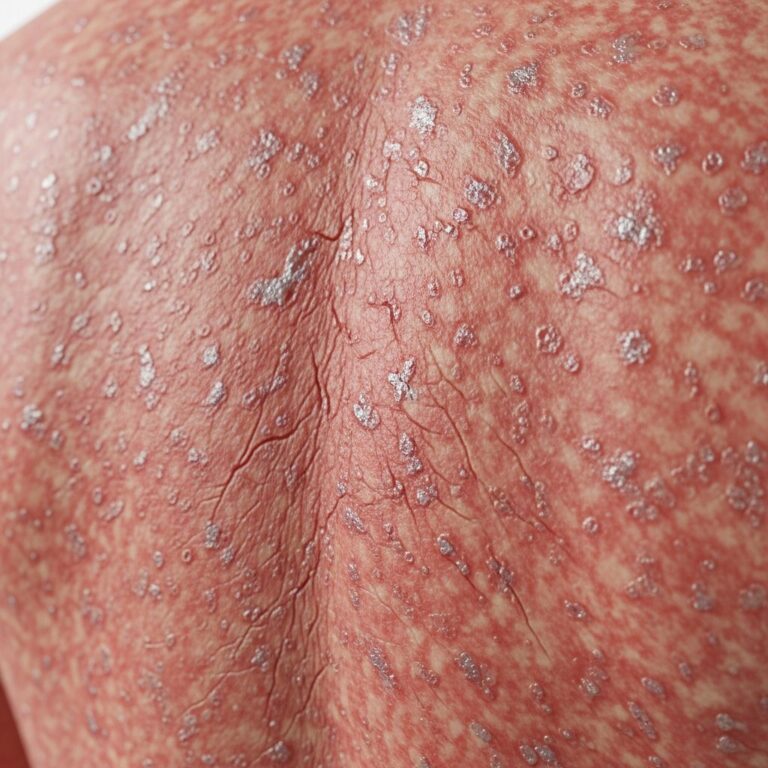
Individuals with benign hereditary telangiectasia present with numerous telangiectases distributed across various body regions. These dilated vessels appear as small red or purple lines on the skin surface, creating a distinctive clinical presentation. The condition is classified as a primary vascular disorder, meaning it is not a symptom of another underlying disease but rather a condition inherited through genetic mechanisms.
BHT is distinct from other vascular conditions, particularly hereditary hemorrhagic telangiectasia (HHT), which involves systemic complications including bleeding in vital organs. BHT remains localized to the skin and mucous membranes without affecting internal organs, making it significantly less serious than its counterpart.
Clinical Presentation and Symptoms
The clinical presentation of benign hereditary telangiectasia varies among affected individuals, though certain patterns are commonly observed. The condition typically begins to manifest during early childhood, with most cases appearing between ages 2 and 12 years. In some instances, signs may be present at birth, further supporting the hereditary nature of the disorder.
Key clinical features of BHT include:
- Spider veins that initially develop on the legs and may spread to the trunk and arms
- Smaller dilated veins that may be encircled by lighter-colored halos
- Abnormal vein dilation along the lip area, typically without associated bleeding
- Red or purple dilated veins on the skin, with coloration dependent on skin tone; these tend to lighten with age
- Affected veins that grow larger progressively as the individual ages
- Dilated veins that do not cause additional symptoms such as itching, bleeding, or burning
The distribution of telangiectases in BHT can be widespread, though lesions commonly appear on exposed areas of the body. The condition is generally asymptomatic aside from the visible cosmetic appearance of the dilated vessels. Unlike HHT, which frequently presents with spontaneous nosebleeds and systemic complications, BHT remains confined to cutaneous and mucosal manifestations without systemic involvement.
Pathophysiology and Underlying Mechanisms
The precise etiology of benign hereditary telangiectasia remains unknown, though current understanding points to a genetic component underlying the condition. The term “idiopathic” is applied to BHT because there is no identified trigger or clear molecular mechanism causing the telangiectatic changes.
Histological examination of lesional skin in benign hereditary telangiectasia reveals characteristic findings that distinguish it from other vascular conditions. The pathological features include dilatation of the sub-papillary venous plexus with associated upper dermal atrophy. These histological changes reflect the fundamental vascular dysfunction occurring at the dermal level.
While the exact genetic mutations responsible for BHT have not been fully characterized, experts believe that genetic and family history play significant roles in disease development. The condition appears to involve abnormal regulation of blood vessel development and maintenance, resulting in progressive vascular dilation. However, unlike HHT, which involves mutations in genes such as ACVRL1, ENG, and SMAD4, the specific genetic basis of BHT remains to be definitively established.
Related Stories



Inheritance Pattern and Genetic Basis
Benign hereditary telangiectasia is believed to follow an autosomal dominant inheritance pattern. This inheritance model means that a parent affected with BHT has a 50% probability of transmitting the condition to each child, regardless of the child’s sex. The autosomal dominant pattern indicates that only one mutated copy of the responsible gene from one parent is sufficient to cause the condition.
However, the exact genetic mechanisms underlying BHT are not fully understood. Current clinical and epidemiological evidence supports a hereditary component, yet comprehensive genetic studies are needed to identify the specific genes and mutations involved. The challenge in identifying the genetic basis of BHT stems partly from the condition’s rarity and the difficulty in distinguishing it from other telangiectatic disorders without clear molecular markers.
Clinical observations indicate that BHT tends to cause visible signs beginning in children between ages 2 and 12 years, with the potential for signs to be present at birth in some cases. These early manifestations further support the hereditary genetic component of the disorder. Researchers continue to investigate whether genetic mutations might develop spontaneously or whether BHT can develop without a documented family history, though current evidence suggests familial transmission is the typical pattern.
Diagnosis and Differential Diagnosis
Benign hereditary telangiectasia is primarily a clinical diagnosis based on characteristic presentation and examination findings. Healthcare providers rely on visual inspection of skin lesions combined with patient history and family background to establish the diagnosis. The identification of numerous telangiectases in a patient with a positive family history of similar skin manifestations strongly suggests BHT.
Accurate diagnosis is essential because several conditions present with similar clinical features, and misdiagnosis can lead to unnecessary testing or inappropriate management. Clinicians must carefully differentiate BHT from other telangiectatic conditions, particularly hereditary hemorrhagic telangiectasia (HHT), which has serious systemic implications. While both conditions involve telangiectasia, HHT includes systemic manifestations such as nosebleeds, gastrointestinal bleeding, and potentially life-threatening vascular malformations in vital organs.
Key distinguishing features in the diagnostic evaluation include:
- Absence of spontaneous or recurrent nosebleeds characteristic of HHT
- No evidence of gastrointestinal tract bleeding
- Lack of systemic symptoms or complications
- Presence of numerous small dilated vessels confined to skin and mucous membranes
- Progressive appearance and enlargement of lesions with age
- Typically asymptomatic affected veins without associated pain, bleeding, or pruritus
Histological examination of lesional skin may be performed to confirm the diagnosis and exclude other conditions. The characteristic histopathological findings of dilatation of the sub-papillary venous plexus with upper dermal atrophy support the diagnosis of BHT.
Clinical Course and Progression
Benign hereditary telangiectasia exhibits a progressive course over time, with lesions tending to increase in number and size as affected individuals age. The condition typically first appears during early childhood or adolescence, with initial manifestations often subtle or limited to specific body regions, particularly the legs.
As the individual ages, several characteristic changes occur:
- New telangiectases develop and spread from initial sites to involve additional body regions
- Existing lesions enlarge and become more prominent
- The color of lesions may gradually fade or change appearance with advancing age
- The overall body surface area affected by telangiectases continues to expand
Despite the progressive nature of the condition, BHT does not develop serious health complications beyond cosmetic concerns. The absence of associated systemic involvement distinguishes BHT from more serious vascular disorders. Individuals with BHT maintain normal quality of life without the morbidity associated with hemorrhagic complications or internal vascular malformations.
Comparison with Other Telangiectatic Conditions
Understanding how benign hereditary telangiectasia differs from other telangiectatic conditions is crucial for proper diagnosis and management. Several categories of telangiectasia exist, each with distinct etiologies and clinical significance:
| Condition | Type | Cause | Systemic Involvement | Complications |
|---|---|---|---|---|
| Benign Hereditary Telangiectasia (BHT) | Primary | Idiopathic; genetic | None | Cosmetic only |
| Hereditary Hemorrhagic Telangiectasia (HHT) | Primary | Gene mutations (ENG, ACVRL1, SMAD4) | Lungs, liver, brain, GI tract | Hemorrhage, stroke, anemia |
| Spider Veins (age-related) | Secondary | Age, sun exposure | None | Cosmetic only |
| Secondary Telangiectasia | Secondary | Other skin or systemic disease | Variable | Depends on underlying condition |
The critical distinction between BHT and HHT cannot be overstated, as HHT carries significant morbidity and mortality risk due to internal arteriovenous malformations and hemorrhagic complications. BHT, by contrast, remains a benign cutaneous condition without systemic manifestations or serious health risks.
Management and Treatment Considerations
Since benign hereditary telangiectasia is primarily a cosmetic concern without systemic complications, treatment decisions are largely based on patient preference and aesthetic considerations. The condition itself does not require medical intervention for health reasons, but various options exist for individuals concerned about the appearance of lesions.
Treatment approaches that may be considered include:
- Observation and monitoring without active intervention, as the condition poses no health risk
- Cosmetic camouflage using makeup or concealing clothing for affected areas
- Dermatological procedures such as laser therapy to reduce the visibility of dilated vessels
- Sclerotherapy for selected lesions, though this is less commonly used for widespread BHT
- Topical therapies aimed at reducing vascular appearance, though efficacy is limited
The lack of systemic complications in BHT means that individuals do not require the intensive monitoring and interventions necessary for HHT patients. No preventive treatments are indicated, and the condition does not necessitate lifestyle modifications or dietary restrictions.
Prognosis and Quality of Life
The overall prognosis for individuals with benign hereditary telangiectasia is excellent from a medical standpoint. The condition does not cause pain, functional impairment, or health complications. The primary impact of BHT is psychological and cosmetic, as individuals may experience concerns about appearance, particularly if lesions are visible on exposed skin areas such as the face or hands.
Quality of life considerations for BHT primarily involve:
- Cosmetic appearance of visible telangiectases on the skin
- Psychological impact and self-esteem concerns related to visible lesions
- Social considerations regarding visible vascular manifestations
- Potential need for cosmetic intervention based on individual preferences
The benign nature of BHT distinguishes it significantly from other hereditary vascular disorders. Individuals with BHT do not face the serious health risks, frequent medical interventions, or potential life-threatening complications associated with conditions like HHT. Life expectancy is not affected by BHT, and normal activity levels can be maintained without restriction.
Current Research and Future Directions
Although benign hereditary telangiectasia has been recognized as a distinct clinical entity, significant gaps remain in understanding its genetic basis and molecular mechanisms. Current research challenges include identifying the specific genes responsible for BHT and determining whether the condition results from a single genetic locus or involves multiple genes with variable penetrance.
Clinical studies are ongoing to characterize the exact genetic mutations that may contribute to BHT development and to determine whether the condition can arise de novo without a family history. Understanding the molecular basis of BHT would facilitate more accurate genetic counseling for affected families and might reveal therapeutic targets for future treatment approaches.
Frequently Asked Questions
Q: How does benign hereditary telangiectasia differ from hereditary hemorrhagic telangiectasia?
A: BHT is confined to skin and mucous membranes without systemic involvement, while HHT causes serious bleeding complications in internal organs including the lungs, liver, and brain. HHT typically presents with spontaneous nosebleeds and can be life-threatening, whereas BHT is purely cosmetic.
Q: At what age does benign hereditary telangiectasia typically appear?
A: BHT most commonly develops during early childhood to adolescence, with typical onset between ages 2 and 12 years. Some individuals may present with signs at birth.
Q: Is benign hereditary telangiectasia painful or itchy?
A: No, BHT is typically asymptomatic aside from the visible appearance of the dilated vessels. Affected individuals do not experience pain, itching, or bleeding from the telangiectases.
Q: Will benign hereditary telangiectasia worsen over time?
A: Yes, BHT tends to progress with age, with new lesions appearing and existing lesions enlarging. However, this progression does not cause health complications, only cosmetic changes.
Q: What is the inheritance pattern for benign hereditary telangiectasia?
A: BHT follows an autosomal dominant inheritance pattern, meaning each child of an affected parent has a 50% chance of inheriting the condition.
Q: Can benign hereditary telangiectasia be cured?
A: There is no cure for BHT, as it is a genetic condition. However, various cosmetic treatments can help minimize the appearance of lesions for those who desire intervention.
References
- Hereditary Hemorrhagic Telangiectasia – Symptoms and Causes — Mayo Clinic. 2024. https://www.mayoclinic.org/diseases-conditions/hht/symptoms-causes/syc-20351135
- Benign Hereditary Telangiectasia: Causes, Symptoms, Treatment — Healthline. 2023. https://www.healthline.com/health/benign-hereditary-telangiectasia
- Hereditary Hemorrhagic Telangiectasia – Genetics — MedlinePlus, National Library of Medicine. 2023. https://medlineplus.gov/genetics/condition/hereditary-hemorrhagic-telangiectasia/
- Hereditary Hemorrhagic Telangiectasia Panel – Test Fact Sheet — ARUP Laboratories. 2024. https://arupconsult.com/ati/hereditary-hemorrhagic-telangiectasia
- Benign Hereditary Telangiectasia — DermNet. 2024. https://dermnetnz.org/topics/hereditary-benign-telangiectasia
- Benign Hereditary Telangiectasia: Causes, Treatment, and More — Medical News Today. 2023. https://www.medicalnewstoday.com/articles/benign-hereditary-telangiectasia
- Hereditary Hemorrhagic Telangiectasia (HHT) — Seattle Children’s Hospital. 2024. https://www.seattlechildrens.org/conditions/hereditary-hemorrhagic-telangiectasia/
Similar Articles








Read full bio of medha deb